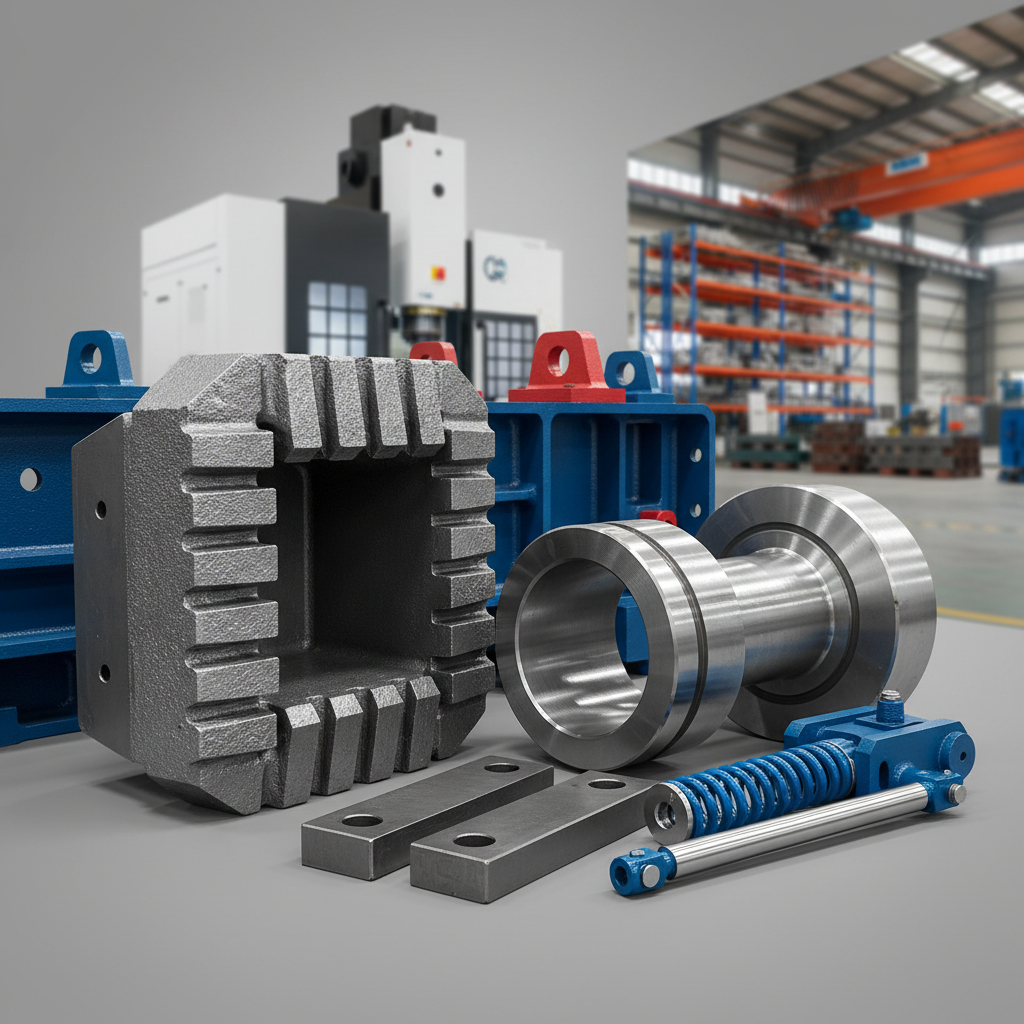
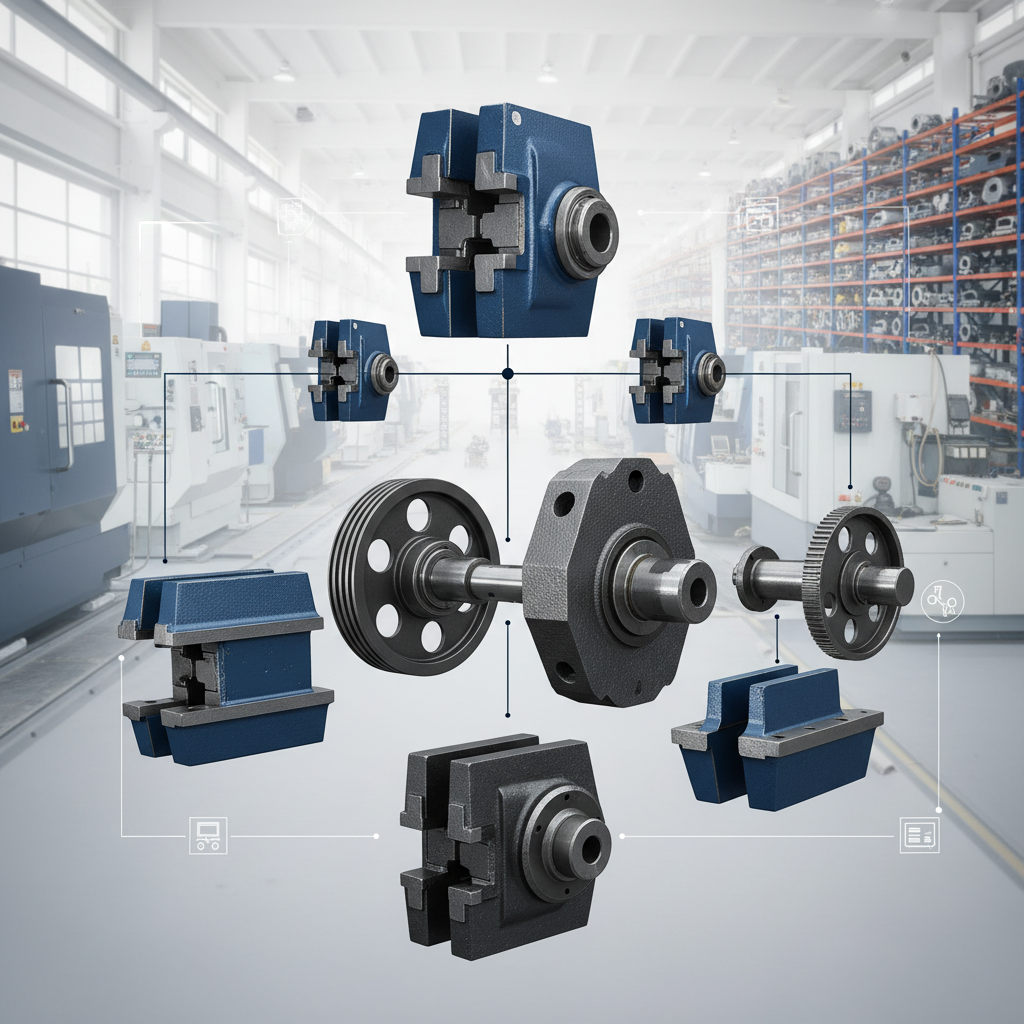
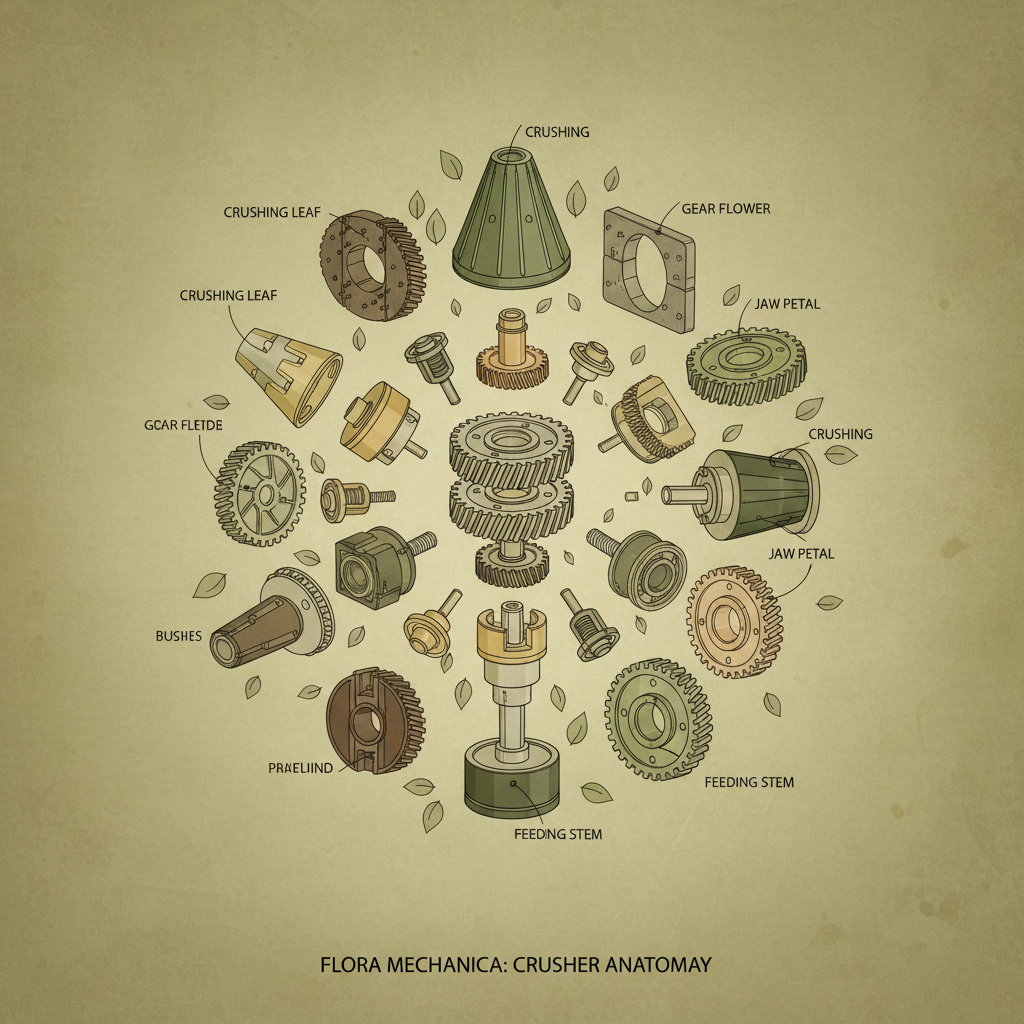
In the demanding world of mineral processing and aggregate production, the efficiency of a crushing plant hinges entirely on the integrity of its wear components. High-quality jaw crusher parts are not merely consumables; they are the primary interface between raw energy and hard rock, determining the throughput and operational cost of the entire site. Understanding the metallurgy and precision engineering behind these components is essential for any operator looking to minimize downtime and maximize yield.
Across the globe, the mining and construction sectors face a constant battle against abrasive wear. Whether processing granite, basalt, or iron ore, the relentless friction and impact forces quickly degrade standard materials. This is where the science of casting and heat-resistant steel becomes critical, as the right selection of jaw crusher parts can extend the service life of a machine by hundreds of hours, directly impacting the bottom line of industrial operations.
From the vast open-pit mines of Australia to the urban demolition sites in Europe, the demand for reliable, high-manganese and chrome-alloy components remains constant. By focusing on E-E-A-T principles—Experience, Expertise, Authoritativeness, and Trustworthiness—this guide explores how optimizing your wear parts strategy can transform a volatile maintenance schedule into a predictable, streamlined process that ensures long-term mechanical stability.
Global Relevance of Jaw Crusher Parts
On a global scale, the extraction of raw materials is the backbone of modern infrastructure. According to industrial reports aligned with ISO standards for mining equipment, the failure of critical jaw crusher parts accounts for a significant percentage of unplanned downtime in primary crushing stages. In regions like Sub-Saharan Africa and Southeast Asia, where mining is a primary GDP driver, the availability of precision-cast parts is often the difference between a profitable quarter and a logistical nightmare.
The challenge lies in the extreme variability of the feed material. A jaw crusher may handle soft limestone one day and hard quartz the next, necessitating parts that can withstand both high-impact shock and extreme abrasion. This volatility creates a constant need for innovative metallurgy that can adapt to various geological conditions without requiring frequent, costly replacements.
Defining High-Performance Wear Components
At its core, jaw crusher parts refer to the replaceable wear elements—primarily the fixed jaw plate and the swing jaw plate—along with supporting components like toggle plates, cheek plates, and bearings. These parts are designed to facilitate the compressive crushing process, where material is squeezed between a stationary and a moving jaw to reduce it to a manageable size.
In the context of modern industry, these components represent the intersection of mechanical engineering and material science. They are not just "pieces of steel" but are carefully engineered alloys, often utilizing high-manganese steel (Hadfield steel) which possesses the unique ability to work-harden under impact. This means the more the part is hit, the harder its surface becomes, while the core remains tough and ductile to prevent catastrophic fracturing.
Beyond simple crushing, these parts fulfill a humanitarian and economic need by enabling the production of affordable construction materials. From the gravel used in road building to the aggregates for concrete in sustainable housing, the reliability of these mechanical parts ensures that the global supply chain for infrastructure remains uninterrupted and cost-effective.
Core Factors for Component Durability
The longevity of jaw crusher parts is primarily governed by metallurgical composition. The balance of Manganese, Carbon, and Chromium determines whether a jaw plate will withstand the crushing of abrasive granite or simply wear away in a matter of weeks. High-quality casting ensures a homogenous structure, eliminating internal voids that could lead to stress fractures under peak loads.
Precision geometry is another critical factor. If the profile of the jaw plates is not perfectly aligned with the crusher's frame, uneven wear patterns occur. This "edge wear" not only wastes material but also puts undue stress on the toggle plate and bearings, potentially leading to a total system failure. Therefore, tight tolerances in the manufacturing of jaw crusher parts are non-negotiable for industrial-grade efficiency.
Finally, heat treatment processes play a decisive role. Controlled quenching and tempering allow the steel to achieve the necessary hardness levels without becoming brittle. By optimizing the thermal cycle, manufacturers can produce components that provide a perfect balance of impact resistance and abrasion resistance, ensuring the machine operates at peak capacity for longer intervals.
Technical Performance Benchmarks
Evaluating the efficiency of different alloys for jaw crusher parts requires a data-driven approach. Operators typically measure success based on "tons processed per millimeter of wear." By comparing standard manganese steel against reinforced chrome-moly alloys, facilities can determine the true cost-per-ton of their operation.
The following data illustrates the performance variance across different material grades used in modern crushing environments. While higher-grade parts have a higher initial procurement cost, their extended service life significantly reduces the total cost of ownership (TCO).
Performance Rating of Various Jaw Crusher Parts Alloys
Global Applications in Heavy Industry
In remote industrial zones, such as the iron ore mines of Western Australia or the copper belts of Chile, the logistics of replacing jaw crusher parts can be a massive challenge. In these environments, the focus shifts from mere cost to "extreme reliability." Companies often stockpile specialized parts that can withstand 24/7 operation in harsh climates, where a single day of downtime can cost tens of thousands of dollars in lost revenue.
Beyond mining, these components are vital in urban renewal projects. In the "circular economy" of modern cities, old concrete structures are crushed on-site to be reused as road base. This requires mobile jaw crushers equipped with highly versatile wear parts that can handle a mix of concrete, rebar, and soil, proving that the application of these parts extends far beyond the traditional mine site.
Long-Term Value and Operational Impact
Investing in premium jaw crusher parts provides a logical and emotional advantage to plant managers. Logically, the reduction in replacement frequency lowers labor costs and minimizes the risk of machine failure. Emotionally, it provides peace of mind; knowing that the equipment is fitted with industry-leading heat-resistant and wear-resistant steel reduces the stress associated with emergency breakdowns.
Furthermore, there is a significant sustainability angle. Parts that last longer mean less scrap metal and fewer energy-intensive casting cycles over the lifetime of the machine. By selecting components with higher durability, companies contribute to a more sustainable industrial footprint, aligning their operational goals with global environmental standards.
Ultimately, the trust established between a manufacturer and an operator is built on the consistency of these parts. When a jaw plate performs exactly as specified, it enables precise planning of maintenance windows, allowing for an optimized workflow that maximizes the dignity and safety of the workforce by reducing hurried, high-risk emergency repairs.
Future Innovations in Casting Technology
The future of jaw crusher parts is being shaped by the digital transformation of metallurgy. We are seeing the rise of "smart wear parts" embedded with sensors that can monitor wear rates in real-time. This move toward predictive maintenance allows operators to replace parts exactly when needed, rather than relying on a generic schedule, further eliminating waste and downtime.
Additionally, 3D metal printing and advanced additive manufacturing are beginning to influence the design of crushing components. By creating complex internal geometries that were previously impossible with traditional sand casting, engineers can optimize the stress distribution within a jaw plate, potentially increasing its lifespan by another 20-30%.
Sustainability is also driving the development of "Green Steel" in the casting process, utilizing hydrogen-powered furnaces to reduce the carbon footprint of production. As the industry moves toward carbon neutrality, the production of jaw crusher parts will integrate recycled alloys without compromising the hardness or toughness required for heavy-duty mining.
Comparative Analysis of Jaw Crusher Parts Manufacturing Standards
| Material Grade |
Hardness (HB) |
Impact Resistance |
Expected Life Cycle |
| Standard Mn-Steel |
200-250 |
Medium |
Baseline (1.0x) |
| High-Mn Alloy |
250-300 |
High |
1.5x - 2.0x |
| Mn-Cr Composite |
300-400 |
Medium-High |
2.0x - 2.5x |
| Chrome-Moly Steel |
400-500 |
Medium |
2.5x - 3.0x |
| Heat-Resistant Spec |
350-450 |
High |
2.0x - 3.0x |
| Custom Hard-Face |
500+ |
Low-Medium |
3.0x+ |
FAQS
Replacement intervals vary based on the hardness of the material being crushed. For soft limestone, parts may last several months, while abrasive granite may require changes every few weeks. The best practice is to monitor the "closed side setting" (CSS); once the jaw plates have worn down to a point where the output size is inconsistent, it is time for a replacement to avoid damaging the crusher frame.
Manganese steel is ideal for high-impact applications because it work-hardens under pressure, making it tough and resistant to cracking. Chrome steel is significantly harder and is better suited for high-abrasion environments where the material is less likely to cause sudden impact fractures. Most high-end jaw crusher parts use a balanced alloy of both to handle mixed conditions.
Yes, provided the parts meet or exceed the original equipment manufacturer's (OEM) metallurgical specifications. Many third-party specialists actually provide superior materials, such as higher-grade heat-resistant steel, which can outperform OEM parts in lifespan. The key is ensuring the dimensions and bolt-hole alignments are precise to prevent vibration and uneven wear.
Uneven wear is usually caused by improper feeding of material or misalignment of the parts. If the material is only fed into one side of the chamber, that area will wear faster. Additionally, if the jaw plates are not seated perfectly flat against the frame, "point loading" occurs, leading to premature failure. Ensure your feed hopper is centered and the installation is verified with a precision level.
Heat treatment, specifically controlled quenching, removes internal stresses from the casting process and sets the initial hardness. Without proper heat treatment, manganese steel may remain too soft, leading to rapid wear, or become too brittle, leading to catastrophic cracking. Professional heat treatment ensures the material can absorb energy and harden during operation without failing.
The most effective way to reduce long-term costs is to shift from "lowest initial price" to "lowest cost-per-ton." By investing in higher-quality, long-life jaw crusher parts, you reduce the frequency of shutdowns, lower labor costs for installation, and minimize the risk of secondary damage to the machine's drivetrain.
Conclusion
Maintaining a crushing operation requires a strategic approach to wear management, where the selection of jaw crusher parts is the single most important variable. By understanding the synergy between metallurgical composition, precision casting, and proper heat treatment, operators can significantly extend the life of their equipment, reduce unplanned downtime, and optimize their overall cost of production. The transition from standard consumables to high-performance engineered components is not just a maintenance choice, but a financial strategy.
As the industry moves toward more sustainable and digitally integrated mining practices, the role of advanced materials will only grow. We encourage operators to audit their current wear rates and explore high-manganese and chrome-alloy alternatives to future-proof their operations. For those seeking the highest standards in durability and precision, investing in professional casting solutions is the surest path to operational excellence. Visit our website for more information: www.dzmccasting.com