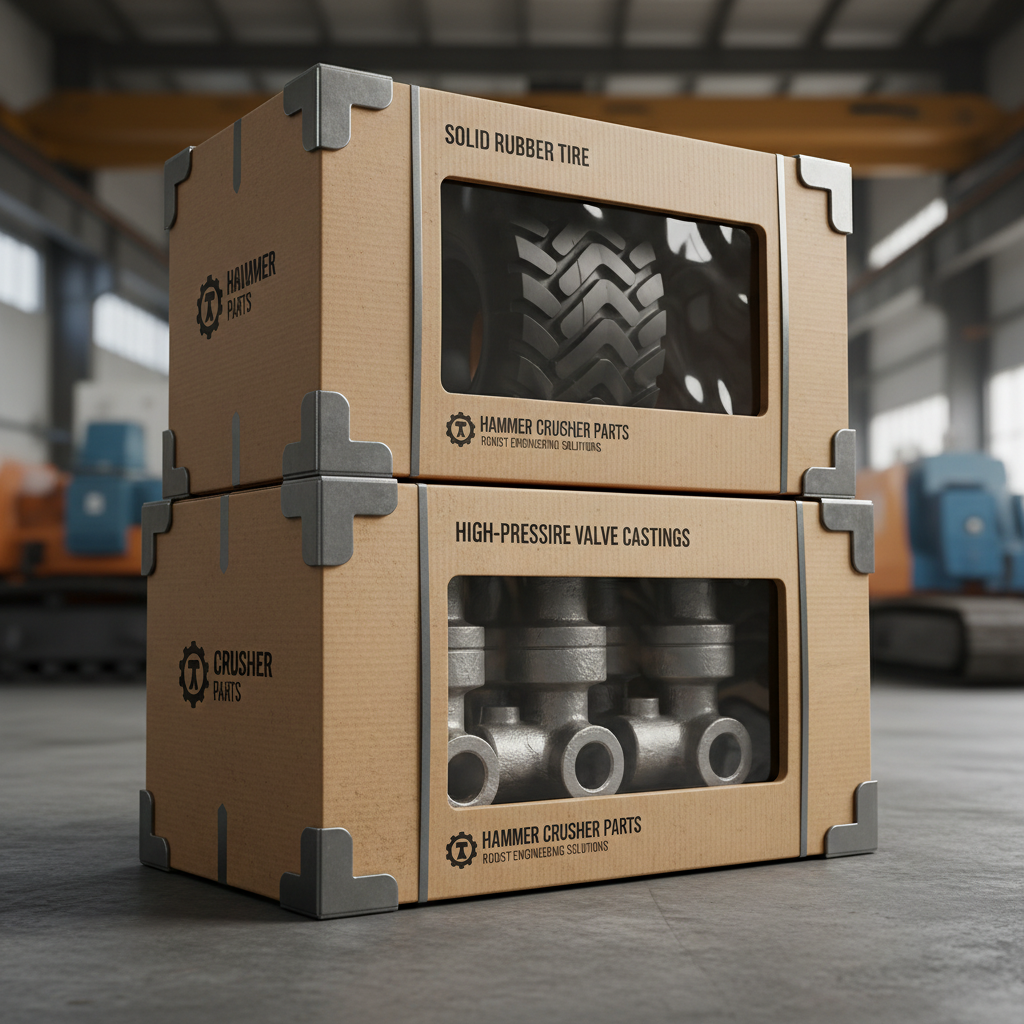
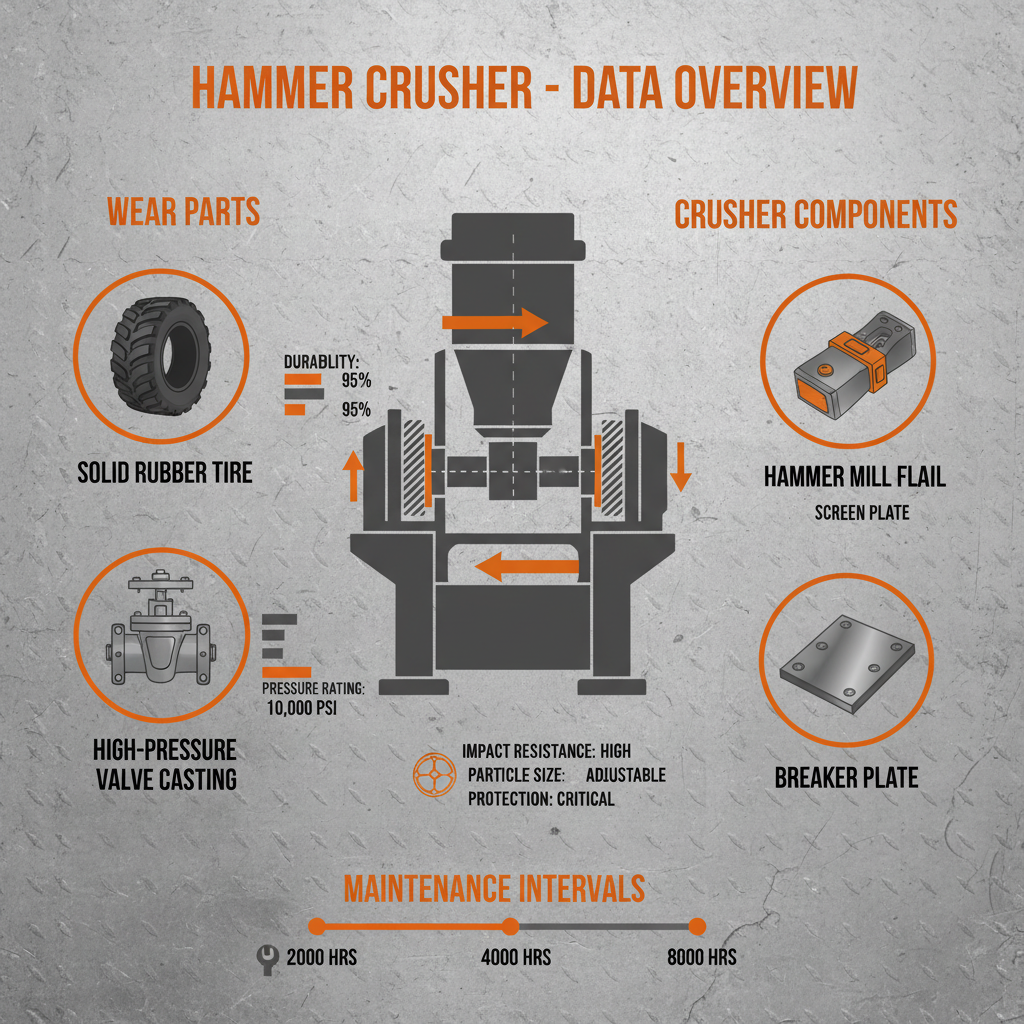
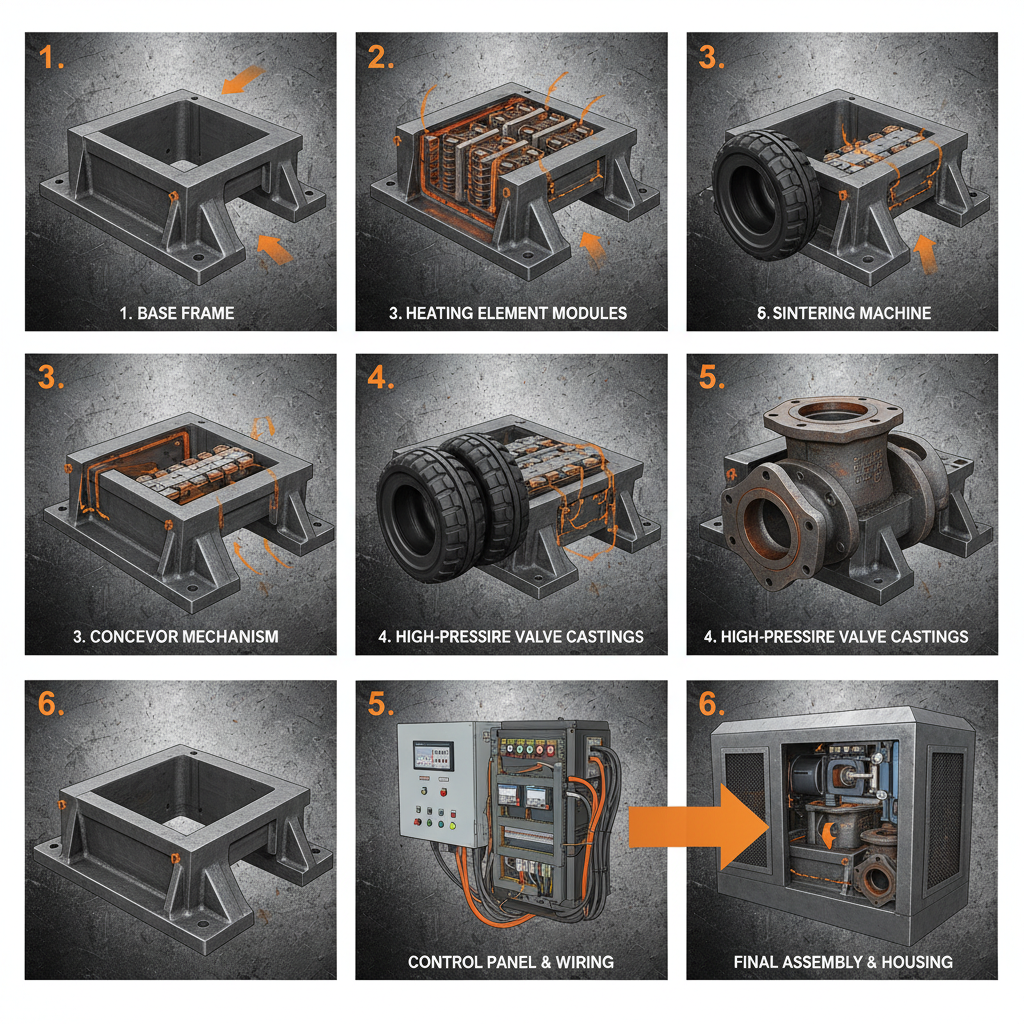
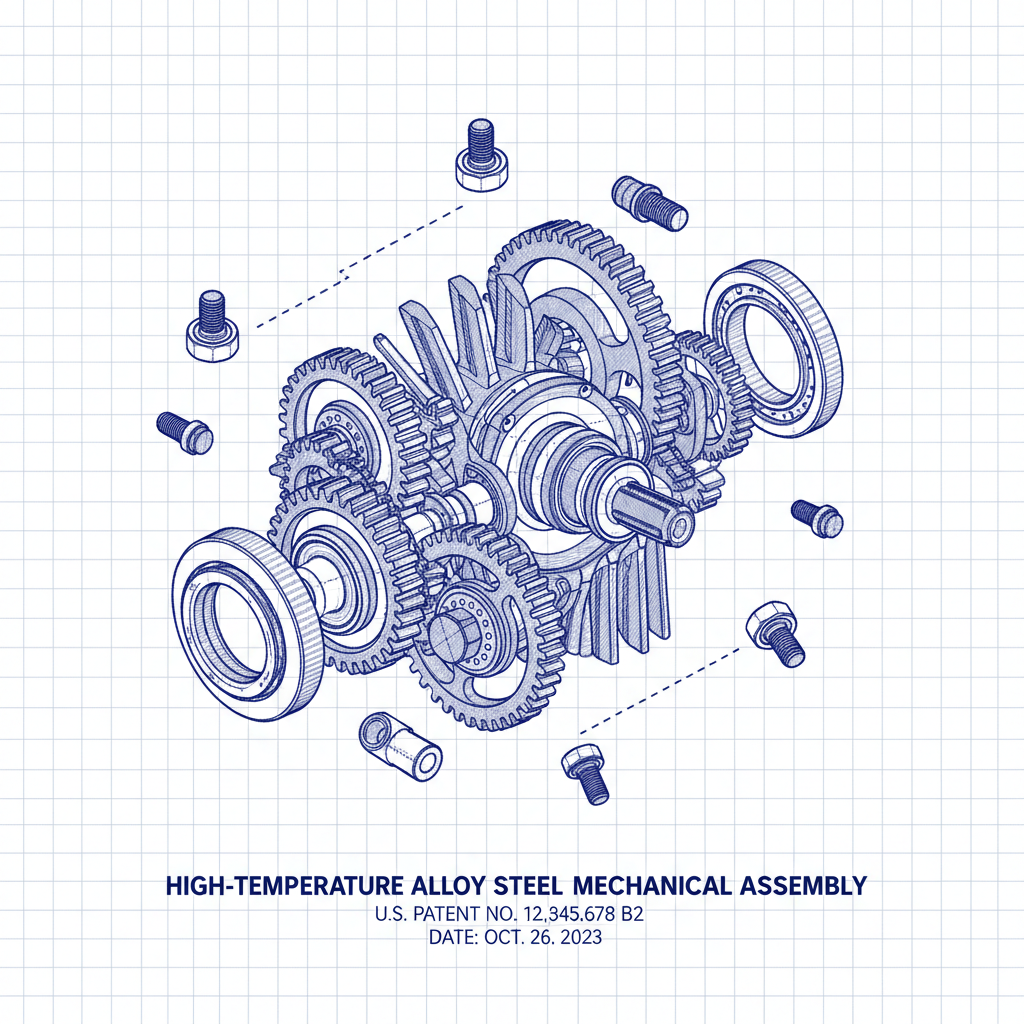
In the demanding world of mineral processing and waste recycling, the efficiency of a crushing plant hinges largely on the integrity of its wear components. High-quality hammer crusher parts are not merely replaceable spares but are the primary contact points where kinetic energy transforms raw material into usable aggregate. Understanding the metallurgy and design of these components is essential for any operation aiming to maximize throughput while minimizing unplanned downtime.
Globally, the demand for robust crushing solutions is rising as the construction and mining sectors push for higher efficiency in harsher environments. The continuous impact and abrasive nature of materials like basalt, limestone, and concrete place immense stress on the mechanical heart of the machine. Selecting the right hammer crusher parts ensures that the equipment maintains its crushing geometry, preventing energy loss and reducing the strain on the motor and rotor.
Investing in premium, heat-resistant steel and precision-cast mechanical parts allows operators to shift from reactive maintenance to a proactive strategy. By focusing on the longevity and toughness of hammer crusher parts, companies can significantly lower their cost-per-ton and improve the overall sustainability of their industrial lifecycle. This guide explores the technical nuances, global applications, and future innovations driving the evolution of these critical components.
Global Relevance and Industrial Context of Hammer Crusher Parts
The global infrastructure boom, accelerated by urbanization in emerging economies, has led to an unprecedented demand for crushed stone and recycled aggregates. According to industry trends aligned with ISO standards for mining equipment, the wear rate of hammer crusher parts is one of the most significant variables in calculating the Total Cost of Ownership (TCO). In regions like Southeast Asia and Africa, where mining operations often face extreme climatic conditions, the resilience of these parts determines whether a project remains on schedule or suffers from costly outages.
The primary challenge facing the industry is the trade-off between hardness and toughness. While a part may be extremely hard to resist abrasion, it can become brittle and crack under the high-impact loads characteristic of hammer crushing. This metallurgical tension requires advanced casting techniques to ensure that hammer crusher parts can withstand the violent collisions of crushing heavy-duty ores without catastrophic failure.
Defining the Role and Function of Hammer Crusher Parts
At its core, hammer crusher parts refer to the consumable and structural components of a hammer mill, most notably the hammers, rotor bars, and liner plates. These parts are designed to utilize high-velocity impact to shatter materials. Unlike jaw crushers that use compression, hammer crushers rely on the centrifugal force of a rotating shaft to propel the hammers into the material, making the quality of the hammer crusher parts critical to the machine's kinetic efficiency.
From a humanitarian and environmental perspective, these components are vital for the "circular economy." Hammer crushers are the primary tools used in the recycling of construction and demolition waste (CDW). By utilizing durable hammer crusher parts, cities can more efficiently process old concrete and asphalt, reducing the need for virgin quarrying and lowering the carbon footprint of new infrastructure projects.
Modern industry defines these parts not just by their dimensions, but by their metallurgical "fingerprint." Whether cast from high-manganese steel or heat-treated alloy steels, the goal is to create a surface that resists scouring while maintaining a core that absorbs shock. This balance ensures that the hammer crusher parts provide a consistent product size (granulometry) throughout their wear life.
Core Components and Material Durability Factors
The durability of hammer crusher parts is primarily governed by the selection of alloys. Manganese steel (Hadfield steel) is the gold standard because of its work-hardening properties; the more the hammer is struck, the harder its surface becomes, while the interior remains ductile. This unique characteristic allows the parts to survive the brutal environment of a primary crusher.
Beyond the hammers, the liner plates and rotor assemblies are essential hammer crusher parts that protect the main chassis from wear. If the liners fail, the machine's structural integrity is compromised, leading to expensive repairs. The integration of heat-resistant steel ensures that these parts do not warp or lose their temper under the friction-induced heat of continuous operation.
Precision in casting is the final factor. Air pockets or inclusions in the metal can act as stress concentrators, leading to premature cracking. High-grade hammer crusher parts undergo rigorous non-destructive testing (NDT) to ensure that the internal structure is sound, providing the scalability needed for industrial-scale mining operations.
Operational Efficiency and Cost-Benefit Analysis
Evaluating the efficiency of hammer crusher parts requires looking beyond the initial purchase price. Low-cost, generic parts often wear out 30-50% faster than premium alloy parts, leading to more frequent shutdowns. In a high-volume quarry, a single day of unplanned downtime can cost thousands of dollars in lost productivity, far outweighing the savings from cheaper components.
The relationship between part wear and energy consumption is also critical. As hammer crusher parts lose their mass and shape, the crushing efficiency drops, and the motor must work harder to achieve the same output. This leads to increased electricity costs and accelerates the wear on the drive belts and bearings.
Comparative Performance of Hammer Crusher Parts Materials
Global Applications Across Diverse Industries
The application of hammer crusher parts extends far beyond simple rock crushing. In the automotive recycling industry, hammer mills are used to shred end-of-life vehicles (ELV), where the parts must handle a mix of high-strength steel and aluminum. In this context, the parts are engineered for high impact and resistance to "clogging," ensuring a clean separation of materials for further smelting.
In remote industrial zones, such as the lithium mines of the Andes or the coal fields of Australia, the availability of reliable hammer crusher parts is a logistical lifeline. Companies in these regions rely on standardized, interchangeable parts that can be shipped and installed quickly, reducing the need for specialized on-site machining and minimizing the impact of geographic isolation.
Long-Term Value and Reliability Advantages
The long-term value of investing in high-end hammer crusher parts is manifested in operational stability. When parts are manufactured to exacting tolerances, the vibration levels of the entire machine are reduced. Lower vibration means less fatigue on the rotor shaft and housing, which extends the overall lifespan of the machine by several years.
From a safety perspective, reliability is paramount. A shattered hammer can become a dangerous projectile or cause a catastrophic imbalance that destroys the machine. Utilizing certified hammer crusher parts provides peace of mind, ensuring that the equipment operates within its designed safety parameters even under peak loads.
Moreover, there is a psychological benefit for the workforce. Operators are more confident and productive when they trust their equipment. The transition from "fighting the machine" to "optimizing the process" only happens when the basic components, specifically the hammer crusher parts, are consistently performing at their peak.
Future Trends in Wear-Resistant Casting Technology
The future of hammer crusher parts is being shaped by "Smart Metallurgy" and additive manufacturing. We are seeing the emergence of gradient materials, where the composition of the part changes from a hard, wear-resistant outer shell to a tough, shock-absorbing core. This removes the limitations of traditional monolithic casting and allows for unprecedented longevity.
Digital transformation is also playing a role. IoT sensors embedded in the rotor assembly can now monitor the vibration signatures of hammer crusher parts in real-time. By analyzing frequency shifts, AI can predict exactly when a hammer is about to fail, allowing operators to schedule replacements during natural breaks in production, effectively eliminating unplanned downtime.
Sustainability policies are further driving innovation. The industry is moving toward "Green Casting," utilizing recycled scrap steel and low-emission furnaces to produce hammer crusher parts. This not only reduces the environmental impact of manufacturing but also aligns with the ESG (Environmental, Social, and Governance) goals of global mining conglomerates.
Analysis of Wear-Resistant Material Performance for Hammer Crusher Parts
| Material Type |
Impact Resistance |
Abrasion Rating |
Maintenance Cycle |
| High-Mn Steel |
Excellent (9/10) |
Good (7/10) |
Moderate |
| Chrome-Moly Alloy |
Fair (6/10) |
Excellent (9/10) |
Long |
| Carbon Steel |
Good (7/10) |
Poor (4/10) |
Short |
| Tungsten Carbide |
Poor (3/10) |
Extreme (10/10) |
Very Long |
| Heat-Treated Alloy |
Very Good (8/10) |
Very Good (8/10) |
Moderate |
| Ni-Hard Cast Iron |
Fair (5/10) |
Good (7/10) |
Short-Moderate |
FAQS
For most high-impact applications, High-Manganese Steel is preferred because it work-hardens under impact. However, for purely abrasive materials with low impact, Chrome-Moly or Ceramic-insert parts provide a longer lifespan. The best choice depends on the specific hardness and moisture content of the material being crushed.
Replacement intervals vary based on material throughput and hardness. Generally, hammers should be inspected weekly for uneven wear. If the hammer profile changes significantly, crushing efficiency drops. Many operators replace parts based on a percentage of mass loss (e.g., 20-30%) to maintain optimal product sizing.
It is strongly discouraged to mix materials or weights on a single rotor. Hammer crushers rely on a precise balance to prevent vibration. Mixing different parts can cause an imbalance, leading to severe bearing wear or catastrophic shaft failure. Always replace hammers in matched sets.
The most common cause is "tramp metal"—uncrushable objects like steel beams or bolts entering the chamber. This creates a shock load that exceeds the material's toughness. Additionally, improper heat treatment during manufacturing can leave internal stresses that lead to stress-corrosion cracking over time.
Authentic high-grade parts should come with a material mill certificate (MTC) specifying the chemical composition and hardness (HRC). You can also perform a simple hardness test on a sample. Reputable manufacturers like those at www.dzmccasting.com provide full traceability for their casting processes.
Heat-resistant properties are critical for machines operating in high-ambient temperatures or those crushing materials that generate significant friction. Without heat resistance, the steel can lose its tempered hardness (anneal), making the parts wear out significantly faster than they would in a cool environment.
Conclusion
In summary, hammer crusher parts are the critical interface between raw industrial power and material processing. From the careful selection of Manganese and Alloy steels to the implementation of precision casting and predictive maintenance, every detail contributes to the efficiency and safety of the operation. By focusing on durability, material science, and consistent quality, operators can transform their crushing plants from cost centers into high-performance assets.
Looking forward, the integration of smart sensors and sustainable casting methods will redefine the lifecycle of these components. We recommend that facility managers prioritize total cost of ownership over initial part price to ensure long-term viability. For those seeking industry-leading precision and durability in their mechanical components, visit our website: www.dzmccasting.com to explore our range of heat-resistant steel products and mine crusher parts.