
News
-
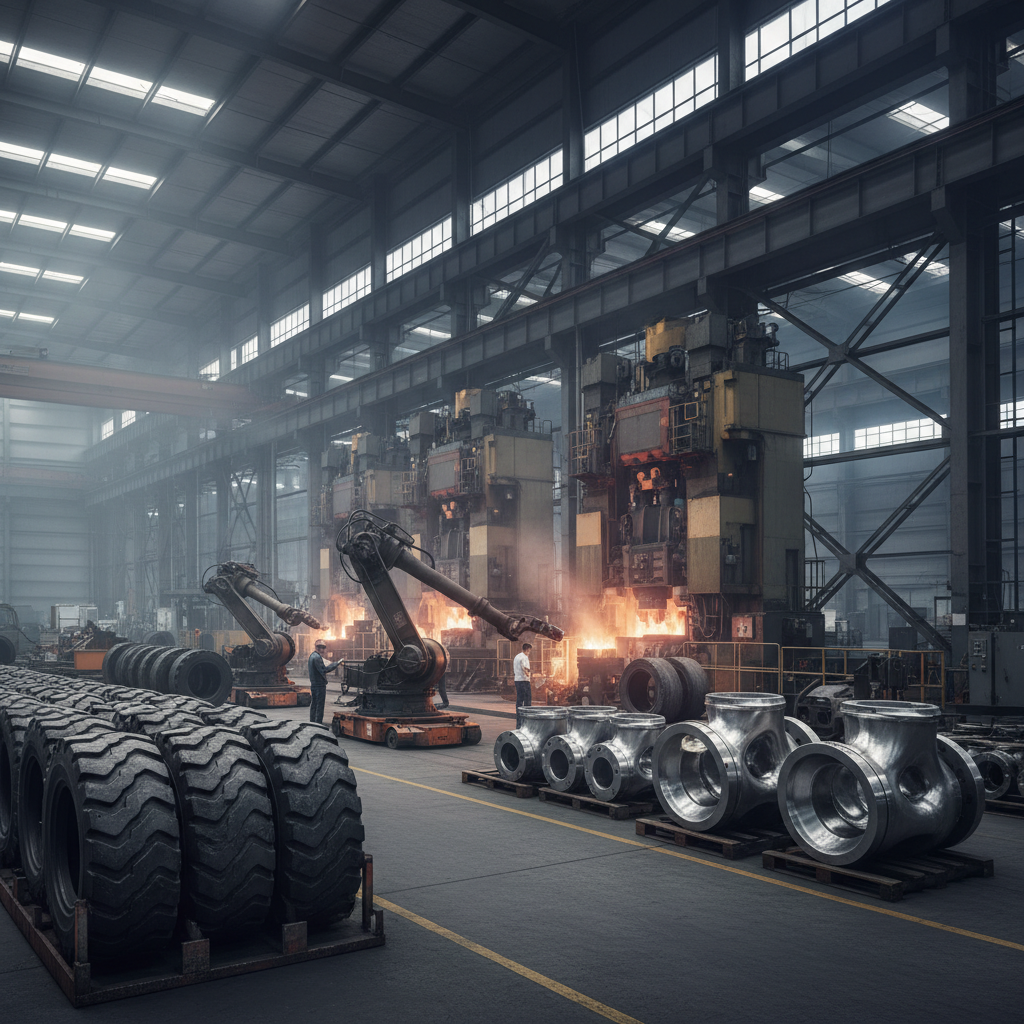 In industries demanding high performance and reliability under extreme conditions, the selection of appropriate materials is paramount. DZMCCasting stands as a leading heat resistant metal manufacturer, specializing in the production of castings and components designed to withstand intense temperatures and corrosive environments. This article will explore the properties, applications, and manufacturing processes related to heat-resistant metals, showcasing the expertise of DZMCCasting in delivering exceptional solutions for diverse industrial needs. Selecting the right heat-resistant alloy is crucial for maximizing efficiency and ensuring the longevity of critical equipment. Heat-resistant metals, also known as refractory metals, are a class of materials that retain their strength and structural integrity at elevated temperatures. These metals generally possess high melting points, excellent creep resistance, and good oxidation and corrosion resistance. Common examples include nickel-based superalloys, cobalt-based alloys, stainless steels, and certain refractory metals like molybdenum, tungsten, and tantalum. The specific alloy chosen depends on the application’s temperature range, environmental conditions, and required mechanical properties. DZMCCasting specializes in precision casting of these alloys to meet stringent industry demands.Read more
 -
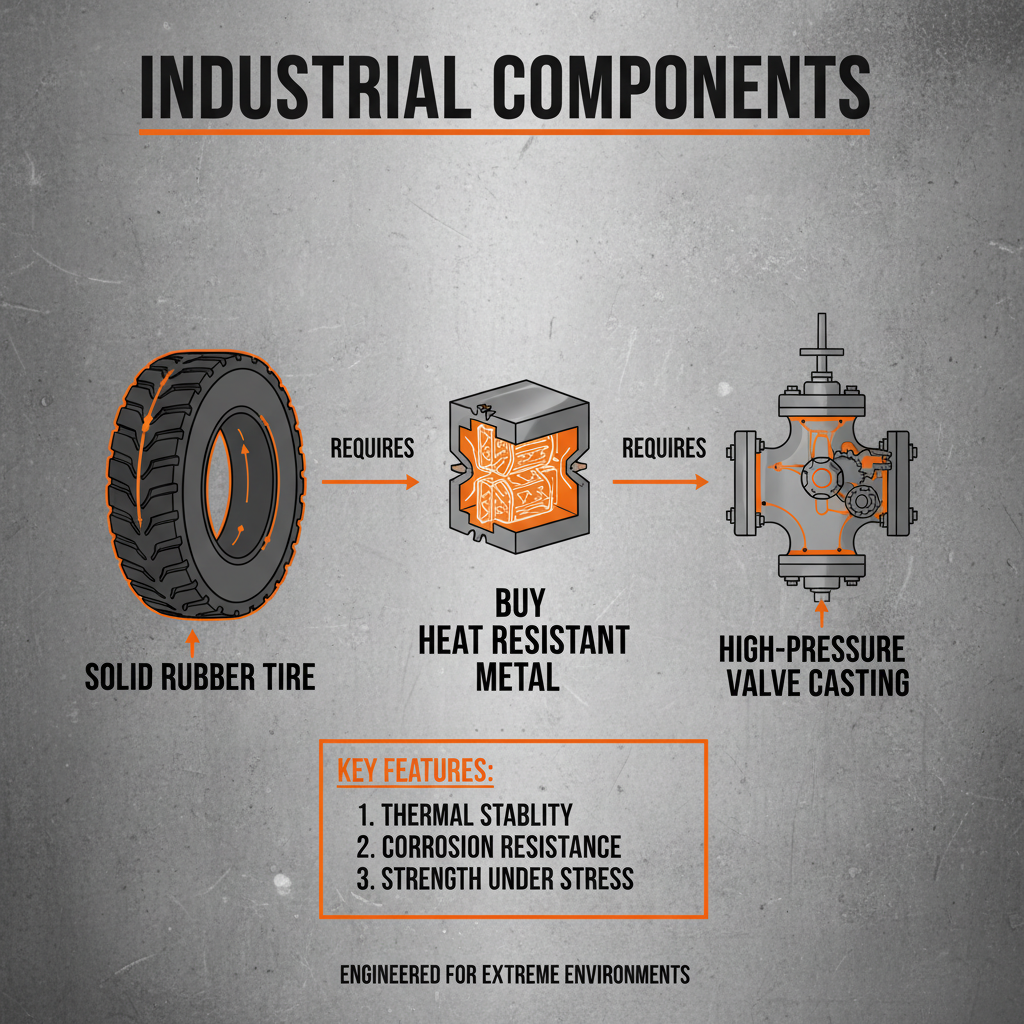 When your application demands materials that can withstand extreme temperatures, sourcing the right heat resistant metal is crucial. Whether you're in aerospace, automotive, or industrial manufacturing, choosing the correct alloy impacts performance and longevity. This article provides an in-depth look at buying heat resistant metals, factors to consider, common alloys, and how DZM Casting can provide tailored solutions. We'll explore different options available, discuss their properties, and guide you through the purchasing process. Heat resistant metals aren't simply about withstanding high temperatures; it's about maintaining mechanical strength, resisting oxidation, and preventing creep (slow deformation under stress) at elevated temperatures. These metals and alloys are engineered to retain their integrity in harsh thermal environments. Key properties include a high melting point, low thermal expansion coefficient, and resistance to corrosion at high temperatures. Understanding these properties is vital for selecting the right material for your specific application.Read more
 -
 When tackling projects that involve high temperatures, selecting the appropriate metal is critical. Cheap heat resistant metal options exist, offering a balance between affordability and performance. This article will explore various metals known for their heat resistance, their applications, and factors to consider when making your selection. From industrial furnaces to automotive components, understanding the properties of these materials will ensure the success and longevity of your project. DZMCCasting offers a wide range of metal casting solutions to meet your specific needs. Heat resistance isn't simply about a metal's melting point; it encompasses a range of properties including thermal conductivity, thermal expansion, and oxidation resistance. Metals with high melting points, like tungsten and molybdenum, are inherently heat resistant, but they can be expensive and difficult to work with. More affordable options like certain steels and alloys offer sufficient heat resistance for many applications.Read more
 -
 In numerous industries, from aerospace to automotive and beyond, the demand for high-performance materials that can withstand extreme temperatures is constantly increasing. OEM heat resistant metal components are crucial for applications where thermal stability and durability are paramount. This article provides an in-depth exploration of these specialized metals, their properties, manufacturing processes, applications, and the advantages of choosing a reliable OEM supplier like DZM Casting. Understanding the intricacies of heat resistant metals is key to ensuring optimal performance and longevity in challenging environments. Heat resistant metals are engineered to maintain their mechanical strength and integrity at elevated temperatures. These materials resist deformation, oxidation, and corrosion, even under intense thermal stress. Common types of heat resistant metals include nickel-based superalloys, cobalt-based alloys, and certain grades of stainless steel. Their unique compositions allow them to retain critical properties like creep resistance, tensile strength, and fatigue life at temperatures that would compromise the performance of conventional materials. DZM Casting specializes in providing custom metal casting solutions using these advanced alloys.Read more
 -
 In industries ranging from aerospace and automotive to energy and manufacturing, the demand for high quality heat resistant metal is continuously growing. These specialized alloys are crucial for components operating in extreme temperature environments, ensuring durability, performance, and safety. This article provides an in-depth look at heat resistant metals, their properties, applications, and the factors to consider when selecting the right material for your specific needs. Understanding these materials is key to achieving optimal results in high-temperature applications. Heat resistance isn't a single property, but rather a combination of characteristics. It primarily involves a metal’s ability to maintain its mechanical strength and resist degradation – such as oxidation, creep, and corrosion – at elevated temperatures. Several factors influence this, including the alloy composition, the presence of protective surface layers (like oxides), and the operating environment. Metals like aluminum and titanium form protective oxide layers which enhance their resistance, while others rely on the addition of elements like chromium and molybdenum to stabilize their microstructure.Read more
 -
 In demanding industries where high temperatures are commonplace, the need for robust and reliable materials is paramount. Custom heat resistant metal components are essential for ensuring optimal performance and longevity of equipment. At DZM Casting, we specialize in providing precisely engineered, high-quality heat-resistant metal parts tailored to your specific requirements. Whether you need specialized alloys for aerospace applications, furnace components for industrial processes, or durable parts for automotive systems, we deliver solutions that stand up to the most challenging thermal conditions. Choosing the right material is crucial – let us help you navigate the options and find the perfect fit for your project. Heat resistance isn’t a single property but rather a combination of characteristics. It encompasses a metal’s ability to maintain its mechanical strength, resist oxidation and corrosion, and prevent deformation at elevated temperatures. Different metals and alloys exhibit varying levels of heat resistance, making material selection critical. Factors to consider include the operating temperature, the presence of corrosive environments, and the required mechanical properties.Read more
 -
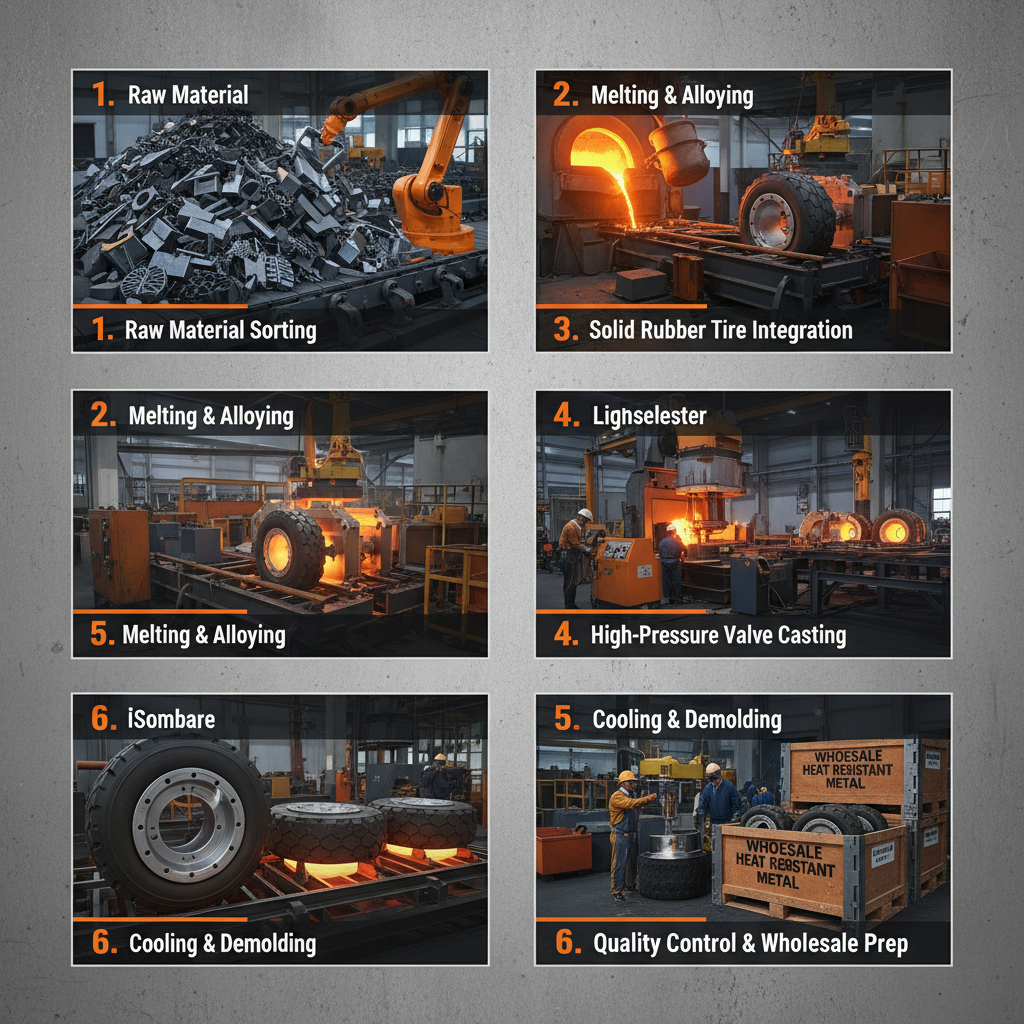 Sourcing high-quality, wholesale heat resistant metal is crucial for a wide range of industries, from aerospace and automotive to power generation and chemical processing. The demand for materials capable of withstanding extreme temperatures and maintaining structural integrity is continuously growing. This article will provide an in-depth overview of heat resistant metals, their applications, key considerations when purchasing wholesale, and how DZM Casting can be your trusted partner. Choosing the correct metal alloy can dramatically impact performance and longevity of your products. Heat resistant metals aren’t a single category, but a group of alloys designed to perform reliably at high temperatures. These metals maintain their strength, creep resistance, and oxidation resistance under intense heat. Common examples include stainless steels, nickel alloys, titanium alloys, and cobalt alloys. Each alloy possesses unique properties, making them suitable for specific applications. Several alloys consistently stand out for their exceptional heat resistance. Inconel, Hastelloy, and Monel – all nickel-based superalloys – excel in extremely corrosive and high-temperature environments. Stainless steels, particularly 304, 310, and 316, offer a cost-effective solution for less demanding applications.Read more
 -
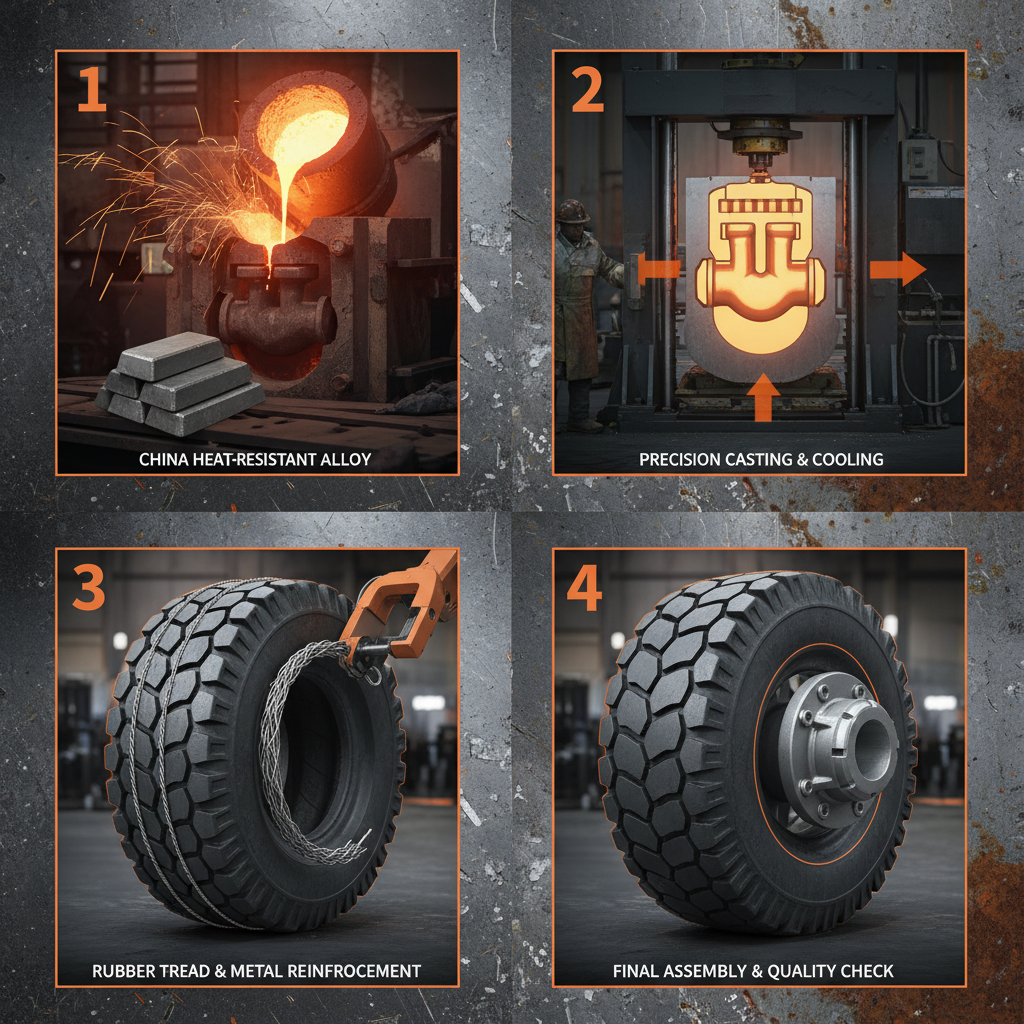 When sourcing materials for demanding applications, the need for heat resistant metals is paramount. China has emerged as a leading global supplier of these crucial alloys, offering a wide range of options at competitive prices. This article delves into the world of china heat resistant metal, exploring the types available, their applications, and factors to consider when making a purchase. We'll also highlight the advantages of partnering with a trusted Chinese supplier like DZM Casting. Heat resistant metals, also known as high-temperature alloys, are designed to maintain their strength, creep resistance, and oxidation resistance at elevated temperatures. These materials are essential in industries like aerospace, power generation, automotive, and chemical processing. The performance of these alloys hinges on their composition, often involving carefully balanced combinations of elements like nickel, chromium, cobalt, molybdenum, and tungsten. Choosing the right metal depends heavily on the specific temperature range, stress levels, and environmental conditions of the application.Read more
 -
 When sourcing materials for high-temperature applications, understanding heat resistant steel products is crucial. Obtaining accurate quotes, and knowing the factors that influence pricing, can streamline your procurement process. This article will delve into the types of heat resistant steels, typical applications, factors influencing quotes, and how to effectively request pricing from suppliers like DZM Casting. We’ll cover key considerations for cost optimization and ensuring you receive competitive heat resistant steel products quotes. Several alloys are classified as heat resistant steels, each possessing unique properties and suited to different applications. Austenitic stainless steels (like 304, 310, and 316) offer excellent oxidation resistance and are frequently used in furnace components. Ferritic and martensitic steels, while less corrosion resistant, provide high strength at elevated temperatures.Read more