
News
-
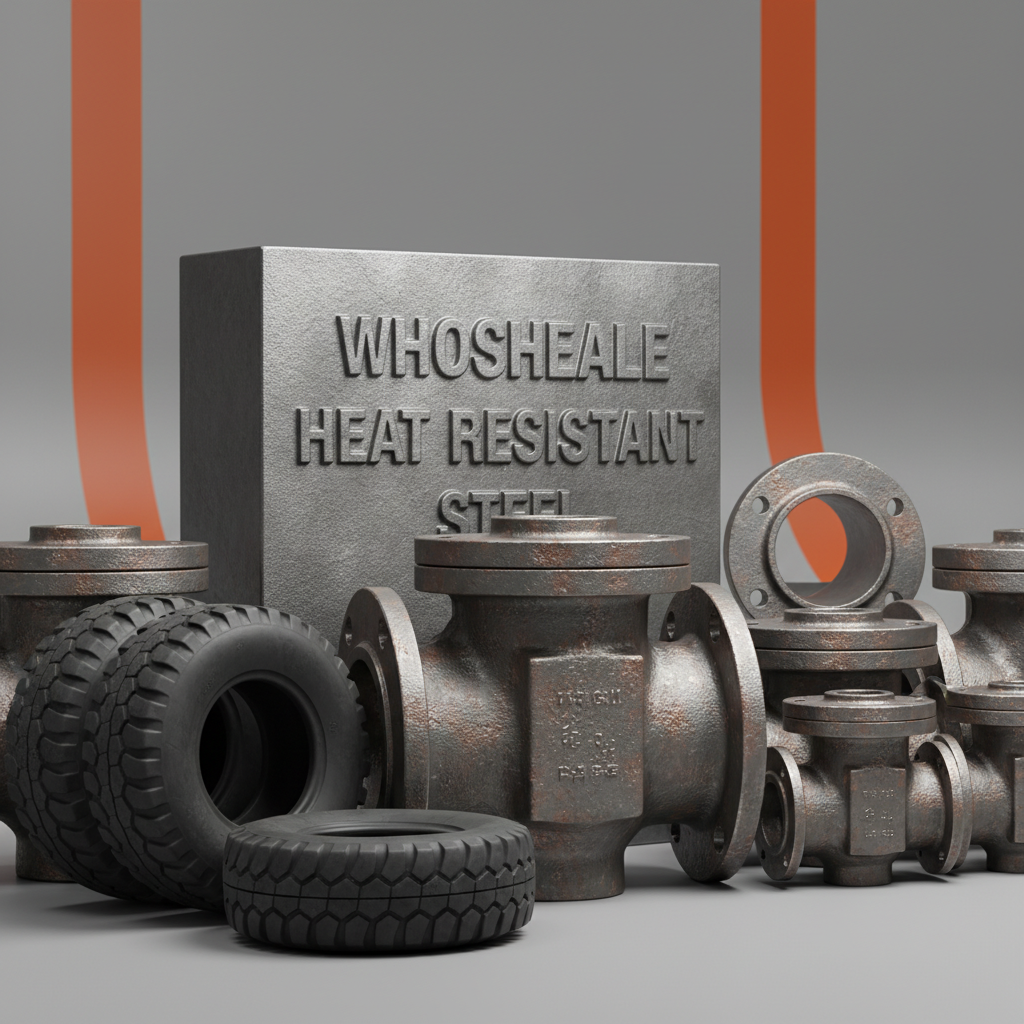 When seeking reliable materials for high-temperature applications, wholesale cast heat resistant steel is a critical consideration. These specialized alloys maintain their strength and integrity even under extreme thermal stress, making them essential for industries like aerospace, automotive, and power generation. This article will explore the properties, applications, grades, and sourcing options for cast heat resistant steel, providing a valuable resource for businesses looking to procure high-quality materials. Choosing the right alloy can significantly impact the performance and longevity of your products.Read more
-
 In industries demanding high-performance materials, the need for heat resistant metal products is paramount. These specialized components are crucial for ensuring operational efficiency, safety, and longevity in demanding environments. This article explores the applications, materials, manufacturing processes, and benefits of heat resistant metal products, providing a comprehensive understanding for engineers, procurement professionals, and anyone involved in high-temperature applications. Selecting the correct material and manufacturing process is vital for success.Read more
-
 Securing reliable heat resistant metal quotes is crucial for projects demanding high-temperature performance. The selection of appropriate metals plays a pivotal role in ensuring longevity, safety, and operational efficiency. This article will delve into the factors influencing these quotes, the common metals used, and how to optimize your material sourcing strategy. Understanding the nuances of these materials, their properties, and market trends can significantly impact your project’s success. We'll explore various alloys and their applications in high-heat environments.Read more
-
 In demanding industrial applications, the need for metals capable of withstanding extreme temperatures is paramount. As a leading heat resistant metal exporter, DZM Casting specializes in providing high-quality alloys engineered for superior performance in high-heat environments. This article explores the importance of heat resistant metals, commonly used alloys, applications, and how to choose the right exporter for your specific needs. Investing in the correct materials ensures the longevity, safety, and efficiency of critical operations. Heat resistant metals, also known as high-temperature alloys, are designed to maintain their mechanical strength and resist degradation at elevated temperatures. This resistance is crucial in industries such as aerospace, power generation, chemical processing, and automotive manufacturing. The ability to withstand high temperatures without significant creep, oxidation, or corrosion is what distinguishes these alloys. These metals are not simply "heat-proof," but rather engineered to perform reliably under stress at extreme heat.Read more
-
 In demanding industries like aerospace, automotive, and energy, the need for metals that can withstand extreme temperatures is paramount. A heat resistant metal factory specializes in producing alloys designed to maintain their strength, integrity, and performance even under intense heat. This article will explore the types of heat-resistant metals, their applications, the manufacturing processes involved, and why choosing a reliable factory like DZM Casting is crucial for your project. We'll cover key considerations for sourcing these critical materials and the advantages of working with a specialized supplier. Heat-resistant metals and alloys are engineered to retain their mechanical properties – strength, creep resistance, and oxidation resistance – at high temperatures. These materials are not simply metals that don't melt easily; they're specifically formulated to resist deformation and degradation in extreme thermal environments. Common types include stainless steels, nickel-based alloys (like Inconel and Hastelloy), cobalt-based alloys, and refractory metals such as molybdenum and tungsten. The selection of the right material depends heavily on the specific application and temperature requirements.Read more
-
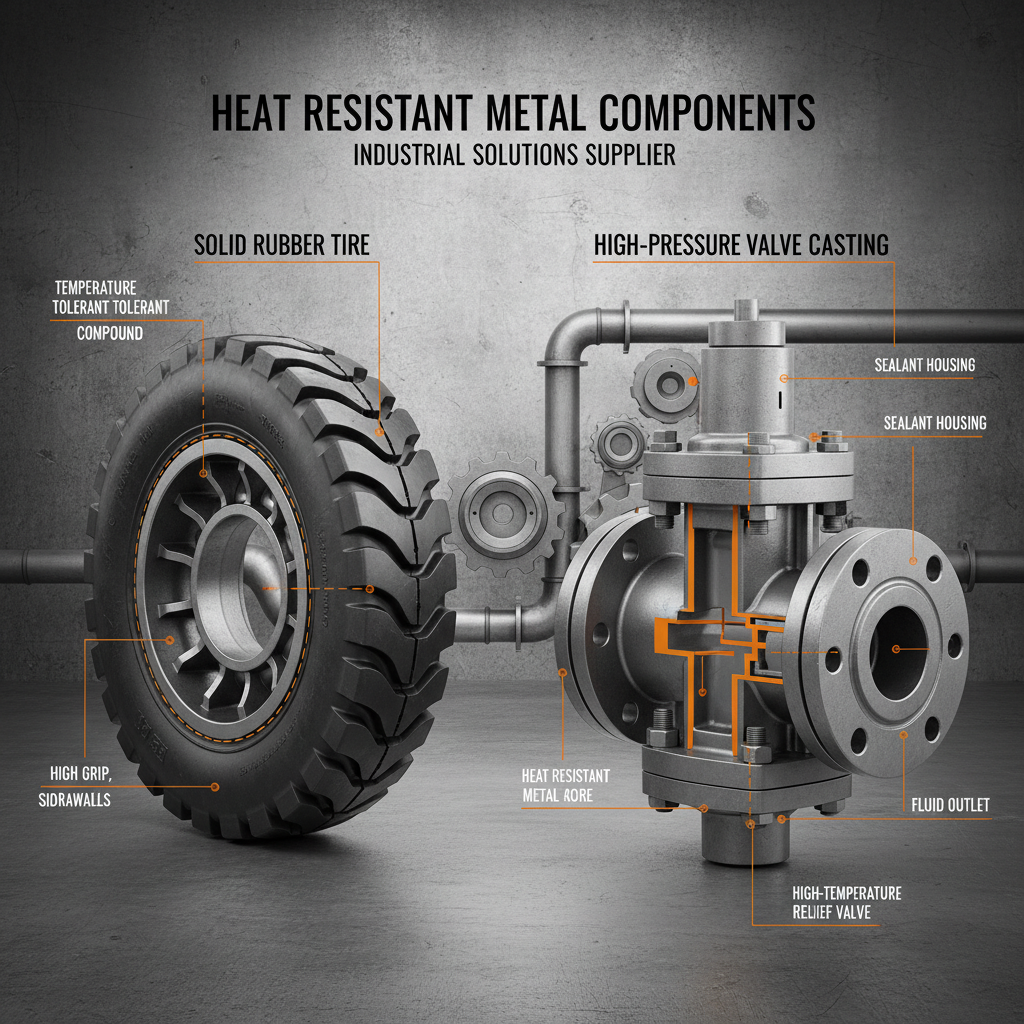 Sourcing high-quality, heat-resistant metals is critical for numerous industries, from aerospace and automotive to energy and manufacturing. Choosing a reliable heat resistant metal supplier is paramount to ensuring product performance, safety, and longevity. This article provides a detailed guide to identifying the right supplier, understanding key metal alloys, and navigating the complexities of international sourcing. We’ll cover crucial factors like material expertise, quality control, lead times, and cost-effectiveness. Heat-resistant metals maintain their strength and integrity at elevated temperatures, making them essential for demanding applications. Common alloys include stainless steels, nickel alloys (like Inconel and Hastelloy), titanium alloys, and refractory metals (such as molybdenum and tungsten). Each metal possesses unique properties, influencing its suitability for specific environments.Read more
-
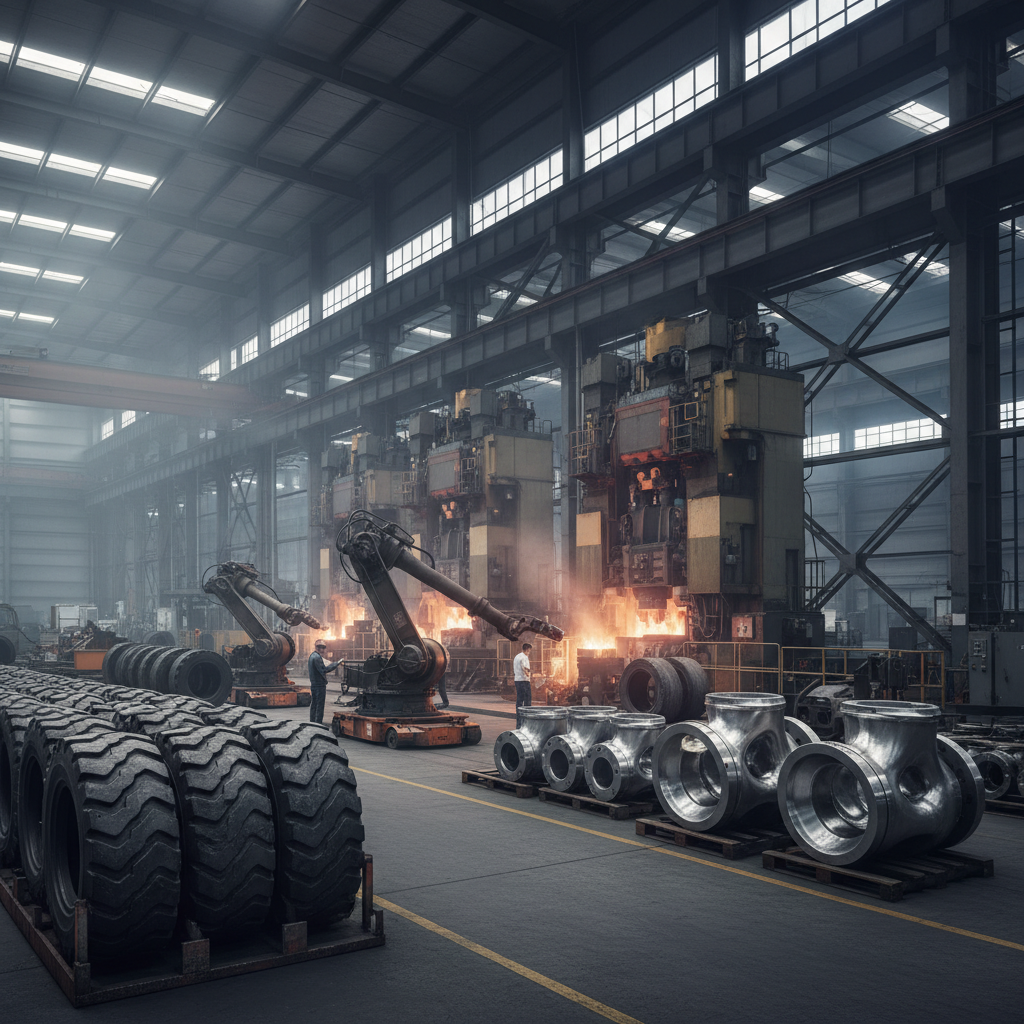 In industries demanding high performance and reliability under extreme conditions, the selection of appropriate materials is paramount. DZMCCasting stands as a leading heat resistant metal manufacturer, specializing in the production of castings and components designed to withstand intense temperatures and corrosive environments. This article will explore the properties, applications, and manufacturing processes related to heat-resistant metals, showcasing the expertise of DZMCCasting in delivering exceptional solutions for diverse industrial needs. Selecting the right heat-resistant alloy is crucial for maximizing efficiency and ensuring the longevity of critical equipment. Heat-resistant metals, also known as refractory metals, are a class of materials that retain their strength and structural integrity at elevated temperatures. These metals generally possess high melting points, excellent creep resistance, and good oxidation and corrosion resistance. Common examples include nickel-based superalloys, cobalt-based alloys, stainless steels, and certain refractory metals like molybdenum, tungsten, and tantalum. The specific alloy chosen depends on the application’s temperature range, environmental conditions, and required mechanical properties. DZMCCasting specializes in precision casting of these alloys to meet stringent industry demands.Read more
-
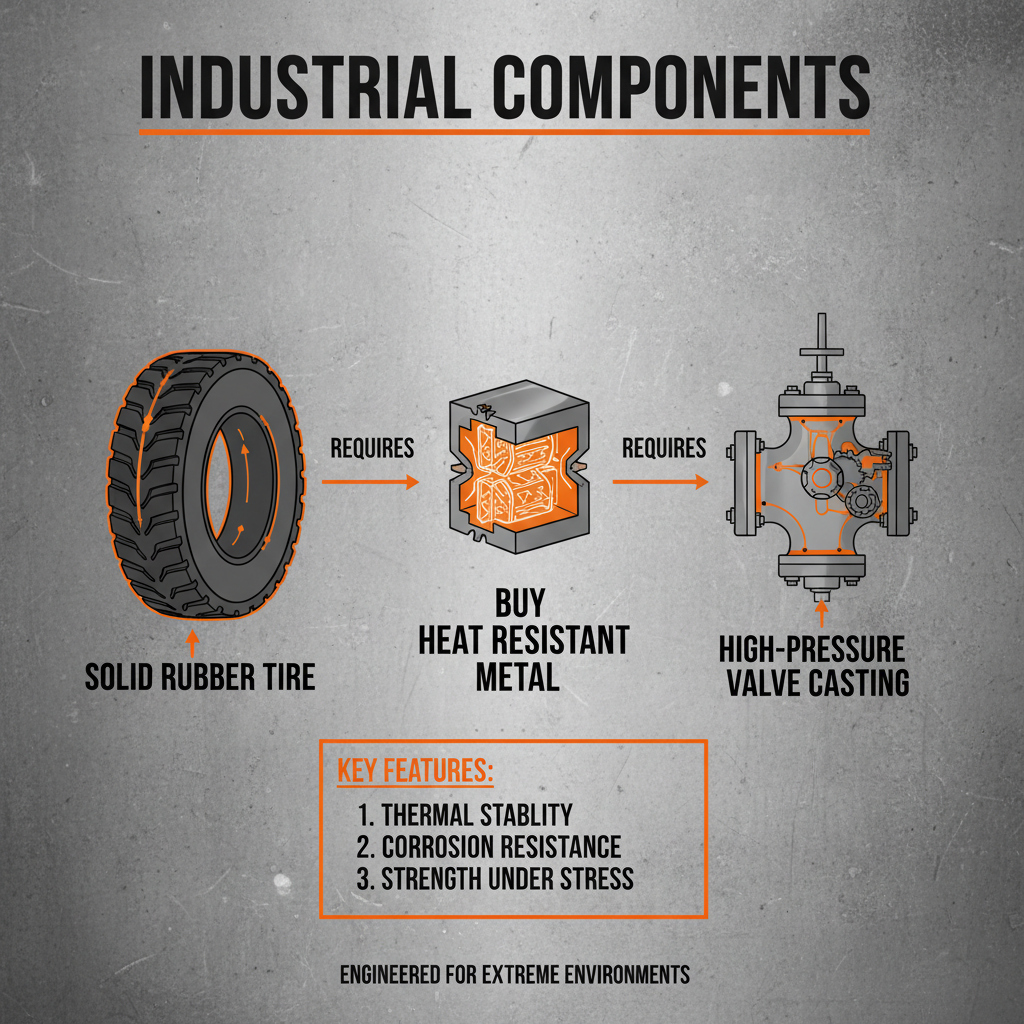 When your application demands materials that can withstand extreme temperatures, sourcing the right heat resistant metal is crucial. Whether you're in aerospace, automotive, or industrial manufacturing, choosing the correct alloy impacts performance and longevity. This article provides an in-depth look at buying heat resistant metals, factors to consider, common alloys, and how DZM Casting can provide tailored solutions. We'll explore different options available, discuss their properties, and guide you through the purchasing process. Heat resistant metals aren't simply about withstanding high temperatures; it's about maintaining mechanical strength, resisting oxidation, and preventing creep (slow deformation under stress) at elevated temperatures. These metals and alloys are engineered to retain their integrity in harsh thermal environments. Key properties include a high melting point, low thermal expansion coefficient, and resistance to corrosion at high temperatures. Understanding these properties is vital for selecting the right material for your specific application.Read more
-
 When tackling projects that involve high temperatures, selecting the appropriate metal is critical. Cheap heat resistant metal options exist, offering a balance between affordability and performance. This article will explore various metals known for their heat resistance, their applications, and factors to consider when making your selection. From industrial furnaces to automotive components, understanding the properties of these materials will ensure the success and longevity of your project. DZMCCasting offers a wide range of metal casting solutions to meet your specific needs. Heat resistance isn't simply about a metal's melting point; it encompasses a range of properties including thermal conductivity, thermal expansion, and oxidation resistance. Metals with high melting points, like tungsten and molybdenum, are inherently heat resistant, but they can be expensive and difficult to work with. More affordable options like certain steels and alloys offer sufficient heat resistance for many applications.Read more