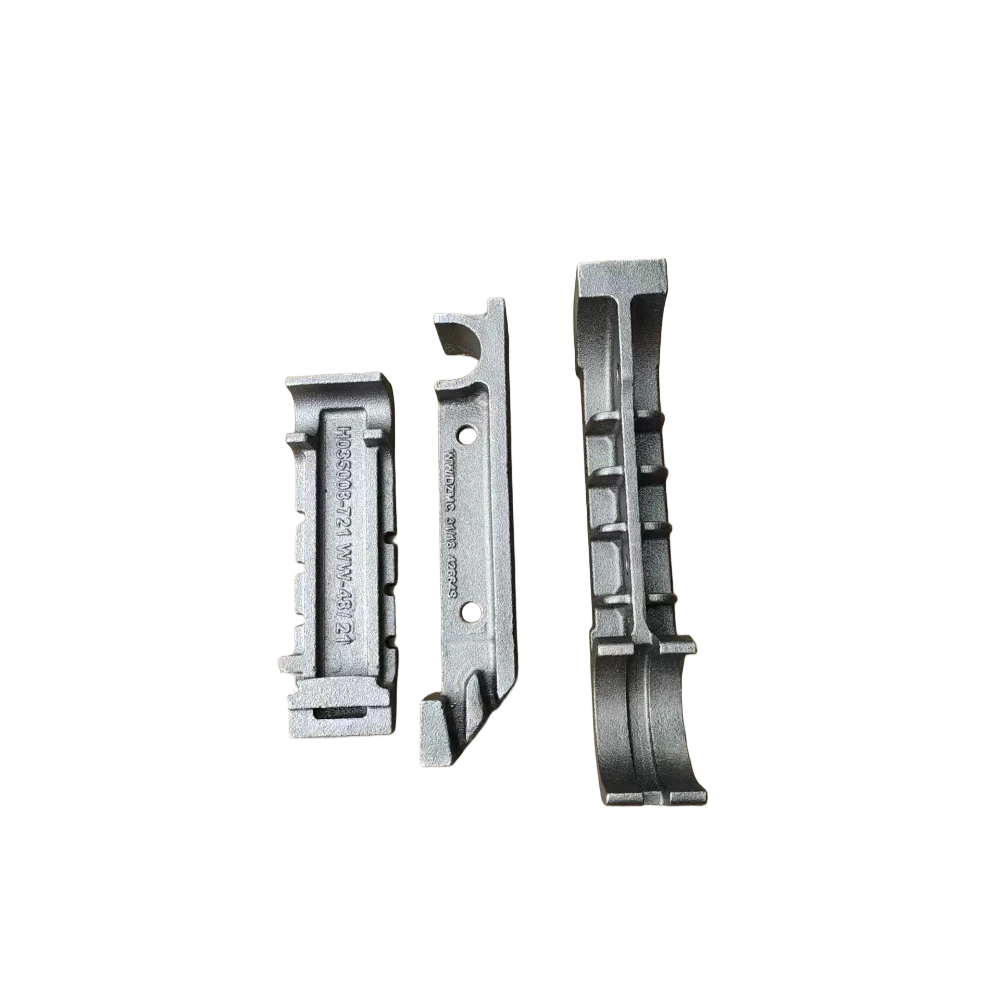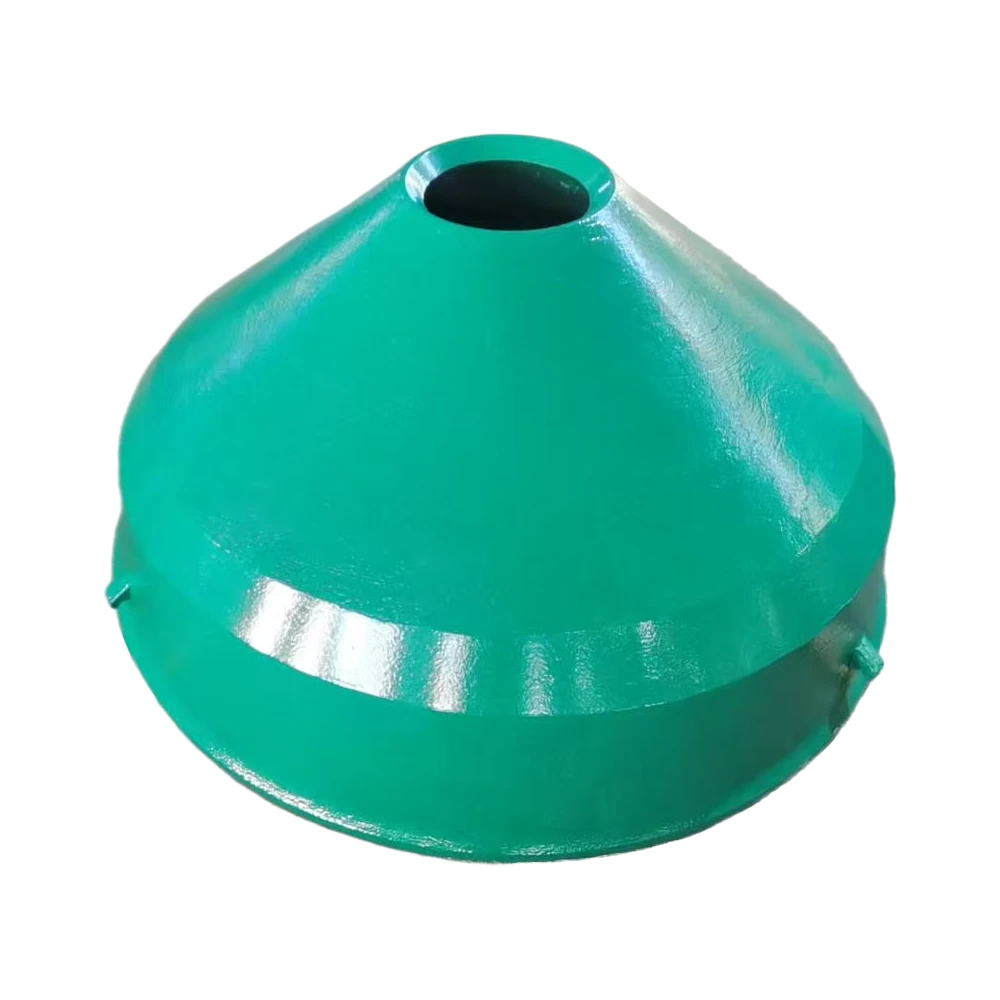
Affordable and Durable Cheap Heat Resistant Metal for Global Industries
Understanding Cheap Heat Resistant Metal: What It Is and Why It Matters
In industries ranging from manufacturing to disaster response, materials that can withstand high temperatures without breaking the bank are essential. That's where cheap heat resistant metal comes into play. This category of metal combines thermal endurance with affordability, allowing businesses and organizations worldwide to build safer, more durable products and structures. But beyond just cost and heat resistance, these metals often make global projects feasible—whether it's in remote construction, emergency shelters, or industrial machinery.
Today, a growing global emphasis on energy efficiency, industrial safety, and affordable infrastructure underlines the importance of such metals. They are quietly at the heart of innovations that, frankly, keep a lot of industries humming without the price skyrocketing.
Global Context: Why Cheap Heat Resistant Metal Is a Game Changer
According to the International Organization for Standardization (ISO), the demand for materials that can endure extreme conditions has surged by more than 20% over the last decade—driven especially by emerging economies. The World Bank reports that infrastructural investments in these markets often hinge on cost-effective solutions that don’t compromise durability.
Take the problem of energy-intensive industries, which are responsible for nearly 40% of global CO2 emissions (UNEP, 2023). Using innovative cheap heat resistant metals can reduce the need for frequent replacements or intensive maintenance, indirectly cutting emissions and enabling more sustainable industrial practices. So yeah, these metals address a practical problem: making heat-resilient structures and machines affordable without sacrificing quality.
Defining Cheap Heat Resistant Metal
At its core, cheap heat resistant metal refers to metallic materials designed to maintain structural integrity and performance under high temperatures, all while being economically accessible. Think of it as a compromise between cost, heat endurance, and mechanical strength. Unlike exotic alloys reserved for high-end aerospace applications, these metals are often utilized in everyday settings where heat, but not extreme, is a factor.
In modern industry, that means components like furnace linings, engine parts, or safety shields. But it also matters on the humanitarian front. For example, relief agencies rely on heat resistant metals when building emergency kitchens or mobile power units in disaster zones, where high heat and swift construction go hand in hand.
Key Characteristics of Cheap Heat Resistant Metal
1. Durability Under Thermal Stress
These metals maintain their mechanical properties—like tensile strength and hardness—when exposed to temperatures usually ranging from 500°C to 900°C. For many engineers, this means the material won’t warp, crack, or degrade quickly in high-heat environments, which is critical for safety and longevity.
2. Cost Efficiency
Affordability is non-negotiable when projects operate under tight budgets. Cheap heat resistant metals strike a balance by using widely available elements like iron, chromium, and sometimes small amounts of aluminum or silicon to boost heat resistance without expensive alloying agents.
3. Availability & Scalability
Since these metals avoid rare or costly components, they are typically more readily available at scale. That makes them ideal for mass production scenarios, whether supplying thousands of engine parts or prefabricated building elements.
4. Ease of Fabrication
Their composition often allows simpler manufacturing processes—casting, rolling, welding—that industries are familiar with. This reduces lead times and simplifies repairs on the ground, especially in remote locations.
5. Resistance to Oxidation and Corrosion
While not always stainless, many cheap heat resistant metals incorporate protective layers or coatings to defend against oxidizing environments at high temperatures. This improves durability further without huge cost hikes.
| Metal Type | Max Service Temp (°C) | Approx. Cost per Kg (USD) | Typical Applications |
|---|---|---|---|
| Cast Iron Alloy | 750 | 1.10 | Furnace parts, engine blocks |
| Mild Steel with Coating | 600 | 0.90 | Construction, kitchen equipment |
| Aluminum-Silicon Alloy | 550 | 1.50 | Automotive components, heat shields |
| Nickel-Iron Based Alloys (Low % Ni) | 850 | 2.30 | Power plants, industrial furnaces |
Real-World Applications: Where Cheap Heat Resistant Metals Make a Difference
You’d be surprised how broadly these metals crop up. For instance, in South Asia’s rapidly expanding manufacturing hubs, cheap heat resistant metals are integral to building energy-efficient boilers and heat exchangers. In the Middle East, where construction sites wrestle with both heat and budget concerns, these metals often go into insulation panels and protective gear.
Humanitarian organizations also lean on them heavily. In post-disaster relief operations, rapid deployment kitchens use heat resistant metals to safely manage cooking fires without endangering temporary homes. Meanwhile, in industrial zones isolated by geography—think remote African mining installations—these metals ensure machines keep running under harsh conditions.
Comparing Vendors: Quality Meets Affordability
| Vendor | Price (per Kg, USD) | Delivery Time | Quality Certifications | Key Markets |
|---|---|---|---|---|
| GlobalMet Supply | 1.05 | 2 Weeks | ISO 9001, ASTM | Asia, Africa |
| HeatSafe Metals | 1.20 | 3 Weeks | ISO 14001 | Europe, North America |
| EcoMetal Traders | 0.98 | 4 Weeks | ISO 50001 | Emerging Markets |
Advantages & Long-Term Value of Using Cheap Heat Resistant Metals
The benefits aren’t just about saving a buck. Sure, cost-effectiveness is king, but when you think long-term, the sustainability and reliability these metals deliver are equally compelling. Using cheap heat resistant metals in infrastructure projects means fewer replacements, less waste, and, by extension, a smaller carbon footprint.
From a social perspective, communities gain safer spaces—especially where heat sources or machinery are involved. It helps ensure dignity and safety for workers and end-users alike. And for investors? Trust in consistent material performance lowers risks and encourages innovation.
Looking Ahead: Future Innovations in Heat Resistant Metals
The horizon is promising. Research into nano-coating technologies is poised to revolutionize surface-level heat resistance without adding complexity or cost. Plus, efforts to blend recyclability with thermal resilience mean these metals could soon be part of more circular, eco-friendly manufacturing cycles.
Automation and digital quality control also play a role. Suppliers are starting to use AI-powered sensors to detect microscopic defects, ensuring only the best passes through. And with the industry's rising push for cheap heat resistant metal that's both green and accessible, these shifts are practically an inevitability.
Challenges and How Experts Are Addressing Them
Of course, no material is perfect. Sometimes, cheap heat resistant metals face challenges like reduced performance at ultra-high temps or susceptibility to corrosion in aggressive environments. But engineers, you know, they get creative.
Innovations like combining base metals with affordable ceramic coatings or designing modular replacements rather than monolithic parts make the most of their strengths. Plus, ongoing collaborations between research bodies are closing performance gaps fast.
FAQ: Quick Answers on Cheap Heat Resistant Metal
- Q1: What types of cheap heat resistant metals are best for industrial furnaces?
- Generally, cast iron alloys and low-nickel iron alloys are preferred due to their high temperature endurance (up to 850°C), balanced with cost. Adding protective coatings can further extend service life. Always check compatibility with your furnace environment.
- Q2: Can these metals be recycled easily after use?
- Yes, many heat resistant metals, especially iron-based, are recyclable through standard processes. This improves sustainability but may require careful sorting to avoid contamination from coatings or alloying elements.
- Q3: How does cheap heat resistant metal compare to expensive high-end alloys?
- While high-end alloys offer superior temperature thresholds and corrosion resistance, cheap heat resistant metals balance performance with affordability. They're suitable for most applications under 900°C where ultra-high performance isn't critical.
- Q4: Are these metals suitable for outdoor applications in humid climates?
- With proper coatings or treatments, they can perform well outdoors. Otherwise, exposure to humidity and oxygen may accelerate corrosion, so applying protective layers is recommended.
- Q5: Where can I find reliable suppliers for cheap heat resistant metal?
- Consider vendors like GlobalMet Supply or EcoMetal Traders who specialize in affordable and quality-certified products. For more on supplier options, check out cheap heat resistant metal resources.
Wrapping Up: Why Cheap Heat Resistant Metal Is Worth Your Attention
It’s easy to underestimate the mighty role cheap heat resistant metals play behind the scenes. They’re not just budget-friendly metals but enablers of safer industries, sustainable infrastructure, and innovative humanitarian solutions worldwide.
If your next project calls for reliable, affordable materials that stand the heat without burning a hole in your pocket, this is the area to explore. Curious for more? Visit our website: https://www.dzmccasting.com to discover products, data sheets, and expert advice.
Mini takeaway: Cheap heat resistant metals might sound like low-cost options, but their value stretches far beyond that — durability, accessibility, and adaptability make them a keystone for global industry and humanitarian work alike.
References
-
High Performance oem cast heat resistant steel for Industrial UseNewsApr.16,2026
-
Guide to Selecting High Quality Cast Heat Resistant Steel AlloysNewsApr.09,2026
-
Custom Cast Heat Resistant Steel Solutions for High Temperature ApplicationsNewsApr.07,2026
-
Comprehensive Guide to Wholesale Cast Heat Resistant Steel for Industrial ApplicationsNewsApr.04,2026
-
Comprehensive Guide to High Performance Heat Resistant Metal Product SolutionsNewsMar.31,2026
-
Expert Guidance on Heat Resistant Metal Quotes and Alloy SelectionNewsMar.28,2026