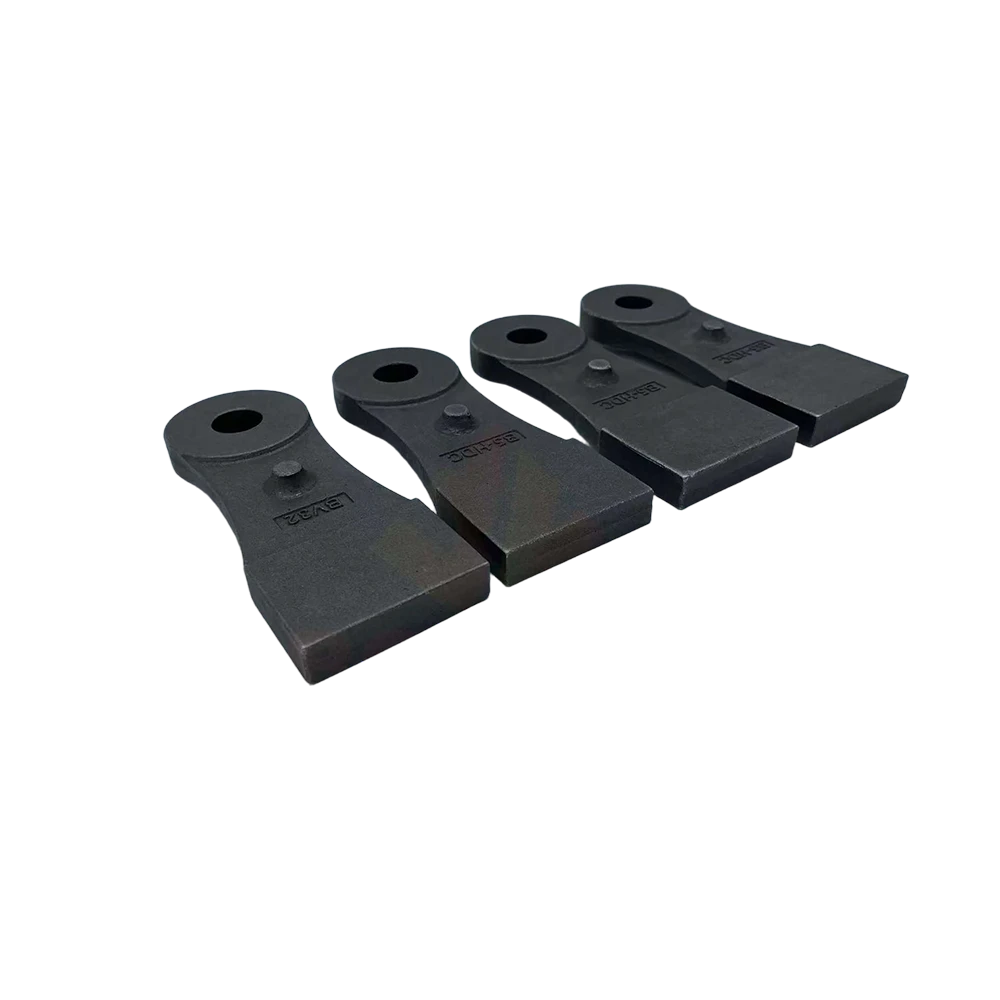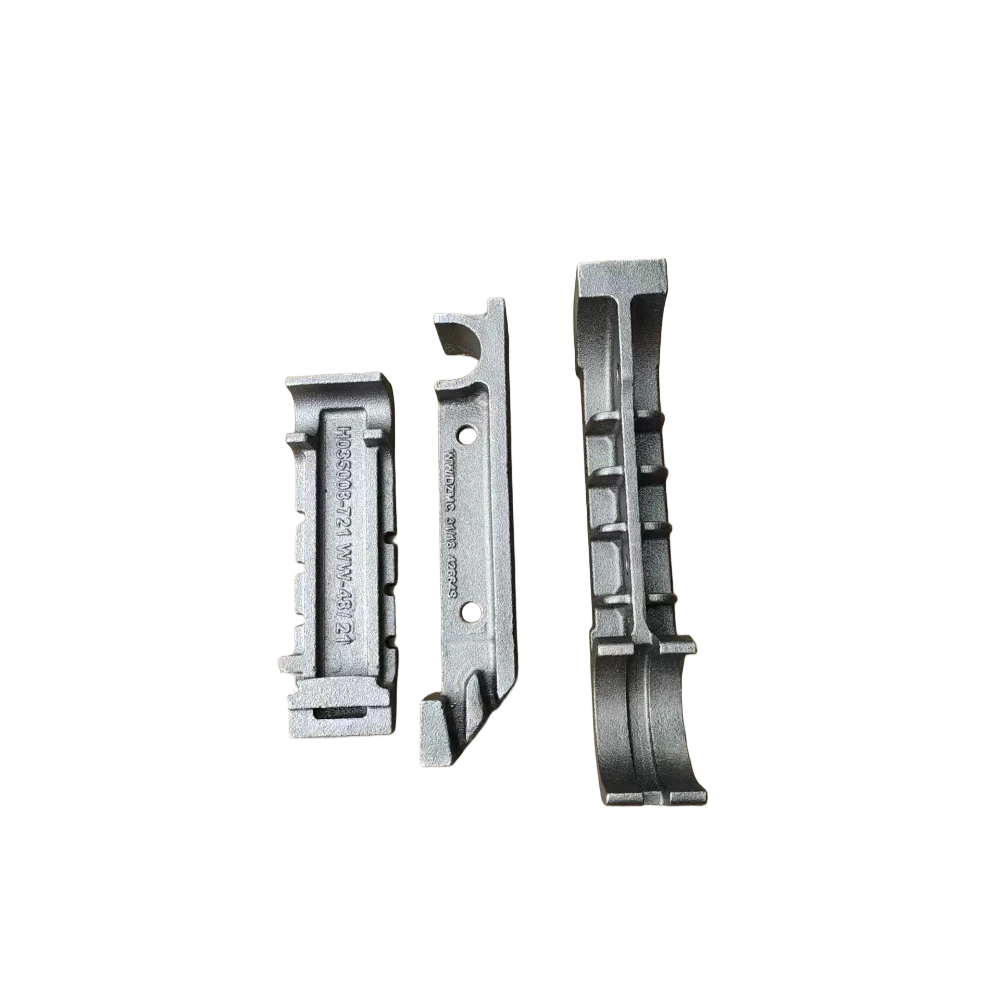
Buy Heat Resistant Steel - Durable High-Temperature Steel Solutions for Industry
Why You Should Seriously Consider Buying Heat Resistant Steel Today
Globally, industries face relentless challenges with materials exposed to extreme temperatures—from aerospace components soaring through the atmosphere to sprawling chemical plants humming with heat. That’s where heat resistant steel enters the scene, silently carrying the burden of high temperatures without losing strength or integrity. Understanding why and when to buy heat resistant steel isn’t just a technical detail; it’s a smart business move that impacts safety, sustainability, and operational efficiency.
Setting The Stage: The Global Need for Heat Resilient Materials
According to the International Organization for Standardization (ISO), industries worldwide are under increasing pressure to improve material durability in demanding environments. The World Steel Association reports that steel production alone topped 1.8 billion metric tons in 2023, with heat resilient grades gaining significant market share. Whether it’s power generation, automotive manufacturing in Asia, or infrastructure projects in Europe, heat resistant steel is a quiet enabler.
Oddly enough, one of the biggest challenges is not the availability of steel, but finding the right grade that withstands heat yet remains cost-effective. This is especially true for industries battling corrosion and thermal fatigue. I’ve seen engineers wrestle with this balance — especially in regions facing increasingly volatile weather, where steel isn’t just a material but a partner in resilience.
What Does it Mean to Buy Heat Resistant Steel?
In plain terms, buy heat resistant steel means sourcing types of steel alloys formulated to maintain mechanical properties at elevated temperatures—think consistently strong and stable, even when the mercury climbs above 600°C (roughly 1100°F). These steels often contain elements like chromium, molybdenum, and nickel, which enhance their ability to resist oxidation and thermal stress.
This isn’t just niche stuff for rocket ships or nuclear reactors; it touches everyday infrastructure and helps humanitarian efforts too. For instance, modular housing units, designed for emergency disaster relief, rely on steel that won’t warp or weaken in the heat of unpredictable climates. Understanding what you’re buying — and why — could literally mean safer buildings and longer-lasting equipment.
Core Components That Make Heat Resistant Steel Shine
1. Durability Under High Temperatures
The prime focus is that it won’t soften or deform under heat. You need steel that endures thermal cycling and prolonged exposure without losing strength. Many engineers say it’s the difference between a reliable furnace wall and costly downtime.
2. Oxidation and Corrosion Resistance
Chromium-rich steel grades form a protective oxide layer, which wards off rust and surface degradation—even in harsh industrial atmospheres where oxidizing gases are rampant.
3. Structural Reliability
Maintaining toughness and resisting cracking can’t be an afterthought. The steel must resist thermal fatigue and mechanical stress simultaneously.
4. Cost Efficiency
Heat resistant steel isn’t always cheap, but investing in quality means fewer replacements and less maintenance—an asset in long-term projects.
5. Scalability and Availability
This kind of steel must be readily available in diverse forms—sheets, plates, bars—so businesses can use it immediately without production delays.
Using Heat Resistant Steel Around the World
From the blazing deserts of the Middle East to factories in Germany, heat resistant steel is everywhere, but you might not notice it. For example:
- Industrial ovens and furnaces in North America rely on it to maintain consistent production conditions.
- Oil refineries and chemical plants in the Gulf Cooperation Council (GCC) region use heat resistant steel to prevent equipment failure in corrosive, hot environments.
- Disaster relief shelters deployed in tropical climates use this steel to resist warping and rust caused by heat and humidity.
- Automotive and aerospace sectors in Asia demand it for exhaust systems and engine components.
In summary, you’ll find this material anywhere there’s a need to combat intense heat without sacrificing safety or performance.
Product Specification Table of Common Heat Resistant Steel Grades
| Grade | Max Service Temp (°C) | Key Alloy Elements | Typical Use |
|---|---|---|---|
| 304 Stainless Steel | 870 | 18% Cr, 8% Ni | General heat resistant applications |
| 309 Stainless Steel | 1150 | 23% Cr, 13% Ni | High temp furnaces, heat exchangers |
| 310 Stainless Steel | 1150 | 25% Cr, 20% Ni | Boilers, heat treatment equipment |
| Alloy 620 | 982 | Ni, Cr, Mo | Heat exchangers, chemical processing |
The Long-Term Value of Investing in Heat Resistant Steel
What really makes buying heat resistant steel worthwhile—and not just an expense—is its blend of longevity and reliability. Choosing the right steel can reduce maintenance cycles dramatically. Think fewer breakdowns and less unscheduled downtime, which frankly, any plant manager will tell you, saves money and stress down the line.
There’s also a sustainability angle. Longer-lasting materials mean less scrap and less frequent replacements, contributing to circular economy goals. This could even boost your corporate social responsibility profile, which counts for something these days.
Plus, safety. Using the correct heat resistant steel keeps workers, communities, and infrastructures protected from heat-related failures or accidents. That’s trust earned—not something you can shortcut.
Comparing Top Vendors for Heat Resistant Steel
| Vendor | Strength (MPa) | Max Temp (°C) | Typical Delivery Forms | Lead Time |
|---|---|---|---|---|
| DZM Casting | 500 - 700 | 1100 | Sheets, Bars, Custom | 2-4 weeks |
| Global Steel Co. | 480 - 680 | 1050 | Plates, Pipes | 3-5 weeks |
| ThermoMetals Ltd. | 510 - 690 | 1150 | Custom Bars, Forgings | 4-6 weeks |
What Makes Buying Heat Resistant Steel Worth It? Advantages & Emotional Factors
When you plan to buy heat resistant steel, you’re not simply purchasing raw metal — you’re investing in peace of mind. The logic is clear: reduced long-term costs, improved safety margins, and compliance with strict industrial regulations. Emotionally, it’s about trust — knowing your materials won’t fail when the heat is on.
Environmental sustainability also speaks to the future-proofing mindset many companies strive for. Steel that performs well in high temps saves energy and reduces waste, aligning with global environmental commitments.
The Future: Trends and Innovations in Heat Resistant Steel
Emerging research is shaping what's next. The use of nano-scale alloying and additive manufacturing promises steels that not only resist higher temps but also self-heal microcracks. Imagine steel that notices its own stress and adapts!
Moreover, digital monitoring integrated with steel products allows real-time health checks, offering predictive maintenance that stops failures before they happen. This kind of innovation could revolutionize how industries think about buying heat resistant steel.
And don’t forget the push towards greener steel production methods — lower emissions, renewable energy use, and recycling are quietly remaking the supply chains.
Challenges in Sourcing and Maintaining Heat Resistant Steel
True, heat resistant steel isn’t a magic bullet. Lead times can be long, customization tricky. Plus, improper installation or welding can degrade properties quickly. But many vendors, including buy heat resistant steel specialists, now provide expert guidance and tailored service to reduce these risks.
Some companies are experimenting with hybrid materials and coatings to extend steel life further, pushing back against the typical wear and tear.
FAQ: Your Questions About Buying Heat Resistant Steel, Answered
- What makes heat resistant steel different from regular steel?
- Heat resistant steel contains alloying elements like chromium and nickel that enable it to withstand temperatures over 800°C without losing strength, unlike regular steel that might warp or corrode.
- How do I know which grade to buy for my application?
- It depends on your operating temperature, environmental factors (like corrosion), and mechanical stresses. Consulting with vendors or engineers helps to match the right steel grade.
- Is heat resistant steel recyclable and sustainable?
- Absolutely. Steel is one of the most recycled materials globally, and heat resistant grades can be melted down and reused without losing quality.
- Can I order custom shapes or sizes?
- Many suppliers, including reputable ones, offer custom fabrication—plates, bars, or sheets shaped to exact specs.
Wrapping it Up: Why Buying Heat Resistant Steel Pays Off
In real-world terms, savvy purchasing of heat resistant steel means fewer headaches, safer structures, and a greener footprint. So if you’re wondering when to buy heat resistant steel, the answer is — probably sooner than you think. Visit our website at https://www.dzmccasting.com for up-to-date options and expert advice.
1. ISO 4957: Stainless steels — Chemical composition
2. World Steel Association, 2023 Statistics
3. Wikipedia contributors, "Heat resistant steel," Wikipedia, The Free Encyclopedia
-
High Performance oem cast heat resistant steel for Industrial UseNewsApr.16,2026
-
Guide to Selecting High Quality Cast Heat Resistant Steel AlloysNewsApr.09,2026
-
Custom Cast Heat Resistant Steel Solutions for High Temperature ApplicationsNewsApr.07,2026
-
Comprehensive Guide to Wholesale Cast Heat Resistant Steel for Industrial ApplicationsNewsApr.04,2026
-
Comprehensive Guide to High Performance Heat Resistant Metal Product SolutionsNewsMar.31,2026
-
Expert Guidance on Heat Resistant Metal Quotes and Alloy SelectionNewsMar.28,2026