Cast Heat Resistant Steel Exporter – Global Industrial Supplier Insights & Trends
Understanding the Role of a Cast Heat Resistant Steel Exporter
When you hear "cast heat resistant steel exporter," at first it might sound like a mouthful of industrial jargon. But this phrase actually points us to a crucial facet of today’s global manufacturing and construction sectors. Simply put, these exporters supply special steel alloys designed to endure extreme temperatures—a need that’s anything but niche. From petrochemical plants burning at hundreds of degrees Celsius to high-performance automotive engines and aerospace components, heat resistant steel keeps vital systems running safely. Globally, this market is pivotal: according to the International Organization for Standardization (ISO), standards for heat resistant materials are integral to ensuring reliability across borders. Understanding this industry not only boosts business knowledge but underscores a key safeguard behind everyday technologies and infrastructure.
Global Context: Why the Spotlight on Cast Heat Resistant Steel Exporters?
Frankly, the demand for cast heat resistant steel has been climbing steadily. The World Bank links infrastructure growth and industrial output directly to materials capable of handling harsh environments. But the challenge is real: simply put, not all steel is built to last under high heat, and failures here can cost billions or even endanger lives. Enter the exporter—those who specialize in sourcing, testing, and shipping heat-resistant steel castings worldwide. They are, in a sense, the unsung heroes facilitating industrial resilience, especially as regions in Asia, Europe, and North America expand their energy production and heavy manufacturing.
What Exactly Is a Cast Heat Resistant Steel Exporter?
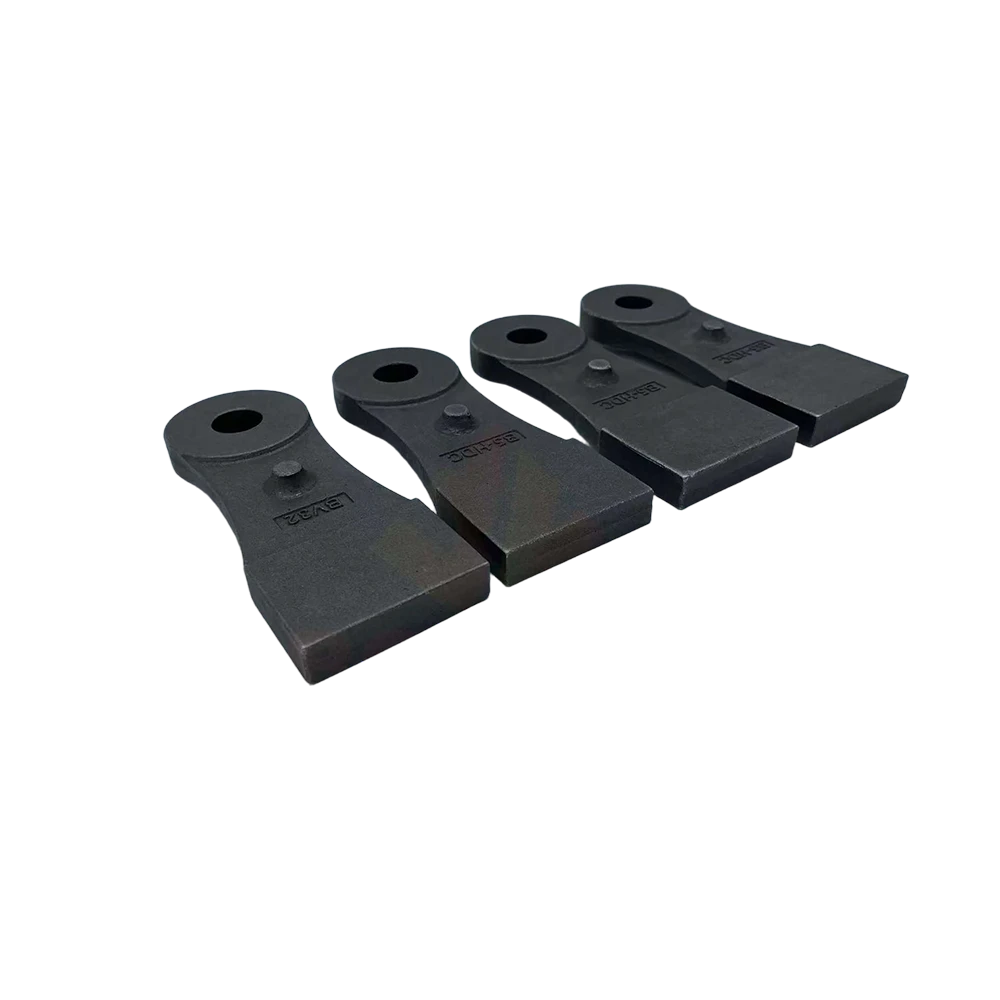
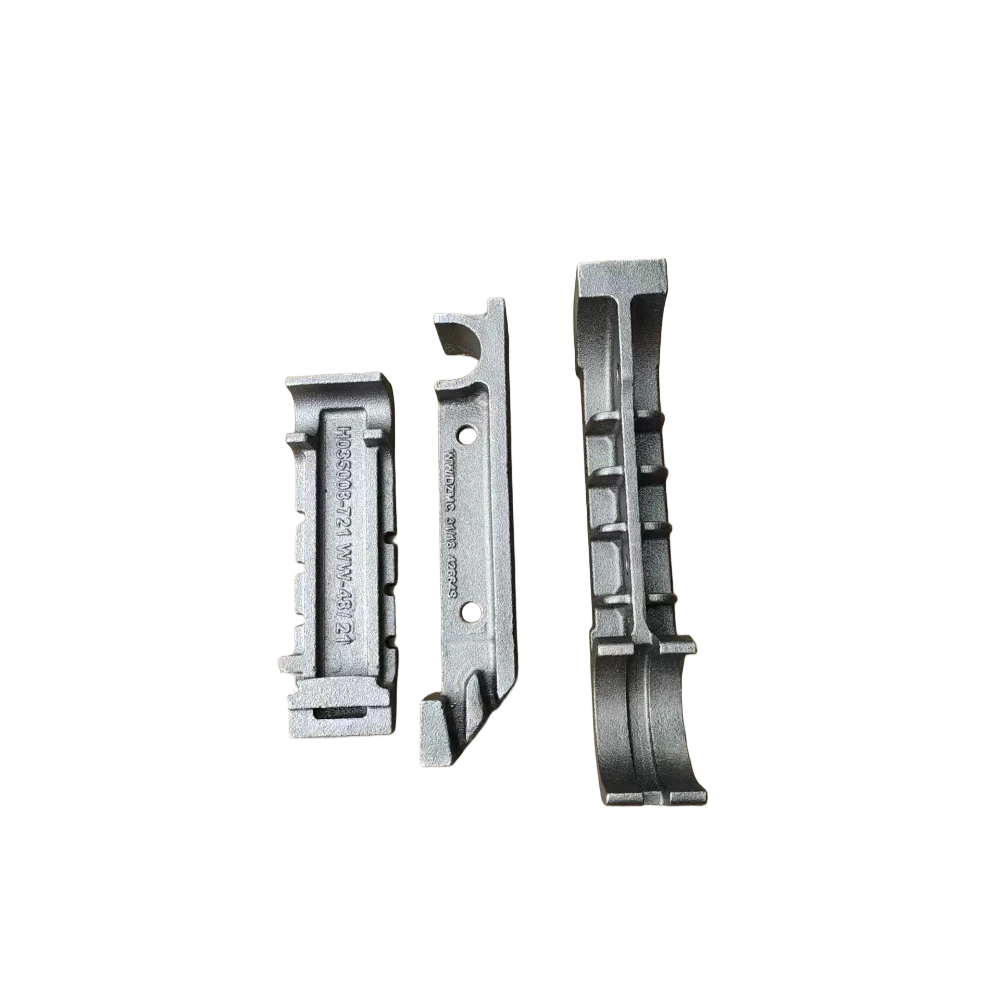
So, what does being a cast heat resistant steel exporter actually imply? The term refers to companies or entities that manufacture or source heat resistant steel in cast form—meaning molten steel is poured into molds and hardened into complex shapes—and then sell and ship these castings internationally. This steel variety is alloyed and treated for exceptional strength and oxidation resistance when exposed to extreme heat, often exceeding 600°C (1112°F). In modern industry, these exporters link metallurgical expertise with supply chain know-how to keep everything from boilers to turbine engines operational.
There is also an interesting humanitarian angle: emergency infrastructure often depends on such durable steel components, particularly where rapid deployment and reliability under stress are needed.
Key Factors in Cast Heat Resistant Steel
Durability & Thermal Stability
Durability isn’t just buzz—it's fundamental. These steels maintain mechanical strength and resist deformation, oxidation, and corrosion at high temperatures. This is a huge deal in industries like power generation or chemical processing, where materials face constant thermal cycling.
Scalability & Customization
Exporters often offer custom casting sizes and alloy compositions tailored to client needs. This flexibility supports diverse industries, from aerospace components requiring intricate parts to heavy industrial valves that need robustness.
Cost Efficiency
While heat resistant steels can be pricier upfront, their longevity cuts replacement downtime and maintenance costs. Exporters wield economies of scale and regional sourcing to balance price and quality.
Quality & Compliance
Trustworthy exporters ensure strict adherence to standards such as ASTM, ISO, and EN. These certifications guarantee the product's properties, matching client expectations worldwide.
Product Specification Table: Typical Cast Heat Resistant Steel
| Property | Value | Unit |
|---|---|---|
| Maximum Operating Temp | 900 | °C |
| Tensile Strength | 750 | MPa |
| Elongation at Break | 15 | % |
| Oxidation Resistance | Excellent | — |
| Typical Alloy Elements | Cr, Ni, Mo | — |
Where Does Cast Heat Resistant Steel Make Its Mark Globally?
Industries across continents rely on these steel castings:
- Energy sectors in the Middle East and North America use heat resistant steel for refineries and combined cycle turbines.
- Manufacturing hubs in East Asia incorporate these materials in automotive exhaust systems and industrial furnaces.
- European chemical plants demand the quality to withstand corrosion under heat.
- Infrastructure projects in Africa often import via trusted cast heat resistant steel exporters to build durable pipelines.
Oddly enough, in disaster-prone regions too, robust materials sourced globally via exporters reinforce emergency response units' equipment. One example: in 2021, critical pipeline repairs in Southeast Asia deployed castings that resisted thermal shock and corrosive substances, enabling speedy restoration.
Vendor Comparison: Cast Heat Resistant Steel Exporters
| Vendor | Origin | Range of Alloys | Certifications | Delivery Time |
|---|---|---|---|---|
| DZMC Casting | China | Wide (Cr, Ni, Mo, etc.) | ISO9001, ASTM | 3-5 Weeks |
| Global Steel Inc. | USA | Moderate (Ni, Mo) | ASTM, API | 4-6 Weeks |
| EuroMetals | Germany | Specialized Stainless | EN, ISO9001 | 5-7 Weeks |
Advantages & Long-Term Value of Reliable Cast Heat Resistant Steel Exporters
It’s not just a matter of raw specs. Long-term, the advantages of sourcing through an expert exporter include:
- Cost savings: reduced downtime and maintenance thanks to durable materials.
- Sustainability: modern alloys reduce waste by lasting longer and performing efficiently.
- Social impact: industries can maintain safety standards protecting workers.
- Innovation: access to new alloys and custom options drives technological progress.
Personally, what strikes me is the peace of mind this brings. When a plant operator trusts their steel is up to snuff, it frees them to focus on growth and innovation rather than firefighting failures.
Looking Ahead: The Future of Cast Heat Resistant Steel Exporting
Trends matter. Green energy systems and automated manufacturing are reshaping what's required of heat resistant steels. New compositions infused with rare earth elements promise lighter, stronger, and more eco-friendly properties. Digital platforms are simplifying global orders, and AI-driven testing helps spot defects earlier. Exporters are evolving to handle these changes, aiming toward zero-waste supply chains and higher transparency.
Challenges & How Experts Overcome Them
Of course, no perfect story here. Challenges include fluctuating raw material costs, logistics delays, and maintaining consistent quality across borders. Expert exporters mitigate this by forging strong partnerships with foundries, investing in quality certifications, and expanding warehousing closer to clients. Flexible production schedules help tackle unpredictability, which frankly, is part of international trade after all.
FAQ: Common Questions About Cast Heat Resistant Steel Exporters
Q1: How do I verify the quality of heat resistant steel castings from an exporter?
Always ask for certification documents like ISO9001 or ASTM reports. Request samples if possible. Reputable exporters provide material test certificates and cross-reference standards used. Independent third-party inspections can add extra assurance.
Q2: What are typical lead times when ordering these steels internationally?
Lead times depend on alloy complexity and order size but expect around 3-7 weeks for production plus shipping. Some exporters maintain stock inventory reducing delays—worth inquiring about ahead of time.
Q3: Can cast heat resistant steel be recycled or reused?
Yes, due to their alloyed composition, these steels are recyclable, helping reduce environmental impact. Re-melting and recasting are common practices, aligned with circular economy principles promoted by ISO standards.
Q4: How can international buyers ensure hassle-free importation?
Partnering with exporters who understand customs regulations and offer trade documentation support smooth transactions. Some firms provide turnkey logistics services including shipping, insurance, and customs clearance.
Conclusion
In real terms, cast heat resistant steel exporters play an indispensable role by connecting advanced metallurgy to world markets. Their expertise keeps machinery safe, processes efficient, and infrastructure resilient. For businesses looking to invest in durable, high-quality materials, understanding this supply chain segment is smart strategy. Curious to explore specific offerings and request quotes? Visit our website: cast heat resistant steel exporter.
Mini takeaway: Choosing the right cast heat resistant steel exporter means investing in reliability, innovation, and peace of mind.
References
-
High Performance oem cast heat resistant steel for Industrial UseNewsApr.16,2026
-
Guide to Selecting High Quality Cast Heat Resistant Steel AlloysNewsApr.09,2026
-
Custom Cast Heat Resistant Steel Solutions for High Temperature ApplicationsNewsApr.07,2026
-
Comprehensive Guide to Wholesale Cast Heat Resistant Steel for Industrial ApplicationsNewsApr.04,2026
-
Comprehensive Guide to High Performance Heat Resistant Metal Product SolutionsNewsMar.31,2026
-
Expert Guidance on Heat Resistant Metal Quotes and Alloy SelectionNewsMar.28,2026