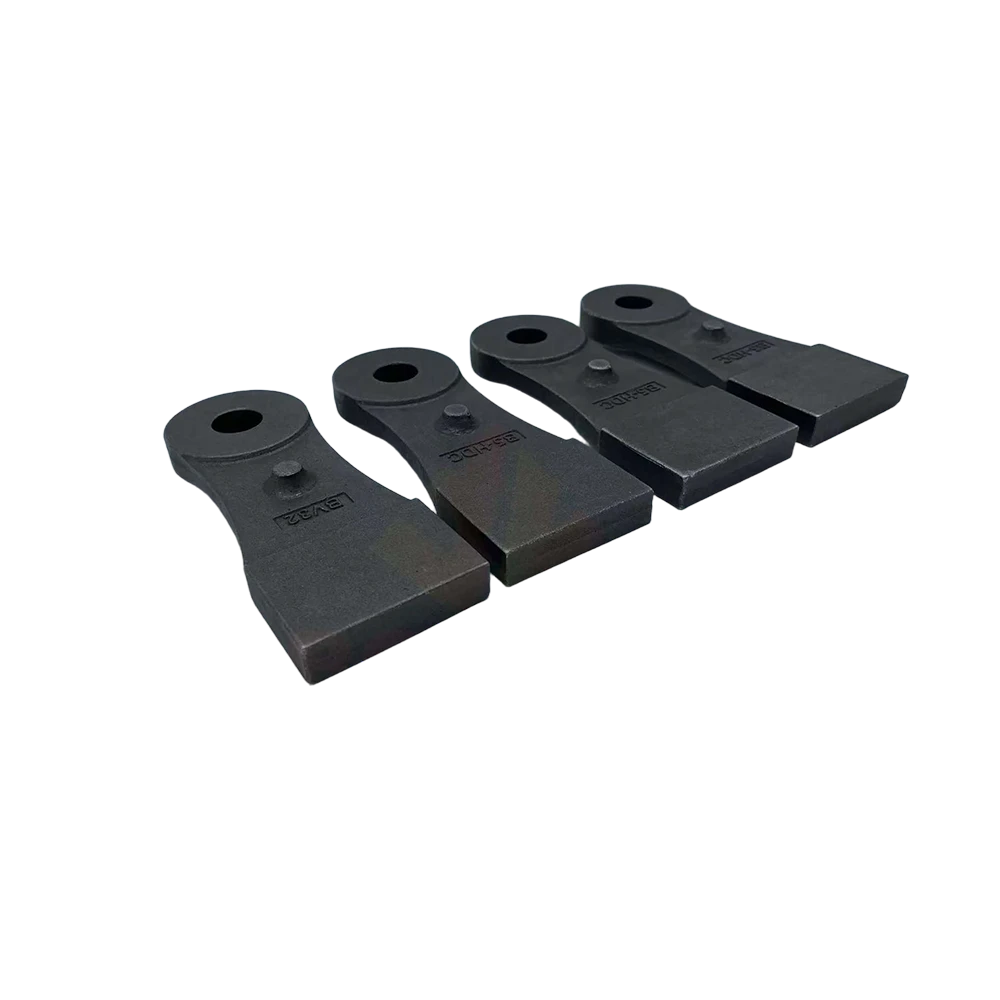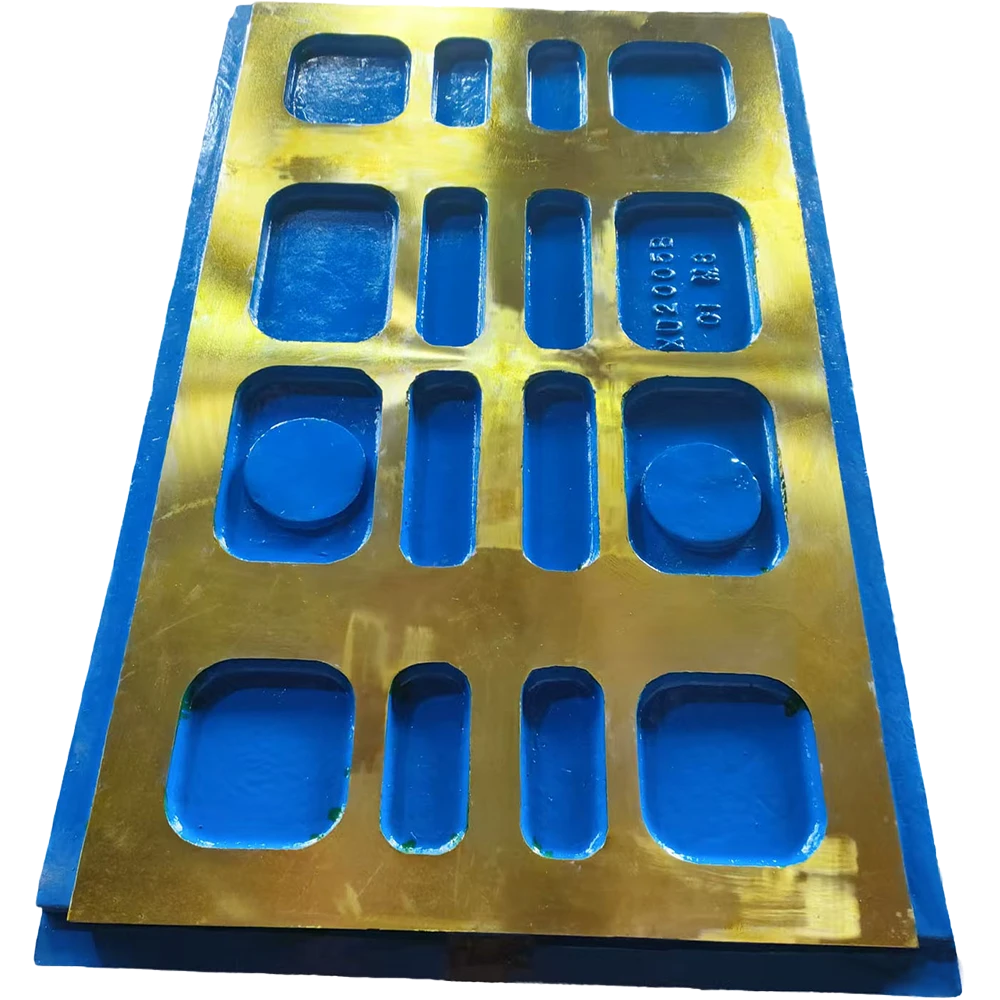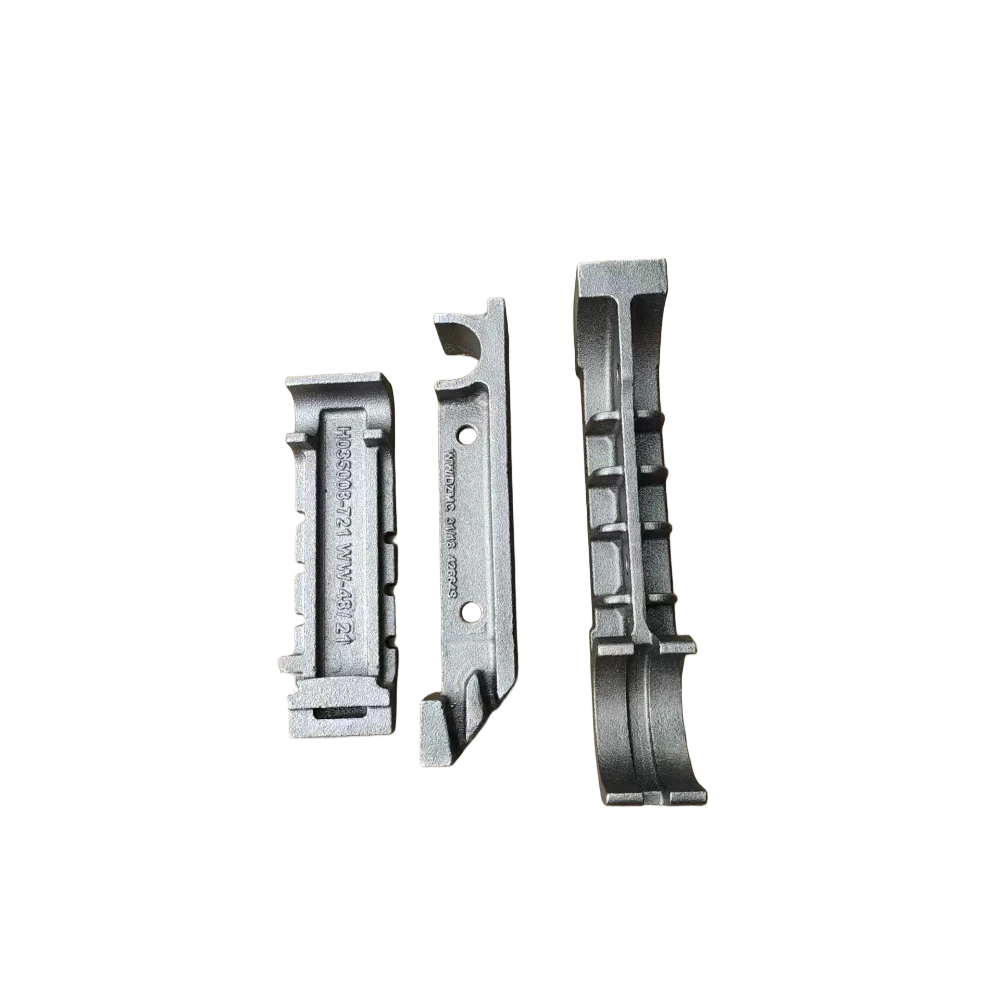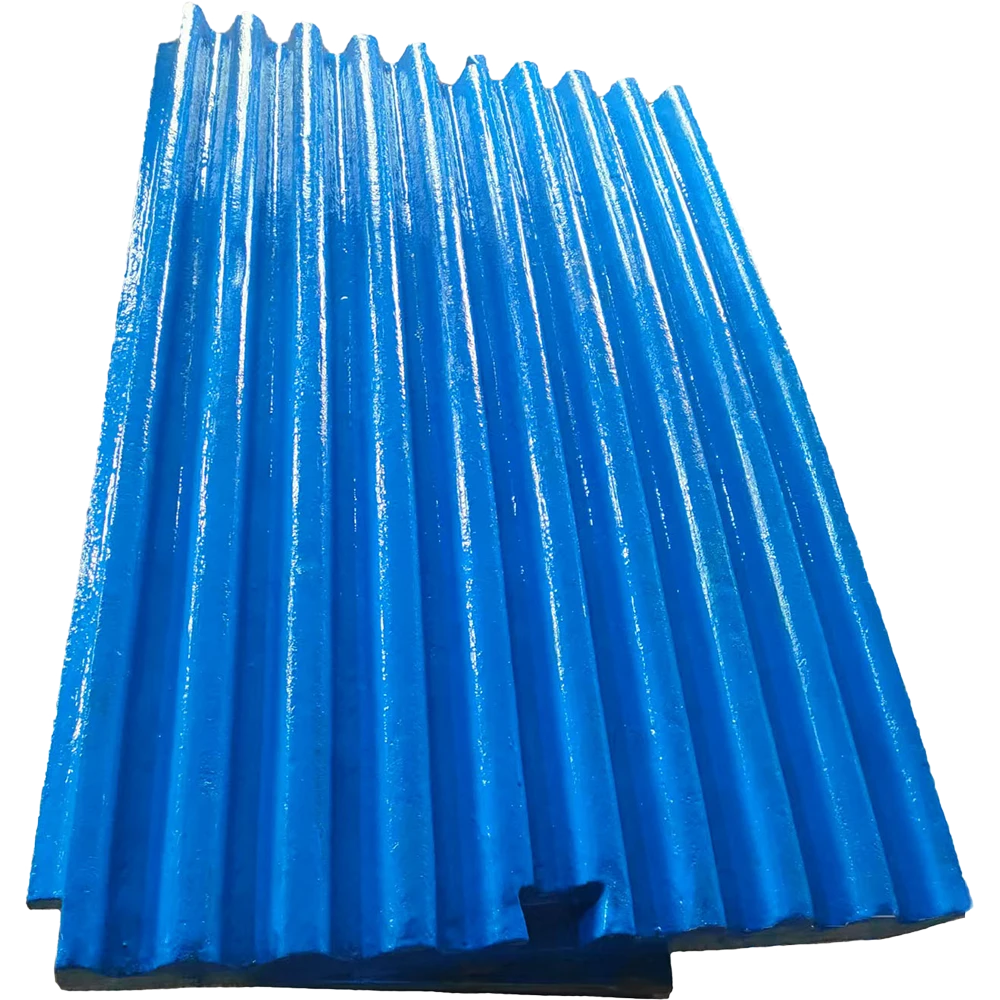
Cast Heat Resistant Steel Supplier – Durable & High-Quality Steel Solutions
Understanding the Role of a Cast Heat Resistant Steel Supplier
Cast heat resistant steel might sound like industrial jargon, but it’s honestly a cornerstone of modern manufacturing, energy production, and safety-critical applications worldwide. Think about it: from power plants to aerospace, industries need materials that withstand extreme temperatures without warping or failure. That’s precisely where a cast heat resistant steel supplier comes in—providing materials that keep vital infrastructure running smoothly and safely.
On a global scale, steel’s demand keeps growing. According to the World Steel Association, global crude steel production surpassed 1.8 billion tonnes in 2023—a staggering figure reflecting steel’s ubiquity. This demand perfectly illustrates why working with a reliable cast heat resistant steel supplier matters: it’s not just about metal, but about the longevity and safety of whole industries. Challenges such as rising temperatures, emissions regulations, and industrial efficiency call for steels that can handle severe thermal stress.
What Is a Cast Heat Resistant Steel Supplier?
Put simply, a cast heat resistant steel supplier provides specially formulated steel alloys designed to maintain their strength and structure at elevated temperatures—often exceeding 600°C (1100°F). These steels are cast (melted and shaped) rather than forged or rolled, meaning they can form complex shapes needed for industrial parts.
These suppliers don’t just sell metal; they deliver tailored solutions critical for industries like power generation, petrochemicals, aerospace, and manufacturing. Due to their ability to resist oxidation and mechanical wear at high heat, these steels ensure operational reliability and safety—qualities that obviously transcend mere convenience.
Key Factors That Define Cast Heat Resistant Steel
1. Durability Under Heat Stress
The mainstay property: retaining mechanical strength despite continuous exposure to extreme heat. This durability reduces downtime and maintenance for industrial plants.
2. Corrosion and Oxidation Resistance
Heat often accelerates corrosion. High-quality cast heat resistant steels incorporate alloy elements like chromium and nickel to create a protective oxide layer, preventing rust and chemical degradation.
3. Thermal Stability and Creep Resistance
Beyond simple heat resistance, these steels resist "creep"—a slow deformation under stress at elevated temperatures. This characteristic is crucial for components like turbine blades that operate constantly under heavy heat and load.
4. Cost Efficiency and Scalability
Oddly enough, some cast heat resistant steels are engineered to balance performance with cost. A savvy supplier offers scalable solutions to fit small-scale manufacturing as well as large industrial projects, often minimizing waste through precision casting methods.
5. Custom Alloy Compositions
Top suppliers customize alloys to exact client specifications, meeting unique temperature profiles or mechanical requirements. This flexibility often makes a big difference in mission-critical applications.
Product Specification Snapshot
| Specification | Typical Value |
|---|---|
| Max Service Temperature | 850°C (1562°F) |
| Chromium Content | 17-22% |
| Nickel Content | 8-12% |
| Density | 7.9 g/cm³ |
| Creep Strength (800°C) | 50 MPa (approx) |
Global Applications & Use Cases
Globally, cast heat resistant steel finds applications in:
- Power Generation: Boilers, turbine casings, and superheater tubes in thermal and nuclear plants.
- Petrochemical Industry: Reactor vessels and heat exchangers endure corrosive chemicals and heat daily.
- Aerospace: Engine components exposed to intense heat flux rely on these steels for safety.
- Automotive and Rail: Exhaust components and turbochargers need thermal resistance for long lifespans.
In practice, regions like Europe, North America, and East Asia lead production and consumption, supported by firms requiring continuous high performance under harsh conditions. Cast heat resistant steel supplier partnerships here ensure cutting-edge innovation with rigorous quality controls.
Advantages & Long-Term Value
Choosing the right cast heat resistant steel supplier offers:
- Cost Savings: Longer life reduces replacement frequency, lowering total cost of ownership.
- Sustainability: Durable materials mean less scrap and lower environmental impact—especially when alloy elements are responsibly sourced.
- Reliability: High thermal performance minimizes unexpected downtime, critical for safety and customer trust.
- Innovation: Flexible alloy solutions enable adaptation to new energy systems or industrial needs.
Vendor Comparison: Leading Cast Heat Resistant Steel Suppliers
| Manufacturer | Temperature Range | Customization Options | Delivery Lead Time | Quality Certifications |
|---|---|---|---|---|
| DZMCCasting | Up to 900°C | Alloy tailoring & complex casting | 4-6 weeks | ISO 9001, ASTM compliant |
| SteelMax Inc. | Up to 850°C | Standard alloys only | 3-5 weeks | ISO 14001 |
| ThermoSteel Ltd. | Up to 800°C | Custom and batch casting | 5-7 weeks | ASME certified |
Future Trends & Innovations
Looking ahead, the field of cast heat resistant steel is ripe with innovation tied closely to environmental and digital trends:
- Green Energy Materials: As renewable energy expands, steels resistant to higher temperature cycles in solar thermal plants or hydrogen reactors become crucial.
- Digital Casting Technologies: AI-driven alloy design and 3D-printed molds are reducing lead times and metal waste.
- Recycling and Sustainability: Strategies to recycle scrap efficiently while maintaining alloy properties are being developed, responding to global sustainability goals.
Challenges & Solutions in the Industry
Despite advances, some challenges persist. Cost remains high for complex alloys, and lead times can stretch due to specialized manufacturing processes. Very high-temperature environments (above 900°C) still push material limits, requiring constant innovation.
However, many suppliers, including cast heat resistant steel supplier companies, mitigate these by:
- Investing in R&D for new alloys and casting techniques.
- Partnering closely with clients to forecast demand and optimize production runs.
- Implementing rigorous quality testing to ensure reliability upfront, reducing downstream failures.
FAQ: Frequently Asked Questions About Cast Heat Resistant Steel Supplier
Q1: What industries benefit most from cast heat resistant steel?
A: Primarily power generation, petrochemical, aerospace, and automotive sectors where components face constant high temperatures. Steel’s ability to withstand thermal and mechanical stress ensures longevity and safety in these fields.
Q2: How can I verify the quality of a cast heat resistant steel supplier?
A: Look for industry certifications like ISO 9001, ASTM compliance, or ASME certification. Request material test reports and inquire about heat treatment processes to ensure standards are met.
Q3: Are custom alloy compositions expensive?
A: Customization often raises initial costs but provides better performance and longer lifespan, ultimately lowering total ownership cost. Many suppliers offer scalable options to balance budget and performance.
Q4: How long is the typical delivery lead time?
A: Usually anywhere from 3 to 7 weeks depending on complexity and order size. Planning ahead with your supplier can help optimize lead times.
Q5: Can these steels be recycled?
A: Absolutely. Heat resistant steels can be recycled, but care must be taken to maintain alloy integrity—which reputable suppliers facilitate through proper sorting and processing.
Conclusion: Secure Your Supply with a Trusted Cast Heat Resistant Steel Supplier
In real terms, the commitment to sourcing high-quality cast heat resistant steel pays dividends in safety, durability, and efficiency. Whether you operate in heavy industry, aerospace, or emerging green technologies, a reliable supplier is your partner for innovation and sustainability.
Wondering where to start? Visit https://www.dzmccasting.com today to explore tailored solutions and join countless industries that trust proven, specialized cast heat resistant steel.
Mini Takeaways:
- The durability and heat resistance of cast steel are critical for harsh industrial conditions.
- Customization and certifications are key when choosing a supplier.
- Emerging technologies promise smarter, greener, and faster production in this niche.
Reflecting on the evolving nature of industry needs reminds me just how intertwined material science and everyday safety really are. A small alloy tweak today could mean fewer breakdowns tomorrow, and frankly, that’s something worth investing in.
References:
-
High Performance oem cast heat resistant steel for Industrial UseNewsApr.16,2026
-
Guide to Selecting High Quality Cast Heat Resistant Steel AlloysNewsApr.09,2026
-
Custom Cast Heat Resistant Steel Solutions for High Temperature ApplicationsNewsApr.07,2026
-
Comprehensive Guide to Wholesale Cast Heat Resistant Steel for Industrial ApplicationsNewsApr.04,2026
-
Comprehensive Guide to High Performance Heat Resistant Metal Product SolutionsNewsMar.31,2026
-
Expert Guidance on Heat Resistant Metal Quotes and Alloy SelectionNewsMar.28,2026