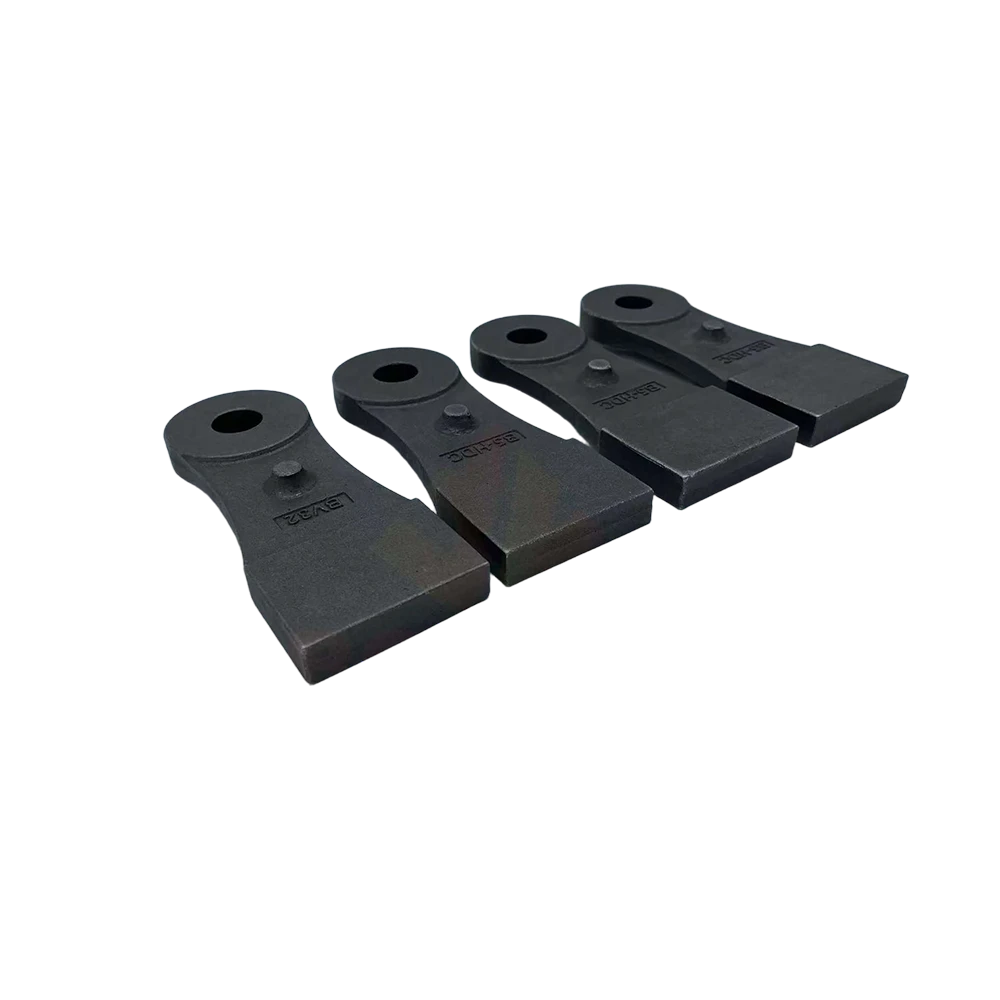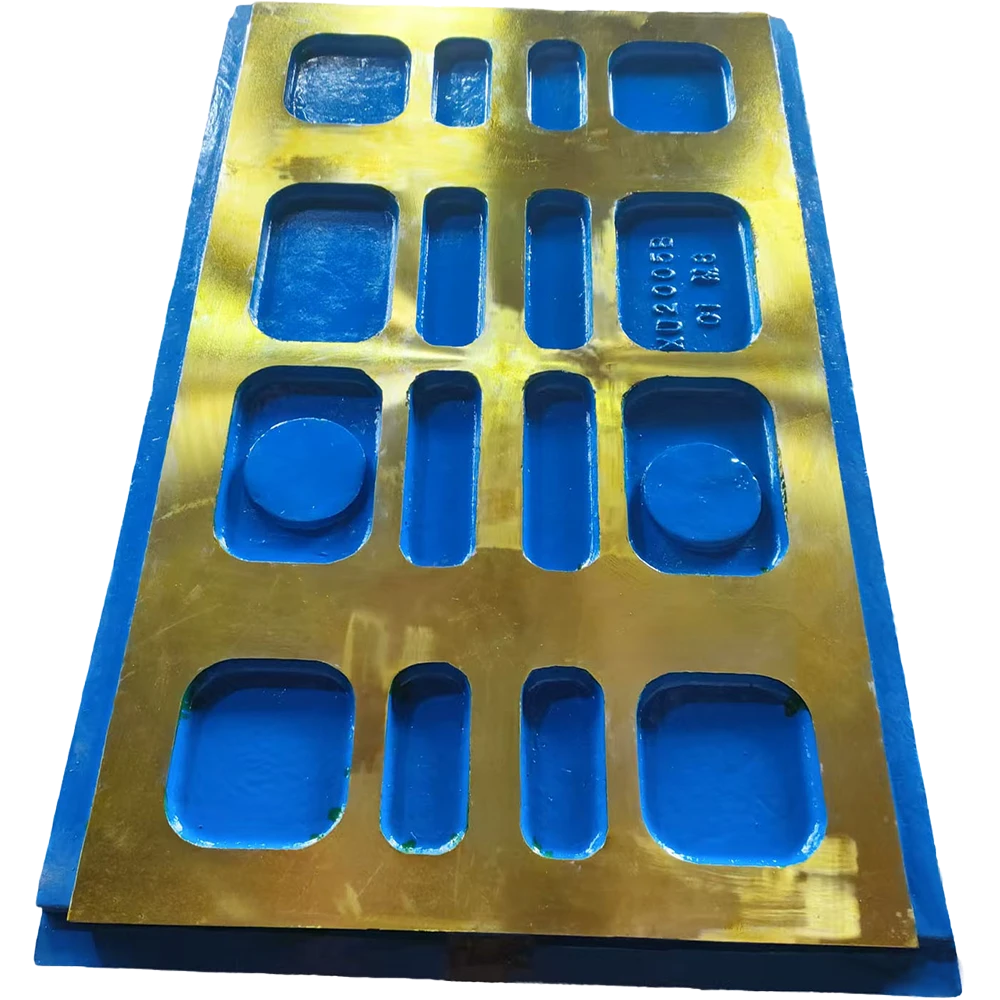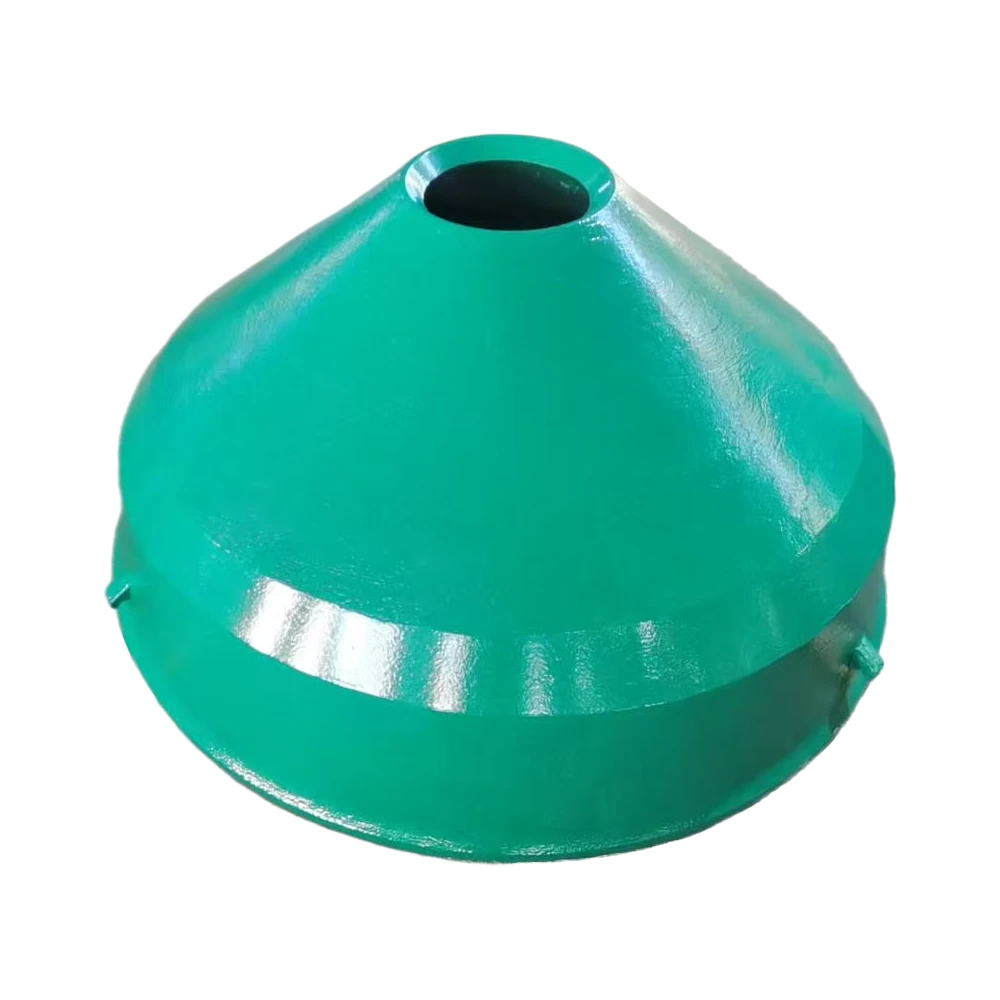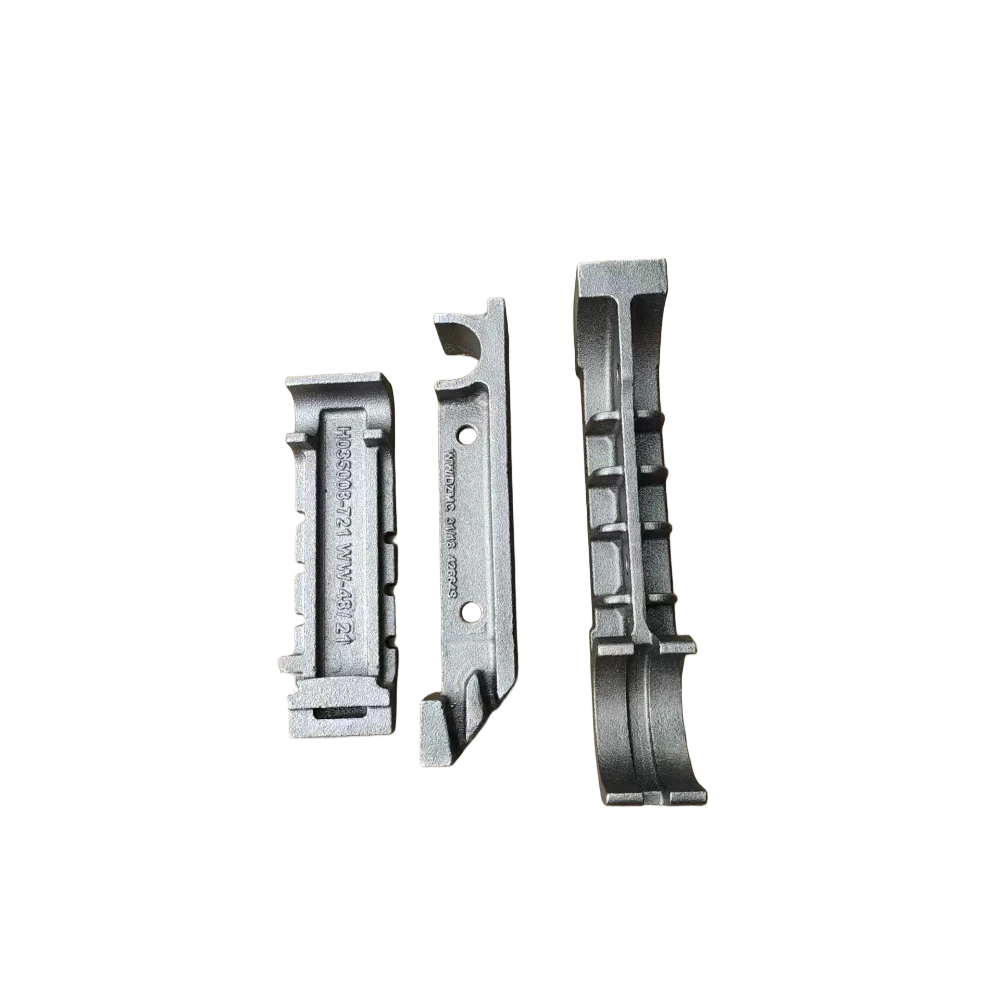
Cheap Cast Heat Resistant Steel: Affordable Durability for Global Industries
Understanding Cheap Cast Heat Resistant Steel: Industrial Backbone for Tough Conditions
In many industries, the need for materials that can withstand high temperatures without breaking the bank is critical. Cheap cast heat resistant steel is one such material that quietly fuels sectors ranging from manufacturing to energy production. Frankly, it’s one of those unsung heroes — tough, affordable, and versatile. We’ll explore why this kind of steel is essential globally, what makes it tick, and the impact it has across various fields. By the end, you’ll appreciate not just its raw strength but why it matters so much in today's industrial landscape.
Why Cheap Cast Heat Resistant Steel Matters Worldwide
The global demand for materials that can endure harsh thermal environments is soaring. According to ISO standards, industries dealing with boilers, engines, and furnaces require steel components that resist deformation and oxidation at high temperatures. Developing countries, aiming to expand infrastructure and industrial bases, heavily rely on affordable materials without sacrificing safety. For instance, rising urbanization in Asia and Africa requires cost-efficient, durable steel products that fit tight budgets. Yet, the challenge lies in balancing heat resistance with manufacturing costs — a puzzle that cheap cast heat resistant steel is best placed to solve.
Mini takeaway: Globally, cost-effective heat resistant steels enable industrial growth while catering to rigorous safety and durability demands.What Exactly is Cheap Cast Heat Resistant Steel?
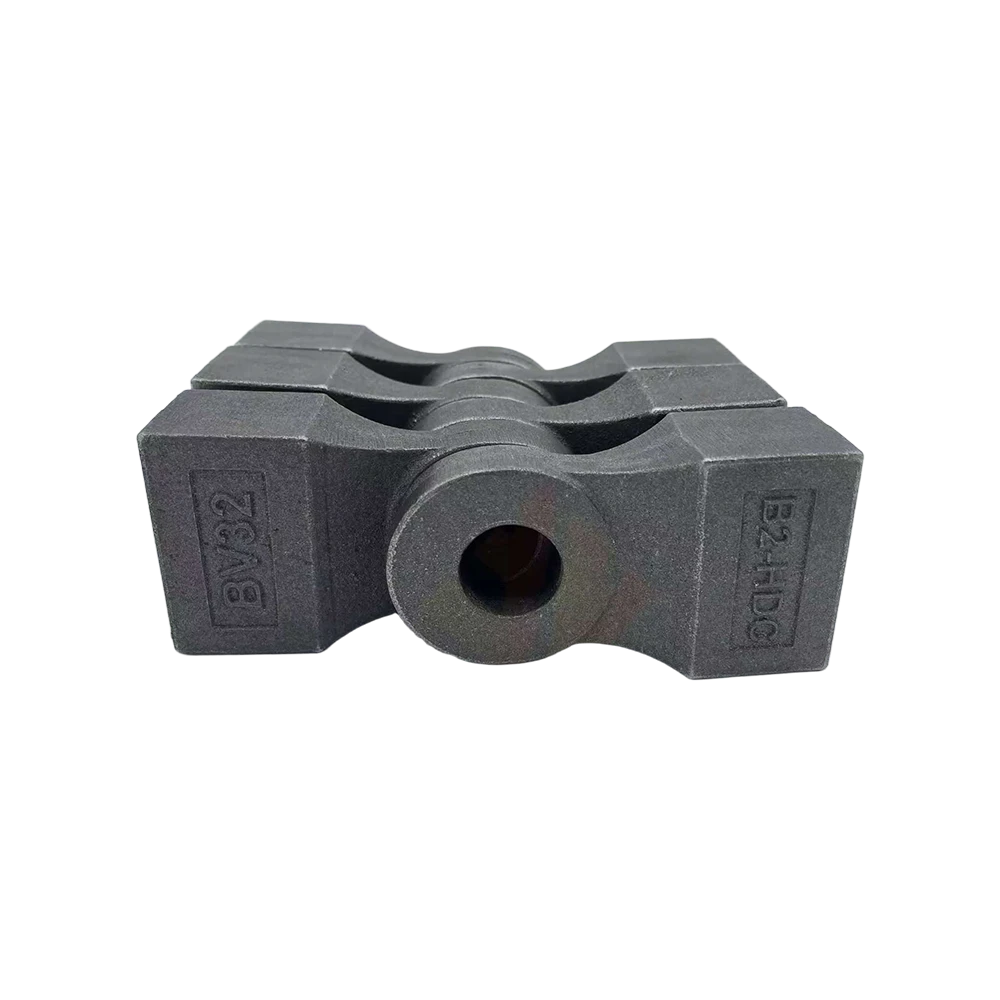
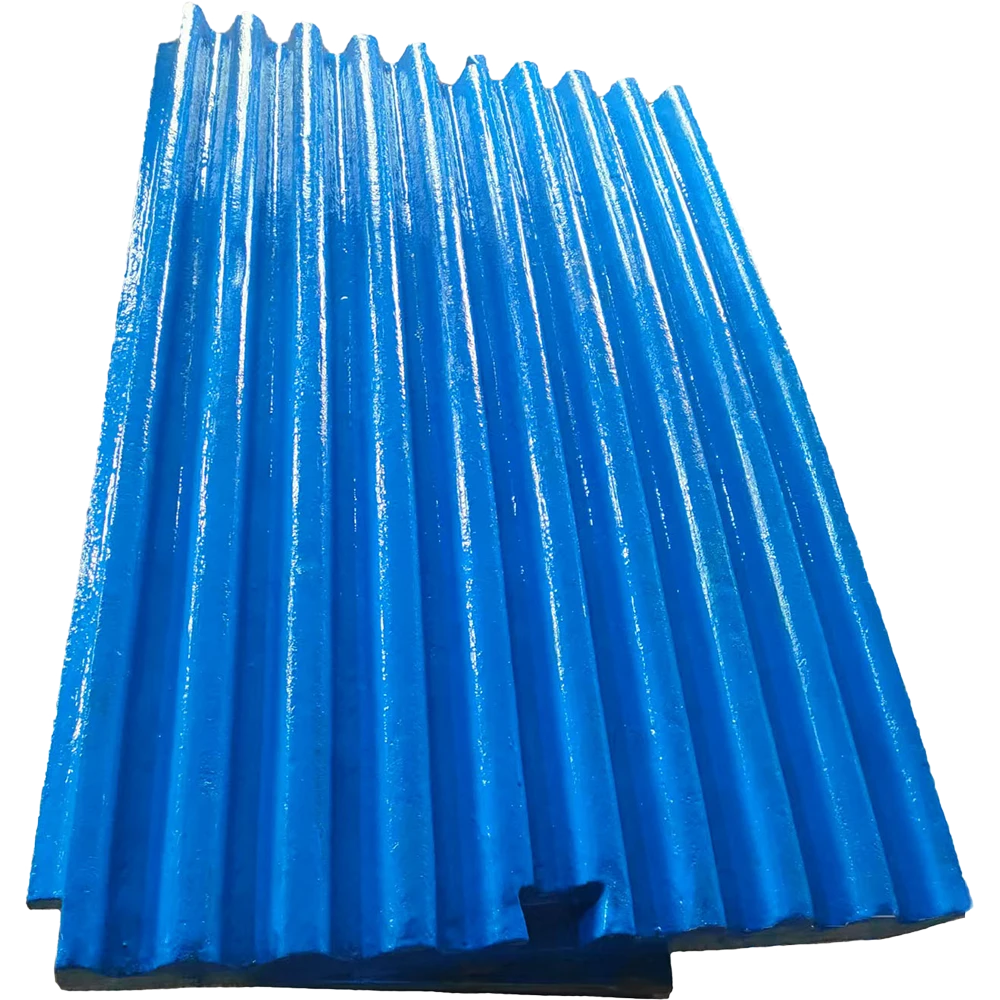
In simple terms, this type of steel is a cast alloy designed specifically to tolerate prolonged exposure to elevated temperatures (usually above 500°C or 932°F) without warping or losing structural integrity. The "cheap" part, frankly, doesn’t imply inferior quality but points to optimized manufacturing processes and material choices that reduce costs. Casting allows shaping complex parts in single pieces, cutting machining expenses. These steels often have elements like chromium, nickel, or molybdenum – crucial for oxidation resistance and strength. You find them in power plants, chemical refineries, and even in humanitarian applications such as heat-resistant containers for medical supplies in remote regions.
Mini takeaway: Cheap cast heat resistant steel is a budget-friendly yet reliable material designed to withstand high heat, supporting modern industry needs and beyond.Key Attributes Defining Cheap Cast Heat Resistant Steel
1. Durability Under Heat Stress
Its fundamental strength lies in resisting oxidation, scaling, and softening at elevated temperatures. This capability means it can be trusted inside ovens, exhausts, or heat exchangers for long periods.
2. Cost Efficiency
Using casting processes means less material wastage and fewer manufacturing steps, making it cheaper to produce. Suppliers often optimize alloy content to balance performance with affordability.
3. Fabrication Flexibility
Cast steel allows complex shapes — irregular geometries or thick sections — without extra welding or assembly, improving strength and reliability.
4. Scalability
Whether producing a handful of parts or thousands, casting methods combined with affordable raw materials support scaling production quickly across regions.
5. Corrosion Resistance
Containing alloying metals such as chromium improves resistance to corrosive environments, crucial for chemical plants or coastal infrastructure.
Mini takeaway: It excels by combining heat defense, production efficiency, shape versatility, scalability, and corrosion resistance.Global Applications & Practical Examples
- Energy Sector: Steel castings for boilers, turbine blades, and exhaust systems in coal, gas, and nuclear plants.
- Chemical Plants: Reactors and piping that handle high-temperature corrosive chemicals.
- Automotive Industry: Engine components that face intense heat cycles but need to stay lightweight and affordable.
- Construction & Infrastructure: Heat resistant steel used in furnace linings or protective barriers.
- Humanitarian Aid: In remote locations, heat resistant steel containers help safeguard temperature-sensitive supplies — an oddly important use case for NGOs.
For instance, in Southeast Asia’s industrial zones, manufacturers leverage cheap cast heat resistant steel to upgrade power stations while managing costs carefully. Hence, it’s not just industrialized countries but emerging markets that drive innovation in affordable heat-resisting alloys.
Mini takeaway: From energy to humanitarian operations, the material’s affordability and resilience unlock critical applications worldwide.Advantages & Long-Term Value of Cheap Cast Heat Resistant Steel
Qualitatively, these steels provide reliable protection in extreme heat — ensuring safety for workers and durability of equipment. Logically, using such cost-effective materials lowers maintenance frequency and downtime, positively impacting operational budgets.
On an emotional level, product reliability fosters trust between manufacturers and customers. Imagine knowing your furnace parts won’t fail mid-operation. The social impact ripples outward too — affordable, durable materials can help provide energy access or clean water where needed most.
Technical Product Specifications
| Specification | Typical Value | Unit |
|---|---|---|
| Temperature Resistance | 600-900 | °C |
| Chromium Content | 10-20 | % |
| Tensile Strength | 450-700 | MPa |
| Density | 7.8 | g/cm³ |
| Heat Treatment | Annealing, Quenching | - |
Vendor Comparison: Popular Cheap Cast Heat Resistant Steel Suppliers
| Vendor | Price Range (per ton) | Typical Applications | Customization | Delivery Time |
|---|---|---|---|---|
| SteelCraft Co. | $1200 - $1400 | Power plants, exhaust parts | High | 4-6 weeks |
| HeatResistant Alloys Inc. | $1100 - $1300 | Automotive, chemical reactors | Moderate | 3-5 weeks |
| Affordable Steel Ltd. | $900 - $1100 | Construction, industrial tools | Low | 5-7 weeks |
Future Trends & Innovations
Oddly enough, the future of cheap cast heat resistant steel isn’t just about cranking up temperature limits. There’s a big push toward sustainability — using recycled alloys, reducing carbon footprint in casting foundries, and incorporating digital quality controls (think AI-powered inspections). Green energy projects, such as solar thermal plants, require even more resilient steels at reasonable costs. Additionally, innovations in cheap cast heat resistant steel include tailored microstructures for specific environments and modular manufacturing for faster delivery. Automation will also play a key role in maintaining quality while keeping production costs lean.
Challenges & Solutions
Of course, no material is perfect. Cheap cast heat resistant steel can sometimes struggle with brittleness or inconsistent chemistry if quality controls are lax. Casting defects or impurities might reduce heat resistance. The solution? Investing in advanced metallurgical testing and refining supply chains. Many vendors now integrate non-destructive testing (NDT) techniques to catch flaws early. Plus, customized alloy designs improve toughness without huge price hikes. Training foundry operators and using standardized production protocols also help overcome these issues.
FAQ: Common Queries About Cheap Cast Heat Resistant Steel
- Q1: How is cheap cast heat resistant steel different from stainless steel?
- A1: While both are alloys with chromium, cheap cast heat resistant steel is specifically engineered for high-temperature durability and cost-effective manufacturing, often with less emphasis on corrosion resistance than some stainless steels.
- Q2: Can these steels be used in food processing equipment?
- A2: Generally, no. Food-grade applications need stainless steels compliant with hygiene standards, whereas cheap cast heat resistant steel is better suited for industrial thermal processes.
- Q3: What’s the typical lifespan of components made from this steel in power plants?
- A3: Depending on operating conditions, components typically last 10 to 20 years but regular inspections are necessary to ensure safety and performance.
- Q4: Are there regulations governing the production of heat resistant steels?
- A4: Yes, international standards like ASTM and ISO provide specifications on composition, mechanical properties, and testing to certify quality and safety.
- Q5: How can I source reliable cheap cast heat resistant steel?
- A5: Look for suppliers with certifications, proven quality control processes, and transparent manufacturing practices. You can also contact vendors directly for custom solutions tailored to your needs.
Wrapping Up: Why Cheap Cast Heat Resistant Steel is Here to Stay
To sum up, cheap cast heat resistant steel represents a practical solution bridging cost and performance in industries where heat tolerance is non-negotiable. Its global application isn’t just a technical feat but a facilitator of economic growth and social progress, especially in emerging markets. Innovations and rigorous standards keep raising the bar, so investing in these materials is an investment in reliability and future-readiness.
If you’re involved in manufacturing or infrastructure projects requiring such steels, consider exploring options at https://www.dzmccasting.com. They offer extensive expertise and a wide portfolio, balancing affordability with quality — in real terms, that’s the sweet spot.
Thanks for sticking with me on this deep dive. I suppose it feels good to understand a material that quietly underpins so much modern progress, no?
1. International Organization for Standardization (ISO), Heat-resistant steels standards.
2. ASTM International, Standard Specification for Castings, Iron-Chromium, Iron-Chromium-Nickel Heat-Resisting, and Alloy Steel.
3. World Bank Group, Electricity usage data and industrial growth.
-
High Performance oem cast heat resistant steel for Industrial UseNewsApr.16,2026
-
Guide to Selecting High Quality Cast Heat Resistant Steel AlloysNewsApr.09,2026
-
Custom Cast Heat Resistant Steel Solutions for High Temperature ApplicationsNewsApr.07,2026
-
Comprehensive Guide to Wholesale Cast Heat Resistant Steel for Industrial ApplicationsNewsApr.04,2026
-
Comprehensive Guide to High Performance Heat Resistant Metal Product SolutionsNewsMar.31,2026
-
Expert Guidance on Heat Resistant Metal Quotes and Alloy SelectionNewsMar.28,2026