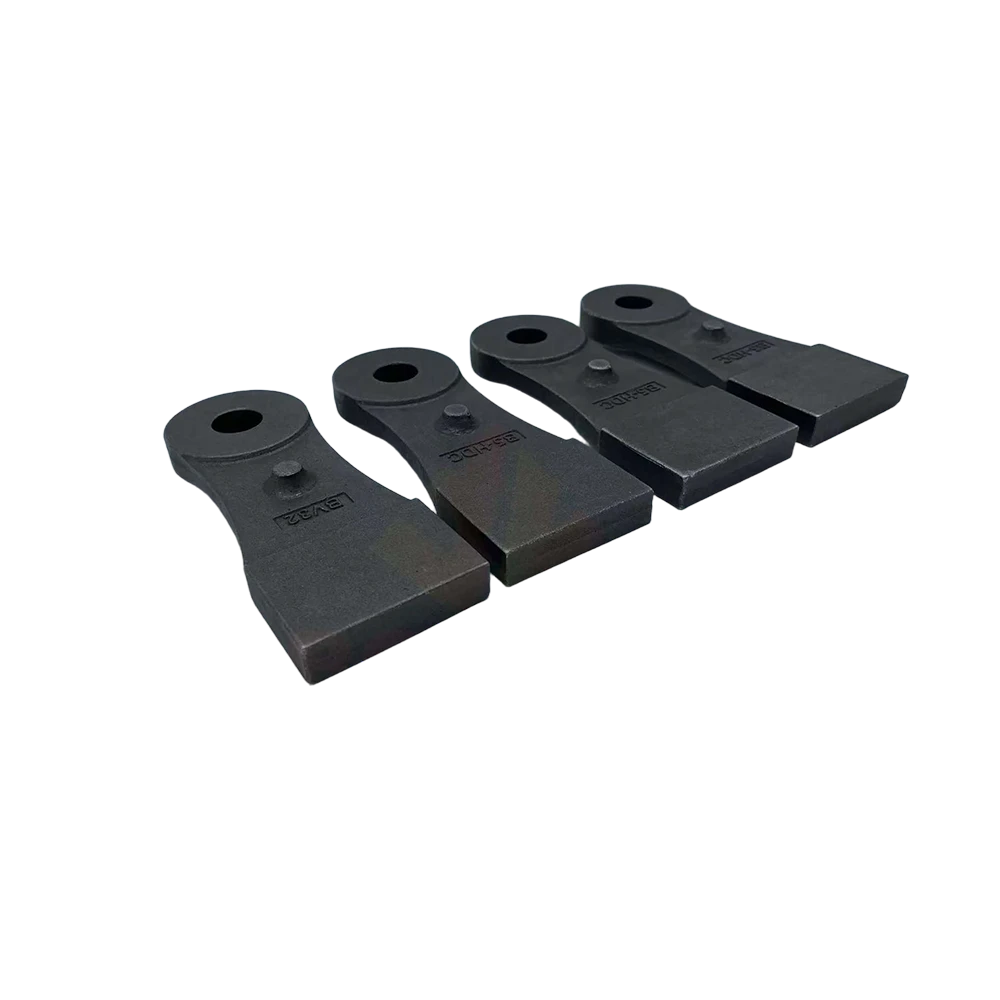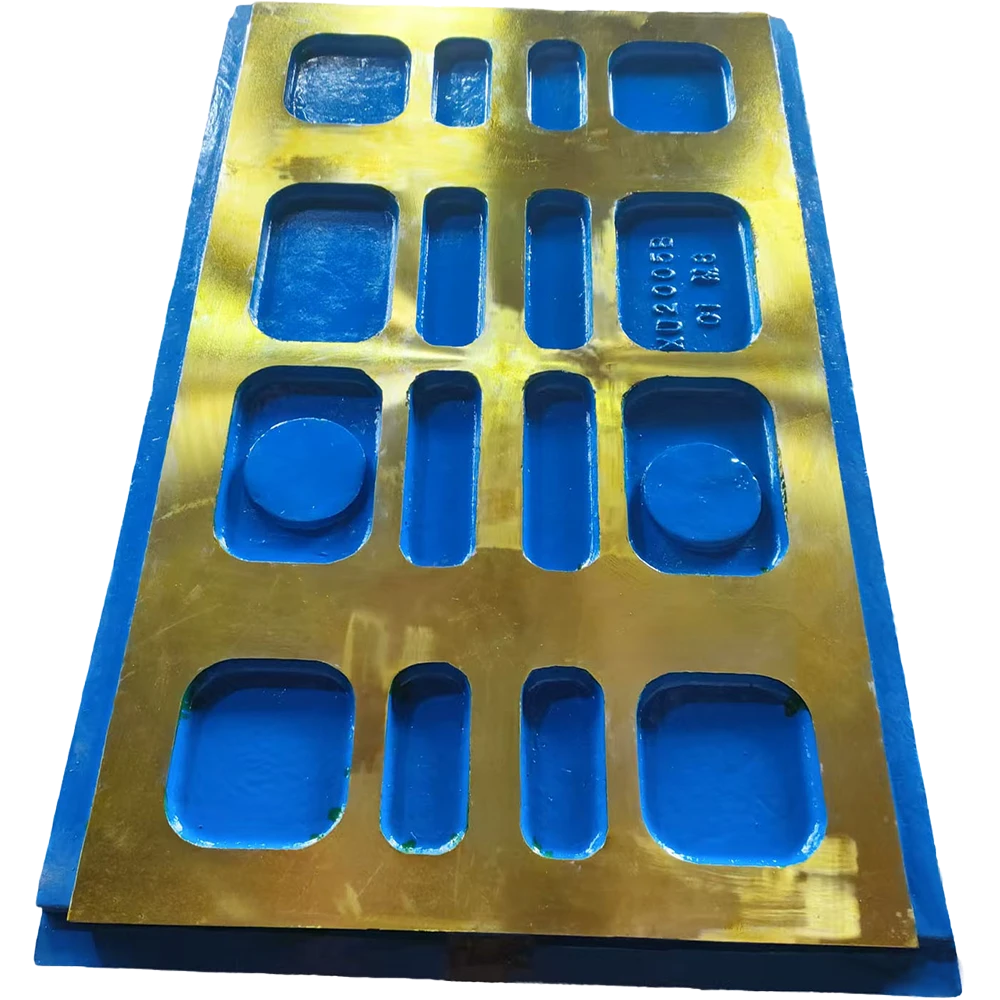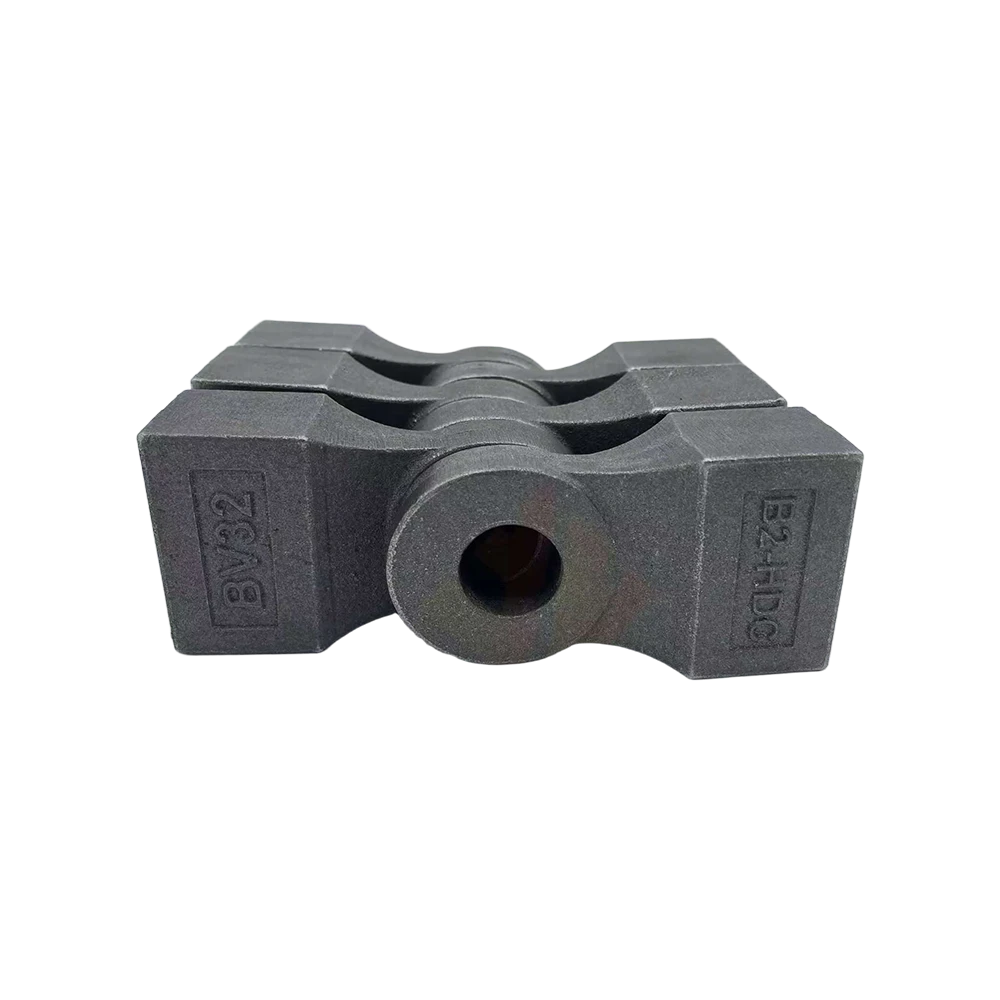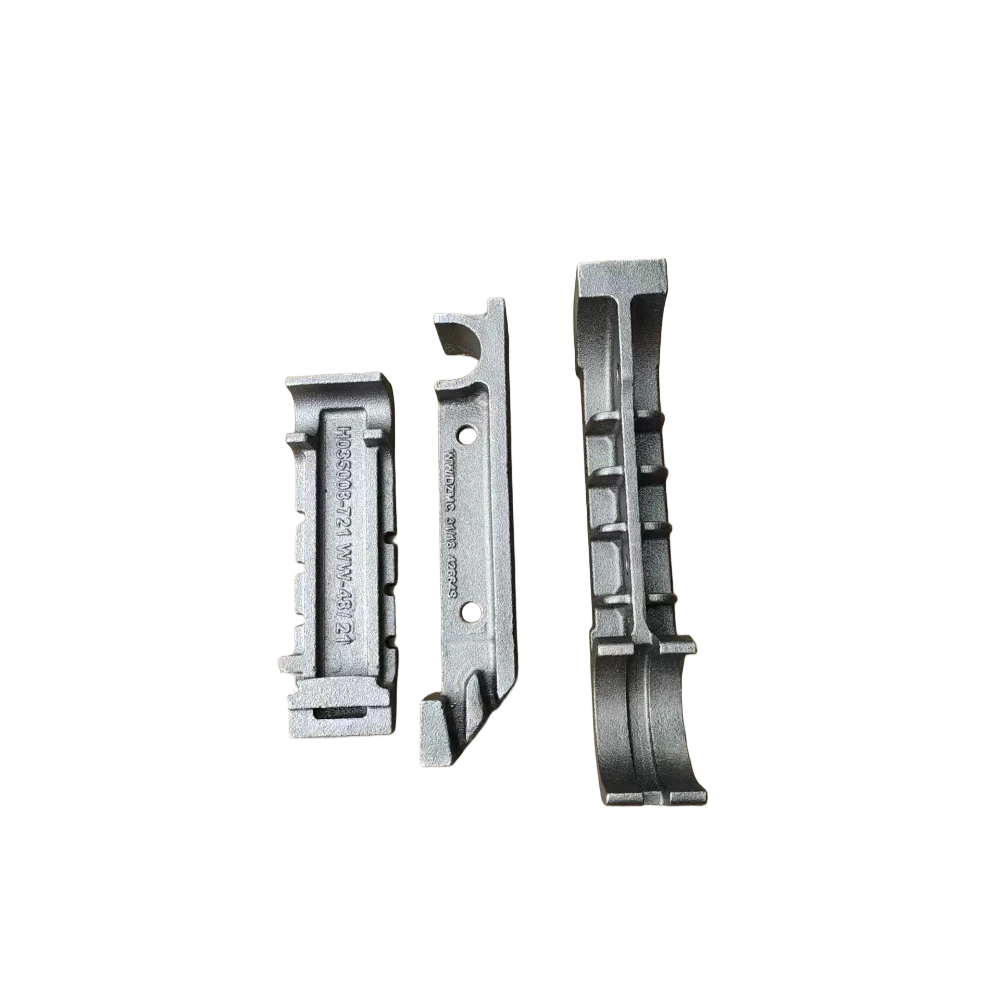
China High Temperature Resistant Steel: Global Applications & Innovation in Heat-Resistant Alloys
Understanding China High Temperature Resistant Steel: A Global Perspective
China high temperature resistant steel is not just a mouthful; it represents a cornerstone material in various high-stress, high-heat industrial environments worldwide. As global industries grapple with demands for durability and performance—especially in sectors like power generation, aerospace, and chemical processing—understanding this specialized steel becomes pivotal. It addresses not only performance challenges but also efficiency and sustainability goals. Let me walk you through why it matters and what exactly it is.
Global Importance and Context
In an era where infrastructure resilience and industrial efficiency are key, materials able to withstand extreme temperature conditions become invaluable. According to ISO standards, high temperature resistant steels must maintain mechanical integrity even above 600°C, which is typical in power plants and petrochemical facilities. China, a manufacturing powerhouse, leads in producing such steels—making "china high temperature resistant steel" a term that crops up frequently in supply chains globally.
Why the focus on China? Well, the nation supplies roughly 45% of the world’s specialty steels, including those engineered for heat resistance (china high temperature resistant steel). The heightened demand comes from rapid industrialization and renewable energy projects requiring materials that combine longevity with cost-efficiency. Without reliable steel that handles searing heat, energy infrastructure risks failures or reduced lifespan, which can lead to costly downtimes and safety concerns.
Mini takeaway: China high temperature resistant steel plays a strategic role in sustaining global industrial growth and energy transition efforts.
What Is China High Temperature Resistant Steel?
Simply put, this steel is a category of alloy designed to maintain strength, resist corrosion, and resist deformation—even when exposed to high temperatures for prolonged periods. It’s “resistant” because it contains carefully balanced alloying elements like chromium, molybdenum, and nickel, which improve its oxidation resistance and mechanical stability under heat stress.
In real terms, imagine pipelines carrying superheated steam in a power plant or turbine blades spinning in a jet engine. These steels ensure such components don’t warp, oxidize, or crack, contributing directly to operational safety and efficiency. The "china" aspect primarily points to the manufacturing origin but also implies adherence to specific national specifications and competitive pricing.
Mini takeaway: It’s an engineered steel alloy designed specifically for the harshest heat environments, enabling critical industrial applications.
Key Characteristics of China High Temperature Resistant Steel
Durability Under Heat
The hallmark of this steel type is its durability—withstanding temperatures often exceeding 600°C without losing tensile strength. Through heat treatment processes and alloy compositions, these steels offer exceptional creep resistance, which means they deform very slowly under mechanical stress and heat.
Corrosion Resistance
Exposure to hot, often humid or chemically aggressive environments can corrode ordinary steel rapidly. In contrast, these steels contain chromium and other elements that form protective oxide layers, greatly reducing rust and degradation especially in power and chemical plants.
Cost Efficiency
While more expensive than standard shipping-grade steel, china high temperature resistant steel balances cost with longevity. Over time, the reduced need for maintenance and replacement significantly lowers total lifecycle costs—a critical parameter for large-scale projects.
Fabrication and Scalability
Chinese manufacturers have optimized forging, welding, and casting techniques to produce this steel in large volumes, meeting both small bespoke needs and mass production demands. The scalable supply chain is part of why global industries trust Chinese suppliers.
| Property | Typical Values | Unit |
|---|---|---|
| Tensile Strength | 650 - 850 | MPa |
| Yield Strength | 350 - 550 | MPa |
| Creep Rupture Time | >10,000 | hours at 600°C |
| Chromium Content | 9 - 12 | % |
| Molybdenum Content | 0.5 - 1.0 | % |
Mini takeaway: The steel’s structural and corrosion properties, combined with production scale, make it an industrial workhorse.
Global Applications and Use Cases
The applications are broad but clearly concentrated in sectors where heat resistance isn’t optional but mandatory.
- Power Generation: Boilers, turbines, and heat exchangers use this steel to sustain continuous operation at high temperatures.
- Chemical Processing: Reactors and pipelines transporting corrosive substances at elevated heat rely extensively on these steels.
- Aerospace: Jet engine components and exhaust systems where mechanical integrity under heat is critical.
- Automotive: Exhaust manifolds and turbochargers benefit from the steel’s capability to handle thermal cycling.
- Construction of High-Speed Trains and Subways: Components subjected to friction and high thermal loads.
Oddly enough, even humanitarian engineering projects in harsh climates sometimes rely on such steels for reliable, long-lasting infrastructure. China’s export capacity ensures these materials reach industrial hubs in Europe, Southeast Asia, and South America.
Mini takeaway: From turbines to transport, these steels underpin some of the safest and most efficient industrial systems globally.
Advantages and Long-Term Value
Why use china high temperature resistant steel beyond the obvious temperature tolerance? Here’s the breakdown:
- Longevity: Its resistance to heat and corrosion means fewer repairs and replacements, translating directly to cost savings.
- Safety: Reduced risk of catastrophic failure contributes to safer industrial environments.
- Sustainability: Durability reduces resource consumption and waste, aligning with circular economy principles.
- Innovation: Enables industries to push technological boundaries, like higher efficiency turbines and reactors.
- Trust: Knowing a material will perform under pressure fosters confidence among engineers and stakeholders.
Vendor Comparison: Major Suppliers of High Temperature Resistant Steel from China
| Vendor | Annual Capacity | Certifications | Customization Options | Export Regions |
|---|---|---|---|---|
| Factory A | 50,000 tons | ISO 9001, ISO 14001 | Heat treatment, alloy tailoring | Global |
| Factory B | 30,000 tons | ISO 9001, PED | Custom shapes, welding services | Asia, Europe |
| Factory C | 70,000 tons | ISO 9001, ASME | Machining, coatings | Global |
Emerging Trends and Future Innovations
Looking ahead, two areas stand out. First: green metallurgy — techniques using less energy and producing fewer carbon emissions when making these steels. It aligns with global commitments towards net-zero.
Second: digital metallurgy and AI-assisted design. These allow manufacturers to tailor the alloy compositions and heat treatments precisely for specific uses, reducing trial-and-error cycles and waste.
Automation will also streamline production, improving consistency and supply chain reliability. Plus, new alloying elements are under research that might push temperature resistance beyond today’s limits.
Challenges in Deployment
No material is perfect—it’s honest to admit these steels can be costly upfront, and machining them requires skill and specialized equipment. Sometimes procurement logistics complicate international projects. However, investing in expert partnerships and advanced manufacturing technologies helps overcome these hurdles.
Some experts advise diversifying supplier relationships and embracing continuous testing to optimize steel grades for evolving industry needs.
Frequently Asked Questions About China High Temperature Resistant Steel
- Q: What industries benefit most from china high temperature resistant steel?
A: Primarily power generation, chemical processing, aerospace, and automotive sectors rely on this steel due to its heat durability and corrosion resistance. - Q: How does china high temperature resistant steel differ from standard steel?
A: Its alloy composition and heat treatment enable it to maintain strength and resist oxidation at much higher temperatures than standard steels. - Q: Is it possible to customize these steels to specific project needs?
A: Yes, Chinese manufacturers often offer tailored alloy mixes, heat treatments, and fabrication services to meet precise specifications. - Q: Can NGOs or smaller companies access high temperature resistant steel internationally?
A: Absolutely. Many suppliers support international shipping and compliance certifications, making it accessible for diverse projects globally.
Conclusion
So, china high temperature resistant steel is more than just a product — it’s a vital enabler of modern industry and innovation. Its unique ability to perform under harsh heat conditions translates to safer, longer-lasting, and more sustainable infrastructure worldwide. Whether you’re an engineer, procurement officer, or sustainability advocate, understanding these steels helps you make smarter decisions and future-proof your projects.
If you want to dive deeper or explore supplying options, do visit china high temperature resistant steel specialists online. The future of high-temperature materials is exciting—and frankly, essential.
Thanks for sticking with me through the technical details—hopefully, it gave you a clearer picture without too much jargon!
Short final note: In essence, this steel keeps the heat on industry, without burning out innovation.
References:
-
High Performance oem cast heat resistant steel for Industrial UseNewsApr.16,2026
-
Guide to Selecting High Quality Cast Heat Resistant Steel AlloysNewsApr.09,2026
-
Custom Cast Heat Resistant Steel Solutions for High Temperature ApplicationsNewsApr.07,2026
-
Comprehensive Guide to Wholesale Cast Heat Resistant Steel for Industrial ApplicationsNewsApr.04,2026
-
Comprehensive Guide to High Performance Heat Resistant Metal Product SolutionsNewsMar.31,2026
-
Expert Guidance on Heat Resistant Metal Quotes and Alloy SelectionNewsMar.28,2026