Comprehensive Guide to Bowl Liner and Mantle for Industrial Crushers
Understanding the Bowl Liner and Mantle: Why It Matters Globally
If you've ever glanced at a mining operation or heavy industrial grinding equipment, you might not have noticed the humble heroes quietly taking the brunt of the workload: the bowl liner and mantle. These components, though often overlooked, are crucial in many industrial processes around the globe. From crushing ores to shaping raw materials, their performance directly impacts efficiency, cost, and sustainability.
Globally, industries handling mineral processing or aggregate crushing rely heavily on these components. The benefits of understanding and selecting the right bowl liners and mantles span far beyond just machinery uptime — they influence safety, environmental footprint, and operational costs. This article explores why these parts are so integral and how they're evolving in a world hungry for productivity and innovation.
The Global Context: Industrial Backbone of Mineral Processing
According to the World Bank, mining contributes roughly 10% of global GDP in raw material extraction, feeding into everything from electronics to construction. Within these sectors, equipment durability and efficiency can spell the difference between profit and loss. Bowl liners and mantles endure tremendous wear and tear, often in harsh environments where downtime is costly.
Globally, the demand for minerals continues to rise, owing largely to urbanization and technological development, putting pressure on mineral processing plants to optimize operations. The ISO 341 for Grinding Mills even references material wear standards influenced by the quality of liners and mantles.
But here's a nagging challenge: frequent replacements of liners and mantles stop production cold and inflate expenses. Plus, poor material choices can risk equipment failure — a safety hazard in remote or large-scale operations.
What Exactly Are Bowl Liners and Mantles?
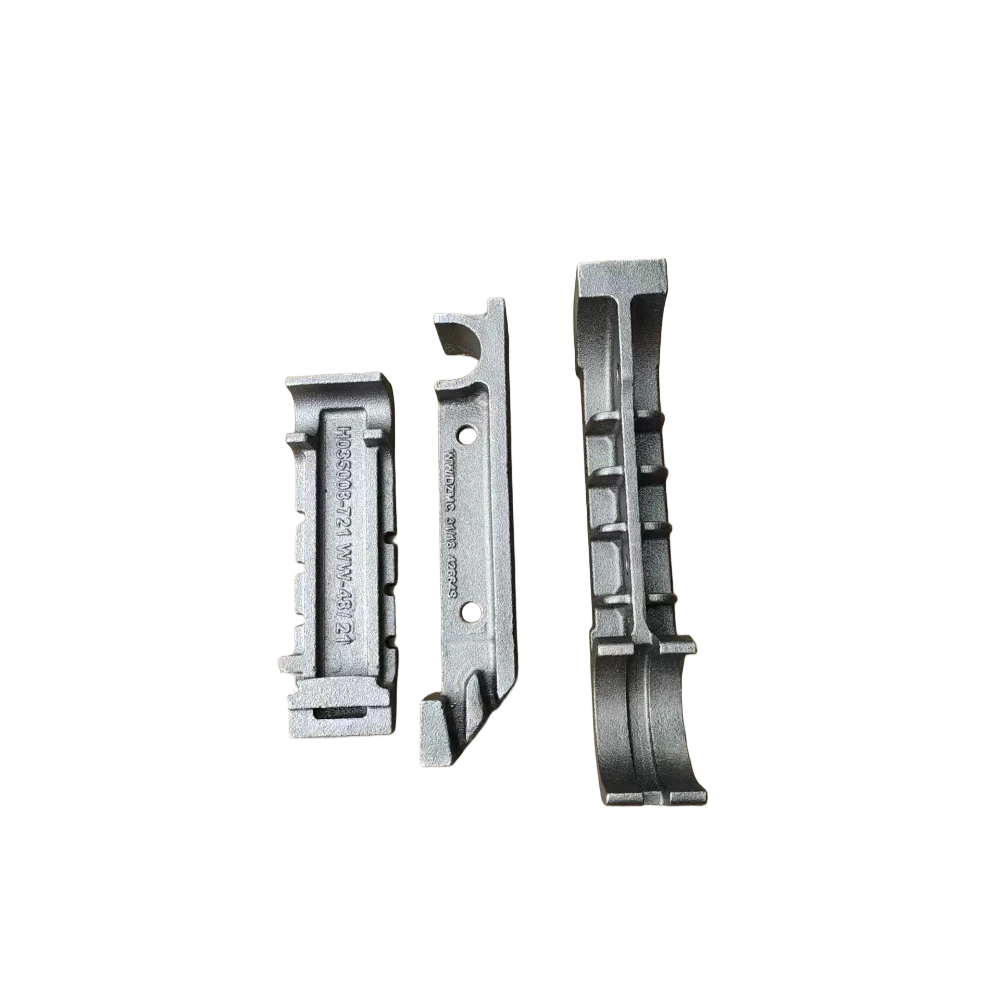
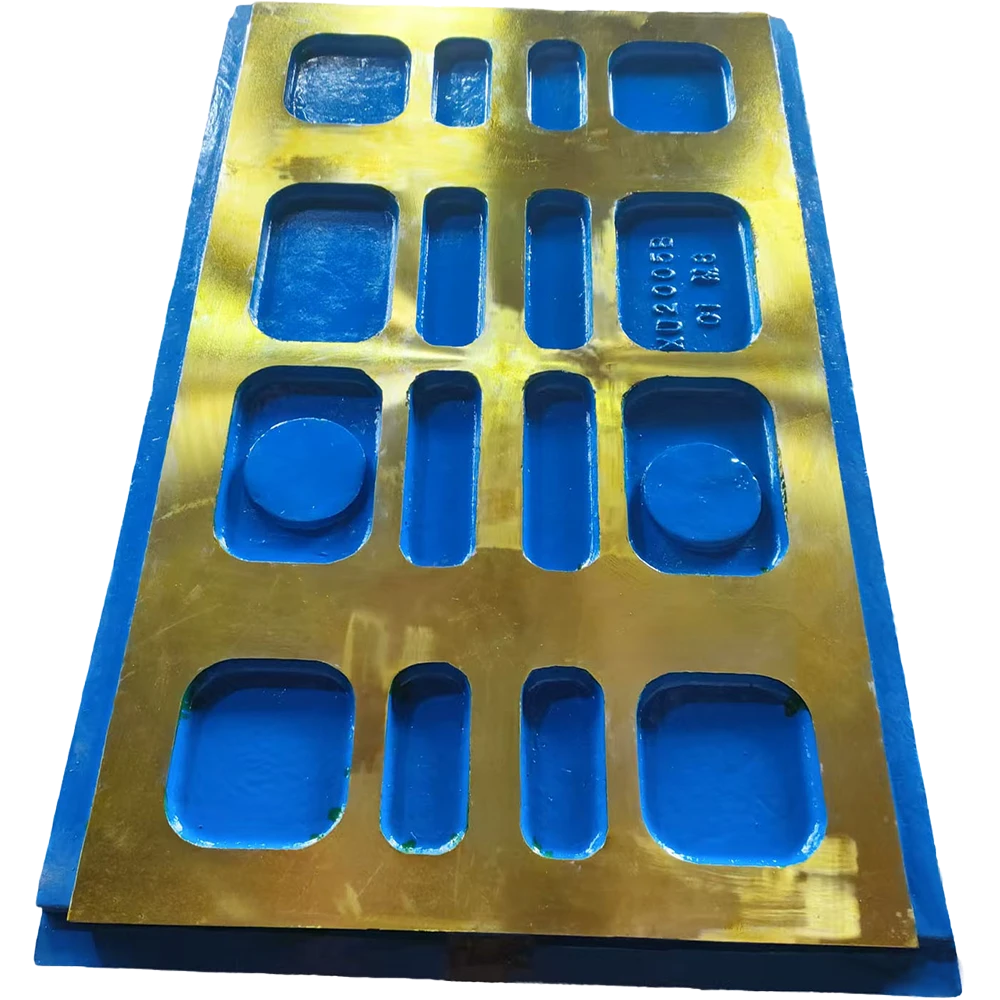
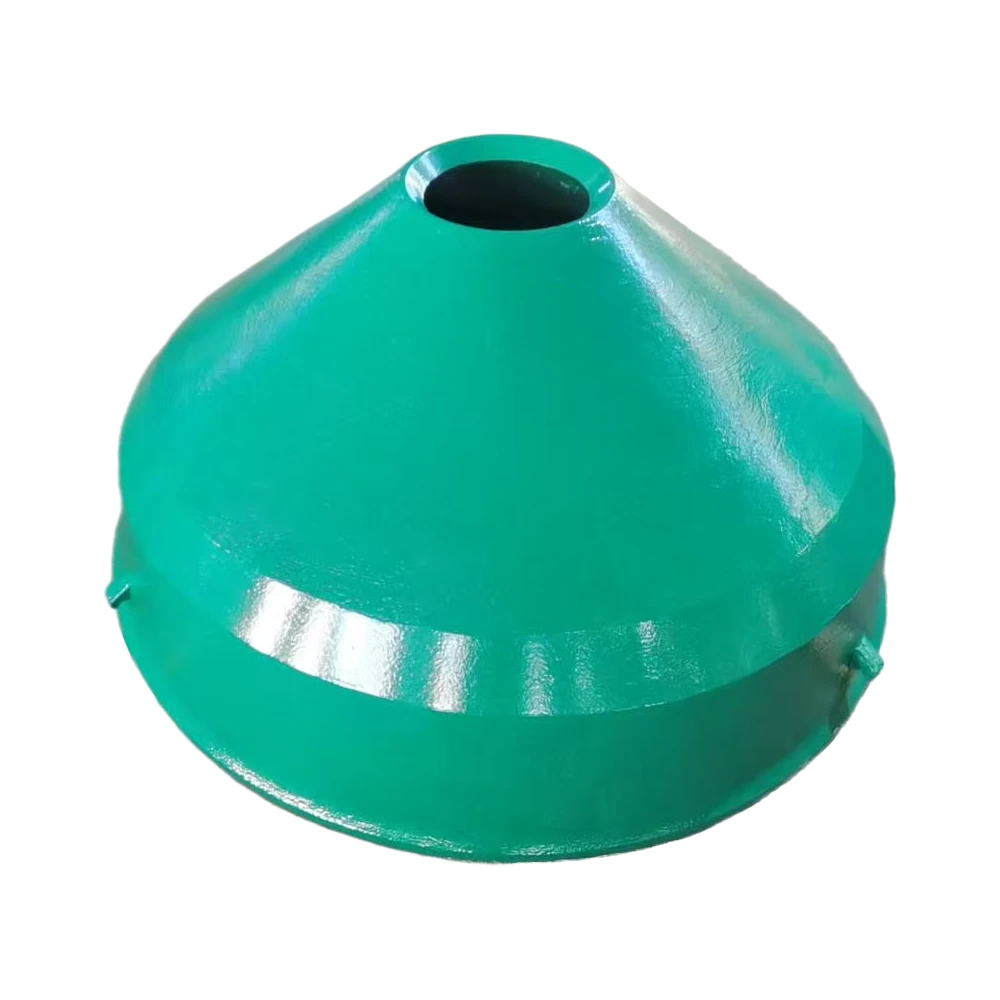
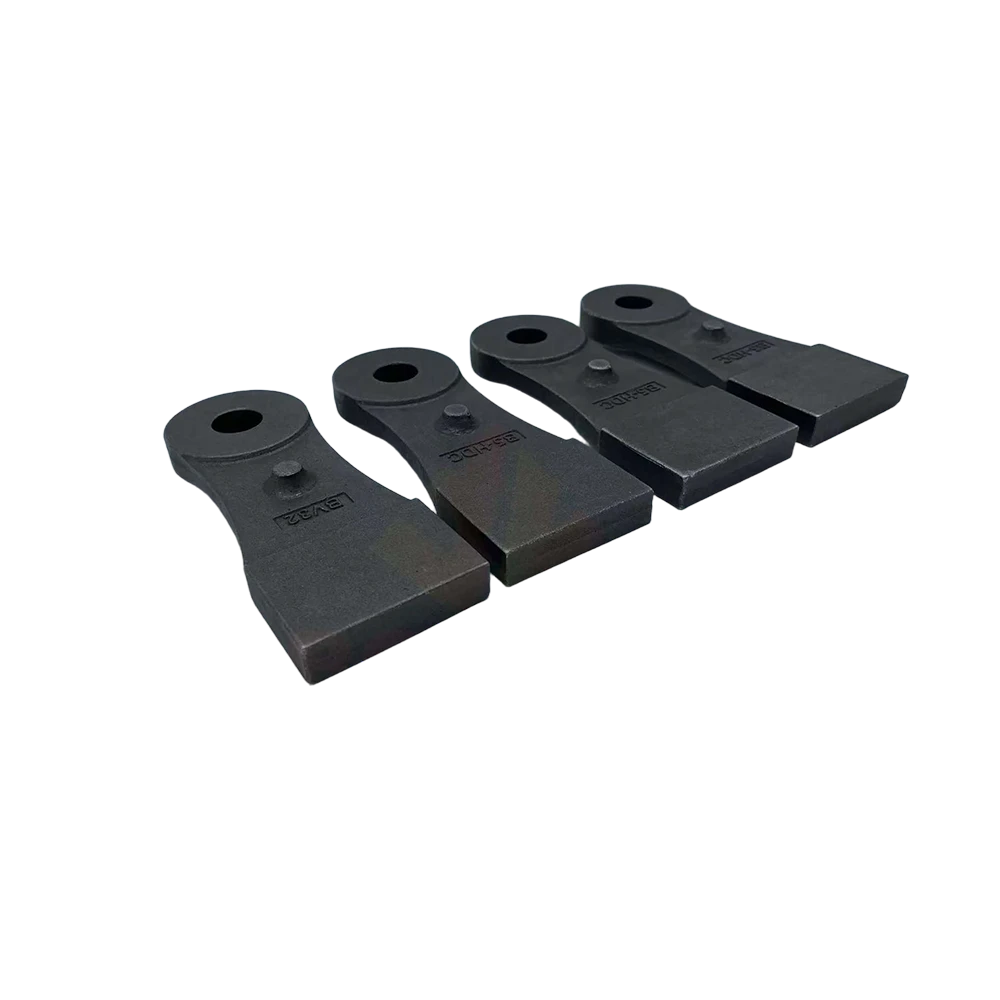
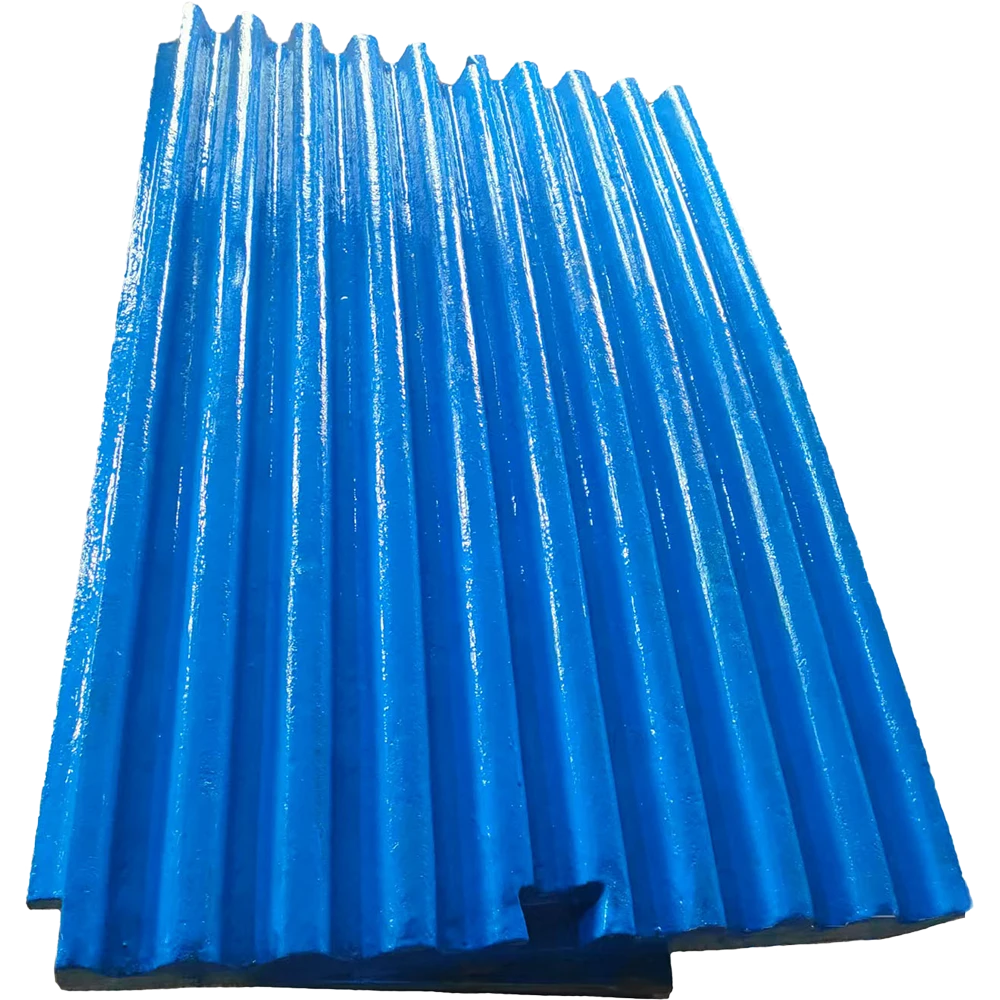
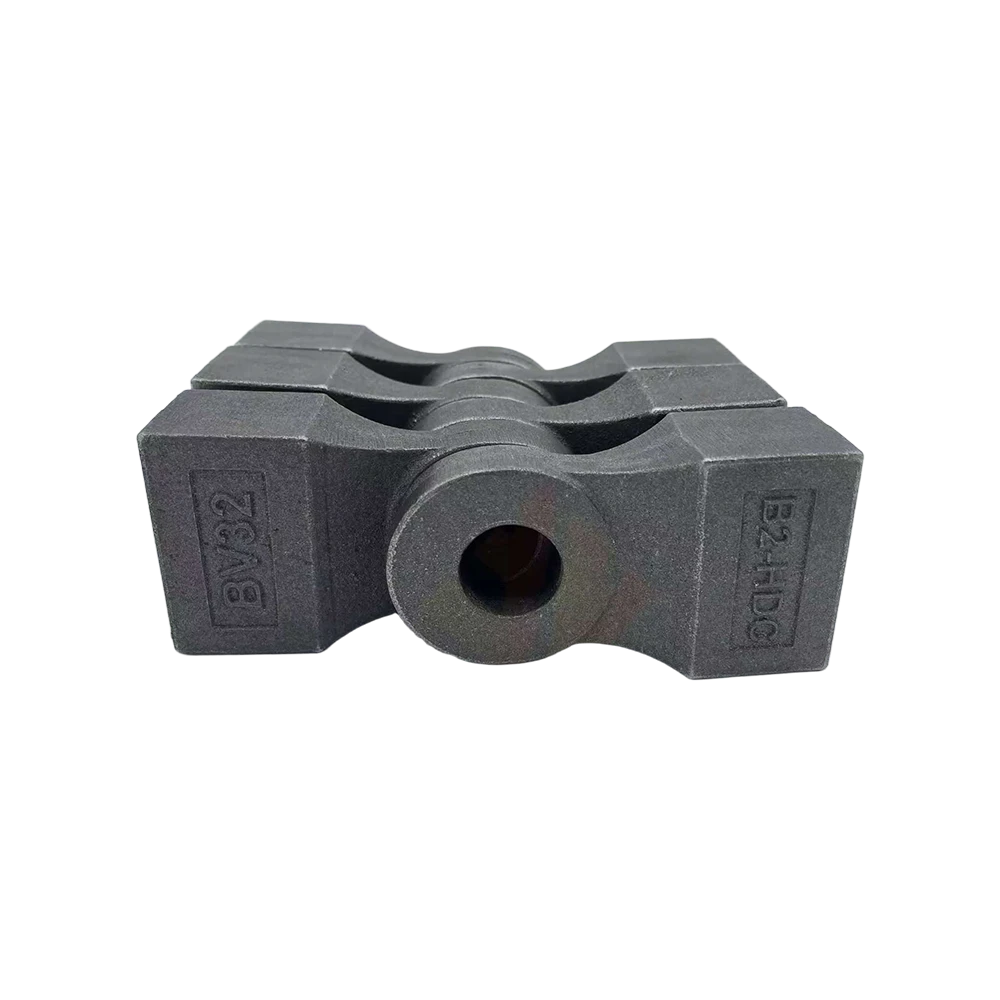
Simply put, bowl liners and mantles are protective wear parts in cone crushers and other grinding equipment. The mantle is the fast-wear part that spins inside the crusher, while the bowl liner is the stationary counterpart surrounding it. Both work together to crush and grind raw materials into smaller particles.
Picture the mantle as a rugged spinning shield pressing against the bowl liner’s interior surface; their interaction delivers the crushing force. Their design must withstand abrasive forces, pressure, and sometimes high temperatures, all without breaking down prematurely.
In modern industry, from mining to cement production, their roles are critical. Without them, processing plants can’t reduce raw materials efficiently, which limits output and economic viability.
Core Aspects of Bowl Liner and Mantle Performance
1. Durability and Material Composition
The materials used for bowl liners and mantles are specially engineered to resist abrasions, impact, and corrosion. High manganese steel is popular due to its work-hardening properties, but newer alloys and composite materials are pushing the boundaries.
2. Design and Fit
The closer the mantle and liner fit, the more efficient the crushing process. Many manufacturers customize these wear parts for specific equipment models, enabling better contact points and lower wear rates.
3. Cost Efficiency
Replacement frequency directly affects operational costs. Quality liners and mantles might carry higher upfront prices, but they reduce downtime and maintenance, saving money long term.
4. Scalability and Availability
For large mining operations, having a reliable supplier who can provide bowl liners and mantles in various sizes and specifications is essential. Standardization aids in quick replacements, but customization meets unique process demands.
5. Environmental Impact
Wear parts contribute indirectly to sustainability by increasing machine lifespan and reducing waste. Innovations in material science are also aiming at recyclable components or less energy-intensive manufacturing.
Using Bowl Liners and Mantles Across the Globe
In practice, these parts find homes in some pretty intense scenarios. Mining fields in Australia, Africa, and Canada rely on them to process ores efficiently. Cement factories across Europe and Asia also depend on bowl liners and mantles for their crushers.
In post-disaster relief operations — oddly enough — temporary crushing plants sometimes reuse these components to quickly provide materials for rebuilding infrastructure, cutting both cost and time.
Mining companies like Rio Tinto and BHP often specify bowl liners and mantles based on region-specific ore hardness and operational climates, illustrating how geographies impact wear part choices.
Product Specification Table
| Specification | Value / Options |
|---|---|
| Material | High manganese steel, alloy steel, composite materials |
| Size Range | 150mm to 2000mm diameter |
| Hardness (Brinell) | 250-400 HB |
| Operating Temperature | -20°C to 250°C |
| Surface Treatment | Heat-treated, welded overlays, carburized |
| Approximate Weight | 20 kg to 1500 kg |
Comparing Leading Vendors of Bowl Liners and Mantles
| Vendor | Material Excellence | Customization Options | Global Reach | Pricing |
|---|---|---|---|---|
| DZM Casting | High manganese and alloy steels, advanced heat treatment | Extensive, tailored to client machinery | Worldwide, including remote locations | Competitive |
| Metso Outotec | Premium alloy steels, patented wear tech | Custom and standard models | Global | High-end pricing |
| FLSmidth | Varied materials, focus on durability | Moderate customization | Worldwide | Mid-range pricing |
Advantages and Long-Term Value of Quality Bowl Liners and Mantles
High-performance bowl liners and mantles don't just last longer. They also reduce energy consumption by optimizing crushing efficiency, making plants greener. Operators also cite improved machine reliability, meaning fewer stoppages and less frustration.
On the human side, there's safety and dignity. Separate from economic metrics, ensuring that crushing operations are stable minimizes risk for workers — something that never gets old in importance.
Future Trends and Innovations to Watch For
As industries move toward environmental accountability, expect greener manufacturing processes for bowl liners and mantles. Research into nano-coatings and self-healing alloys could revolutionize their wear resistance.
Digitally, sensors embedded into these parts might soon monitor wear in real-time, allowing predictive maintenance that virtually eliminates surprise breakdowns. This trend aligns with Industry 4.0 and smart manufacturing moves.
Challenges and How Experts Are Tackling Them
Despite advances, liner and mantle failures remain a nagging issue, especially under unexpected ore conditions or machine misalignments. Better metallurgical analysis pre-production and on-site testing help, but costs are often prohibitive for smaller plants.
Innovative supplier partnerships now offer customized solutions paired with training, bridging some gaps. Plus, modular designs speed install and maintenance times, taking the edge off downtime.
FAQ: Frequently Asked Questions About Bowl Liner and Mantle
- Q: How often should bowl liners and mantles be replaced?
A: Replacement depends on factors like ore type, machine use, and material quality but typically ranges between 4,000 to 20,000 operational hours. Regular inspections help avoid premature failure. - Q: Can bowl liners and mantles be customized for special applications?
A: Absolutely. Customization in size, material hardness, and design is common to match specific crusher models or ore characteristics, improving lifespan and efficiency. - Q: Are newer composite materials better than traditional manganese steel?
A: Composite materials may offer improved wear resistance and weight reduction but often come at a higher price. Manganese steel remains widely used due to proven performance and cost-effectiveness. - Q: How do suppliers ensure quality across global shipments?
A: Trusted vendors use stringent quality controls including ultrasonic testing, metallurgical inspections, and certifications (ISO, ASTM). Logistics partners experienced with heavy industrial goods ensure safe delivery. - Q: Where can I learn more about sourcing high-quality liners and mantles?
A: Visiting professional industry platforms and vendor websites like bowl liner and mantle suppliers is a good start. They often offer technical datasheets and expert consultations.
Final Thoughts and Next Steps
In the grand scheme, these seemingly small components have outsized influence on industrial efficiency and sustainability. Choosing quality bowl liners and mantles means longer equipment life, less downtime, and a greener footprint. For plant operators and engineers looking to optimize, staying informed on material advances and supplier capabilities is key.
If you're curious to dig deeper and explore tailored solutions, I recommend visiting DZM Casting’s official site. Their extensive product line-up and expertise make them a solid partner in your operations.
-
High Performance oem cast heat resistant steel for Industrial UseNewsApr.16,2026
-
Guide to Selecting High Quality Cast Heat Resistant Steel AlloysNewsApr.09,2026
-
Custom Cast Heat Resistant Steel Solutions for High Temperature ApplicationsNewsApr.07,2026
-
Comprehensive Guide to Wholesale Cast Heat Resistant Steel for Industrial ApplicationsNewsApr.04,2026
-
Comprehensive Guide to High Performance Heat Resistant Metal Product SolutionsNewsMar.31,2026
-
Expert Guidance on Heat Resistant Metal Quotes and Alloy SelectionNewsMar.28,2026