Comprehensive Guide to Heat Resistant Steel Castings for Industrial Use | DZMC Casting
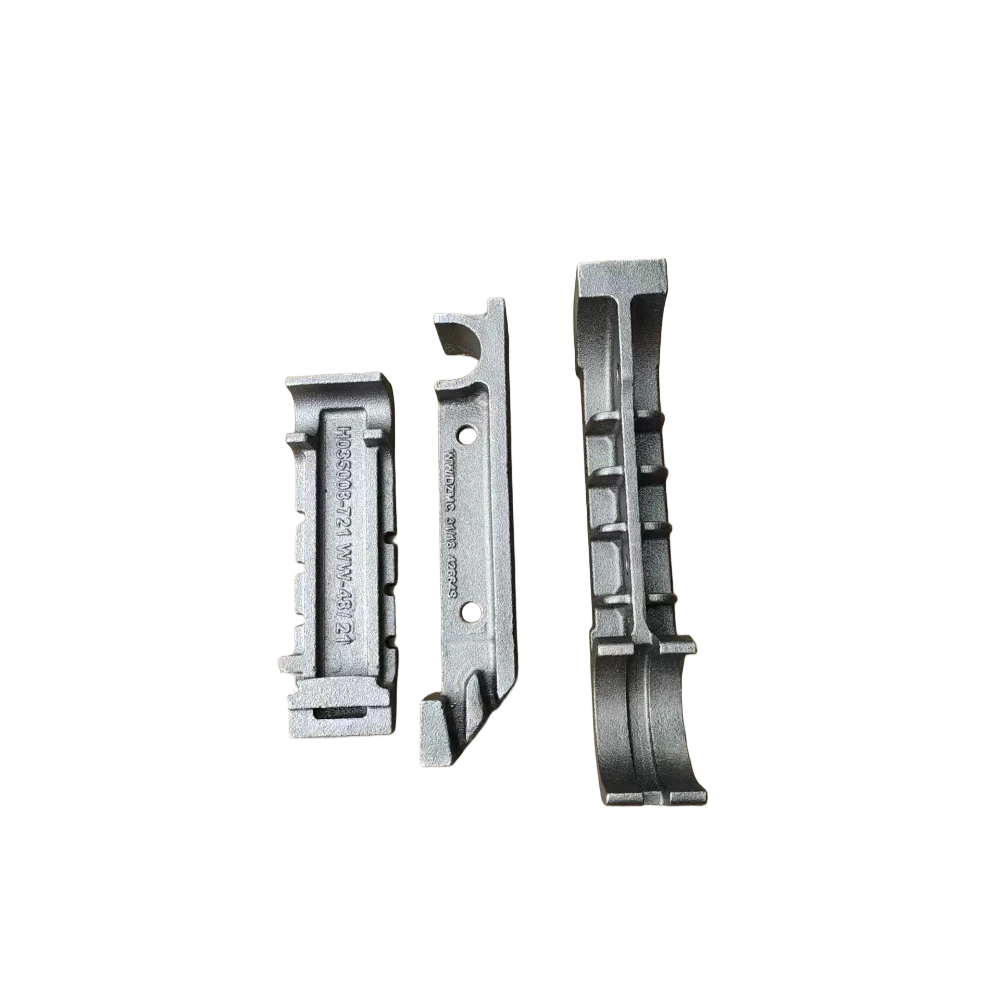
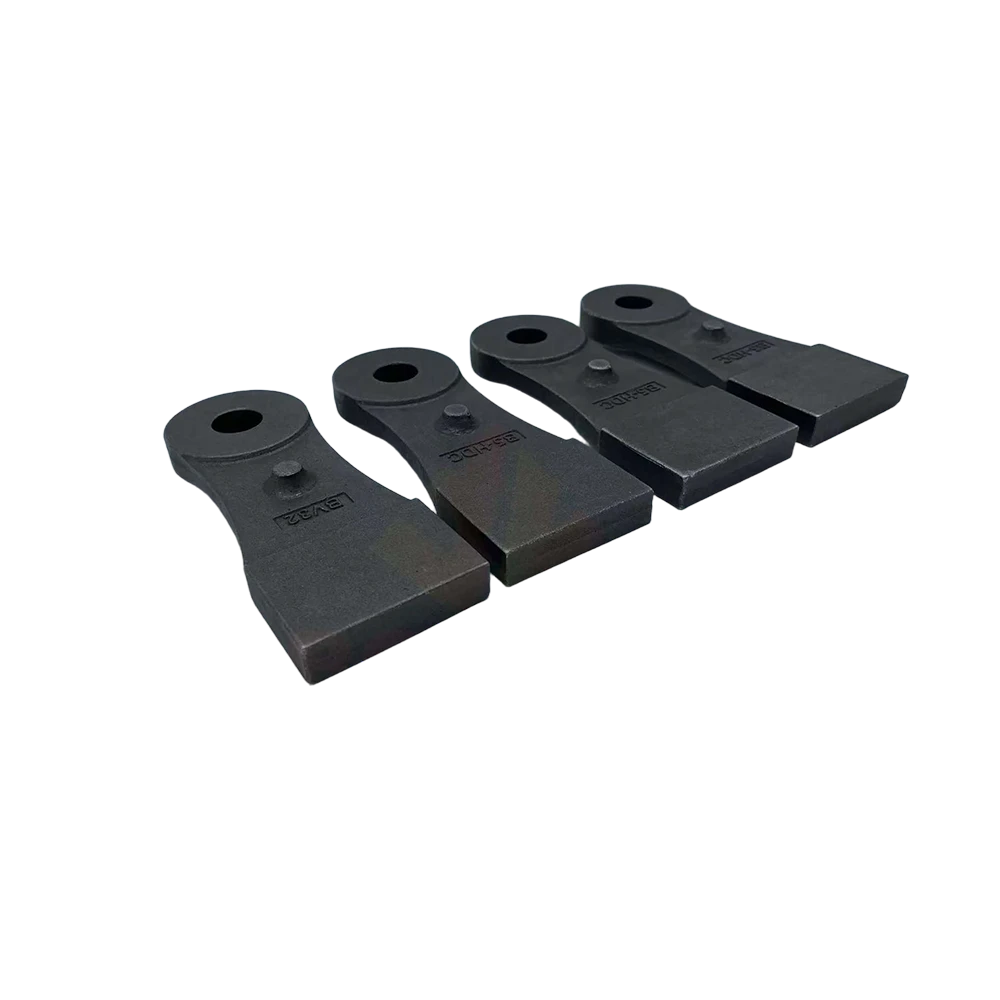
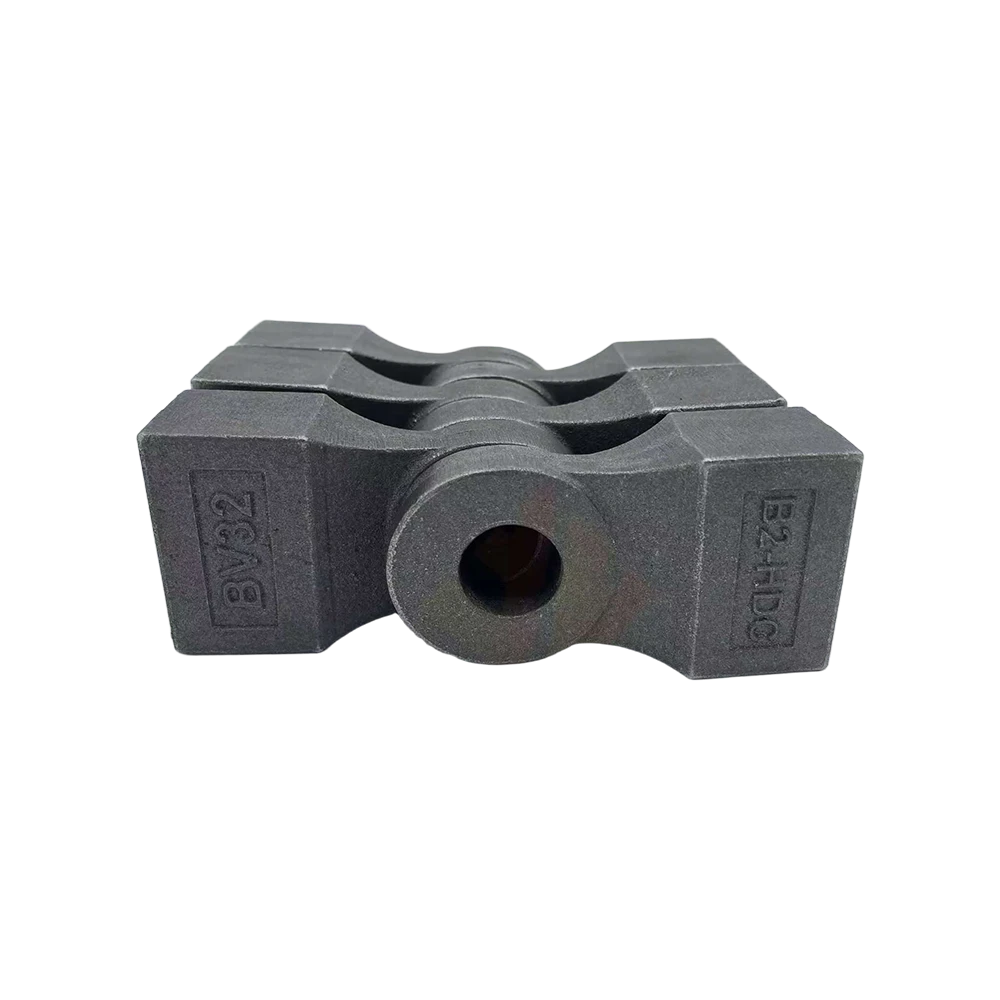
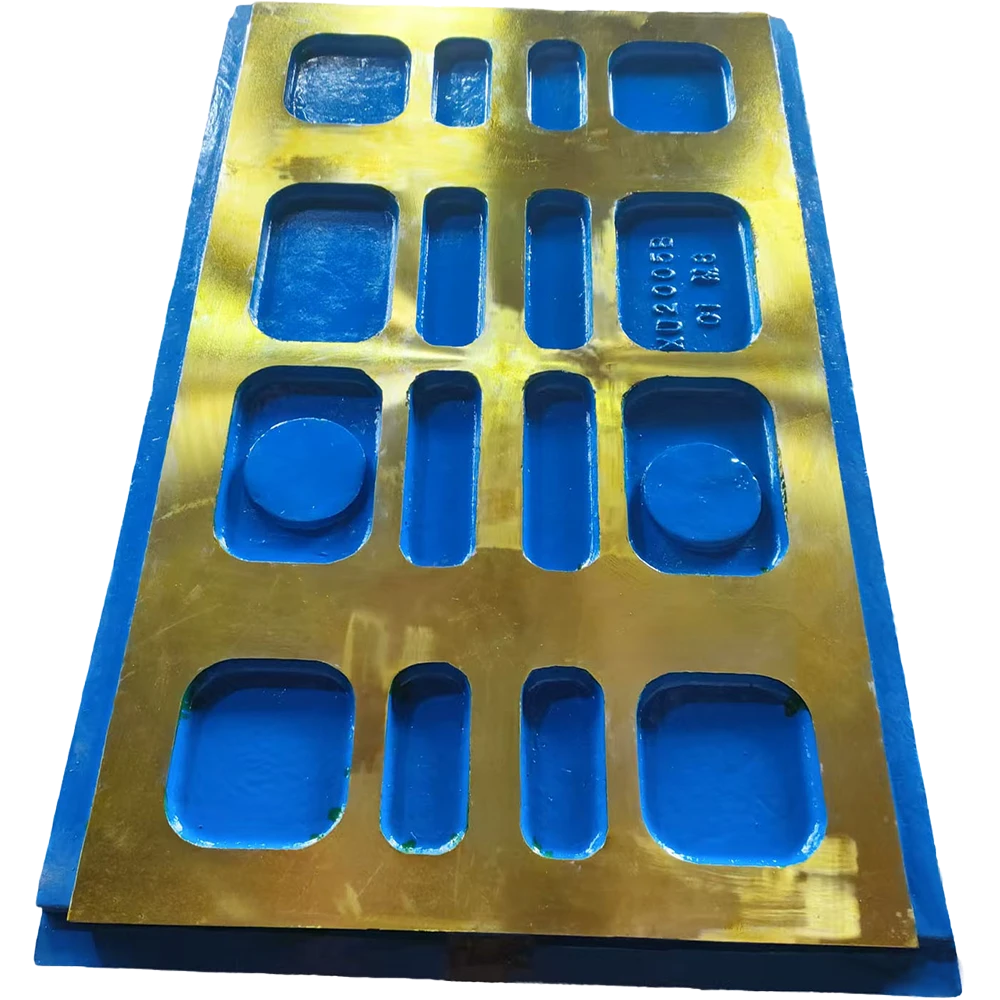
Heat Resistant Steel Castings is a key solution in the industry, specifically within high-temperature manufacturing, power generation, and petrochemical sectors. This article explores how https://www.dzmccasting.com supports professionals with durable, high-performance products, and explains why this product is an ideal choice for businesses in these sectors.
Table of Contents
- Heat Resistant Steel Castings Overview
- Benefits & Use Cases of Heat Resistant Steel Castings
- Cost, Maintenance & User Experience
- Sustainability & Market Trends
- Frequently Asked Questions
- Conclusion on Heat Resistant Steel Castings from China
Heat Resistant Steel Castings Overview
In the world of heavy industry, materials that can withstand extreme heat without losing strength are absolute essentials. Heat resistant steel castings, frankly, have carved out a vital niche here — they’re specially engineered alloys designed to endure high temperatures while resisting oxidation, corrosion, and thermal fatigue. At DZMC Casting, these castings undergo rigorous engineering and metallurgical processes to ensure they meet precise specs demanded by industries like power plants, refineries, and chemical processing.
- Heat resistant steel castings are typically formulated with elements such as chromium, nickel, molybdenum, and sometimes cobalt to maximize heat tolerance and corrosion resistance.
- One case study showed that using DZMC’s castings in an industrial furnace dramatically extended component lifespan, reducing downtime significantly over an 18-month period.
| Property | Value |
|---|---|
| Maximum Service Temperature | up to 1100°C (2012°F) |
| Tensile Strength | 550–750 MPa |
| Chromium Content | 18–25% |
| Nickel Content | 8–15% |
| Impact Resistance | Excellent at elevated temperatures |
Benefits & Use Cases of Heat Resistant Steel Castings
The appeal of these castings goes beyond simply shrugging off heat — they offer enhanced mechanical strength combined with corrosion resistance, something you won’t get with regular steel. In industries where safety and reliability matter (think petrochemical reactors or steam turbine components), these castings help keep operations smooth and predictable. Oddly enough, many decision makers often underestimate how much material choice reduces maintenance headaches and production halts.
- Power sector components such as valves, burners, and heat exchangers benefit due to long-term oxidation resistance.
- In petrochemical plants, high corrosion resistance keeps equipment functional despite harsh chemical exposure.
| Feature | DZMC Casting | Competitor A | Competitor B |
|---|---|---|---|
| Customization Options | Extensive alloy and dimension flexibility | Limited grades & sizes | Standard offerings only |
| Lead Time | 4-6 weeks average | 6-8 weeks | 5-7 weeks |
| Quality Certifications | ISO 9001, PED, and CE | ISO 9001 only | ISO 9001 only |
| After-Sales Support | 24/7 technical assistance | Business hours only | Limited support hours |
Cost, Maintenance & User Experience
When you look at the total cost of ownership, heat resistant steel castings might seem like a bigger initial investment. But, in real terms, their durability and reduced maintenance intervals often translate to a solid ROI. Many engineers I’ve chatted with have noted how switching to DZMC’s castings cut unplanned repairs by half. That kind of reliability isn’t just a cost saver — it’s a production saver.
- Long-term resistance to thermal fatigue means fewer replacements and refurbishments.
- Customers in petrochemicals report better uptime and smoother process control since adopting these castings.
Sustainability & Market Trends
Sustainability increasingly shapes how industries source materials. Heat resistant steel castings lend themselves well to circular economy principles due to their long life and recyclability. As stricter regulations emerge worldwide, businesses need to align with them, and adopting superior materials is one smart step. Oddly enough, despite some believing steel-intensive products hinder green goals, advances in metallurgy mean these castings can contribute to lower emissions over their service life thanks to improved efficiency and less waste.
Frequently Asked Questions about Heat Resistant Steel Castings
- What is Heat Resistant Steel Castings and how does it work?
- Heat resistant steel castings are metal components made from steels alloyed with elements like chromium and nickel to resist deformation and corrosion at high temperatures. They work by maintaining mechanical strength and oxidation resistance even when exposed to extreme heat, which is critical in harsh industrial conditions.
- What are the main benefits of using Heat Resistant Steel Castings in industrial applications?
- The biggest benefits include extended component life, excellent resistance to thermal fatigue, and corrosion resistance, which together result in fewer breakdowns, lower maintenance costs, and more efficient operations.
- How does Heat Resistant Steel Castings compare to traditional alternatives?
- Compared to conventional carbon or low alloy steels, these specialized castings handle higher temperatures without scaling or warping. They often outperform traditional materials in longevity and reliability within extreme environments.
- What industries can benefit most from Heat Resistant Steel Castings implementation?
- Primary sectors include power generation (boilers, turbines), petrochemical and chemical processing, metallurgy, and cement manufacturing where equipment faces high heat and corrosive atmospheres.
Conclusion on Heat Resistant Steel Castings from China
To wrap up, Heat Resistant Steel Castings represent a smart, strategic investment for businesses aiming to ensure durability, efficiency, and compliance in demanding industrial environments. Their tailored properties, backed by suppliers like DZMC Casting, help operators reduce downtime and maintenance, thus improving profitability. So, if heat endurance and long-term performance are on your checklist, these castings deserve a close look.
- Recap the value of Heat Resistant Steel Castings.
- Visit our website: https://www.dzmccasting.com
In the end, it’s often the materials you don’t see that keep your plant running smoothly—and heat resistant steel castings fit that bill perfectly.
- Industry standards on heat resistant alloys – ASM International
- User case studies from petrochemical plants – Journal of Materials Engineering
- Sustainability impacts of advanced metallurgical products – Steel Research Int.
-
High Performance oem cast heat resistant steel for Industrial UseNewsApr.16,2026
-
Guide to Selecting High Quality Cast Heat Resistant Steel AlloysNewsApr.09,2026
-
Custom Cast Heat Resistant Steel Solutions for High Temperature ApplicationsNewsApr.07,2026
-
Comprehensive Guide to Wholesale Cast Heat Resistant Steel for Industrial ApplicationsNewsApr.04,2026
-
Comprehensive Guide to High Performance Heat Resistant Metal Product SolutionsNewsMar.31,2026
-
Expert Guidance on Heat Resistant Metal Quotes and Alloy SelectionNewsMar.28,2026