Comprehensive Guide to Sintering Machine Parts | Industry & Global Benefits
Sintering Machine Parts: The Backbone of Advanced Manufacturing
When you think of the components that drive modern industry, sintering machine parts might not be the first topic that springs to mind — but they truly are unsung heroes. Globally, as manufacturing demands increase and materials science pushes boundaries, the reliability and precision of sintering machines become critical. Understanding these parts isn’t just a technical curiosity; it’s essential for industries ranging from aerospace to electronics, and even humanitarian operations where rapid prototyping or durable components are required.
Introduction: Sintering Machine Parts in the Global Industrial Landscape
Across continents, the manufacturing sector has been growing steadily — the World Bank reports manufacturing value-added grew by over 3% annually in many emerging economies. A large share of this growth rides on powder metallurgy processes like sintering. According to ISO standards and industrial reports, sintering machines enable the creation of parts with high dimensional accuracy and strength without waste. The challenge? Maintaining and sourcing high-quality sintering machine parts that meet stringent quality and durability standards to keep production lines smooth and cost effective.
Companies often face downtime costs when parts wear out or underperform. So the stakes are high — reliable sintering machine parts ensure less downtime, better product quality, and improved sustainability through efficient material usage.
What Exactly Are Sintering Machine Parts?
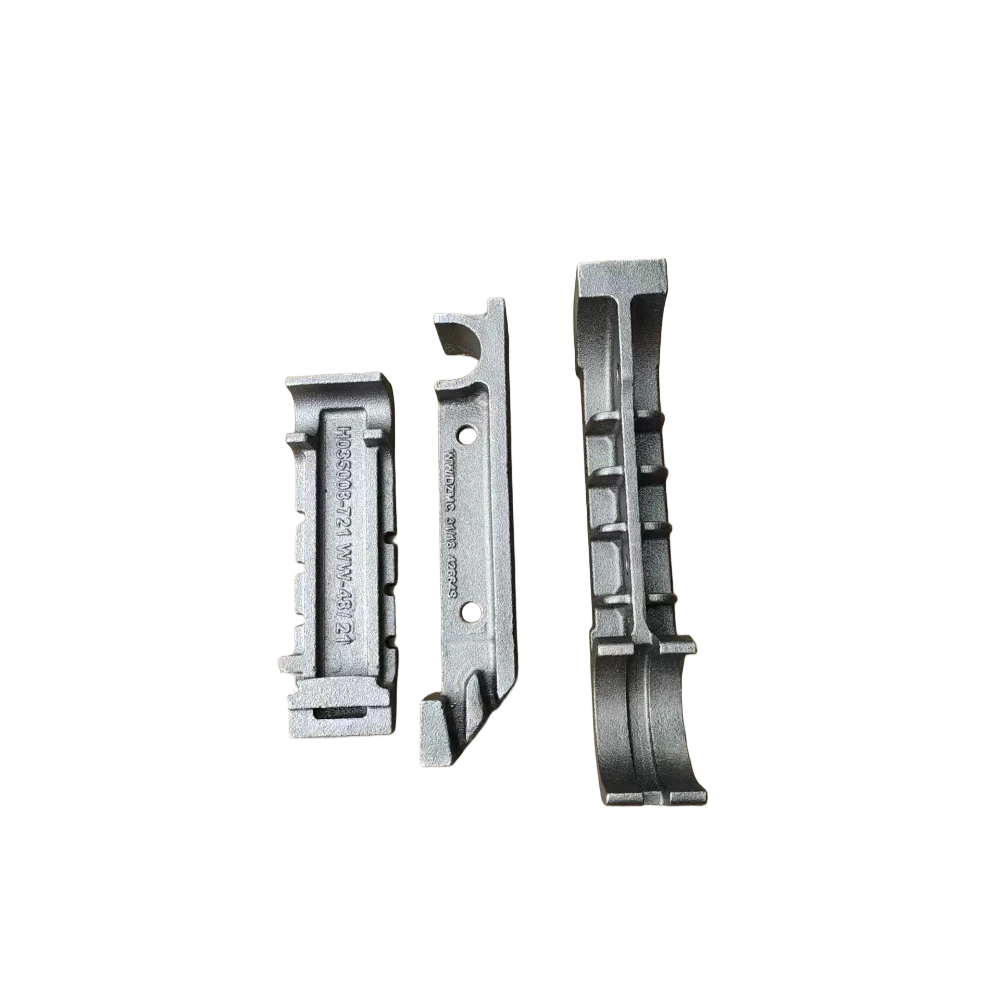
Put simply, sintering machine parts are the individual components that make up the machinery used in the sintering process — a high-temperature technique that fuses powdered materials into solid shapes without melting them entirely. These parts include everything from furnace elements, support trays, conveyor systems, to temperature sensors and control interfaces.
They’re integral to industries that need precision-engineered components such as automotive manufacturers crafting engine parts, electronics firms producing magnetic materials, and even in medical device production. On a broader scale, sintering technology supports humanitarian efforts by enabling the fast manufacture of durable parts for equipment used in disaster zones or remote locations.
Core Components of Sintering Machine Parts
Durability
Durability is key because these parts operate under extreme temperatures — often beyond 1200°C — and need to resist thermal shock as well as corrosion. Materials like high-grade steel alloys or ceramics are commonplace to ensure longevity.
Precision and Control
Accurate temperature control components and sensors guarantee consistent sintering quality. Without them, you’d risk uneven fusing, leading to defective parts, wasted material, or even machine damage.
Scalability
Machines and their parts must accommodate different batch sizes and component complexities. Modular parts enhance scalability, letting manufacturers adapt quickly to market demands.
Cost Efficiency
While high-quality parts initially seem pricey, their extended service life and reduced failure rates bring savings that ultimately justify the investment.
Energy Efficiency
Innovations in part design contribute to lower energy consumption — a critical factor as industries push for sustainability in operations.
Quick Product Spec Summary
| Component | Material | Max Operating Temp | Service Life |
|---|---|---|---|
| Furnace Element | Molybdenum Alloy | 1800°C | 18 months |
| Conveyor Roller | Heat-treated Stainless Steel | 1200°C | 24 months |
| Temperature Sensor (Thermocouple) | Platinum-Rhodium | 1600°C | 36 months |
Global Applications & Use Cases
The versatility of sintering machine parts is reflected in their wide applications:
- Automotive industry: Manufacturing high-strength, lightweight engine and transmission components.
- Electronics manufacturing: Producing magnetic cores and conductive parts that require consistent microstructure.
- Medical devices: Creating precise implants and surgical tools.
- Defense and aerospace: Components that must withstand extreme conditions reliably.
- Post-disaster relief: Rapid fabrication of spare parts for equipment in remote zones where supply chains falter.
For instance, in Japan’s earthquake aftermath, local manufacturers used advanced sintering machines equipped with robust parts to produce critical machine elements for reconstruction efforts — a small example of technology aiding humanitarian action.
Vendor Comparison: Top Sintering Machine Parts Suppliers
| Supplier | Material Quality | Customization Options | Delivery Time | After-sales Support |
|---|---|---|---|---|
| DZMCCasting | Premium alloy steel | High (custom specs available) | 2-3 weeks | 24/7 technical support |
| GlobalPowderTech | Standard stainless steel | Medium (limited custom shapes) | 3-4 weeks | Business hours only |
| SinterParts Inc. | Ceramic composites | High (specialized orders) | 4-6 weeks | Limited support after sales |
Advantages & Long-Term Value of Quality Sintering Machine Parts
Investing in top-grade sintering machine parts isn’t just a balance sheet consideration — it’s about trust and innovation.
- Cost Savings: Reduced machine downtime means smoother production runs.
- Sustainability: Enhanced energy efficiency and less material waste align with global carbon reduction goals (see ISO Environmental Management).
- Social Impact: Enabling rapid manufacturing in critical areas supports communities worldwide.
- Reliability: Dependable parts build customer confidence and end-product quality.
In real terms, companies say that spending a little extra upfront on superior components pays dividends that last years. Frankly, it’s the difference between firefighting maintenance and proactive innovation.
Emerging Trends & Innovations in Sintering Machine Parts
Looking forward, several exciting trends are shaping the future:
- Green Energy Integration: Parts optimized for electric furnace technologies that reduce fossil fuel use.
- Smart Sensors & IoT: Embedded sensors that communicate real-time data to operators for predictive maintenance.
- Advanced Materials: New alloys and composite materials improving durability and thermal resistance.
- Automation & Digital Twins: Virtual simulations allowing precise customizations before manufacturing.
All these point to a future where sintering machines become even smarter, leaner, and greener.
Challenges & How to Overcome Them
Of course, not all is simple sailing. Common issues include part wear leading to unexpected downtime, supply chain delays, and compatibility problems with aging machinery.
Experts recommend a few strategies:
- Regular part inspections aided by digital diagnostic tools.
- Partnering with suppliers like DZMCCasting that specialize in custom, reliable parts delivery.
- Investing in training for maintenance crews to spot early warning signs.
Ultimately, a mix of technology and human insight helps keep challenges in check.
FAQ: Frequently Asked Questions About Sintering Machine Parts
Q: How can I tell when a sintering machine part needs replacement?
A: Signs include inconsistent temperature readings, visible wear or deformation, and decreased product quality. Scheduled inspections combined with sensor data can improve accuracy.
Q: Are customized sintering machine parts worth the additional cost?
A: Absolutely. Custom parts often mean better fit, improved performance, and longer service life — all reducing long-term costs.
Q: Is it possible to retrofit older machines with newer sintering parts?
A: Many parts can be adapted or custom-made for legacy equipment, but this should be done with expert consultation to ensure compatibility and safety.
Q: What industries rely most heavily on high-quality sintering machine parts?
A: Automotive, aerospace, electronics, medical device manufacturing, and increasingly defense contractors due to the precision and durability requirements.
Q: How does purchasing from a reputable vendor impact operations?
A: Reliable vendors provide consistent quality, support, and timely delivery — minimizing downtime and maximizing productivity.
Conclusion: Why Investing in Sintering Machine Parts Makes Sense
To wrap up, the long-term benefits of quality sintering machine parts ripple across operational efficiency, cost control, and sustainable innovation. Whether you’re running a small production line or a sprawling industrial operation, these components are foundational to your success. If you want to dive deeper or explore custom solutions, I recommend visiting our website — they’re specialists in reliable, high-performance sintering machine parts.
Ultimately, it feels like the small cogs that make the industrial wheel turn smoother—and that’s no small feat in today’s competitive landscape.
Mini takeaway: Quality sintering machine parts prevent costly disruptions, boost sustainability, and unlock innovation in diverse industries.
References:
-
High Performance oem cast heat resistant steel for Industrial UseNewsApr.16,2026
-
Guide to Selecting High Quality Cast Heat Resistant Steel AlloysNewsApr.09,2026
-
Custom Cast Heat Resistant Steel Solutions for High Temperature ApplicationsNewsApr.07,2026
-
Comprehensive Guide to Wholesale Cast Heat Resistant Steel for Industrial ApplicationsNewsApr.04,2026
-
Comprehensive Guide to High Performance Heat Resistant Metal Product SolutionsNewsMar.31,2026
-
Expert Guidance on Heat Resistant Metal Quotes and Alloy SelectionNewsMar.28,2026