Cone Crusher Parts Name Explained: Expert Insights & Supplier Comparison
Understanding Cone Crusher Parts Name: A Veteran’s Take
You know, after spending a good chunk of my career among heavy machinery — initials like MP1000 and models from everywhere — I’ve come to realize one thing: knowing your cone crusher parts name is not just a checkbox on a training sheet. It’s genuine practical wisdom. Whether you're maintaining a crusher or just trying to figure out what part just gave way, a clear mental map helps you save time, money, and headaches.
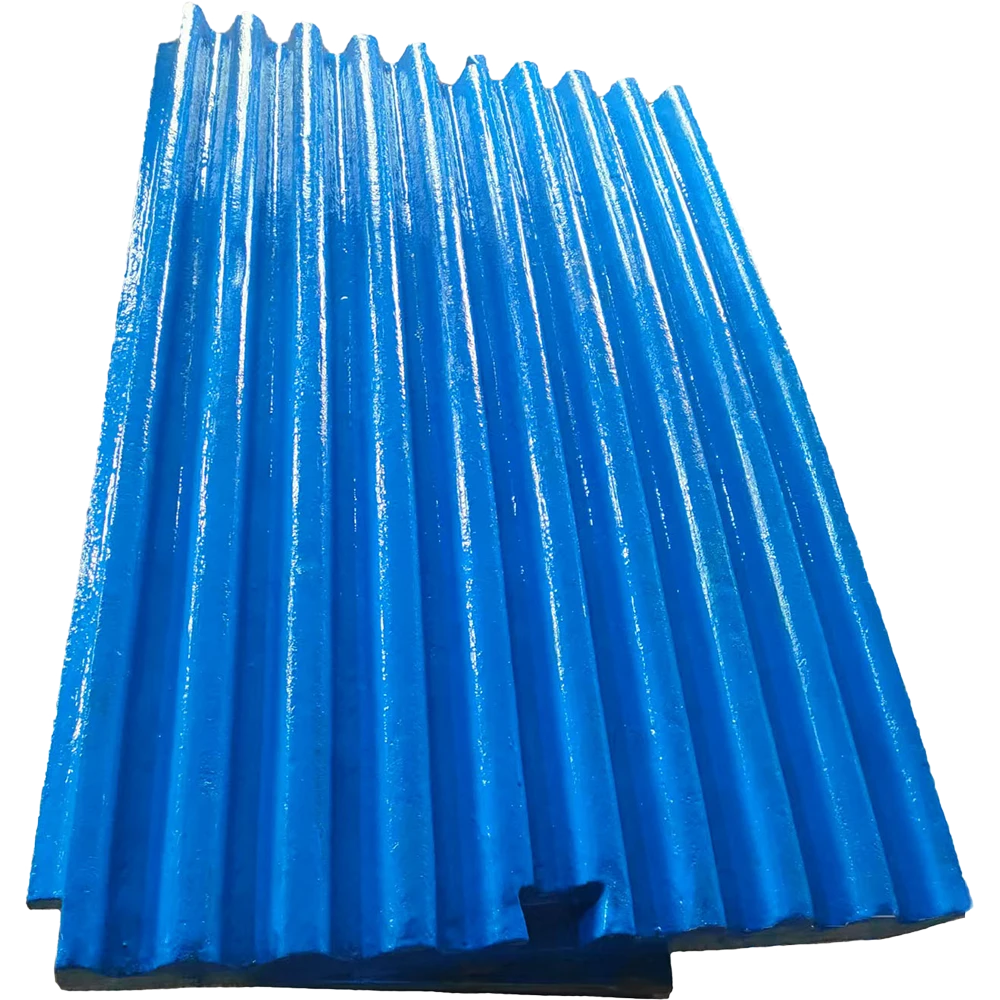
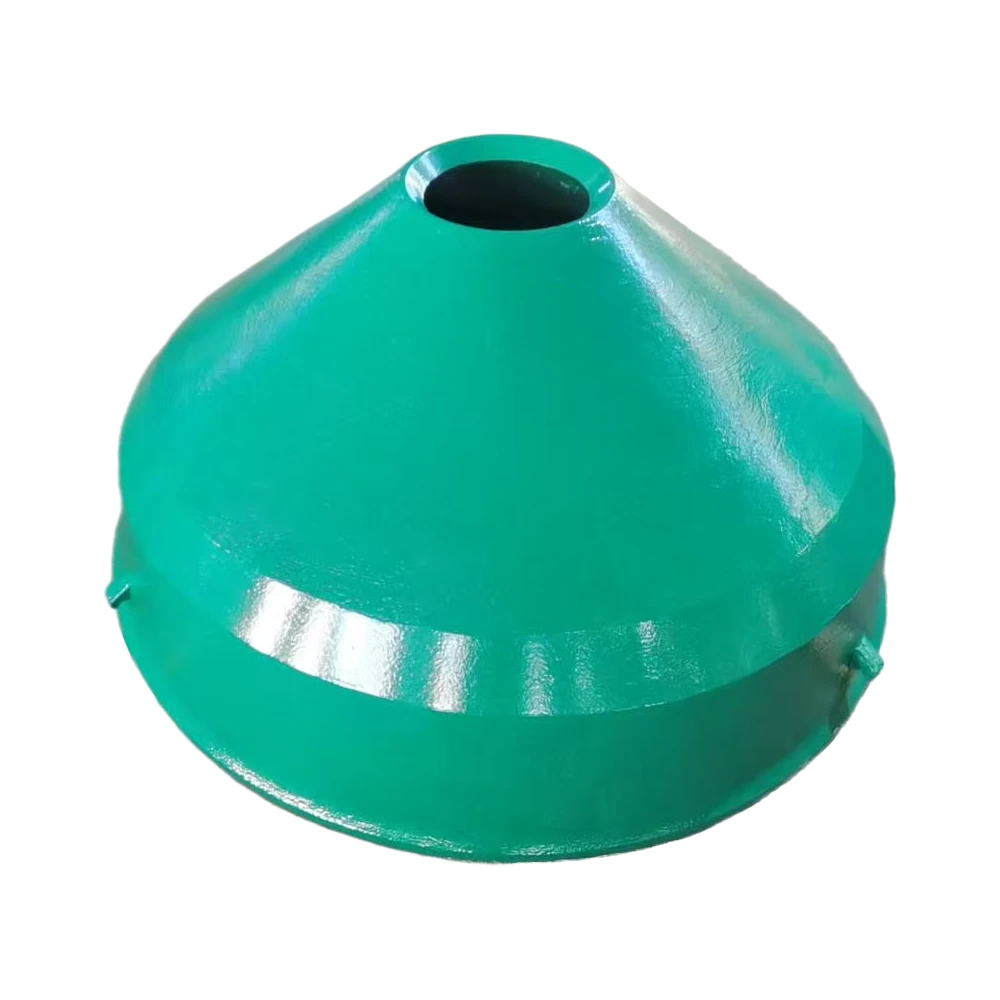
Cone crushers, frankly, have this elegant simplicity but an intricate complexity underneath. At their core, they're all about crushing rock or ore between a moving cone (the mantle) and a fixed piece (the concave). But knowing all the parts and their names — from the head nut to the eccentric bushing — makes you feel more in tune with the machine.
Key Cone Crusher Parts and Their Roles
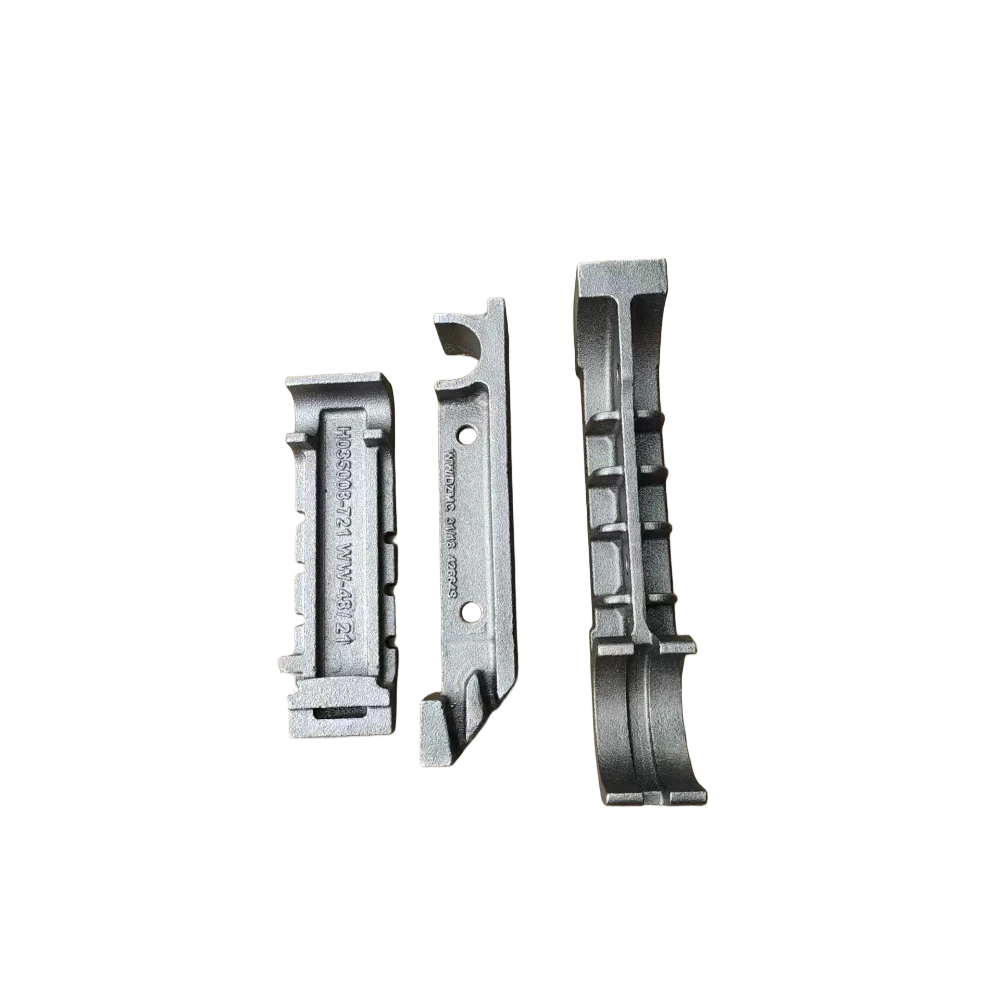
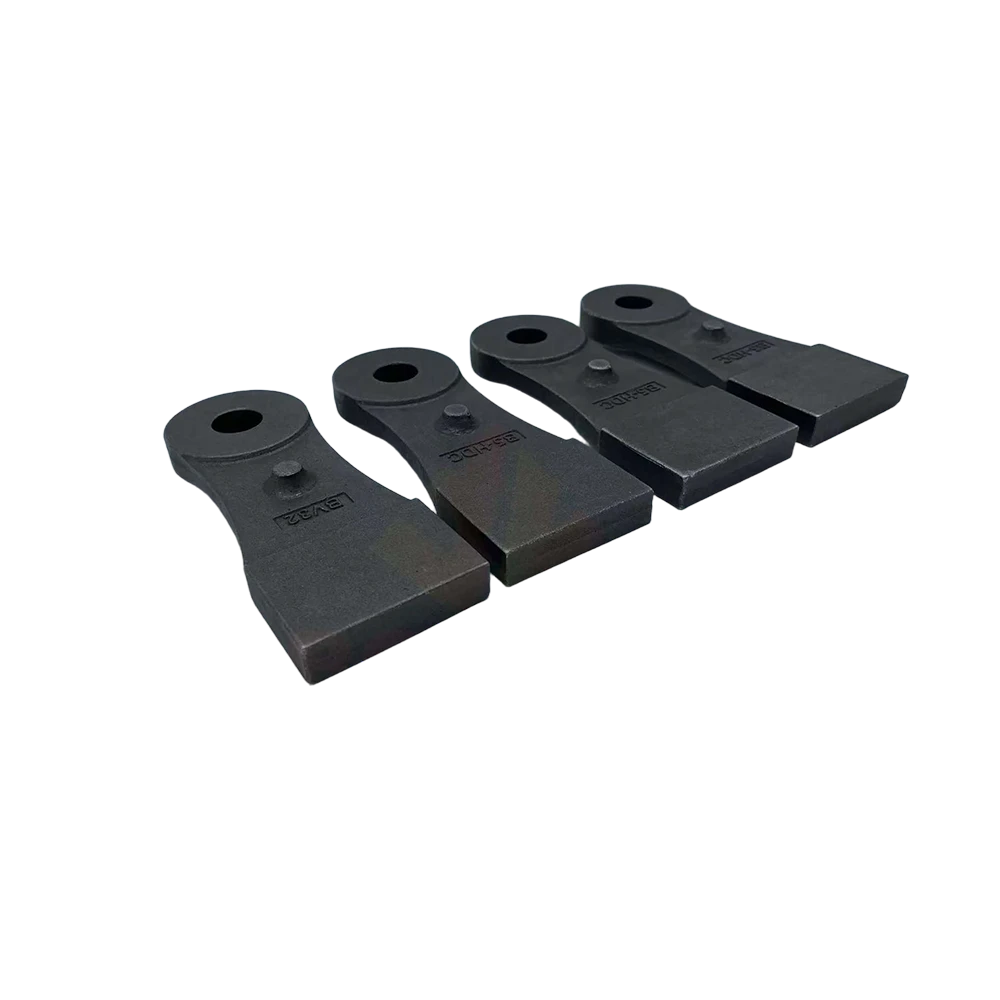
Here’s a rundown of the essential elements you’d find in most cone crushers. I’m sticking with common terminology, though brands might mix terms a bit.
| Part Name | Description | Function |
|---|---|---|
| Mantle | Conical, rotating wear part | Crushes material by squeezing against concave |
| Concave (or Bowl Liner) | stationary wear liner | Resists abrasion & crushes material against mantle |
| Eccentric Bushing | Sleeve allowing offset rotation | Creates the gyrating motion of the mantle |
| Main frame | Support structure | Holds all components together |
| Head Nut | Threaded fastener at the top | Secures the mantle to the shaft |
| Lubrication System | Pump or grease system | Keeps bearings and moving parts cool |
When I first started in the field, confusing parts like the head nut and eccentric bushing always threw me off until a seasoned mechanic walked me through a rebuild. Oddly enough, it really stuck — you never forget the moment when the “why” clicks into place.
Choosing the Right Parts Supplier: What to Look For
It’s one thing to know the name of a part; it’s another to trust the quality of replacement parts. I recently compared a few suppliers for their wear part quality, availability, and pricing. Here’s a quick snapshot of what I noticed:
| Vendor | Material Quality | Lead Time | Price Range | Warranty |
|---|---|---|---|---|
| DZMCCasting | High-grade alloy steel | 2–3 weeks | Mid-range | 12 months |
| Vendor B | Standard steel | 4–5 weeks | Budget | 6 months |
| Vendor C | Premium steel with heat treatment | 3–4 weeks | Premium | 18 months |
What stood out to me about DZMCCasting was their balance — reliable metallurgy and a reasonable lead time, which I think speaks volumes for operations needing both quality and speed. Especially for parts like the mantle, where wear can quickly escalate downtime, quality really matters.
One client I worked with last year actually had a critical shutdown because they used a questionable vendor’s mantles and concaves. The wear pattern was uneven, and it led to a costly rebuild. Since switching to trusted suppliers, their uptime stabilized noticeably — and frankly, that peace of mind is priceless.
Why Knowing Parts Names Matters More Than Ever
In industries driven by efficiency, having a solid grip on these component names isn't just trivia. It’s how your team communicates clearly, orders precisely, and maintains optimally.
Plus, parts like the cone crusher parts name are evolving — newer materials and coatings appear regularly, and staying updated lets you make smarter upgrades, rather than simply replacing in kind. For example, some mantles now come with chromium coatings that increase lifespan, which wasn't an option five years ago.
At the end of the day, a well-understood crusher is a reliable crusher, and as we all know, reliability keeps profits ticking.
Thanks for reading — feel free to dig into the details at your own pace. Sometimes, those little bits of knowledge make the biggest difference out in the yard.
1. Mineral Processing Engineering Texts — classic reference
2. Field notes from industrial maintenance teams (2015–2023)
3. Technical specs and blog posts from DZMCCasting, 2024
— That’s my two cents from the field.
-
High Performance oem cast heat resistant steel for Industrial UseNewsApr.16,2026
-
Guide to Selecting High Quality Cast Heat Resistant Steel AlloysNewsApr.09,2026
-
Custom Cast Heat Resistant Steel Solutions for High Temperature ApplicationsNewsApr.07,2026
-
Comprehensive Guide to Wholesale Cast Heat Resistant Steel for Industrial ApplicationsNewsApr.04,2026
-
Comprehensive Guide to High Performance Heat Resistant Metal Product SolutionsNewsMar.31,2026
-
Expert Guidance on Heat Resistant Metal Quotes and Alloy SelectionNewsMar.28,2026