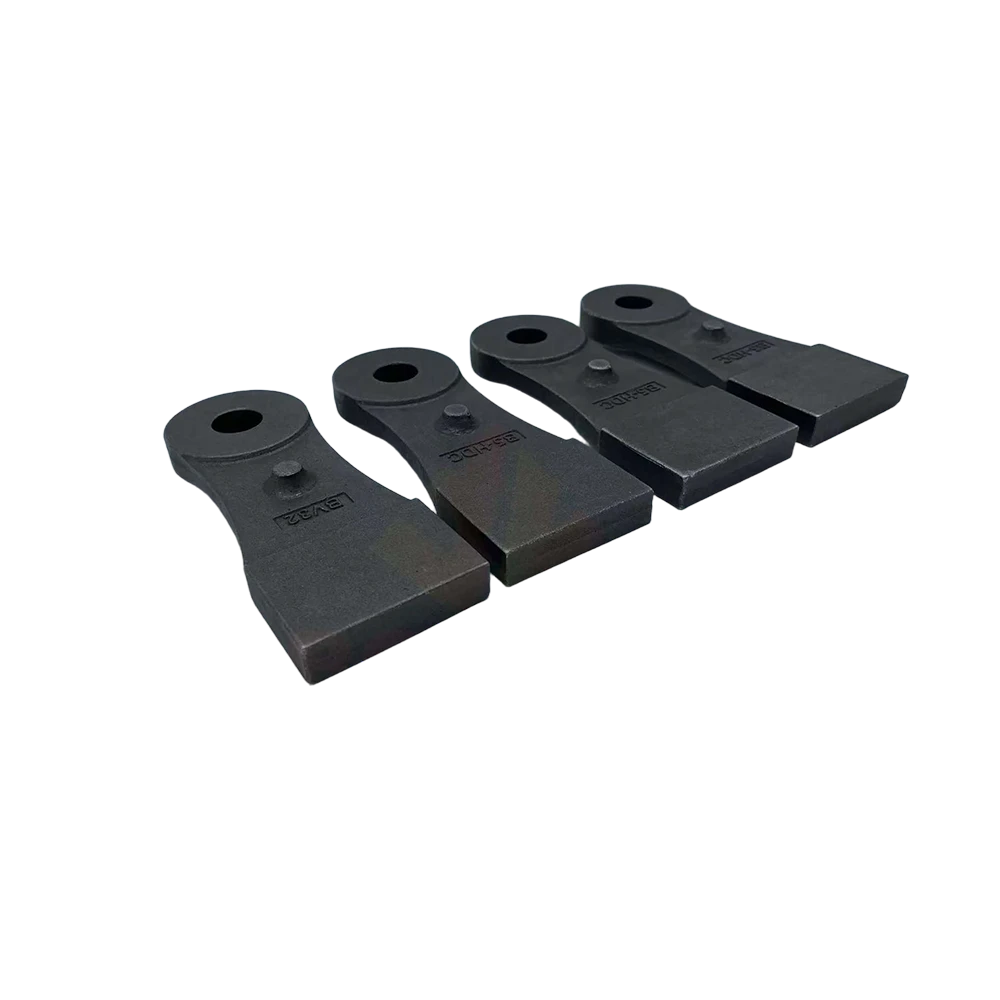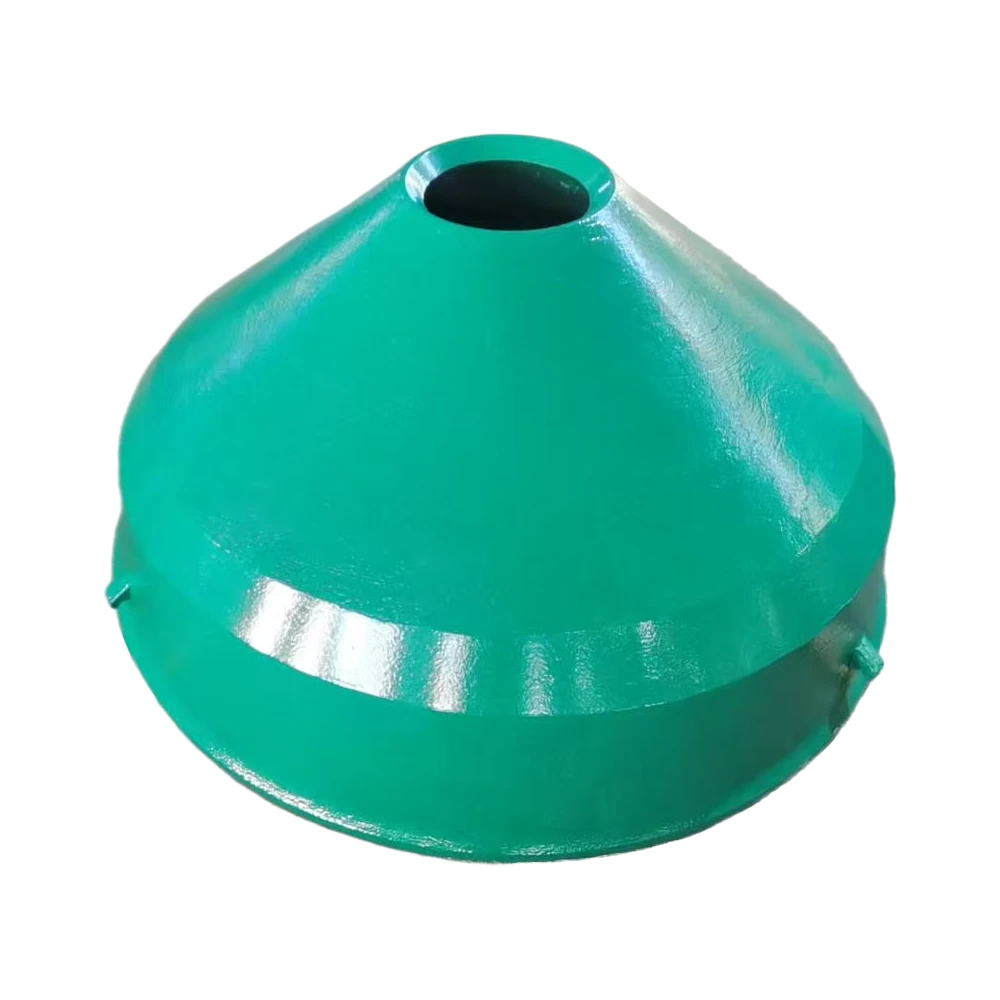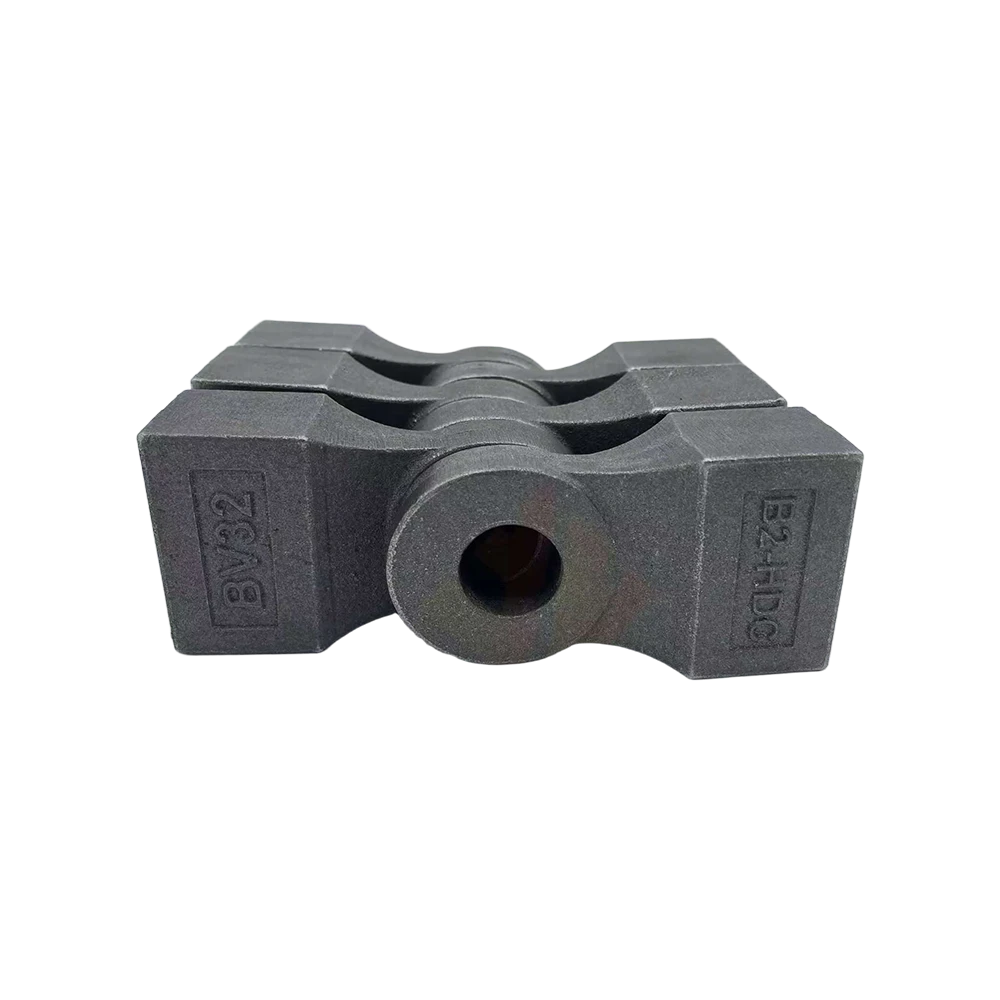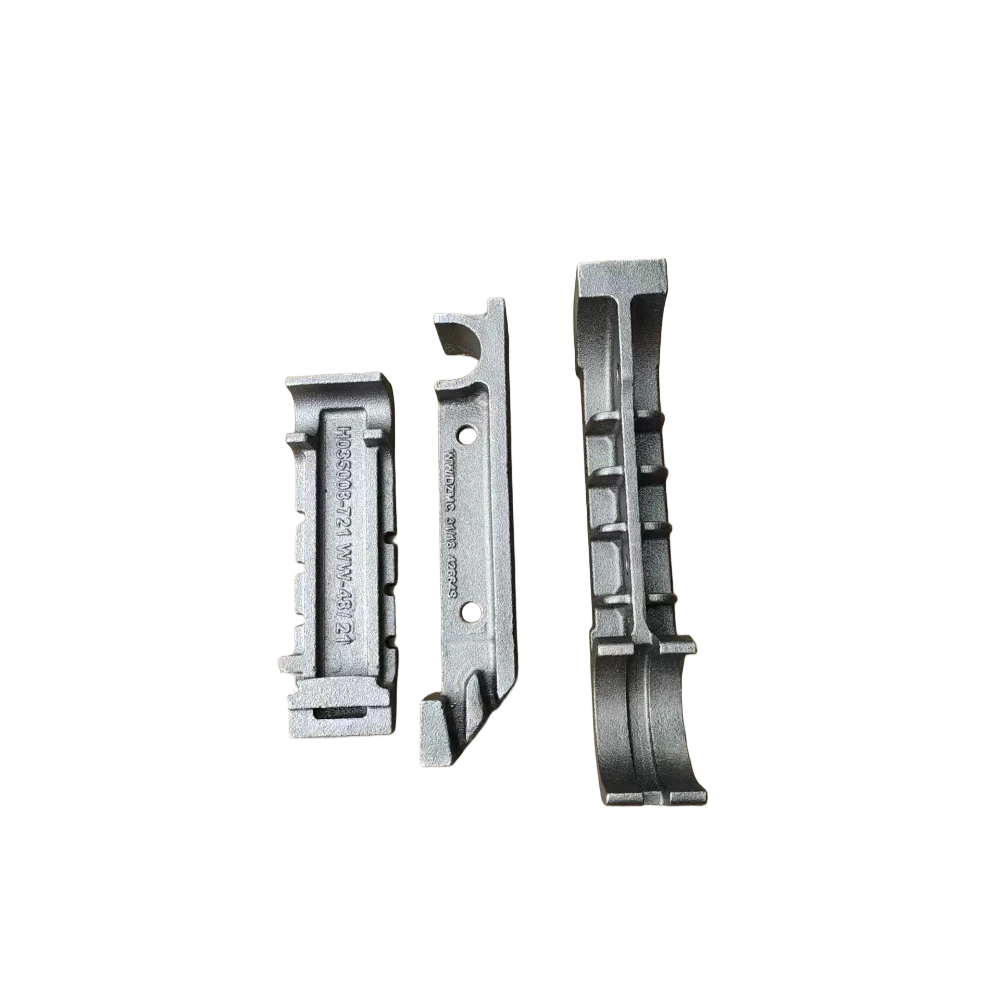
Crusher Hammer Material Specification: A Key to Durability & Efficiency
The Essential Guide to Crusher Hammer Material Specification
If you've ever wondered why some crushers seem tougher and more reliable in harsh environments, the secret often lies in their hammer material specification. Globally, these specifications aren't just technical jargon—they're fundamental guidelines that ensure crushing machines operate efficiently, safely, and with minimum downtime. Understanding crusher hammer material specification means you're tapping into a critical factor that affects global mining, recycling, construction, and even humanitarian infrastructure projects.
Frankly, with the world’s industrial growth and rising demand for raw materials, getting the hammer materials right is a matter of economics, safety, and environmental impact. So why should you care? Because whether you're running a quarry in Brazil, a recycling plant in Germany, or a disaster relief camp in Southeast Asia, these specs shape the lifespan and performance of your equipment.
Global Context: Why Crusher Hammer Material Specification Matters More Than Ever
Around the world, industries rely heavily on crushing machines to break down raw materials. According to the United Nations Industrial Development Organization (UNIDO), the mining sector alone contributes over $1 trillion annually to the global economy. However, one challenge remains: the wear and tear of crusher hammers. When materials aren’t up to par, operators face frequent replacement cycles and costly downtimes.
Reports from ISO indicate that about 30% of maintenance costs in such heavy machinery stem from poor material selection. Not to mention the ecological toll when discarded parts pile up unnecessarily. So, the crusher hammer material specification becomes not just a set of technical parameters but a global priority to optimize resources and promote sustainability.
A quick side note—did you know certain crushers in remote mining areas have had to stop operations simply because of hammers failing prematurely? That’s productivity, livelihoods, and sometimes safety on the line.
What Is Crusher Hammer Material Specification, Exactly?
In simple terms, this specification outlines the required metallurgical and physical properties of hammer components used in crushing machines. Think of it as a recipe, ensuring every ingredient (material) meets stringent criteria like hardness, toughness, and resistance to abrasion.
This means looking beyond basic metal types and diving into alloy compositions, heat treatments, and performance benchmarks. For industrial or humanitarian uses, this means more reliable machinery to break down rubble, ore, or waste—fast and without fail.
Mini Takeaway:
Crusher hammer material specification is the cornerstone of machine durability and operational efficiency worldwide.
Key Factors in Crusher Hammer Material Specification
1. Durability: The Backbone of Performance
Durability is a hot topic among engineers. The hammer material must withstand continuous impact and high abrasion. Common metals like high chromium cast iron or martensitic steel are typical—it’s all about resisting wear without cracking. Add in heat treatment processes, and you get a hammer that lasts longer.
2. Hardness Vs. Toughness: Striking the Right Balance
Hardness helps resist surface wear, but too much of it can make the hammer brittle. Toughness absorbs shock impacts. The specification ensures a balance — otherwise, you risk sudden failures. Material science studies from ISO 6508 and ISO 4967 set the parameters here.
3. Corrosion Resistance: When Humidity and Chemicals Attack
Often overlooked, corrosion can degrade hammers in humid or chemically aggressive environments. Selecting alloys with inherent corrosion resistance or applying protective coatings is vital. This keeps machines running smoothly, especially in extreme climates.
4. Scalability: Material Suitability for Different Hammer Sizes
Crusher hammers come in various sizes—from small ones for recycling plants to massive ones for mining. The specification guides material choice based on size and workload, ensuring that upscaling doesn’t compromise strength or increase weight excessively.
5. Cost Efficiency: Balancing Quality and Expenses
Naturally, heavy-duty materials come with price tags. Specifications help find the sweet spot between performance and cost. Sometimes slightly lower specifications still meet operational needs, optimizing budgets without sacrificing much longevity.
6. Environmental Impact: Towards Greener Machining
As companies push for cleaner operations, specifications increasingly consider recyclable materials or less environmentally harmful production. This reflects a broader industry trend toward sustainability.
Mini Takeaway:
Choosing the right hammer material specification means juggling durability, toughness, corrosion resistance, scalability, and cost—with a side of eco-awareness.
Crusher Hammer Material Specification in Action: Global Applications & Use Cases
Across the globe, industries depend on these specs:
- Mining in Australia and Canada: Large-scale operations use highly specialized steel hammers that meet strict material specs to crunch ore efficiently.
- Construction in the Middle East: Crushers break down concrete and stones at rapid rates, relying on tough, abrasion-resistant hammers.
- Recycling Plants in Europe: Different materials call for hammer materials tolerant of mixed waste streams.
- Humanitarian Aid in Southeast Asia: Post-disaster debris clearing requires hammers that are both robust and quickly replaceable, thanks to clear material specs.
In remote industrial zones, some engineers have crafted local alloy blends following international guidelines to cope with supply chain delays. It’s fascinating how adaptive the industry can be—paralleling what you sometimes see referenced on industry forums: crusher hammer material specification.
Specification Highlights: Typical Product Detail Comparison
| Specification | High Chrome Alloy | Martensitic Steel | Wear-Resistant Cast Iron |
|---|---|---|---|
| Hardness (HRC) | 58 - 62 | 45 - 55 | 50 - 56 |
| Toughness | Moderate | High | Low to Moderate |
| Corrosion Resistance | Good | Fair | Fair |
| Typical Use | High abrasion environments | Impact shock prone | General purpose |
| Typical Cost | High | Medium | Low |
Comparing Vendors: What to Look For When Selecting Hammer Material Suppliers
| Vendor | Material Range | Quality Certifications | Lead Time | Customization | Price Level |
|---|---|---|---|---|---|
| DZMC Casting | High Chrome, Martensitic Steel | ISO 9001, CE | 4-6 weeks | Full customization | Competitive |
| Global Steel Ltd. | Standard alloys only | ISO 9001 | 6-8 weeks | Limited | Moderate |
| SteelPro Specialty | High-end alloys + coating | ISO 9001, ISO 14001 | 5-7 weeks | Extensive | Premium |
Advantages and Long-Term Value of Correct Material Specification
Beyond reducing maintenance costs, the right material specs bring improved safety by limiting sudden hammer failures—a major hazard. Operators feel more confident knowing their machines won’t unexpectedly give out in the middle of a production run.
Environmentally, longer-lived materials mean fewer discarded parts and less waste—when painfully common in older setups, each hammer replacement left discarded steel pieces piling up.
Plus, there's the emotional aspect. Think of the truck driver waiting on crushed aggregates, or the site owner fearing production delays. Knowing your hammer materials are specified for the task restores a kind of trust and dignity in industrial work.
Looking Ahead: Innovations in Crusher Hammer Material Specification
Industry trends are steering towards smart materials—self-healing alloys and digital monitoring integrated into hammers that can predict wear in real-time. Combine this with greener production technologies such as electric arc furnace steelmaking, and you get a sneak peek into the future where specs aren’t static but dynamic.
Automation and IoT integration in crushers also require hammer materials that can support sensor embedding—further expanding what a “specification” means in modern terms.
Challenges and How the Industry Is Tackling Them
The main headache? Supply chain disruptions, inconsistent quality from some vendors, and balancing cost with quality. Fortunately, many firms now use international standards (like ISO for steels) and maintain close partnerships with manufacturers to govern quality.
Another challenge is adapting specifications to new types of materials and recycling fluxes. Expert metallurgists often run custom tests before approving materials, minimizing surprises.
FAQ: Your Crusher Hammer Material Specification Questions Answered
Q1: How do I know which hammer material specification suits my crusher?
It depends on your crusher’s operating environment, the type of materials you crush, and workload. If you deal with highly abrasive rocks, high chromium alloys might be essential. Consulting with suppliers or reviewing crusher hammer material specification guides is a good start.
Q2: Can hammer materials be customized to specific project needs?
Absolutely! Many manufacturers offer customization, including alloy composition and heat treatment adjustments. This ensures that your hammer matches unique operational challenges or environmental factors.
Q3: What is the typical lifespan of a crusher hammer following proper specification?
Lifespan varies, but with proper specs, hammers can last anywhere from 6 months to several years depending on usage intensity and maintenance.
Q4: Are there eco-friendly crusher hammer materials available?
Yes. The industry is moving towards materials that can be recycled more easily and are produced with modern, greener methods. Check for ISO 14001 certification in suppliers to ensure environmental compliance.
Conclusion: Why Understanding Crusher Hammer Material Specification Matters Long-Term
At the end of the day, crushing machines are only as good as the materials powering their key components. Investing a little time to understand crusher hammer material specification brings long-term cost savings, safer operations, and supports global sustainability goals. If you want to dive deeper or source high-quality materials, why not visit https://www.dzmccasting.com and see what the experts offer? Sometimes, a specification sheet tells a better story than words ever can.
References
-
High Performance oem cast heat resistant steel for Industrial UseNewsApr.16,2026
-
Guide to Selecting High Quality Cast Heat Resistant Steel AlloysNewsApr.09,2026
-
Custom Cast Heat Resistant Steel Solutions for High Temperature ApplicationsNewsApr.07,2026
-
Comprehensive Guide to Wholesale Cast Heat Resistant Steel for Industrial ApplicationsNewsApr.04,2026
-
Comprehensive Guide to High Performance Heat Resistant Metal Product SolutionsNewsMar.31,2026
-
Expert Guidance on Heat Resistant Metal Quotes and Alloy SelectionNewsMar.28,2026