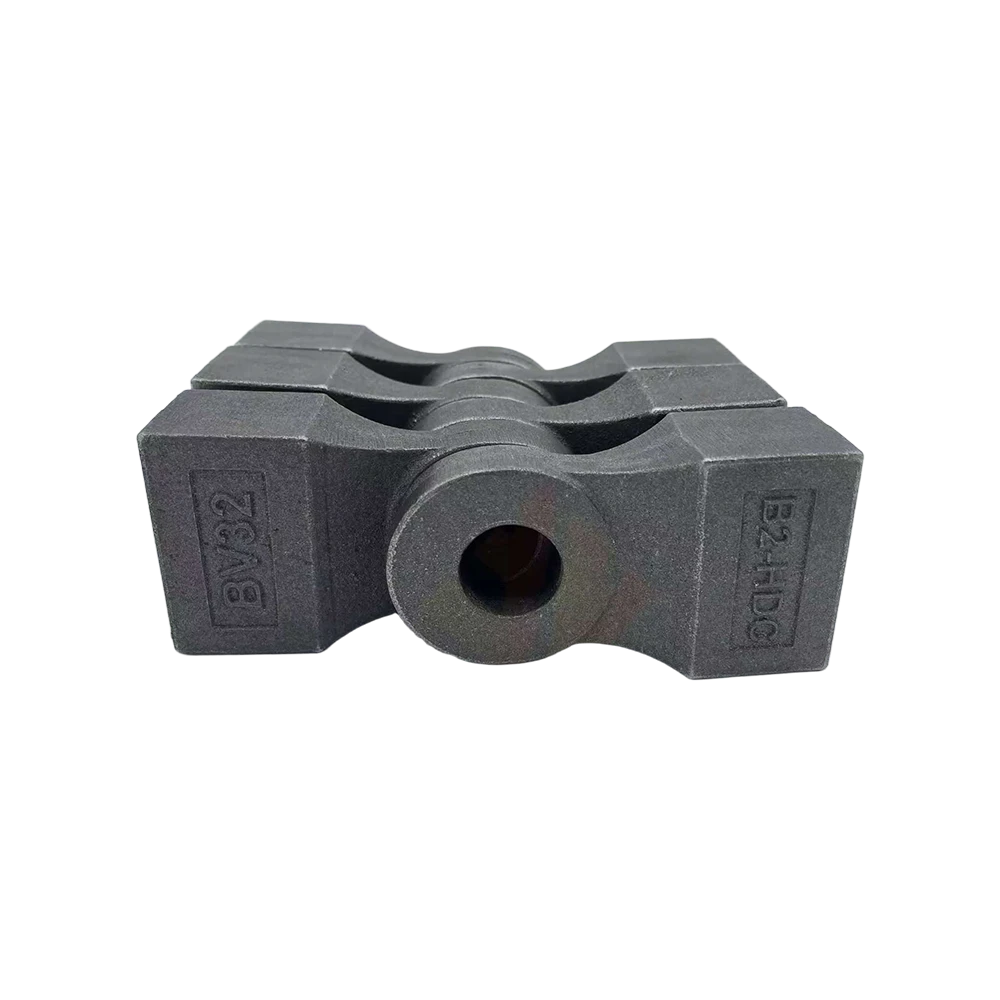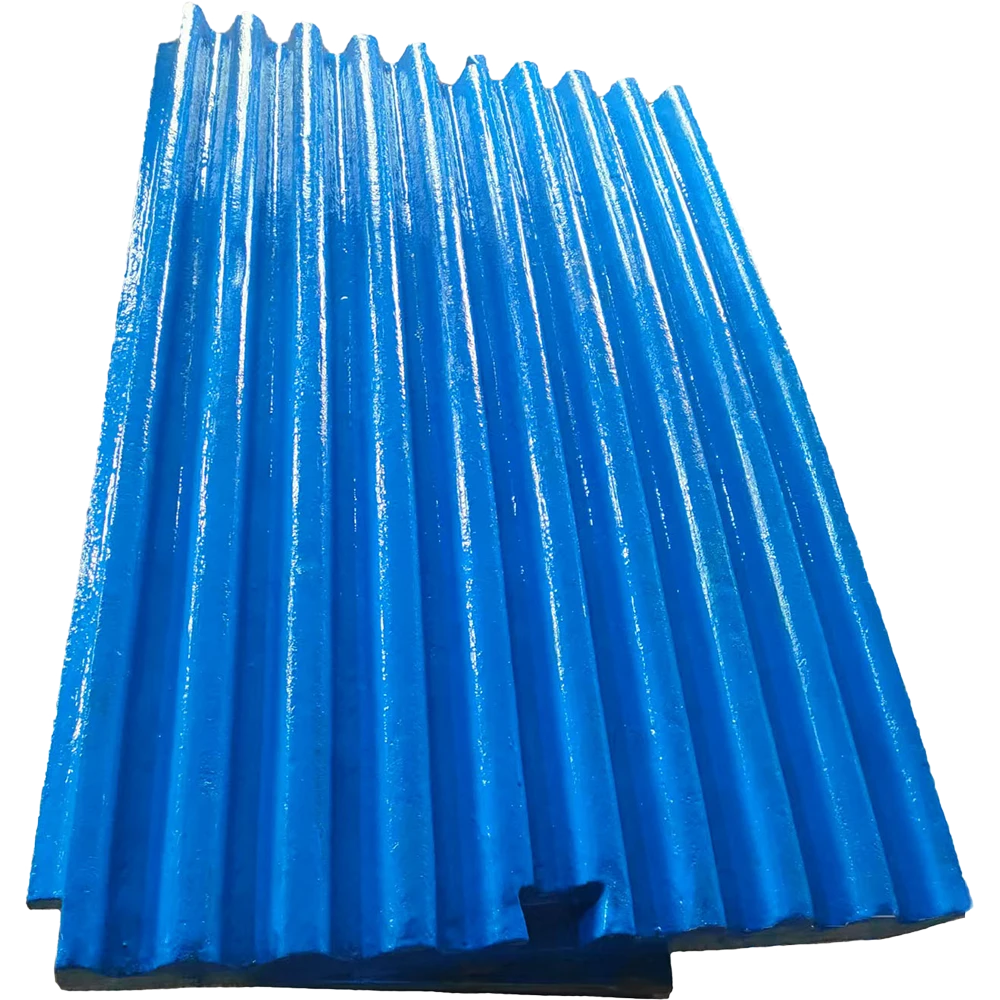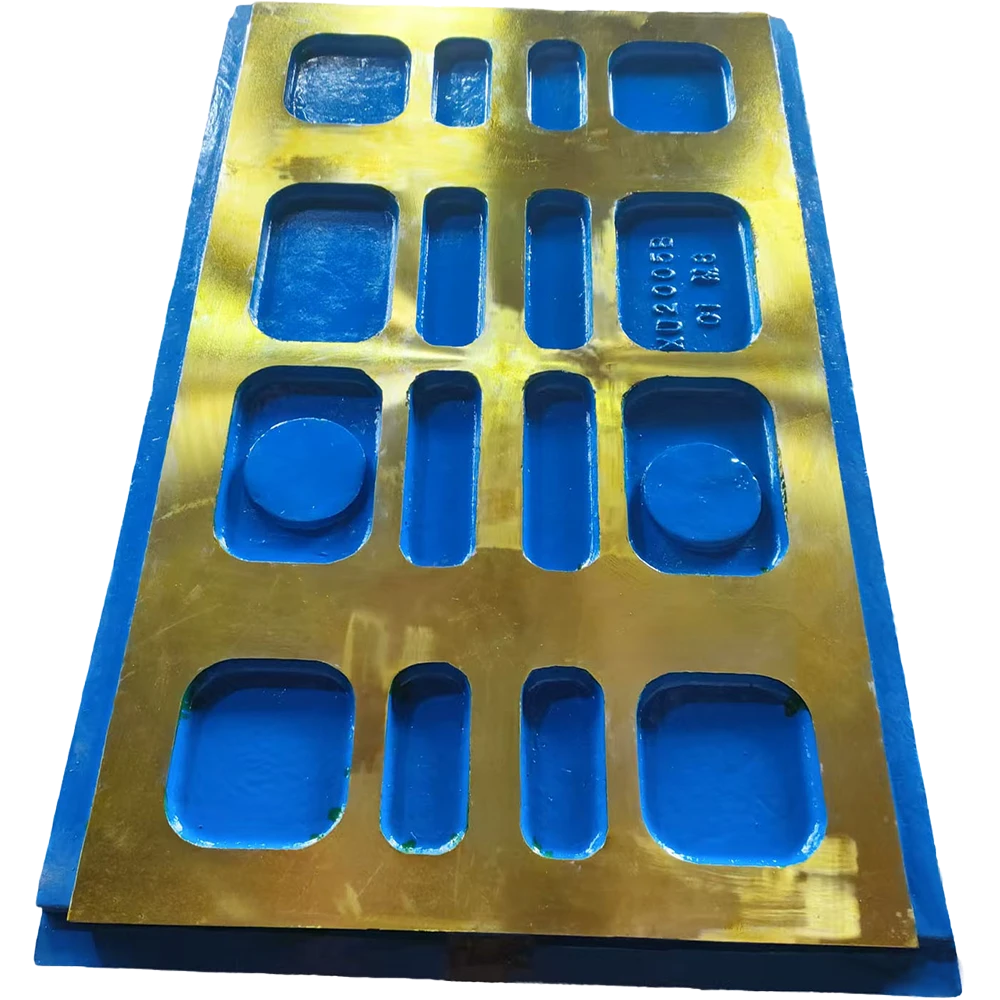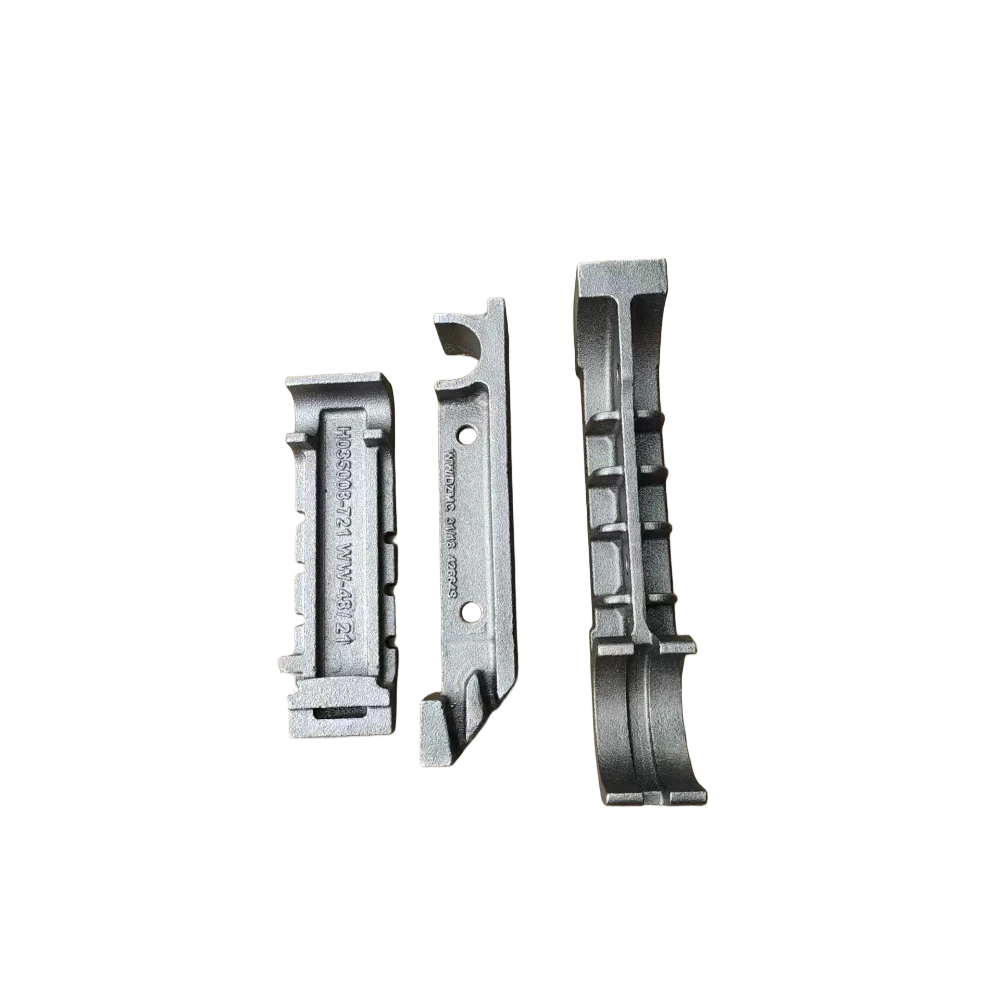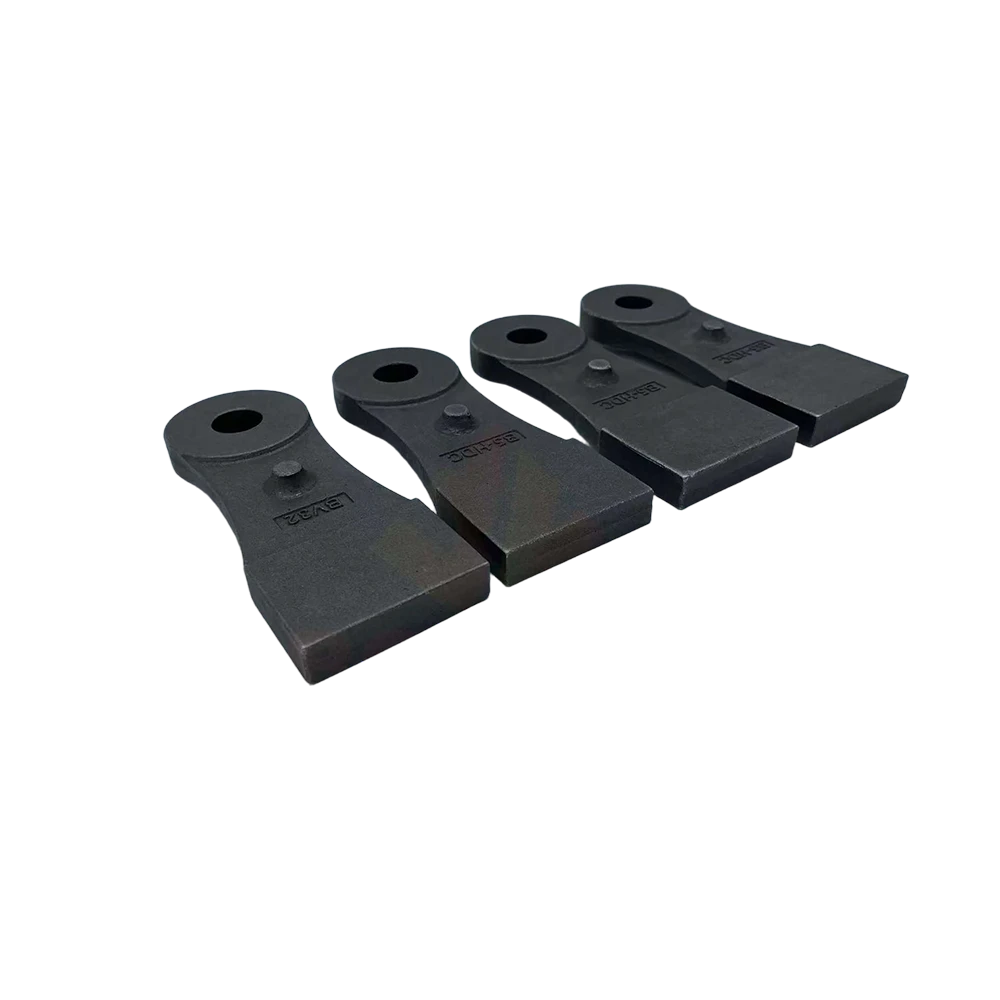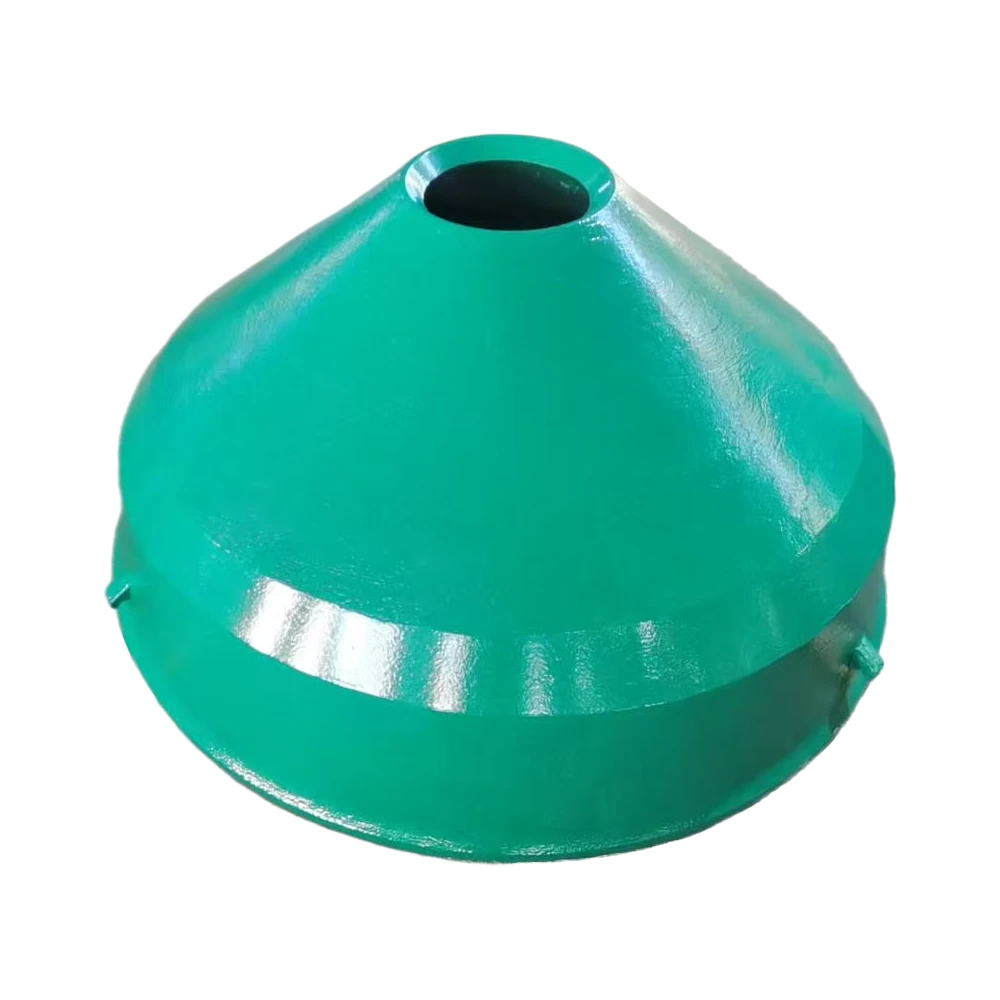
Discover High Quality Heat Resistant Metal – Durable, Sustainable, Reliable
What is High Quality Heat Resistant Metal and Why It Matters
If you've ever wondered how skyscrapers stand against blazing heat or how engines keep humming despite extreme temperatures, you're touching on the magic of high quality heat resistant metal. In a world increasingly reliant on durability and innovation, understanding these metals is more than just a technical curiosity — it's an essential glimpse into the backbone of modern industry. These metals provide solutions where average materials simply fail, whether in aerospace, power generation, or humanitarian applications.
Globally, industries consumed nearly 380 million tons of stainless and specialty metals last year, much of which needs to withstand temperature spikes without buckling or corroding (source: World Steel Association). As climate unpredictability and technological demands increase, the need for dependable heat resistant metals only grows. So, the question I'd lean into here is: what makes some metals hold their ground where others melt away?
The Global Stage: Meeting Tomorrow’s Heat Challenges
According to the United Nations Environment Programme, industrial heat represents a substantial chunk of global energy consumption and CO2 emissions — essentially, industries relying on high quality heat resistant metals can push efficiency while reducing waste and hazards. This isn’t just about withstanding heat, but about sustainability and resilience.
Massive infrastructure projects in Asia, Europe, and North America are increasingly turning to heat resistant materials to improve safety and longevity, especially as temperatures rise. Meanwhile, humanitarian agencies operating in hot climates face the challenge of choosing materials that won't just survive but safeguard the people using them.
Oddly enough, this challenge bridges continents and sectors — from aerospace in the US to energy plants in the Middle East, and emergency shelters in sub-Saharan Africa. Each demands that metals perform under stress, reliably.
Quick takeaway:
- Climate and industry pressures are driving demand for superior heat resistant metals.
- These materials are pivotal in both sustainability and safety worldwide.
Breaking It Down: What Is High Quality Heat Resistant Metal?
At its core, high quality heat resistant metal refers to alloys specifically engineered or selected to maintain mechanical strength and resist oxidation or corrosion at elevated temperatures — often above 500°C (930°F). Think of them as the strong silent types in the metal world, quietly holding up under intense conditions without giving in.
Common examples include stainless steels, Inconel, titanium-based alloys, and specialized tool steels. They serve as critical components in jet engines, power plants, industrial furnaces, and even consumer electronics where heat management is crucial.
On a humanitarian angle, these metals support the creation of durable shelters and equipment that can survive extreme environmental factors, reducing replacement costs and improving lives in vulnerable regions.
Mini takeaway:
- Heat resistant metals are alloys engineered to perform reliably at high temperatures.
- They play roles ranging from industrial heavy lifting to humanitarian relief.
Key Factors Defining High Quality Heat Resistant Metal
1. Durability Under Stress
This one is obvious but vital: the metal must resist not only heat but mechanical wear, thermal cycling (think constant heating and cooling), and oxidation. If it cracks or weakens, the whole system risks failure.
2. Corrosion & Oxidation Resistance
Surface degradation drastically shortens metal lifespan in hostile environments. High quality heat resistant metals often include chromium or nickel, forming protective oxide layers to shield inner layers from deteriorating.
3. Thermal Stability
It's one thing to tolerate a one-off heat spike, quite another to hold shape at elevated temperature over time. Such metals retain tensile strength, preventing deformation even during extended heat exposure.
4. Scalability & Cost Efficiency
Beyond performance, cost matters. The ability to produce these metals at scale without prohibitively high prices unlocks wide adoption, from giant turbines to small manufacturing machines.
5. Manufacturability
Heat resistant metals must be workable — formed, welded, machined — without losing their properties. Advanced techniques like powder metallurgy and additive manufacturing have expanded possibilities here.
Summary take:
- True quality balances strength, resistance, cost, and ease of manufacturing.
- Each factor influences practical application success.
Global Applications & Use Cases for Heat Resistant Metals
Across the globe, high quality heat resistant metals show up in surprising, and not-so-surprising, ways.
- Energy sector: Power plants using gas turbines rely on superalloys like Inconel to handle extreme combustion temperatures.
- Aerospace: Jet engine blades crafted from heat resistant metals endure incredible stress and temperature.
- Automotive & Manufacturing: Exhaust systems, molds, and equipment face intense heat and must last — here, specialty steels and alloys hold court.
- Humanitarian relief: Units supplying durable shelters or cooking appliances deploy these metals to ensure longevity in scorching environments.
- Electronics: Heat sinks, connectors, and components use these metals to dissipate heat and maintain reliability.
For example, in Southeast Asia's rapidly expanding industrial zones, companies heavily depend on these metals to build infrastructure resilient to tropical heat and humidity. Similarly, NGOs managing post-disaster relief find that tents and prefabricated housing incorporating heat resistant alloys fare better during heatwaves.
Key points:
- From turbines to tents, heat resistant metals keep industries and people safe.
- Applications span continents, addressing very different but equally critical needs.
Advantages & Long-Term Value
Why bother investing in high quality heat resistant metals? For starters:
- Cost savings through durability: Fewer replacements, less downtime, and lower maintenance.
- Safety: Reduced risk of catastrophic failures in critical infrastructure.
- Sustainability: Longer life cycles translate to less waste and resource use.
- Social impact: Reliability in humanitarian tools enhances quality of life.
Many engineers I spoke to over the years emphasize the trust factor: knowing a component will withstand heat means smoother operations and peace of mind. There’s something reassuring about materials that just don’t quit when conditions get tough.
Practical takeaway:
- Investing in quality upfront saves money and lives down the road.
Emerging Trends and Innovations
The field isn’t static. Advances are bringing novel alloys with better heat tolerance yet lighter weight. For instance, researchers are exploring high entropy alloys that promise unprecedented thermal and mechanical properties. Additive manufacturing (3D printing) allows complex parts with tailored microstructures optimized for heat resistance.
On the sustainability front, new production methods reduce carbon footprints, making these metals greener to source. Digital twin technologies and sensors monitor material performance in real-time, predicting when maintenance is needed before a problem arises — smart, efficient, and revolutionary.
These innovations mean industries can expect smarter, safer, and more cost-effective heat resistant solutions in the next decade.
Challenges & Solutions in Utilization
That said, challenges remain:
- High costs of exotic alloys can be prohibitive for smaller operations.
- Manufacturing complexities require skilled labor and advanced equipment.
- Environmental concerns around mining and processing raw materials.
Industry leaders are tackling these issues through recycling programs, alloy substitutes with less critical minerals, and automation to cut labor costs. Collaboration between material scientists, engineers, and policymakers is crucial here — no one’s working in isolation.
Product Specification Table
| Property | Typical Values | Notes |
|---|---|---|
| Max Service Temperature | 600–1100°C | Depends on alloy type |
| Tensile Strength | 450–1200 MPa | Measured at room temp |
| Thermal Expansion | 10–18 µm/m·°C | Critical for assembly fit |
| Corrosion Resistance | High | Usually due to chromium/nickel |
| Typical Density | 7.8–8.4 g/cm³ | Varies by composition |
Vendor Comparison Table
| Vendor | Product Range | Lead Time | Customization Options | Pricing |
|---|---|---|---|---|
| MetalTech Solutions | Stainless & Nickel Alloys | 4–6 weeks | Full alloy customization | Mid-range |
| Innova Alloys | Superalloys & Titanium | 6–8 weeks | Limited alloys, precise machining | Premium |
| Global Heat Metals | Standard Heat Resistant Grades | 2–4 weeks | Stock alloys, bulk orders favored | Budget-friendly |
FAQ: Frequently Asked Questions About High Quality Heat Resistant Metal
- What industries benefit the most from high quality heat resistant metal?
- The aerospace, power generation, automotive, and manufacturing sectors rely heavily on heat resistant metals. Additionally, humanitarian agencies use them for durable shelters and equipment in extreme climates.
- How do heat resistant metals maintain strength at high temperatures?
- These metals contain alloys like chromium, nickel, and cobalt, which form protective layers and stabilize the crystal structure, minimizing deformation and corrosion under heat stress.
- Are these metals environmentally sustainable?
- While extraction and production are energy intensive, advances in recycling and greener production methods are making heat resistant metals more sustainable over their lifecycle.
- Can custom heat resistant alloys be developed?
- Yes. Many manufacturers offer tailored alloy compositions and heat treatments to fit specific performance requirements, balancing cost and functionality.
- Where can I source high quality heat resistant metal for specialized projects?
- Trusted vendors like MetalTech Solutions and Innova Alloys provide a range of customizable products. For quick turnaround, companies like Global Heat Metals offer standard grades off the shelf. Also check out high quality heat resistant metal.
Wrapping Up: Why High Quality Heat Resistant Metal Is a Smart Bet for Future-Proofing
It feels like heat resistant metals are quietly shaping the future—from powering the engines that connect the world to building safer, more sustainable infrastructure. The blend of strength, resilience, and evolving innovation means investments here pay off in reliability and cost savings.
For projects demanding top-tier performance under heat, it's not just about metal—it’s about trust, safety, and forward-thinking design. The good news? Access to trusted suppliers is getting easier, with options to customize and optimize like never before.
For your next project or research, consider diving deeper into high quality heat resistant metal — it might be the missing piece.
References:
-
High Performance oem cast heat resistant steel for Industrial UseNewsApr.16,2026
-
Guide to Selecting High Quality Cast Heat Resistant Steel AlloysNewsApr.09,2026
-
Custom Cast Heat Resistant Steel Solutions for High Temperature ApplicationsNewsApr.07,2026
-
Comprehensive Guide to Wholesale Cast Heat Resistant Steel for Industrial ApplicationsNewsApr.04,2026
-
Comprehensive Guide to High Performance Heat Resistant Metal Product SolutionsNewsMar.31,2026
-
Expert Guidance on Heat Resistant Metal Quotes and Alloy SelectionNewsMar.28,2026