Discover the Benefits of Heat Resistant Steel Factory for Industrial Durability
Understanding the Role of a Heat Resistant Steel Factory in Today's Industry
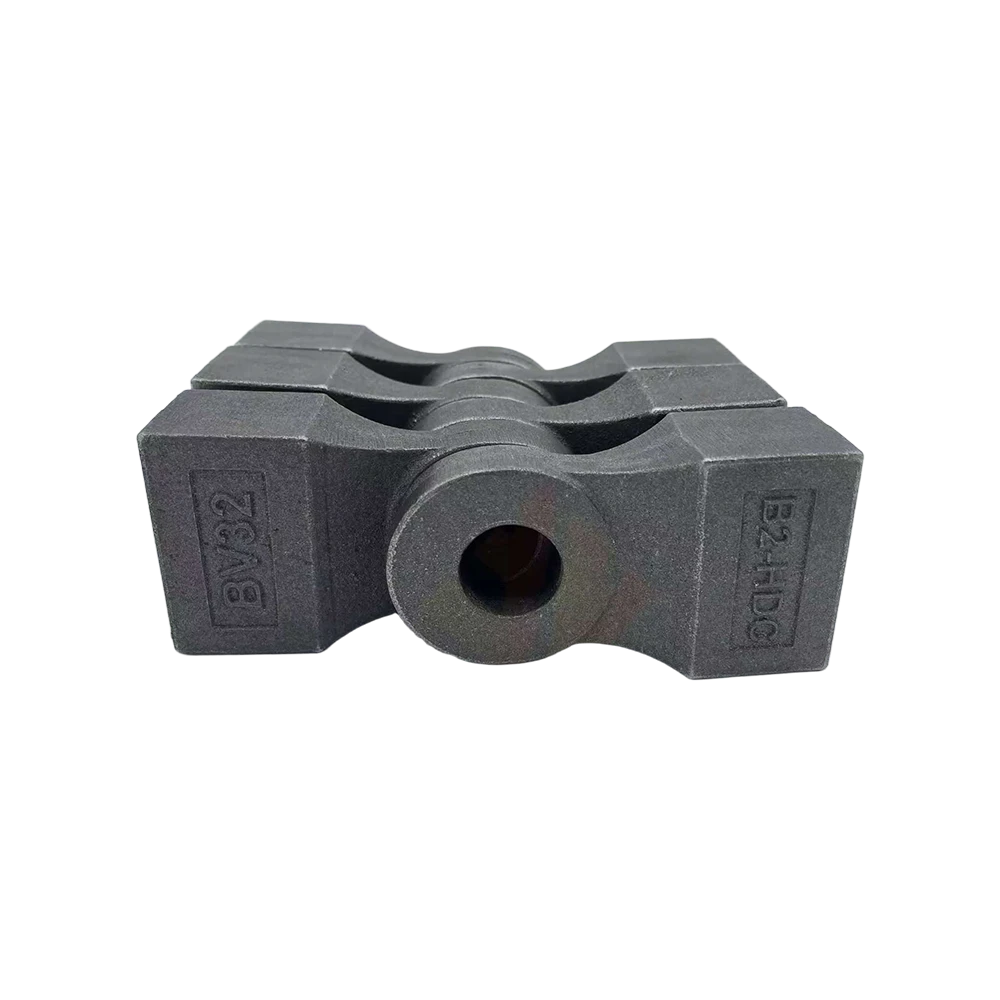
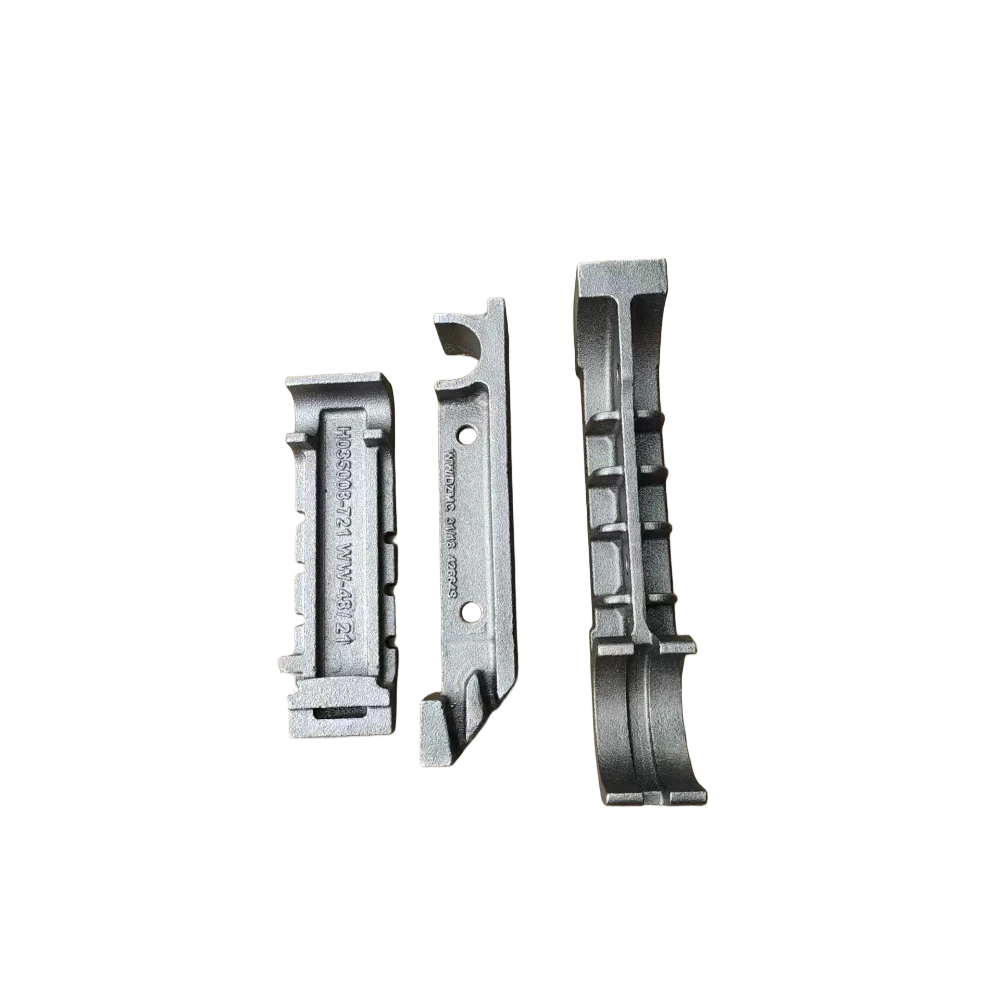
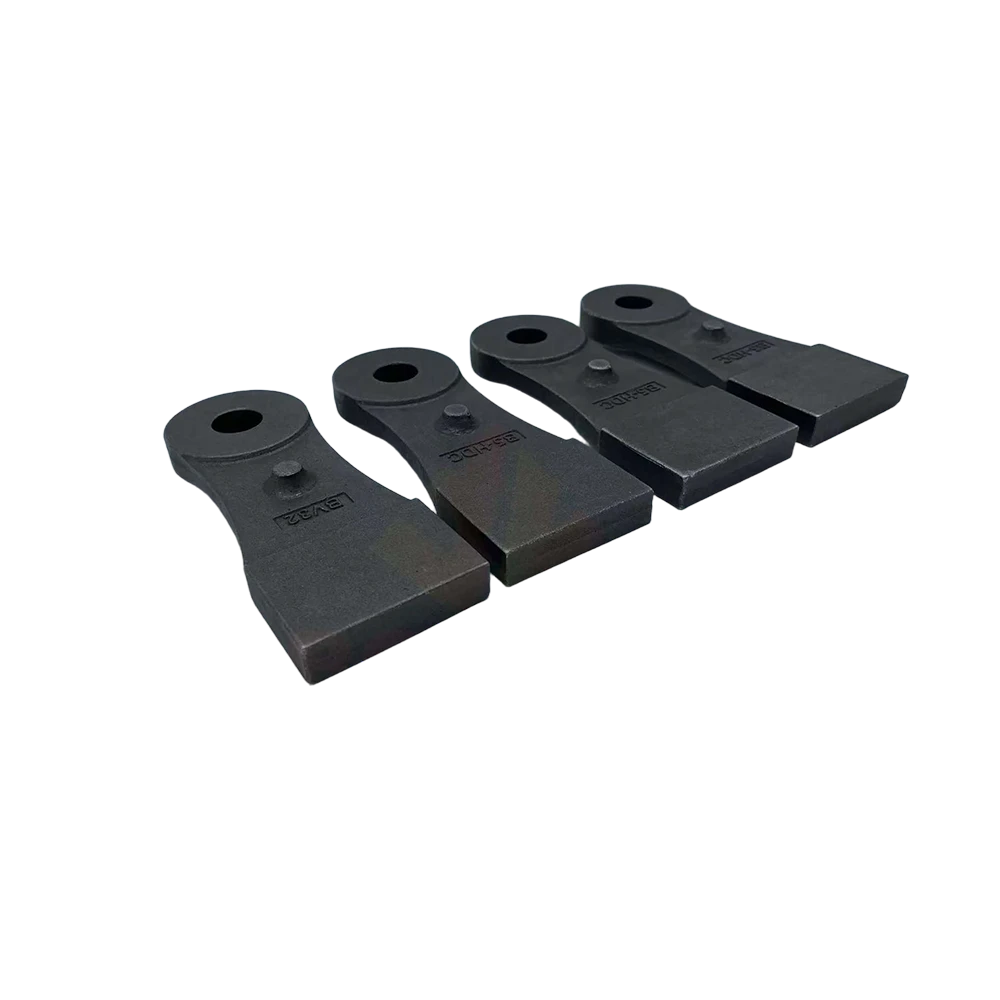
Steel, in its many forms, drives modern infrastructure and manufacturing, but not all steel is created equal. When intense heat, extreme environments, or prolonged exposure to flames enters the picture, ordinary steel simply won’t cut it. That’s where a heat resistant steel factory steps in — a specialized site producing steels uniquely designed to handle high temperatures without losing strength or integrity. This factory’s output is vital in sectors ranging from aerospace to energy, construction to automotive.
Globally, industries consume hundreds of millions of tons of steel annually, and a significant portion must withstand challenging thermal conditions. The ability to produce and innovate heat resistant steel isn’t just about keeping machines running; it’s about safety, reliability, and economic sustainability on a massive scale. For businesses and communities alike, having access to a top-tier heat resistant steel factory can be a game-changer.
Mini takeaway:
- Heat resistant steel factories produce specialized steels built to perform in high-heat environments.
- These steels support essential industries globally by improving safety and durability.
Heat Resistant Steel Factories: Setting the Global Stage
Countries with advanced manufacturing capabilities — think China, Germany, Japan, and South Korea — lead the way in producing specialized steels. According to the International Organization for Standardization (ISO), heat resistant steels meet stringent performance standards, reflective of their critical role.
But why does heat resistance matter globally? For starters, the rapid acceleration of green energy projects, like concentrated solar power plants, demands materials capable of handling extreme temperature swings. Combined with growing urbanization and industrialization, the demand for reliable, heat resistant steel grows exponentially. The World Bank estimates that infrastructure development in emerging markets alone will increase steel consumption by 25% in the next decade — much of which requires heat resistant varieties for boilers, pipelines, and chemical plants.
Yet, challenges persist — from sourcing raw materials sustainably to scaling production without compromising quality. A heat resistant steel factory is uniquely positioned to meet these challenges head-on, thanks to specialized expertise and technologically advanced processes.
Mini takeaway:
- Global demand for heat resistant steel is soaring, fueled by infrastructure and green energy.
- Leading producers invest heavily in quality control, sustainability, and innovation.
What Exactly Is a Heat Resistant Steel Factory?
Simply put, a heat resistant steel factory manufactures steel alloys formulated to retain mechanical strength and avoid deformation at elevated temperatures — usually between 500°C and 1100°C (roughly 932°F to 2012°F). These steels resist oxidation and corrosion caused by heat, making them indispensable where ordinary steel fails.
These factories blend raw materials — iron, chromium, nickel, molybdenum, among others — using precise methods like vacuum induction melting or electric arc furnaces. The resulting steel grades can be used in engines, exhaust systems, power plant boilers, and beyond.
In humanitarian contexts, these steels also find a home in disaster-resistant shelters or emergency response equipment, where durability against fire or high heat could mean the difference between loss and survival.
Mini takeaway:
- Heat resistant steel factories specialize in alloys that perform under extreme heat.
- Applications range widely—from industry machinery to safety-critical humanitarian uses.
Core Aspects of a Heat Resistant Steel Factory
1. Durability
The heart of a heat resistant steel is its ability to maintain structural integrity under prolonged heat exposure. Factories optimize alloy content — chromium boosts oxidation resistance; nickel enhances toughness.
2. Scalability
Factories that offer scalable production adapt to variable demand, from small batch prototyping to large-scale industrial orders. This flexibility is crucial when industries expand or new applications arise.
3. Precision in Alloy Composition
Exacting control over alloy chemistry distinguishes reliable heat resistant steel. Even slight variations can affect melting points or corrosion resistance, so factories must use sophisticated testing and automation.
4. Cost Efficiency
While specialized steels are more expensive than carbon steel, efficient production and optimized resource use at the factory level help reduce costs — benefiting suppliers and customers alike.
5. Environmental Compliance
Modern factories increasingly rely on eco-friendly practices such as reducing emissions, recycling scrap steel, and sourcing raw materials responsibly.
6. Innovation Capacity
Leading factories invest in R&D to develop next-gen heat resistant steels with improved properties, including resistance to thermal shock and fatigue.
Mini takeaway:
- Durability and precision matter most, but cost and scalability can’t be ignored.
- Eco-conscious production and continual innovation define cutting-edge factories.
Global Applications and Real-World Use Cases
The outputs of a heat resistant steel factory make their way into many vital sectors globally:
- Energy Sector: Heat resistant steels are essential in steam boilers, nuclear reactors, and gas turbines — places where consistent performance under heat dictates overall plant safety and uptime.
- Aerospace & Automotive: Exhaust manifolds, turbochargers, and jet engines rely on these alloys to keep components intact under tremendous thermal stress.
- Chemical Plants: These steels resist harsh corrosive elements combined with heat, extending equipment life cycles.
- Construction: In hot climates, heat resistant steel can be used for heat shielding and infrastructure wiring conduits.
- Disaster Relief: In wildfire-prone regions and disaster zones, emergency shelters or firefighting equipment may use heat resistant steels for enhanced safety.
For example, in remote industrial zones in Canada’s oil sands, heat resistant steel ducts handle steam injection systems designed to extract heavy oil efficiently and safely. Meanwhile, European solar power companies utilize special steel tubing capable of enduring boiling heat cycles daily.
Mini takeaway:
- Energy, aerospace, chemical industries are prime beneficiaries.
- Use cases spread from high-tech manufacturing to real-world emergencies.
Advantages & Long-Term Value of Heat Resistant Steel Factories
Choosing steel products from expert heat resistant steel factories is a long-term investment:
- Cost Savings: Reduced maintenance and replacement cycles mean better ROI.
- Sustainability: Longer lifespans contribute to fewer resources spent on manufacturing replacements, aligning with circular economy goals.
- Safety: Equipment failure under heat can be catastrophic; reliable steels help prevent accidents.
- Innovation: Access to advanced steels encourages industries to push boundaries in design and performance.
- Trust & Reputation: Partnering with a trusted factory positions companies as leaders in quality and reliability.
Emotionally, this means peace of mind — knowing structures and products will hold up under pressure. Practically, it minimizes downtime and operational risks.
Mini takeaway:
- Robust steel reduces total costs and enhances overall safety.
- It builds trust among manufacturers and end users, creating long-lasting industry relationships.
Future Trends and Innovations on the Horizon
Innovation in heat resistant steel factories is buzzing with promising developments:
- Green Steel Production: New electrolytic processes powered by renewable energy aim to reduce carbon footprints of steelmaking drastically.
- Digitalization: Smart sensors and AI-driven quality control speed up defect detection and alloy optimization.
- Advanced Alloys: Researchers are crafting ultra-high temperature resistant steels capable of surviving in next-gen reactors and propulsion systems.
- Automation: Automated production lines improve precision and reduce waste.
These advances align well with global commitments like the UN Sustainable Development Goals, emphasizing responsible industry and innovation.
Mini takeaway:
- Eco-conscious and digitally enhanced production marks the future.
- Heat resistant steels will continue evolving to meet more extreme conditions.
Challenges & Forward-Looking Solutions
Despite the boom, heat resistant steel factories face hurdles:
- Rising raw material costs: Strategic sourcing and recycling become essential.
- Energy intensity: Green technologies and process innovations reduce fossil fuel dependency.
- Skill shortages: Training initiatives maintain expertise in complex metallurgical processes.
Innovative approaches include partnering with universities for research, integrating AI for process monitoring, and investing in circular steel economies — all creating more resilience against disruptions.
Product Specification Table
| Property | Typical Range | Description |
|---|---|---|
| Operating Temp | 500°C - 1100°C | Max service temp for retaining strength |
| Chromium Content | 10% - 30% | Boosts oxidation resistance |
| Tensile Strength | 450 - 800 MPa | Steel's mechanical strength at room temp |
| Yield Strength | 250 - 600 MPa | Stress limit before permanent deformation |
| Nickel Content | 5% - 20% | Enhances toughness and corrosion resistance |
Heat Resistant Steel Factory Vendor Comparison
| Vendor | Specialization | Production Capacity (tons/year) | Key Strength | Sustainability Initiatives |
|---|---|---|---|---|
| SteelTech Global | High-temperature alloys | 150,000 | Advanced R&D center | Carbon-neutral plant |
| ThermoSteel Co. | Custom alloys & fabrication | 85,000 | Flexible batch sizes | Recycling scrap initiatives |
| EverHeat Metals | Energy sector steels | 120,000 | ISO9001 / ISO14001 certified | Green energy powered furnaces |
| NovaForge | Automotive heat resistant steels | 60,000 | Just-in-time delivery | Electric arc furnace usage |
FAQs About Heat Resistant Steel Factories
Q1: What distinguishes heat resistant steel from regular steel?
A1: Heat resistant steel contains alloying elements like chromium and nickel that let it withstand high temperatures — often above 500°C — without losing strength or corroding, unlike regular carbon steel which deforms and oxidizes under heat.
Q2: How can I verify the quality of steel from a heat resistant steel factory?
A2: Look for certifications such as ISO 9001 (quality) and ISO 14001 (environmental management), check for traceability documentation, and consider third-party testing results to ensure your supplier meets strict industrial standards.
Q3: Are heat resistant steels recyclable?
A3: Absolutely. Heat resistant steels are mostly recyclable, similar to other stainless and alloy steels. Many factories incorporate recycled scrap back into production, reducing environmental impact.
Q4: What industries benefit most from heat resistant steel factories?
A4: Energy production, aerospace, automotive, chemical processing, and construction sectors rely heavily on heat resistant steels for safety and longevity in harsh conditions.
Q5: How can small businesses access products from these factories?
A5: Many factories work through distributors or offer small batch production runs. It’s worth contacting vendors directly or via trusted partners for tailored solutions; many provide design consultation and rapid prototyping services.
Wrapping Up: The Long-Term Benefits of Partnering with a Heat Resistant Steel Factory
In real terms, a heat resistant steel factory does more than just process metal. It shapes safety, innovation, and progress across industries worldwide. By choosing suppliers who master this craft, companies secure durability, cost-efficiency, and environmental responsibility that ripple through their projects and products for decades.
If your next project calls for steel that won’t quit under pressure, it’s worth exploring offerings from a reputable heat resistant steel factory. They bring the technical know-how, scale, and foresight to meet tomorrow’s challenges — today.
References
-
High Performance oem cast heat resistant steel for Industrial UseNewsApr.16,2026
-
Guide to Selecting High Quality Cast Heat Resistant Steel AlloysNewsApr.09,2026
-
Custom Cast Heat Resistant Steel Solutions for High Temperature ApplicationsNewsApr.07,2026
-
Comprehensive Guide to Wholesale Cast Heat Resistant Steel for Industrial ApplicationsNewsApr.04,2026
-
Comprehensive Guide to High Performance Heat Resistant Metal Product SolutionsNewsMar.31,2026
-
Expert Guidance on Heat Resistant Metal Quotes and Alloy SelectionNewsMar.28,2026