Durable Cone Crusher Parts for Efficient Crushing | DZMC Casting
Cone Crusher Parts: The Unsung Heroes of Crushing Efficiency
If you've spent any time in the aggregates or mining world, you know the critical role cone crushers play. But it’s not just the crusher itself — it's the cone crusher parts that really make or break your operation.
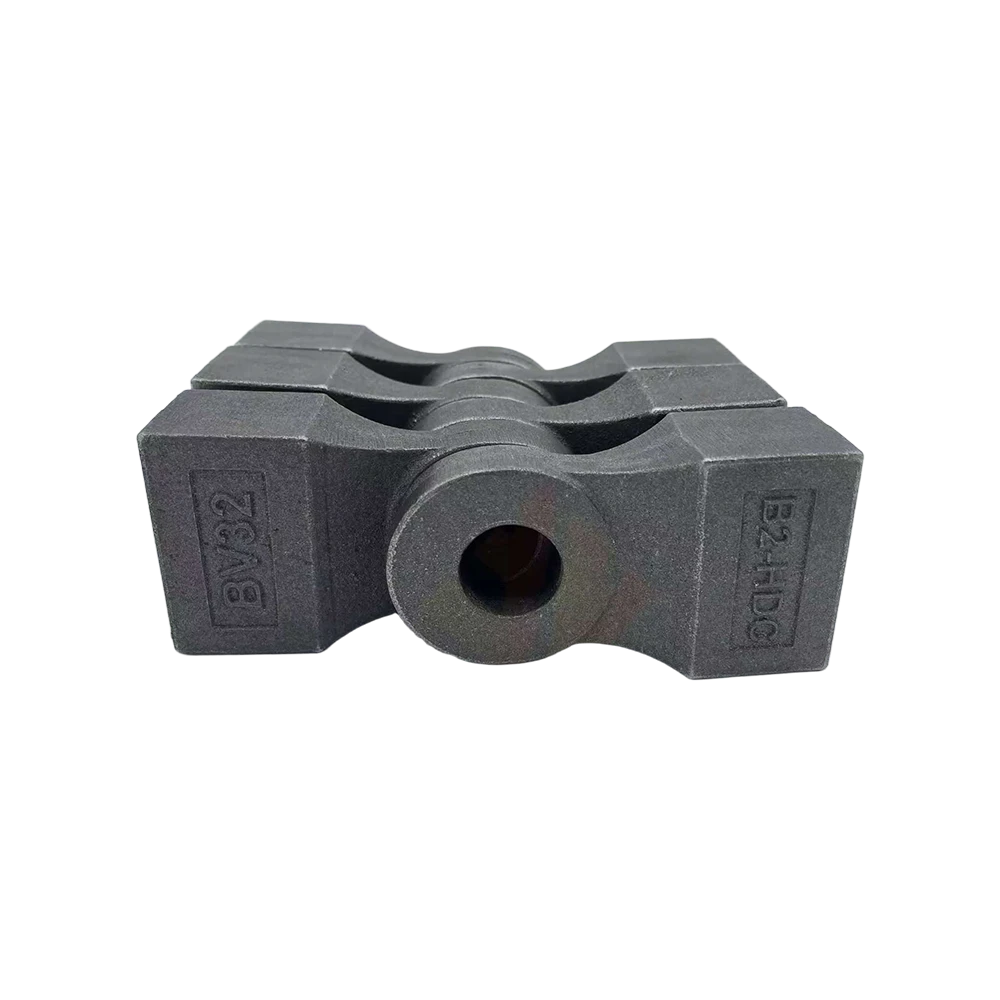
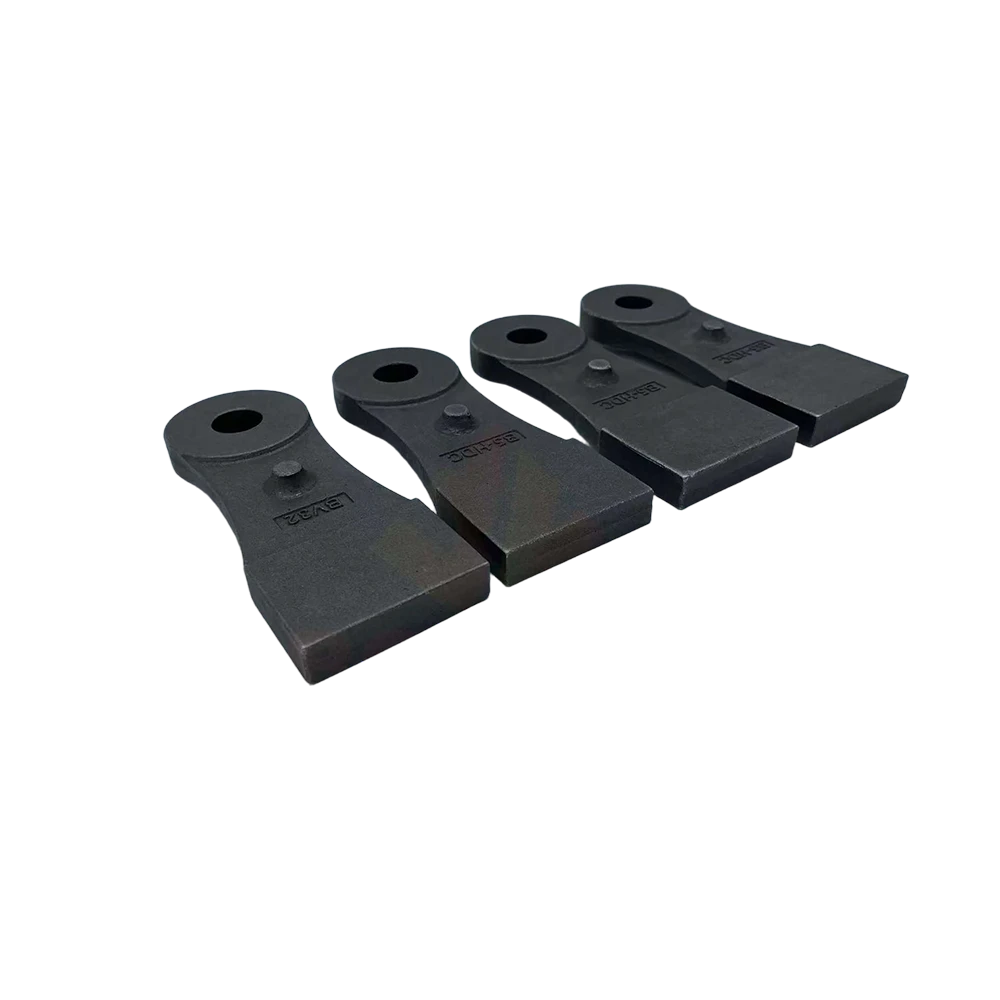
From eccentric shafts to mantle plates, these components might seem mundane, but they see some seriously rough treatment. Frankly, after years working on heavy machinery, I’ve seen how quality parts extend equipment life beyond the hype — and save costs in the long haul.
Oddly enough, despite decades of evolving technology, the fundamental designs of these parts have stayed surprisingly consistent. The difference lies in materials and manufacturing precision.
What Makes a Good Cone Crusher Part?
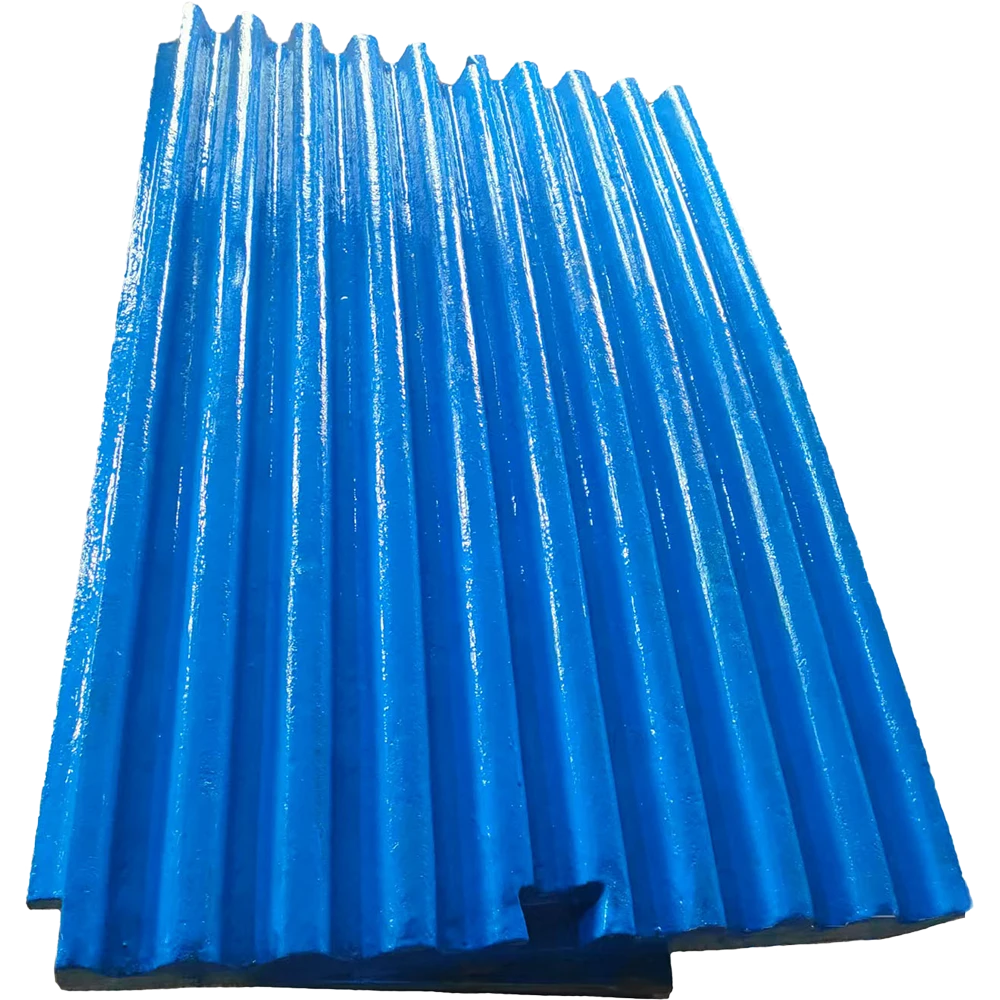
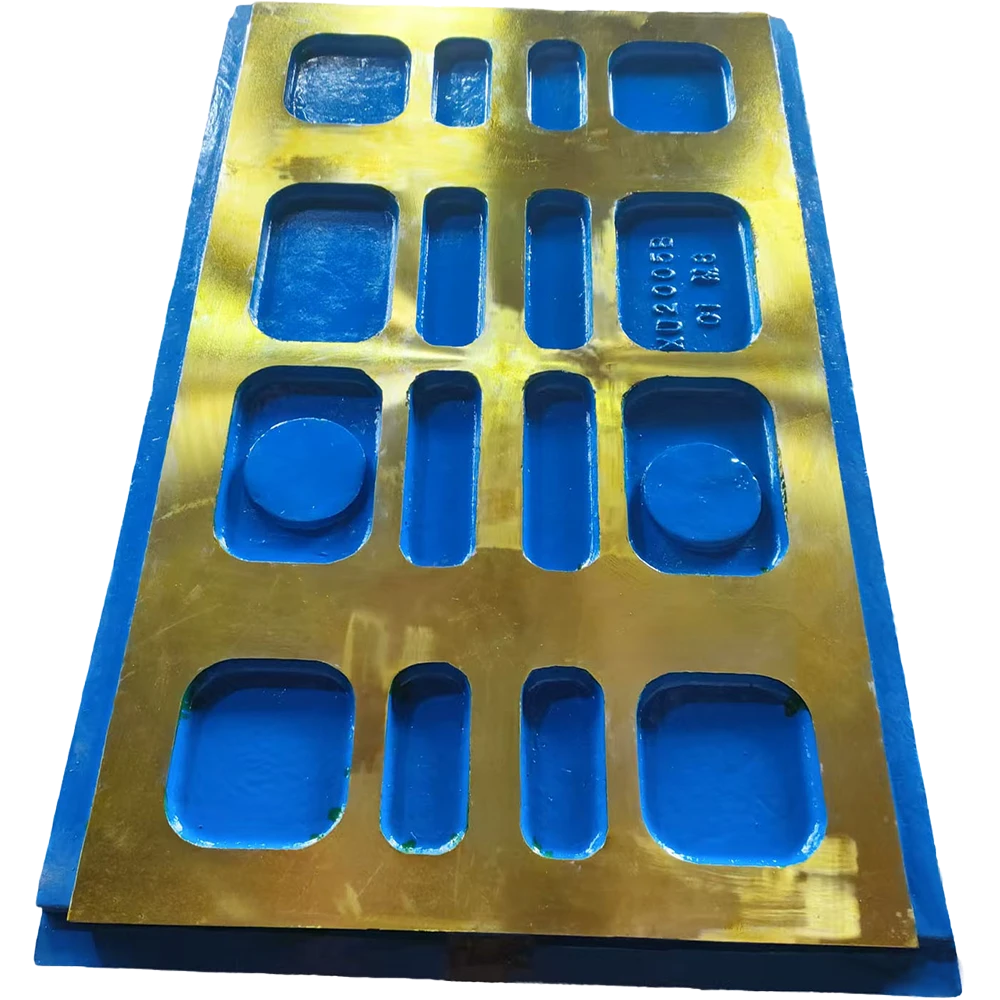
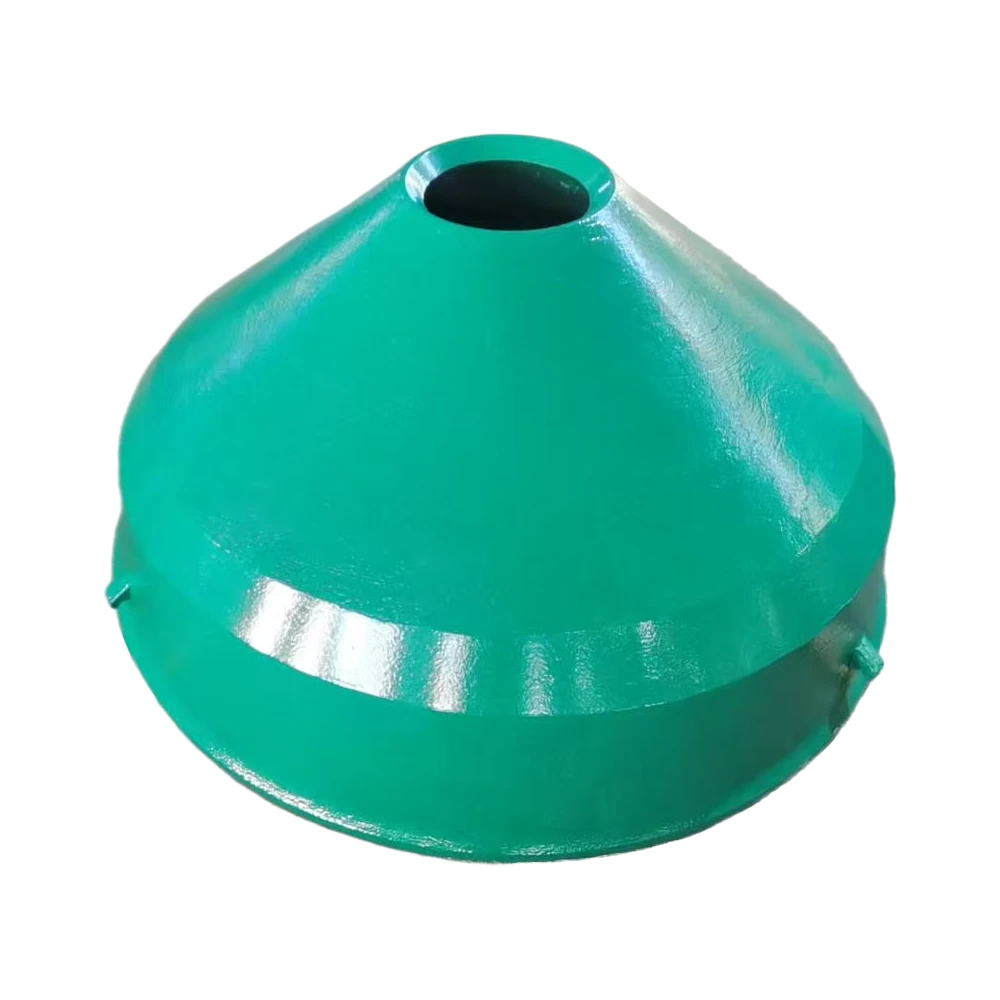
Experience tells me wear resistance and fit are paramount. The mantle, for example, should be made of manganese steel alloy tailored to withstand high impact and abrasive materials. Meanwhile, the bowl liner must tightly match the crusher’s specifications to avoid vibrations and uneven wear.
Many engineers will swear by specialized heat treatments — honestly, it feels like a bit of an art form. You want a part tough enough to last, but not brittle. Testing usually involves simulating real crushing loads and abrasive cycles. Not every supplier is transparent about these processes, so it’s worth asking.
Customization is also key. Some operations require thicker liners; others prioritize ease of replacement. Having a supplier who can adapt to your exact cone crusher model (and crusher duty) makes a huge difference.
| Part | Material | Hardness | Typical Lifespan |
|---|---|---|---|
| Mantle | Manganese Steel Alloy (Mn13Cr2) | 280-340 HB | 4 to 8 months (depending on duty) |
| Bowl Liner | Manganese Steel Alloy (Mn18Cr2) | 300-360 HB | 5 to 10 months |
| Eccentric Shaft | High Strength Alloy Steel | 350-400 HB | 1 to 3 years |
| Drive Gear | Heat-treated Steel | 320-370 HB | 1 to 4 years |
Choosing a Supplier: What to Look For
I once worked with a client who constantly faced costly downtime due to inconsistent parts quality. Switching to a trusted vendor specializing in casting and machining cone crusher parts changed everything — uptime improved dramatically.
Here's a quick vendor comparison that I found useful when evaluating options. Notice the trade-offs in price, customization, and delivery times — no one supplier ticks every box, but knowing the differences upfront saves headaches.
| Supplier | Material Quality | Customization | Lead Time | Price Range |
|---|---|---|---|---|
| DZMC Casting | High-grade manganese alloys, heat-treated | Full customization to crusher model | 4–6 weeks | Mid-range |
| Generic OEM | Standard steel alloys | Limited options | 2–3 weeks | Low |
| High-End Specialist | Premium alloys with proprietary treatments | Highly customized | 6–10 weeks | High |
A Quick Word on Installation & Maintenance
One thing I often notice in the field: even the best cone crusher parts won’t perform well without correct installation. It’s tempting to cut corners, but alignment and torque specs matter. Over time, small misalignments accelerate wear on your mantle and bowl liners. Maintenance checks, proper cleaning, and timely replacements keep the machinery humming.
Honestly, investing a little more attention here always pays off in less downtime and fewer emergency repairs.
Final Thoughts
In real terms, your cone crusher parts are the backbone of your crushing efficiency. Choosing quality materials, proven manufacturing processes, and a responsive supplier like cone crusher parts specialist isn’t just smart — it’s essential.
It’s not flashy work, but frankly, these parts keep the whole system running. And after years in the trenches, I can tell you: it’s the details that count.
References:
- Mining Magazine, “Advances in Crusher Wear Parts,” 2023.
- Engineering Today, “Heat Treatment and Alloy Selection for Heavy Equipment,” 2022.
- DZMC Casting Technical Data Sheets, 2024.
-
High Performance oem cast heat resistant steel for Industrial UseNewsApr.16,2026
-
Guide to Selecting High Quality Cast Heat Resistant Steel AlloysNewsApr.09,2026
-
Custom Cast Heat Resistant Steel Solutions for High Temperature ApplicationsNewsApr.07,2026
-
Comprehensive Guide to Wholesale Cast Heat Resistant Steel for Industrial ApplicationsNewsApr.04,2026
-
Comprehensive Guide to High Performance Heat Resistant Metal Product SolutionsNewsMar.31,2026
-
Expert Guidance on Heat Resistant Metal Quotes and Alloy SelectionNewsMar.28,2026