Durable Crusher Bowl Liners | Optimize Crushing Efficiency & Cost | DZM Casting
Crushing the Basics: Why Crusher Bowl Liners Matter Worldwide
If you’ve ever driven past a quarry or a mining operation, chances are you’ve glimpsed huge machines grinding rocks into smaller pieces — but mostly unnoticed are the critical parts wearing down inside, such as crusher bowl liners. These robust steel components may sound obscure, but they are vital to industries from mining and construction to recycling and even infrastructure development. Understanding crusher bowl liners is key to boosting operational efficiency, reducing downtime, and ultimately powering a global need for raw materials in a sustainable way.
Globally, aggregate production is expected to reach billions of tons annually as urbanization and infrastructure projects scale up. According to the International Organization for Standardization (ISO), efficiency in mineral processing affects supply chain sustainability and economic growth. So, components like crusher bowl liners, which directly impact machine performance, have a surprisingly big role to play in this global industrial puzzle.
Quick takeaway: Crusher bowl liners are not just parts — they’re the unsung workhorses behind your smartphone, buildings, roads, and green tech, all dependent on crushed raw materials.
Setting the Stage: What Exactly is a Crusher Bowl Liner?
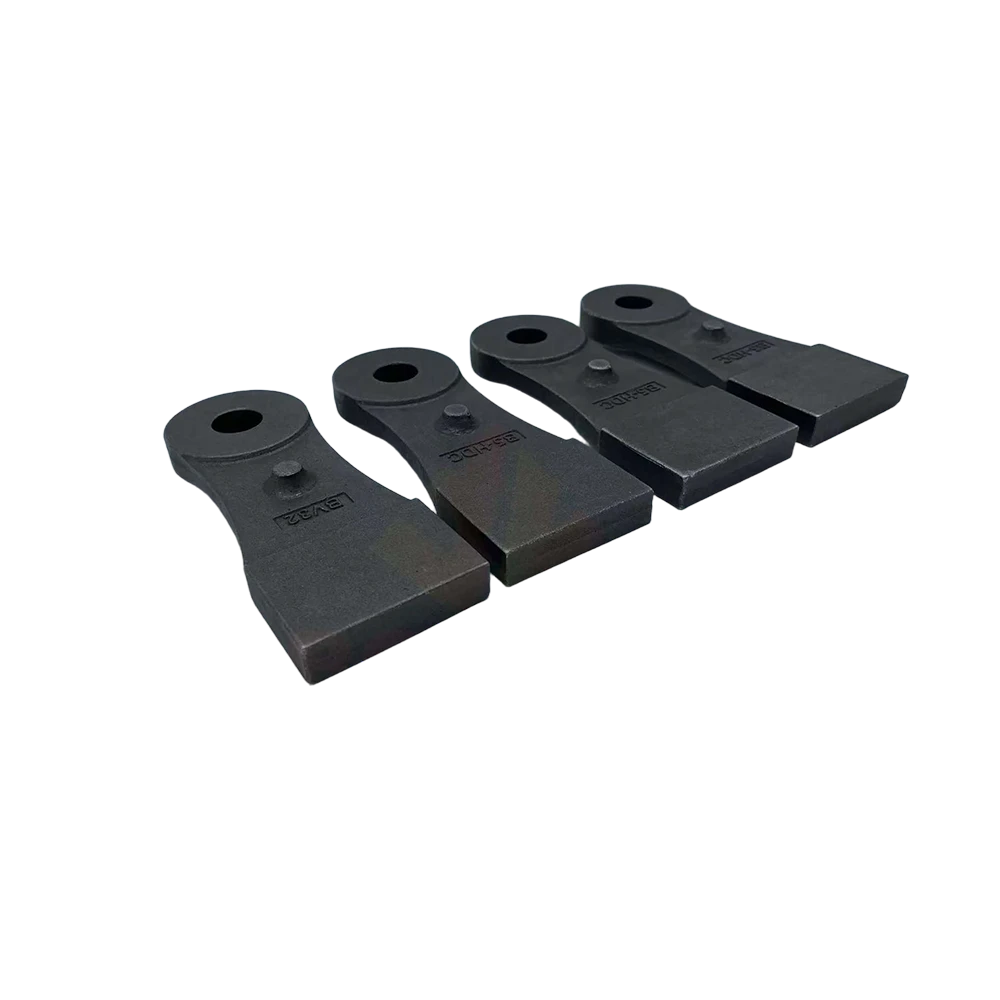
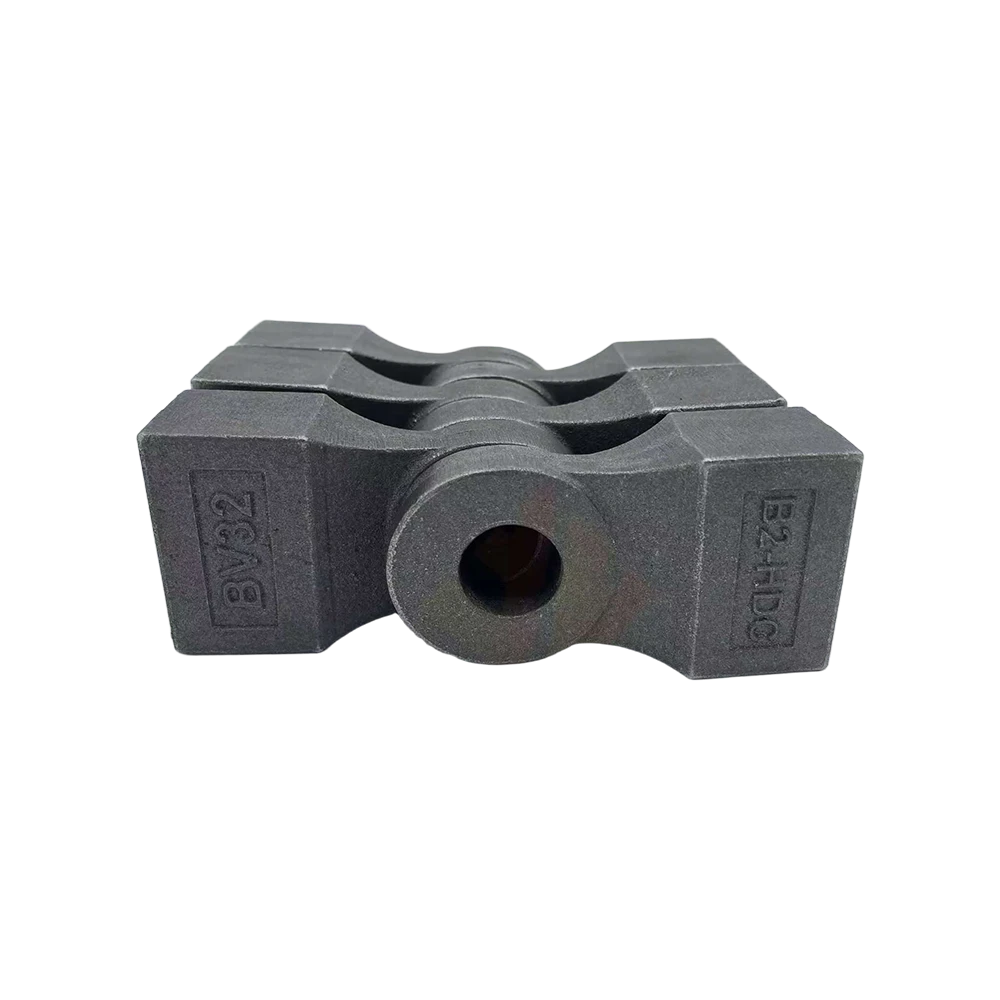
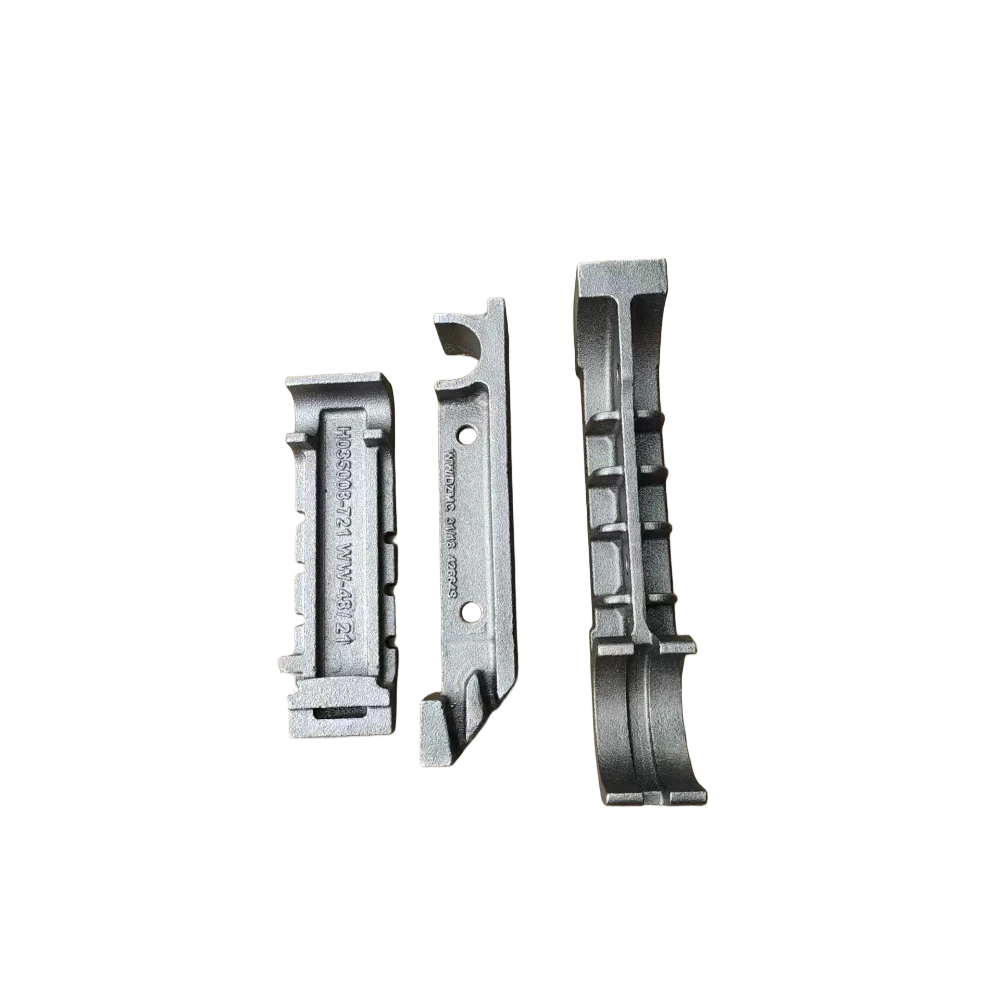
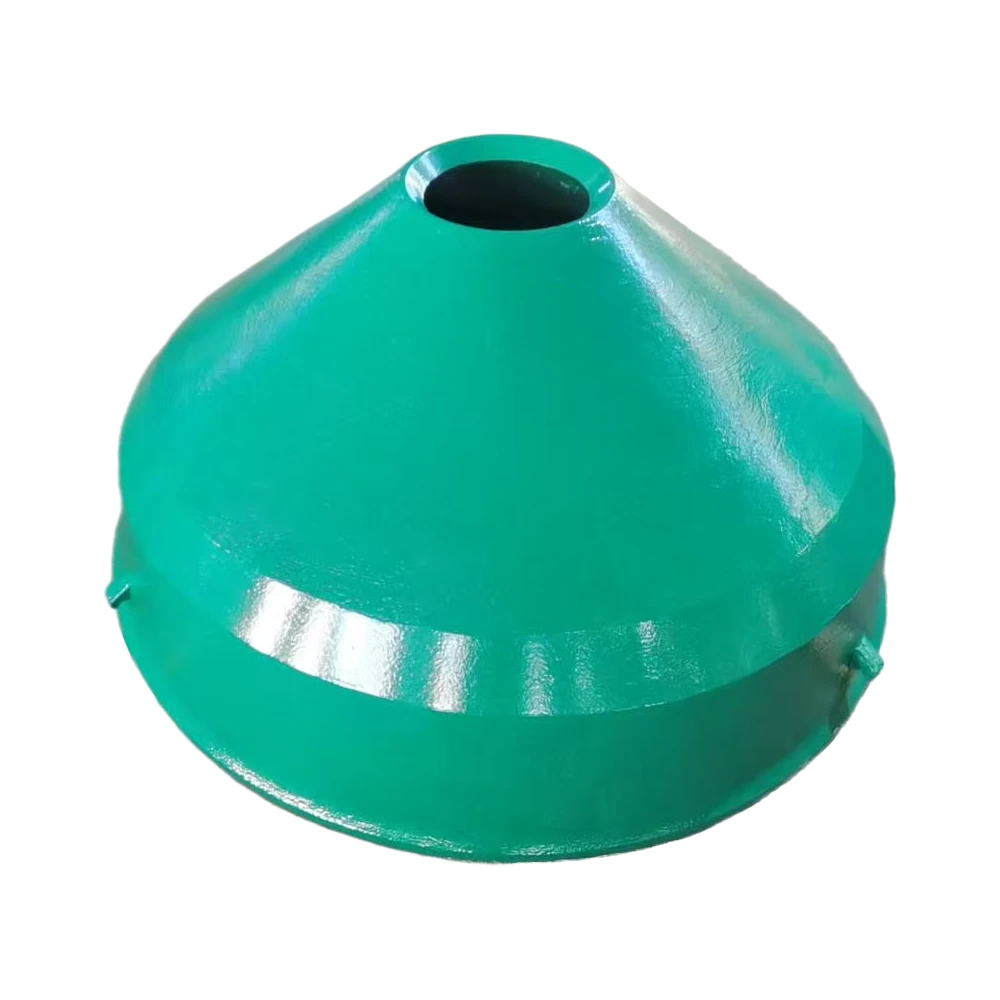
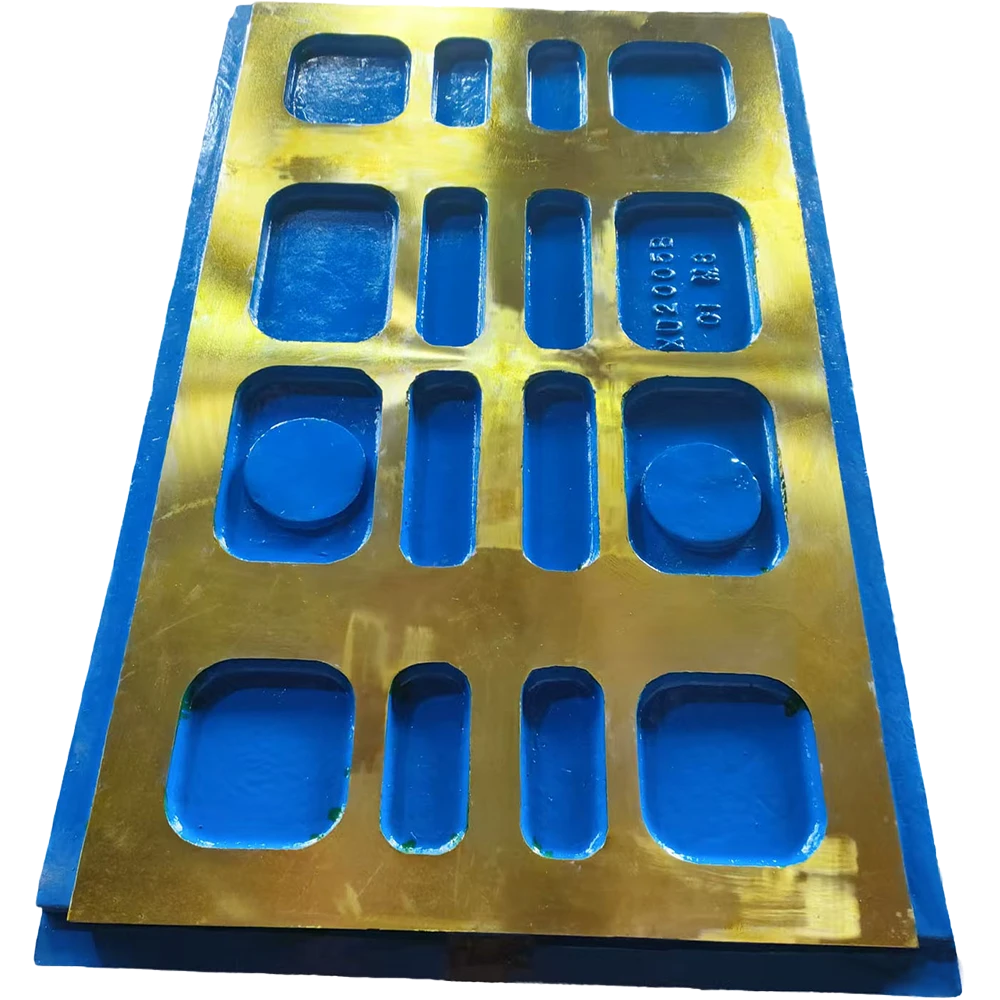
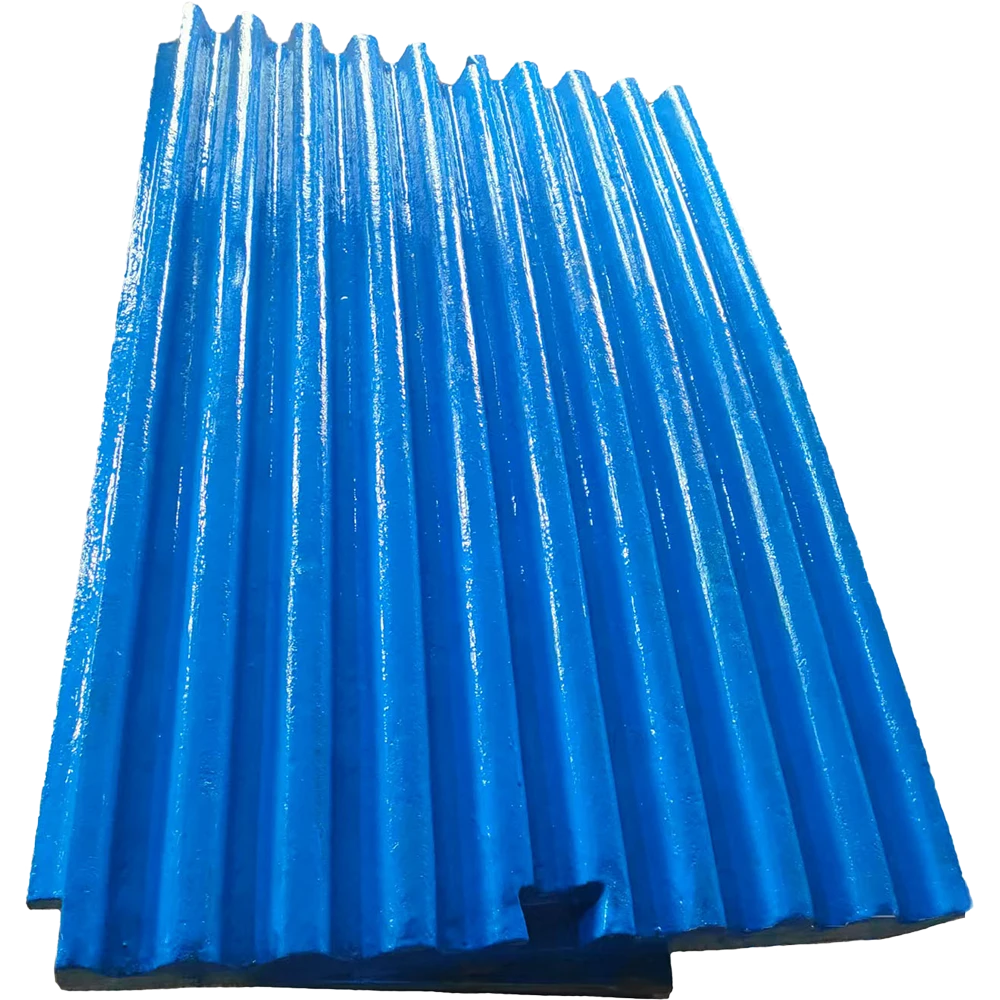
Put simply, a crusher bowl liner is a wear-resistant steel plate that lines the crushing chamber of gyratory and cone crushers. Its job? To withstand harsh impact and abrasion while guiding the rocks through the crushing process efficiently. Without it, the crusher body would erode quickly, leading to costly repairs and unsafe conditions.
Why does this matter beyond industrial plants? Well, reliable material crushing supports everything from building critical infrastructure to producing recycled aggregates, which helps conserve natural resources. In humanitarian contexts, efficient crushing equipment can assist in clearing disaster debris—helping rebuild homes quickly and safely.
Fun fact: The design and metallurgy of crusher bowl liners keep evolving, much like the engines in sports cars — albeit built for rugged, relentless rock-breaking rather than laps around the track.
Key Factors Determining Crusher Bowl Liner Performance
1. Durability and Wear Resistance
The primary challenge for a crusher bowl liner is enduring constant abrasion and impact. Most liners are made from manganese steel, which hardens from the impact itself — a kind of self-protecting armor. However, balancing hardness and toughness is delicate; liners too brittle suffer cracks, while too soft wears out faster. The exact alloy and heat treatment significantly influence lifespan.
2. Design Compatibility and Scalability
Crusher bowl liners aren’t one-size-fits-all. Each crusher model requires liners shaped precisely to optimize crushing efficiency and reduce wear. Scalability is important for operations growing their capacity or adapting to new materials — versatile liner designs help keep downtime minimal during upgrades.
3. Cost Efficiency Over Lifecycle
While premium liners with advanced metallurgy may have higher upfront costs, their longer lifespan and fewer replacements dramatically cut operating expenses. Some manufacturers offer wear monitoring systems embedded in liners to predict replacement timing — saving unplanned downtimes.
4. Ease of Installation and Maintenance
In busy mining operations, crusher downtime is money lost — so quick removal and installation matter. Liners designed with standardized fastening systems or modular sections speed up maintenance cycles.
5. Environmental and Safety Considerations
Reducing frequency of liner changes not only cuts labor risks but also lessens waste generation. Some companies now innovate with recycled steel or sustainable manufacturing processes, aligning crushers with greener industry standards.
Mini takeaway: The perfect crusher bowl liner balances strength, compatibility, and economic factors — all while keeping the day-to-day flow humming seamlessly.
Worldwide Use Cases and Industry Applications
Where do crusher bowl liners show their muscle most? Across the globe’s mineral-heavy economies and beyond:
- Mining Giants, Australia & Canada: Massive quarry and mine operations rely on heavy-duty crusher liners to ensure steady output of ores vital for electronics and renewable energy component manufacturing.
- Construction in Asia: Fast-growing cities need consistent construction aggregates. Liners optimized for crushing recycled concrete help meet demand sustainably.
- Disaster Relief in Latin America: Portable crushers with reliable liners enable rapid rubble processing post-earthquake, improving clean-up and rebuilding speed.
- Africa’s Cement Plants: Robust liners facilitate raw material crushing under extreme conditions, supporting growing infrastructure projects.
Companies like crusher bowl liner specialists also customize liners based on local geology — because crushing granite isn’t the same game as limestone or recycled asphalt.
Advantages & Long-Term Value of Quality Liners
Let’s be frank — investing in high-quality crusher bowl liners saves money. Fewer replacements, less downtime, improved crusher throughput, and safer working conditions add up to huge cost reductions over a plant’s lifetime.
From a sustainability viewpoint, longer-lasting liners reduce raw material consumption and waste generation in manufacturing and operations. Emotionally, operators gain trust in equipment reliability, reducing stress and fostering safer workplaces.
In real terms, innovations like predictive wear monitoring and eco-friendly steel production promise even more value, tying together economic, environmental, and social benefits.
Looking Ahead: What’s Next for Crusher Bowl Liners?
The future’s bright and slightly shiny for crusher bowl liners. Here’s what’s trending:
- Smart Liners: Embedded sensors monitoring wear in real-time, linked to automated maintenance alerts.
- Advanced Alloys & Composite Materials: New blends improving wear life while cutting weight, helping crushers run more efficiently.
- Green Manufacturing: Incorporating recycled materials and minimizing energy consumption during liner casting.
- Automation Integration: Faster, safer liner swaps via robotics and standardized modular components.
It’s odd but exciting to imagine rock-crushing gear joining the high-tech revolution — the humble liner is on that journey.
Challenges Today & Practical Solutions
Despite advances, issues remain. Unpredictable wear patterns from varying rock hardness, installation errors, or liner misalignment can cause premature failure. Not to mention supply chain delays for custom parts in remote locations.
Industry experts recommend:
- Routine inspections paired with predictive analytics to preempt failures.
- Vendor partnerships offering after-sales support and rapid shipping.
- Operator training on liner handling and installation best practices.
- Exploring modular liner systems for easier replacements.
It feels a bit like continuous improvement in action — not flashy but absolutely necessary.
Product Specification Table: Typical Crusher Bowl Liner
| Feature | Specification | Typical Value |
|---|---|---|
| Material | Mn Steel Alloy (Manganese) | 12-14% Mn |
| Hardness (Brinell) | Initial | 220-270 HB |
| After Impact Work Hardening | Surface Hardness | 350-550 HB |
| Weight Range | Varies by crusher size | 500 - 5,000 kg |
| Estimated Wear Life | Depends on application | 6 - 18 months |
Vendor Comparison: Leading Crusher Bowl Liner Suppliers
| Supplier | Customization | Lead Time | Price Range | Additional Services |
|---|---|---|---|---|
| DZM Casting | Full custom OEM design | 3-5 weeks | Mid-range, volume discounts | Wear monitoring & replacement advice |
| Global Wear Solutions | Standardized with minor mods | 2-4 weeks | Budget-friendly | Installation guides |
| IronMax Components | Custom & standard lines | 4-6 weeks | Premium pricing | Technical site support |
FAQs About Crusher Bowl Liners
- Q: How often should crusher bowl liners be replaced?
- A: Replacement frequency depends on material hardness and crusher operation hours but generally ranges from 6 to 18 months. Monitoring wear patterns and using sensors can help optimize replacement timing to avoid downtime.
- Q: Can crusher bowl liners be customized for specific rock types?
- A: Absolutely. Manufacturers tailor liner designs and alloy compositions based on the abrasiveness and type of rock, enhancing wear life and crushing efficiency.
- Q: Are there environmental benefits to using longer-lasting crusher liners?
- A: Yes, longer-lasting liners reduce manufacturing waste and energy consumption related to frequent replacements, aligning with sustainable mining and construction practices.
- Q: What are typical materials used for crusher bowl liners?
- Manganese steel alloys dominate, chosen for their unique ability to harden on impact. Some innovations include composite materials and alloys with added chromium or nickel for enhanced properties.
- Q: How do I select the right vendor for crusher bowl liners?
- Look for suppliers offering customization, after-sales support, reasonable lead times, and wear monitoring solutions. Reviews and case studies help gauge reliability.
Wrapping Up: Getting the Most From Your Crusher Bowl Liner
To sum it up, crusher bowl liners are essential cogs in the industrial machine world, quietly but crucially shaping how raw materials get processed worldwide. Choosing the right liner, understanding its lifecycle, and working with experienced vendors like crusher bowl liner specialists not only saves cash but safeguards operations against costly interruptions.
If your operations depend on consistent crushing performance, investing time now to research liners — their materials, design, and innovations — pays dividends down the line. Curious to explore options or want expert consultation? Visit our website: https://www.dzmccasting.com for detailed product info and support.
References:
1. ISO Mineral Processing Standards
2. Wikipedia: Crusher (Engineering)
3. World Bank: Urban Development and Infrastructure
-
High Performance oem cast heat resistant steel for Industrial UseNewsApr.16,2026
-
Guide to Selecting High Quality Cast Heat Resistant Steel AlloysNewsApr.09,2026
-
Custom Cast Heat Resistant Steel Solutions for High Temperature ApplicationsNewsApr.07,2026
-
Comprehensive Guide to Wholesale Cast Heat Resistant Steel for Industrial ApplicationsNewsApr.04,2026
-
Comprehensive Guide to High Performance Heat Resistant Metal Product SolutionsNewsMar.31,2026
-
Expert Guidance on Heat Resistant Metal Quotes and Alloy SelectionNewsMar.28,2026