Durable Crusher Plant Parts for Efficient Industrial Operations
Crusher Plant Parts: Essential Components for Efficient Operation
Having spent more than a decade in the industrial equipment sector, I've come to appreciate how crucial the crusher plant parts truly are. They might not always get the spotlight—because frankly, they’re just parts—but their performance and durability directly shape the success of the whole operation.
When I first started in this field, it felt like every plant was a black box to me. Over time, though, I’ve learned that understanding the nitty-gritty of crusher plant components can make all the difference, especially in reducing downtime and boosting productivity.
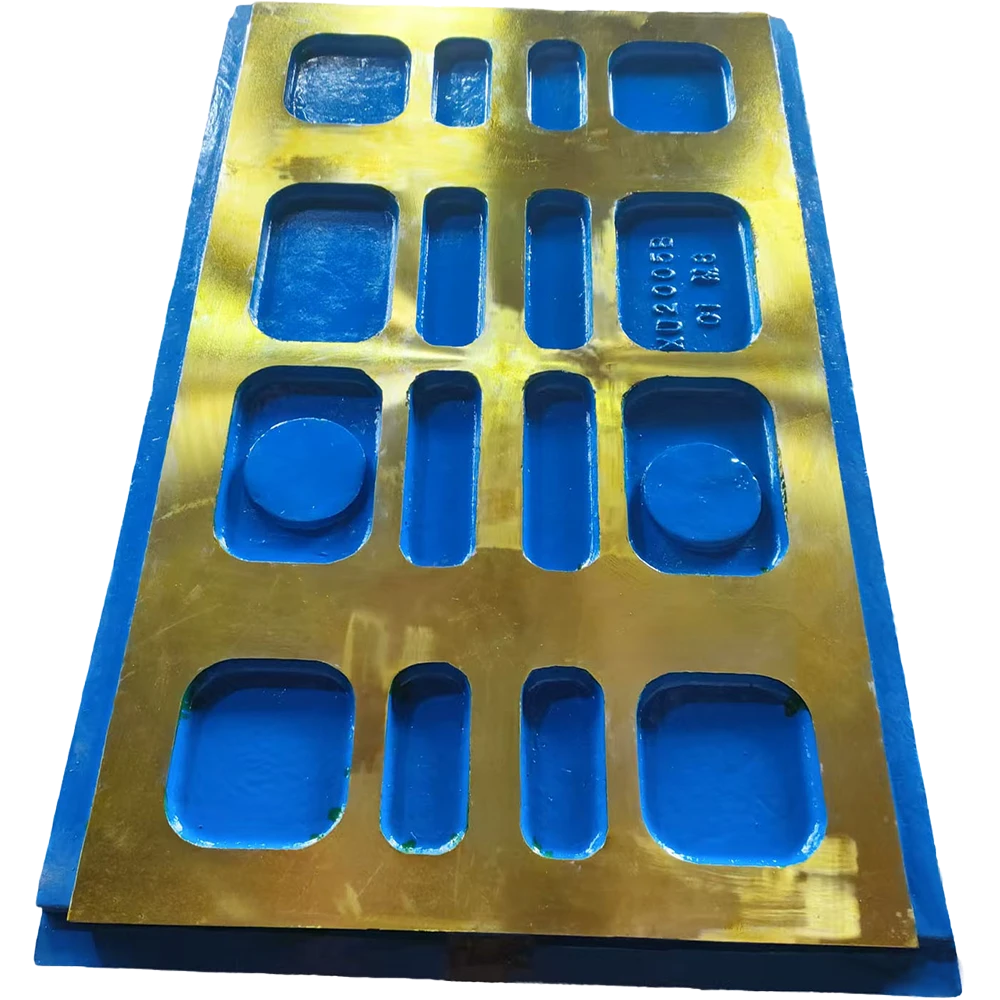
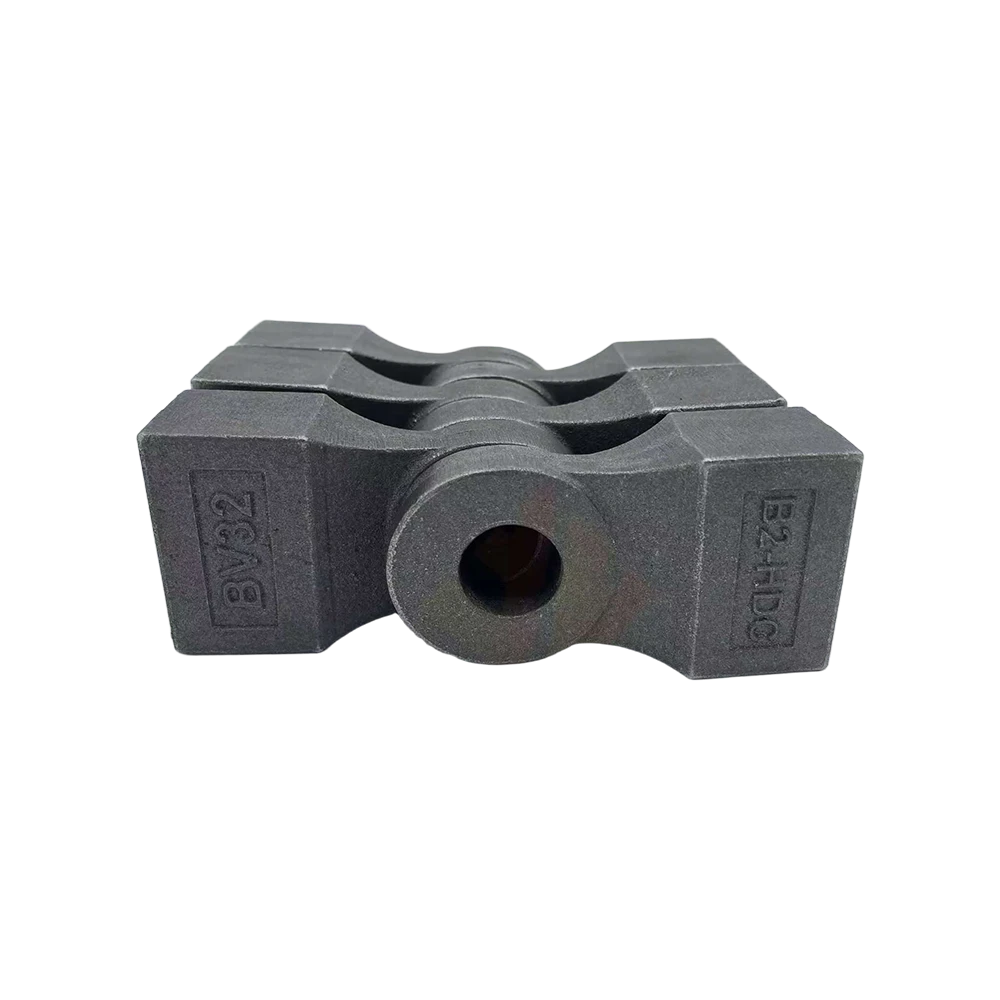
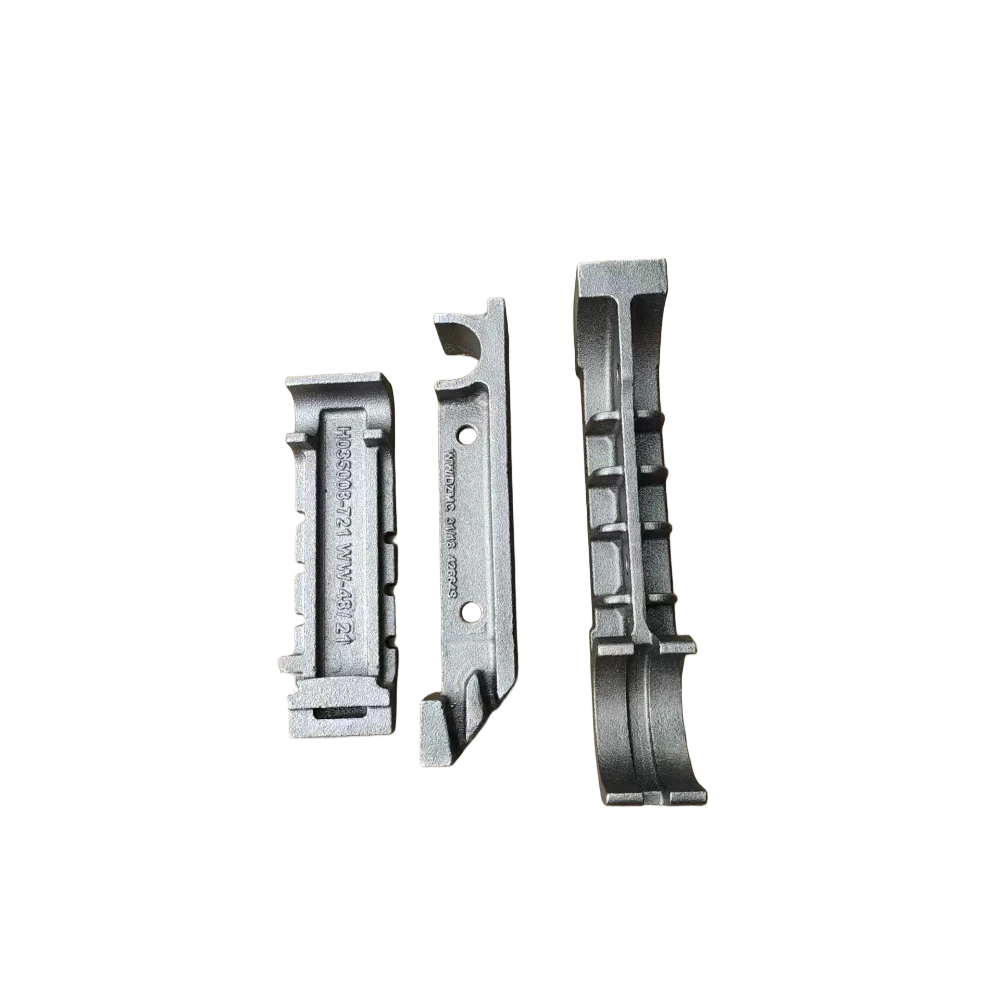
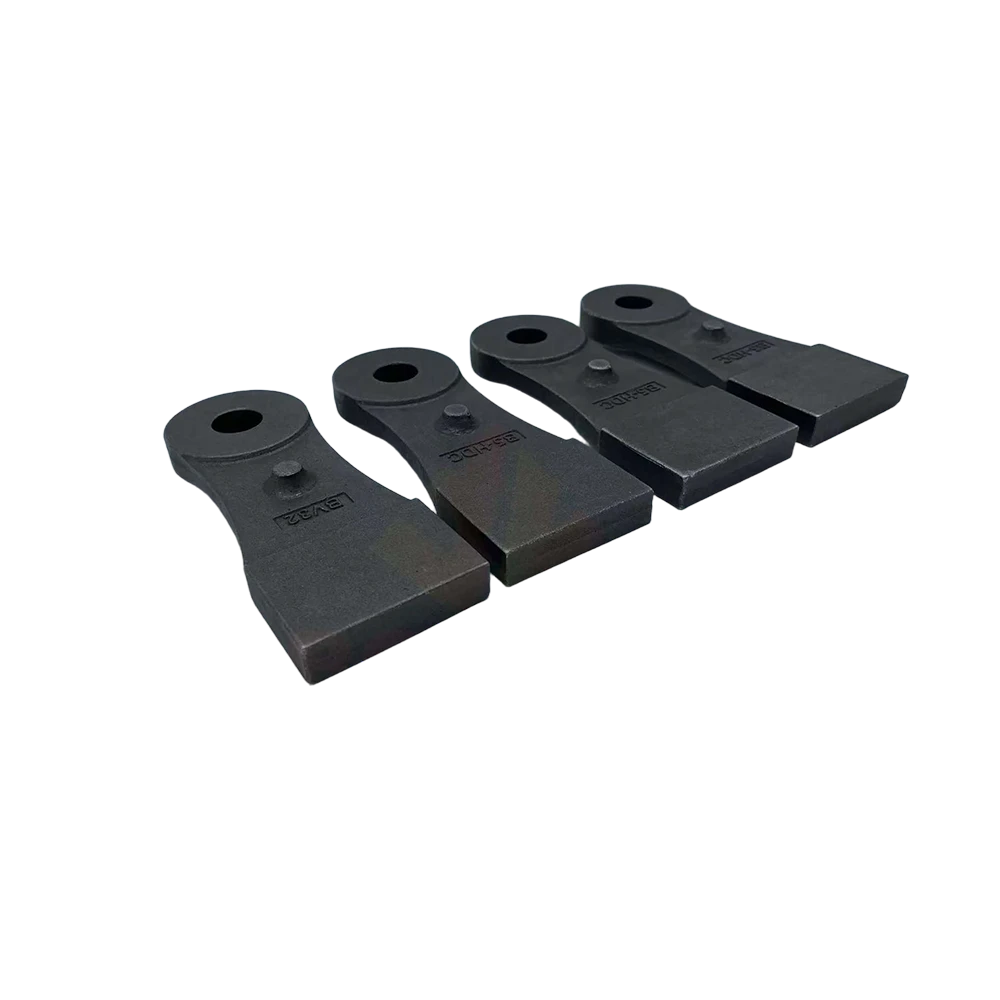
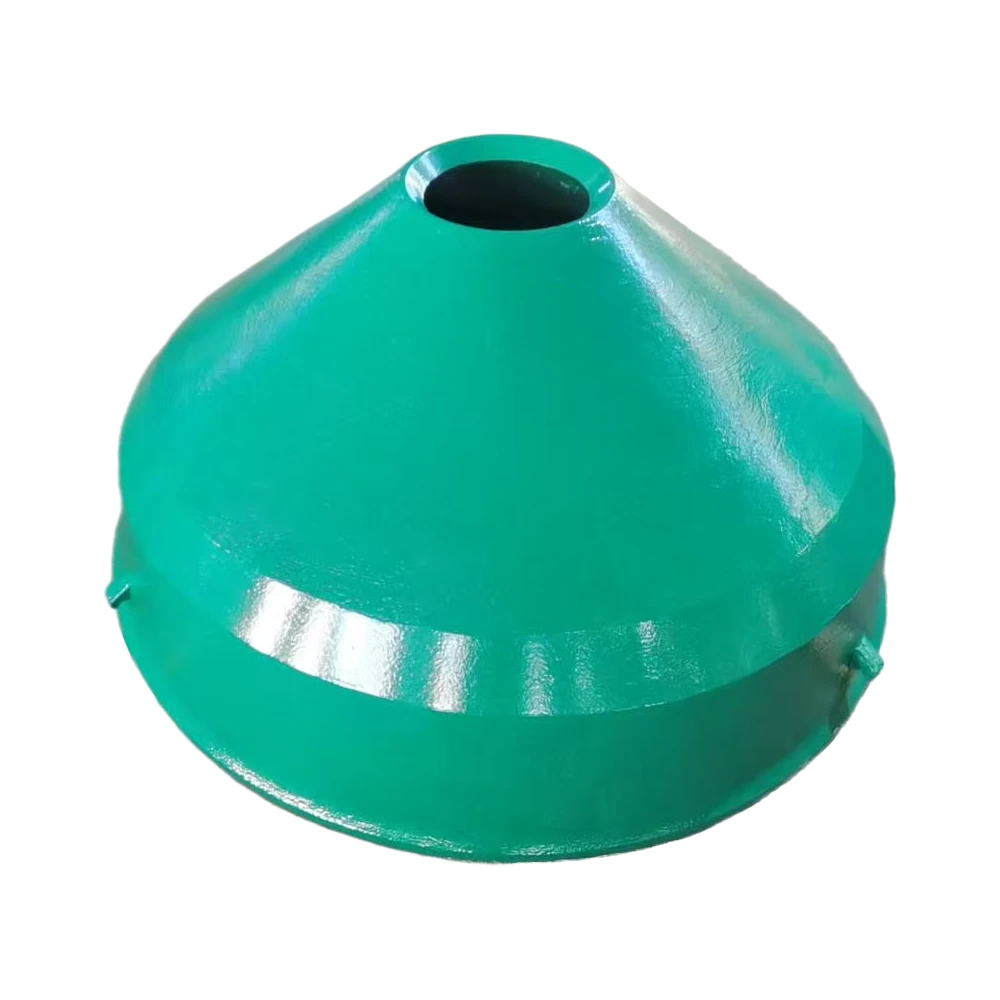
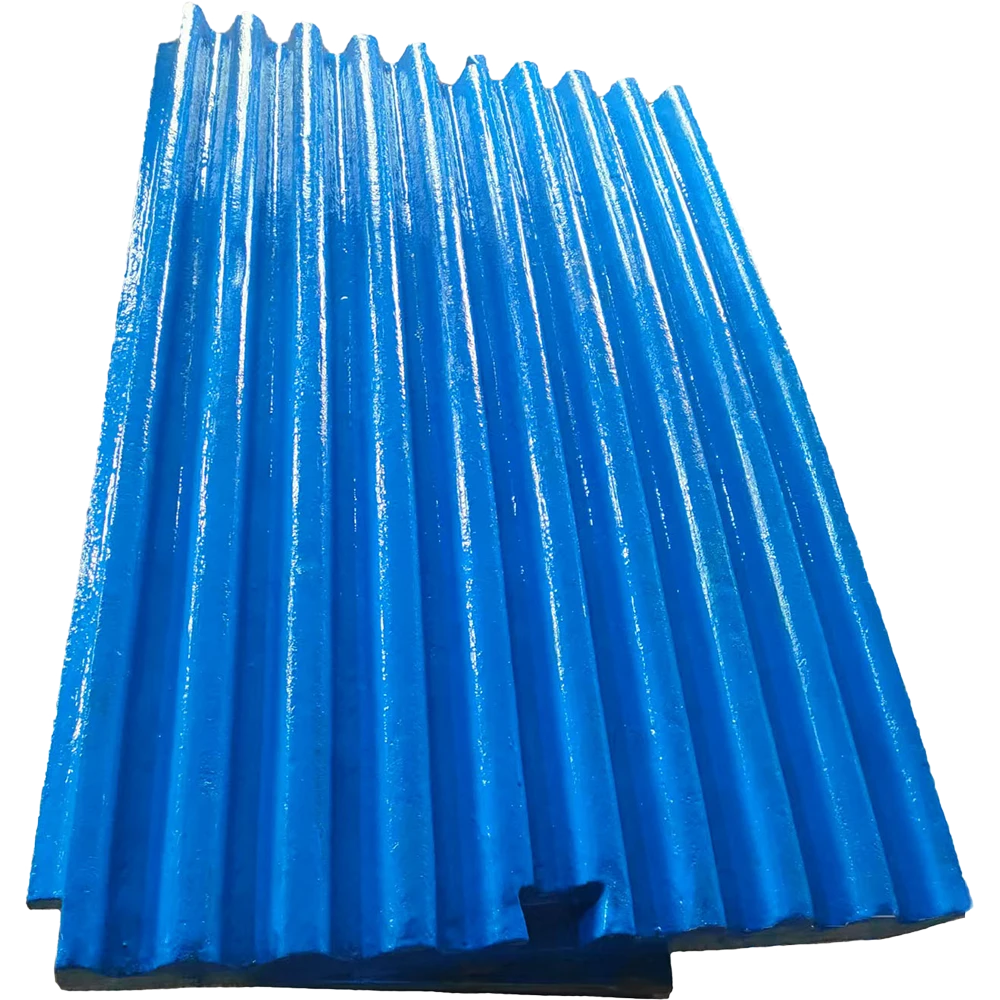
Let’s talk shop: crusher plants mainly rely on individual parts like jaw plates, mantles, concaves, counterattack hammers, and eccentric shafts, among others. Each part's design and material quality can greatly impact wear resistance and throughput.
Oddly enough, the choice of alloy casting and heat treatment methods often distinguishes a good crusher plant part from a great one. For example, manganese steel is a popular choice because of its toughness and ability to work-harden under impact—something many engineers swear by.
Here’s a quick glance at some common parts and their specs that I’ve seen perform well across multiple setups:
| Part | Material | Typical Lifespan | Key Features |
|---|---|---|---|
| Jaw Plate | Manganese Steel | 6-12 months | High impact resistance, wear-resistant |
| Mantle | High Chrome Iron | 8-18 months | Abrasion-resistant, hard surface |
| Concave | High Manganese Steel | 10-15 months | Good toughness, fatigue resistance |
| Counterattack Hammer | Alloy Steel | 4-9 months | High impact strength, replaceable |
Of course, specs only tell part of the story. In real terms, the choice of a vendor can make or break the experience, especially when it comes to custom orders or urgent replacements.
| Vendor | Product Range | Customization | Lead Time | Pricing |
|---|---|---|---|---|
| DZMC Casting | Comprehensive crusher parts | High – OEM available | 4-6 weeks | Competitive |
| ABC Industrial | Standard crusher parts | Low | 2-3 weeks | Affordable |
| Global Foundry | Wide range, includes specialty parts | Medium | 5-7 weeks | Premium |
One story that sticks out for me was a customer in a quarry who was struggling with frequent jaw plate failures. They switched to a manganese steel plate from a trusted vendor, and their operating hours between replacements jumped by roughly 40%. That’s a real-world bump in productivity and cost savings that you can’t ignore.
Now, speaking honestly, selecting crusher plant parts isn’t just about grabbing the cheapest or most available option. It’s about understanding the operational context—material hardness, throughput required, maintenance capabilities—that sort of thing.
And if something ever feels unclear, digging into the metallurgy or consulting a reputable foundry expert (like the folks at DZMC Casting) can save you headaches. Experience has taught me that these parts are a long-term investment more than a short-term fix.
So, next time you look at a crusher plant part, remember, it’s not just steel and shape. It’s a finely tuned piece of engineering that keeps the heart of your industrial operations beating.
Keep this in mind as you plan maintenance or upgrades — the right parts can make all the difference.
References:
1. "Wear-Resistant Materials for Crushers", Industrial Metal Journal, 2021
2. "Best Practices in Crusher Plant Maintenance", Machinery Today Magazine, 2019
3. Technical Brochure, DZMC Casting, 2023
-
High Performance oem cast heat resistant steel for Industrial UseNewsApr.16,2026
-
Guide to Selecting High Quality Cast Heat Resistant Steel AlloysNewsApr.09,2026
-
Custom Cast Heat Resistant Steel Solutions for High Temperature ApplicationsNewsApr.07,2026
-
Comprehensive Guide to Wholesale Cast Heat Resistant Steel for Industrial ApplicationsNewsApr.04,2026
-
Comprehensive Guide to High Performance Heat Resistant Metal Product SolutionsNewsMar.31,2026
-
Expert Guidance on Heat Resistant Metal Quotes and Alloy SelectionNewsMar.28,2026