Durable & Efficient Crusher Cone Liners for Mining and Construction | DZM Casting
Understanding Crusher Cone Liners: Why They Matter Globally
We don’t often stop to think about the behind-the-scenes parts that keep heavy industries running smoothly, but crusher cone liners are one of those unsung heroes. Whether mining for metals vital to our electronics, building infrastructure, or recycling construction waste, the quality and efficiency of crushers are pivotal. And at the heart of these machines often sit the crusher cone liners — the wear-resistant surfaces that really take the beating.
Why is grabbing a solid grasp on crusher cone liners essential? For starters, they help increase production rates, reduce downtime, and minimize operating costs in industries that fuel the global economy. Plus, understanding their design and usage has ripple effects — lowering environmental impact and improving safety for workers.
Mini takeaway: Crusher cone liners might not steal the spotlight, but they’re absolutely vital to many global industries — from mining to construction — keeping processes efficient and sustainable.
The Global Context: Where Crusher Cone Liners Fit In
Mining and aggregate production alone contribute billions in GDP worldwide, with countries like China, Australia, Canada, and Brazil leading the way (World Bank Data). But these industries face a common challenge: how to crush rocks efficiently, safely, and cost-effectively without frequent equipment failures or excessive downtime.
That’s precisely where crusher cone liners come in. They’re wear parts inside cone crushers — machines designed for secondary or tertiary crushing of hard and abrasive materials. According to ISO standards for mining and mineral processing, tuning wear-resistance and durability is critical for sustainable operations (ISO 23483 Mining equipment).
Without reliable liners, operators risk costly maintenance cycles, inconsistent output, and compromised worker safety due to sudden equipment failures. In a global market increasingly fixated on sustainability and cost control, innovation in crusher cone liners is not just beneficial — it’s essential.
Mini takeaway: The global mining and construction sectors depend heavily on efficient, robust cone liners to meet rising production demands while cutting downtime and environmental impact.
What Exactly is a Crusher Cone Liner?
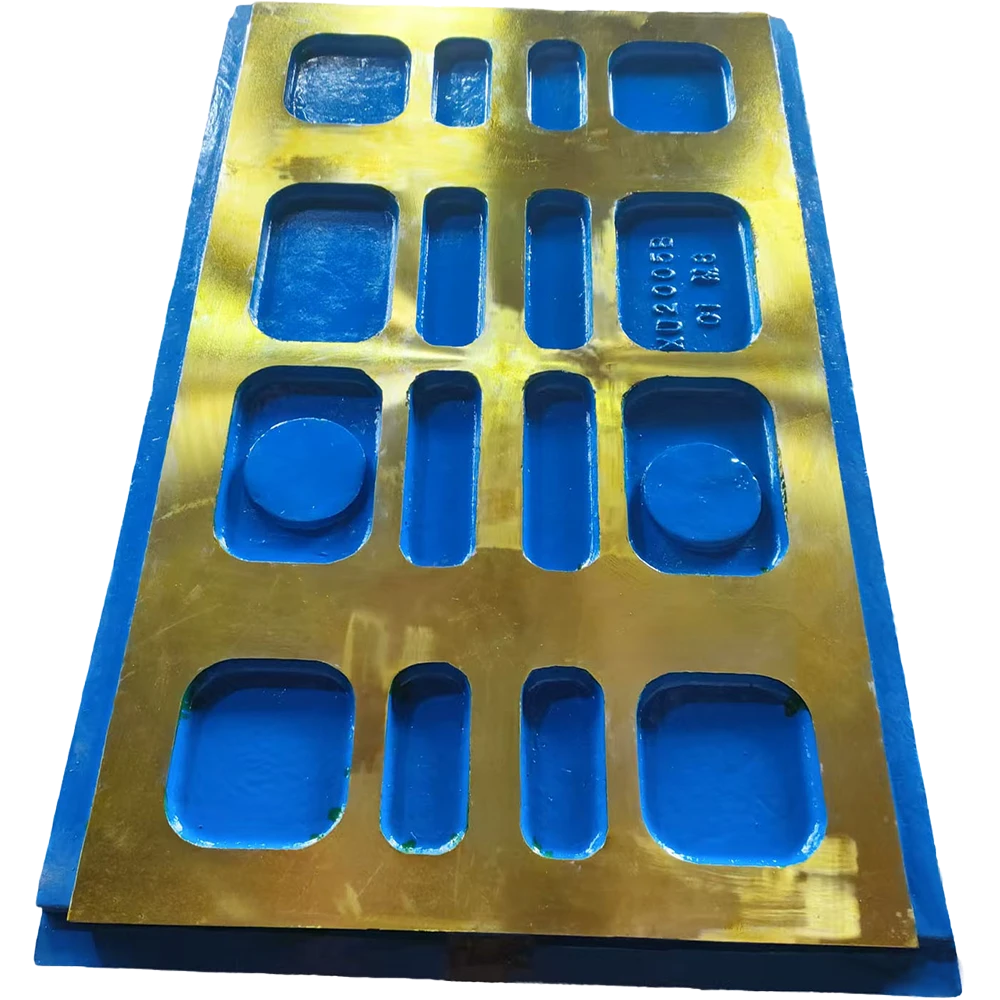
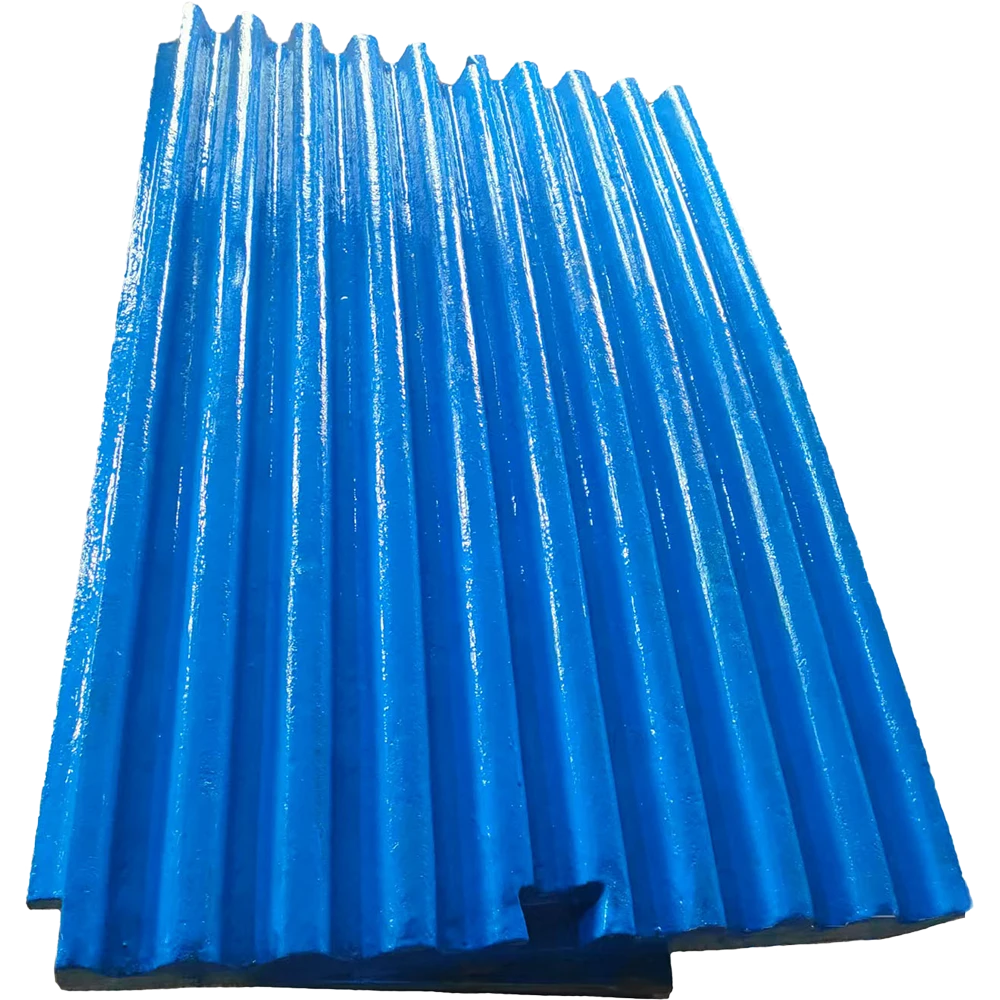
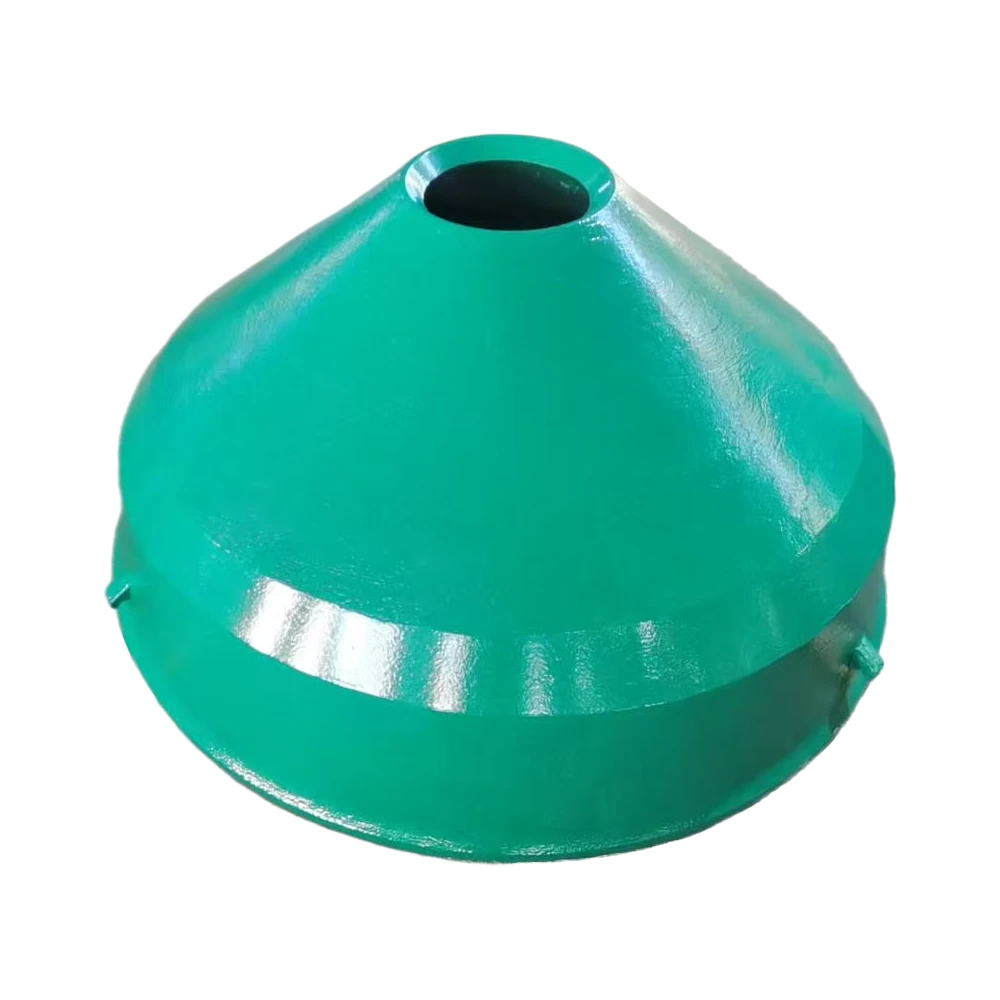
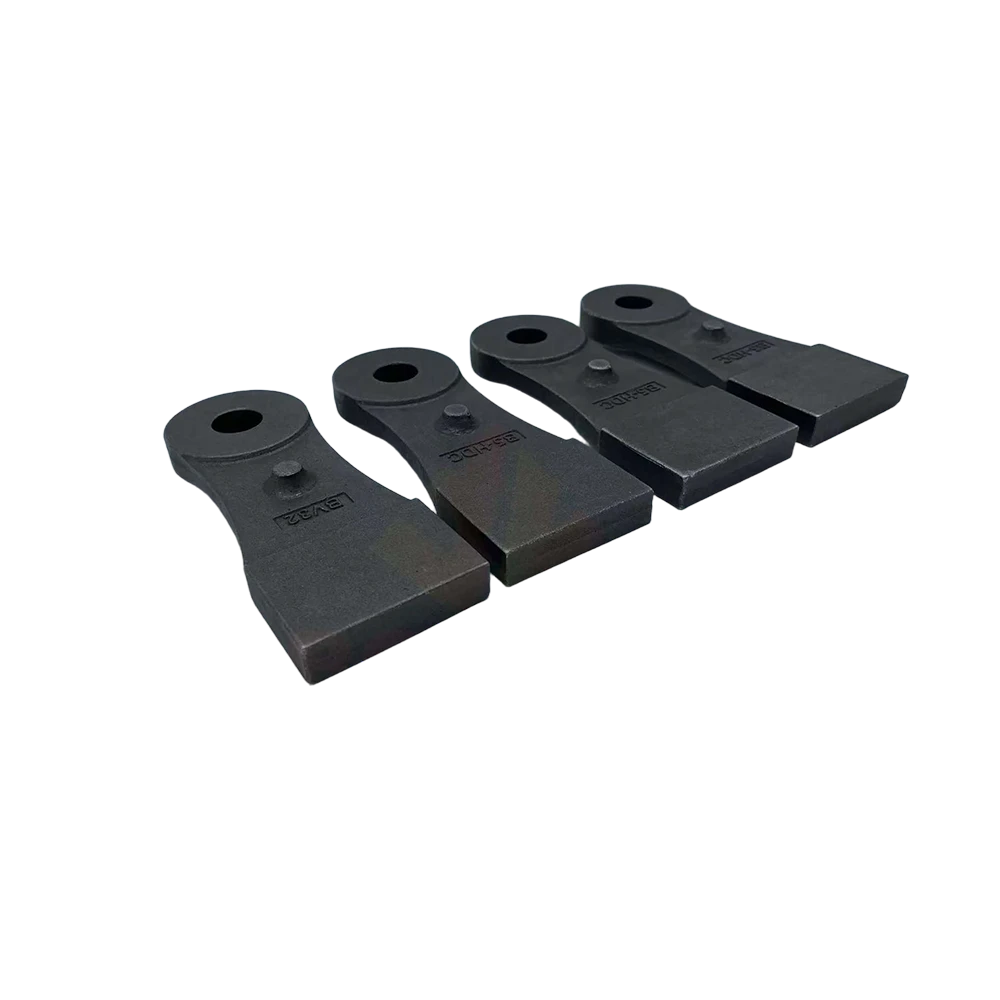
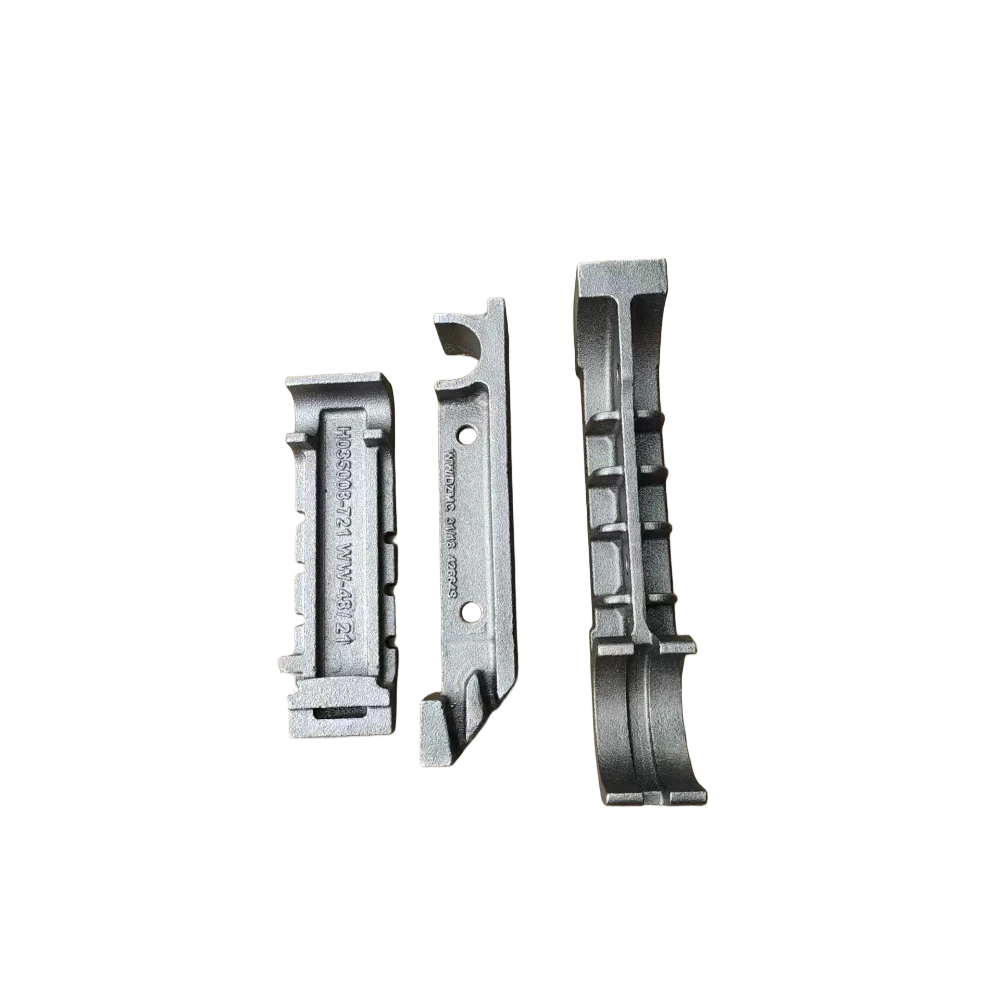
At its simplest, a crusher cone liner is a heavy-duty, replaceable component that lines the inner surface of a cone crusher’s crushing chamber.
Picture a spinning cone inside a bell-shaped mantle that crushes rock against a fixed outer surface. The cone liners are the tough, wear-resistant “shells” covering the moving and fixed parts inside the chamber where the rock actually encounters stress and abrasion. They’re typically made from manganese steel or other alloy steels forged and heat-treated for maximum resilience.
These liners are directly responsible for the crusher’s efficiency and lifetime, acting as sacrificial barriers that absorb the most wear and tear. Beyond mining and quarrying, think of them in contexts like recycling facilities, road construction sites, or even humanitarian efforts where rubble clearance is critical for rebuilding.
Mini takeaway: Crusher cone liners are the protective, wear-resistant surfaces inside cone crushers that allow heavy-duty crushing without constant machine damage or breakdowns.
Key Features of Crusher Cone Liners
1. Durability and Wear Resistance
Durability is always the headline. Cone liners must withstand intense abrasion and impact daily. Many manufacturers use manganese steel alloys, prized for their work-hardening capabilities — the harder the crushed rock hits, the stronger the surface becomes over time.
2. Material Composition
The type of alloy and heat treatment process directly affect liner lifespan. Some recent innovations incorporate chromium or nickel additives to further boost hardness and corrosion resistance.
3. Design and Compatibility
Linings must fit precisely with crusher models — from brands like Sandvik, Metso, or Terex — and must be easy to install and replace in the field. Design optimization also impacts crushing efficiency by promoting even wear and rock flow.
4. Cost Efficiency
Buying liners isn’t just about upfront price. Longer-lasting, better performing liners reduce downtime and labor costs, substantially impacting your ROI.
5. Environmental Impact
More durable liners mean fewer replacements and less scrap waste. Some manufacturers even offer recyclable or refurbished liners, aligning with eco-friendly initiatives.
6. Scalability
Whether you run a small aggregate yard or a massive mining operation, available liner sizes and profiles must scale accordingly, offering tailored solutions.
Mini takeaway: Crusher cone liners combine material science, smart design, and cost management — a blend essential for high-performance crushing.
Real-World Applications: Where Crusher Cone Liners Make a Difference
- Mining Operations: In copper mines in Chile or gold mines in South Africa, cone crushers with high-grade liners process tons of ore daily.
- Construction and Road Building: Aggregate plants in the US and Europe depend on cone liners for producing different grades of gravel and sand.
- Recycling Centers: Break down concrete, asphalt, and demolition debris, reducing landfill pressure and enabling reuse.
- Post-Disaster Reconstruction: In disaster-hit zones, portable crushing units equipped with robust liners help clear rubble fast, restoring roads and buildings.
It’s fascinating how such a small part influences not just industry efficiency but humanitarian and environmental outcomes too.
Advantages and Long-Term Benefits of Quality Crushers Cone Liners
When you invest in superior cone liners, you’re buying more than a machine part. You’re investing in:
- Reliability: Less downtime means more consistent production schedules.
- Cost Savings: Reduced need for replacements and maintenance lowers operational expenditure.
- Worker Safety: Durable liners minimize the risk of catastrophic wear failures.
- Environmental Sustainability: Less scrap and waste goes a long way for responsible mining.
- Innovation: Some liners come with wear indicators or are designed to optimize crushing efficiency, reflecting real technical advances.
Mini takeaway: Beyond cutting costs, crusher cone liners safeguard people and planet, proving they’re worth every penny.
Looking Ahead: Future Trends and Innovations
Technology marches on. Researchers and manufacturers are exploring advanced materials like ceramics or composite alloys to challenge the primacy of manganese steel.
Digitization is another frontier. Some crushers now integrate sensors that track liner wear and suggest proactive maintenance schedules — a form of “smart crushing.” Meanwhile, additive manufacturing, aka 3D printing of wear parts, might revolutionize rapid prototyping and supply access.
Sustainability goals increasingly push for liners made with less energy-intensive processes and recyclable components. Frankly, the cone liner of 2030 may look (and work) very differently.
Common Challenges and Practical Solutions
Of course, no product is perfect:
- Wear Rate Variability: Different rock types cause unpredictable wear. Customizing compositions and thicknesses can help.
- Installation Time: Complex shaped liners can cause lengthy downtime. Modular designs and quick-fit systems improve turnaround.
- Supply Chain Delays: Sourcing replacement liners globally can be slow. Local fabrication and stockpiling are crucial strategies.
Many operators swear by a combination of predictive maintenance and partnerships with trusted suppliers to stay ahead.
Frequently Asked Questions (FAQ) About Crusher Cone Liners
Q1: How often should crusher cone liners be replaced?
A1: Replacement depends on the ore’s abrasiveness, crusher load, and liner material but typically ranges from several months up to a year or more. Regular inspections and monitoring wear indicators help avoid unexpected failures.
Q2: Can I use generic liners for any cone crusher?
A2: It’s not recommended. Liners must fit the specific crusher make and model to ensure safety and efficiency. Improper fittings can cause excessive wear or damage.
Q3: Are there eco-friendly crusher cone liner options?
A3: Yes, some manufacturers now offer liners made from recycled steel or with longer lifespans to reduce waste. Additionally, refurbishing worn liners is becoming more common.
Q4: Is it possible to customize liner designs?
A4: Absolutely. Many suppliers provide tailored liner profiles optimized for your specific crushing conditions and objectives.
Q5: What’s the lead time for ordering replacement liners?
A5: Lead times vary widely depending on supplier location, customization needs, and material availability — typically between 4 to 8 weeks.
Conclusion: The Long-Term Value in Choosing the Right Crusher Cone Liner
In the end, crusher cone liners might feel like a small piece of the puzzle, but they’re foundational to heavy industry productivity, safety, and sustainability. Investing in quality liners tailored to your operation’s unique needs yields dividends in uptime, cost savings, and environmental stewardship.
For those seeking trusted advice or top-tier products, take a closer look: crusher cone liner. They bring expertise, quality materials, and custom solutions that fit real-world challenges.
Because sometimes, the right liner makes all the difference.
| Parameter | Typical Value | Units |
|---|---|---|
| Material | Manganese steel alloy (18% Mn) | — |
| Hardness (Rockwell C) | 50-60 | HRC |
| Typical thickness | 25-50 | mm |
| Weight | 50-300 | kg |
| Typical lifespan | 4-12 | months |
| Feature | DZM Casting | Generic Supplier A | Brand X Liners |
|---|---|---|---|
| Material Quality | High-grade manganese steel | Standard steel alloys | Premium alloy with chromium |
| Customization | Full profile & size options | Limited | Moderate |
| Lead Time | 4-6 weeks | 6-8 weeks | 3-5 weeks |
| Warranty | 12 months | 6 months | 12 months |
| After-sales Support | Comprehensive technical assistance | Basic support | Advanced support |
References:
-
High Performance oem cast heat resistant steel for Industrial UseNewsApr.16,2026
-
Guide to Selecting High Quality Cast Heat Resistant Steel AlloysNewsApr.09,2026
-
Custom Cast Heat Resistant Steel Solutions for High Temperature ApplicationsNewsApr.07,2026
-
Comprehensive Guide to Wholesale Cast Heat Resistant Steel for Industrial ApplicationsNewsApr.04,2026
-
Comprehensive Guide to High Performance Heat Resistant Metal Product SolutionsNewsMar.31,2026
-
Expert Guidance on Heat Resistant Metal Quotes and Alloy SelectionNewsMar.28,2026