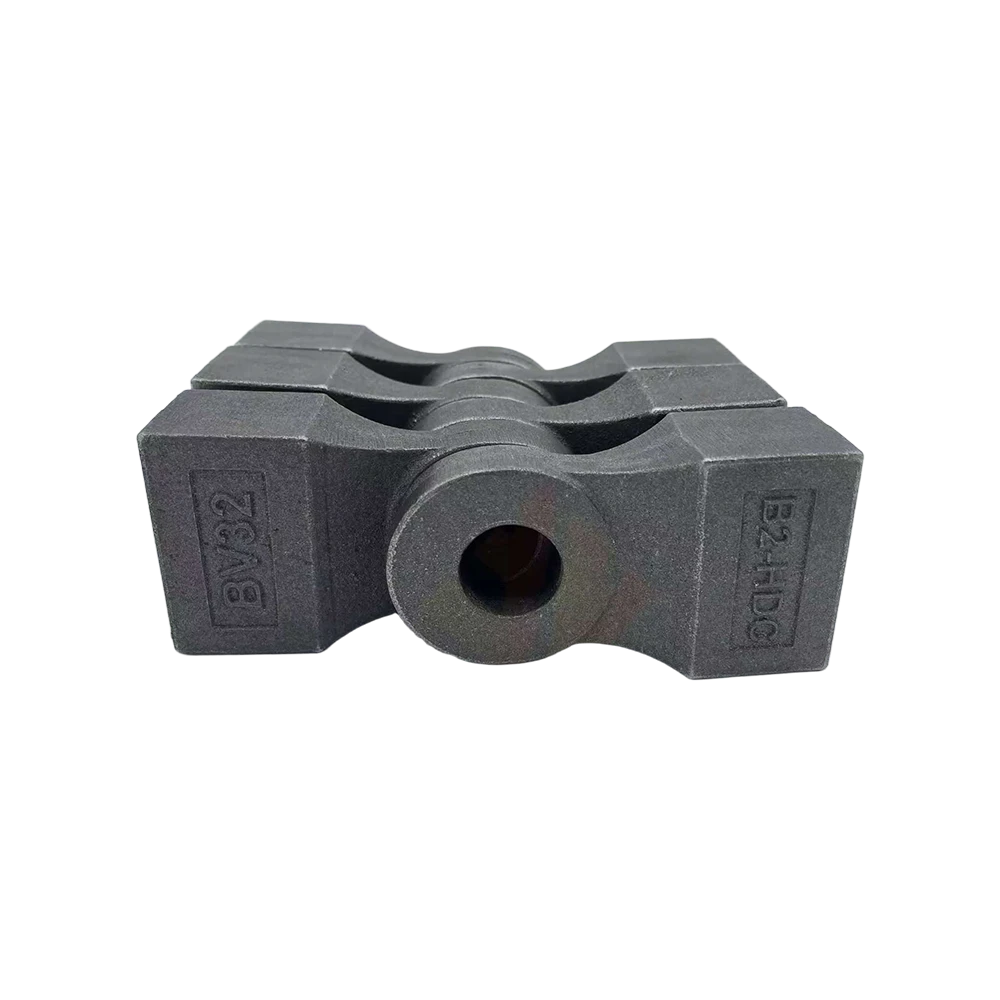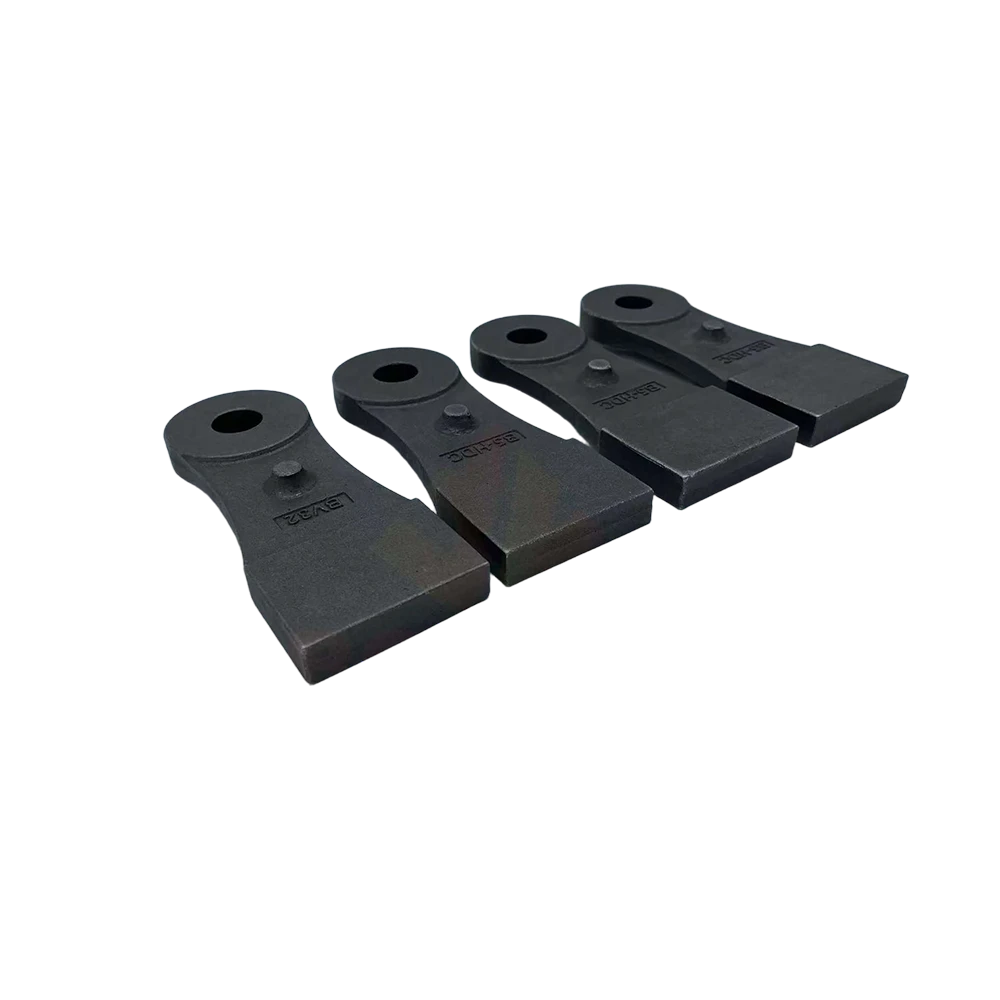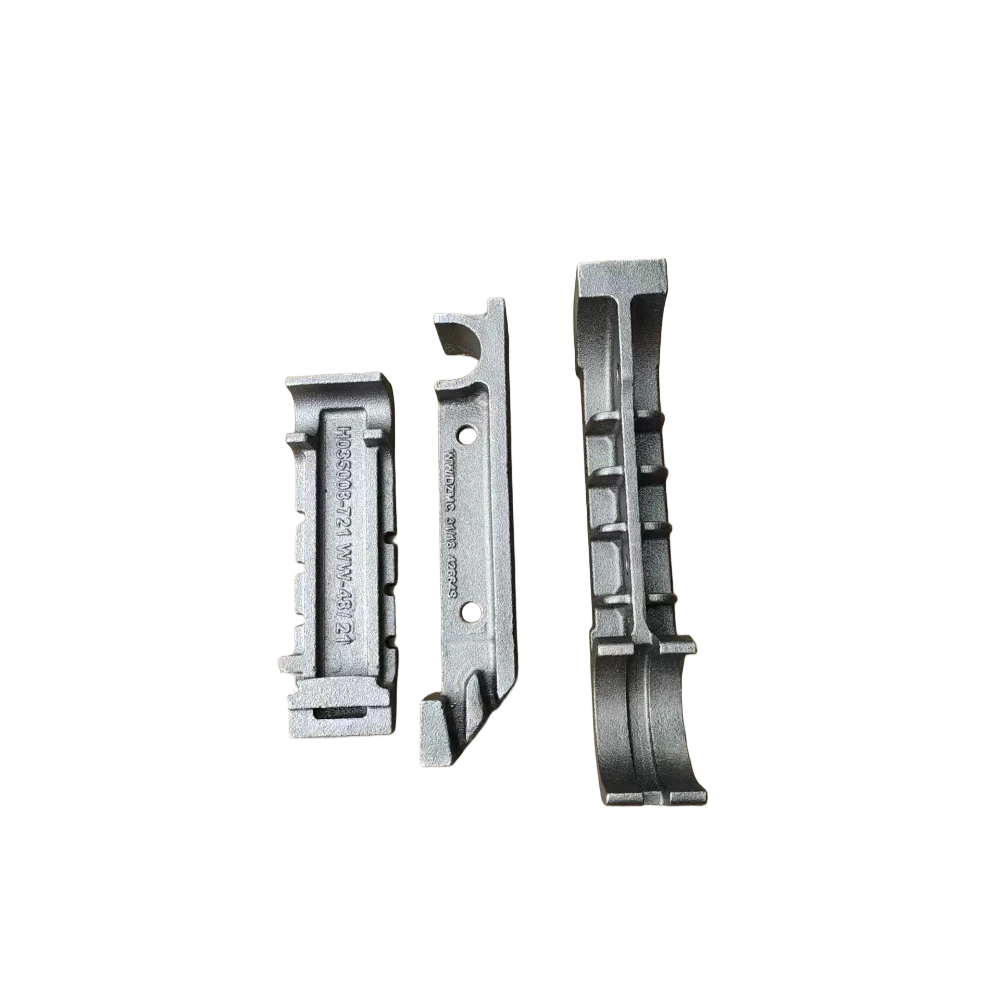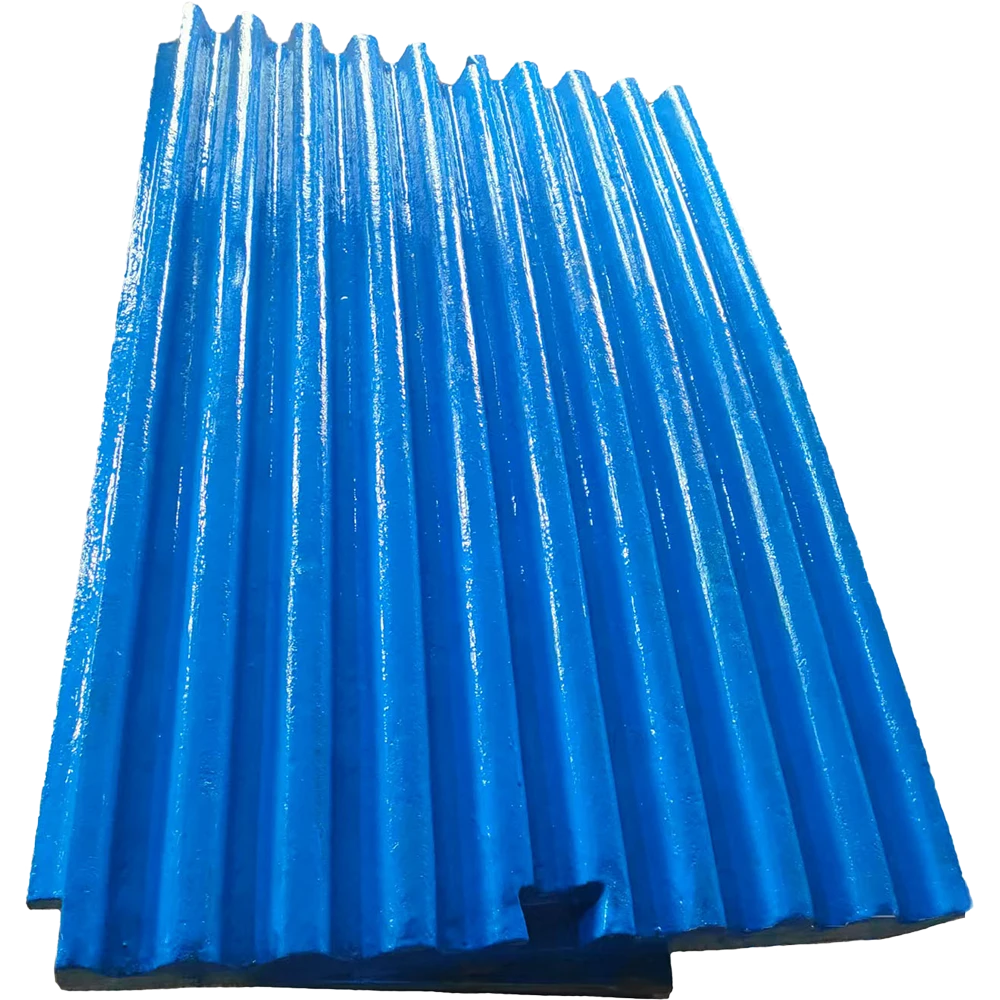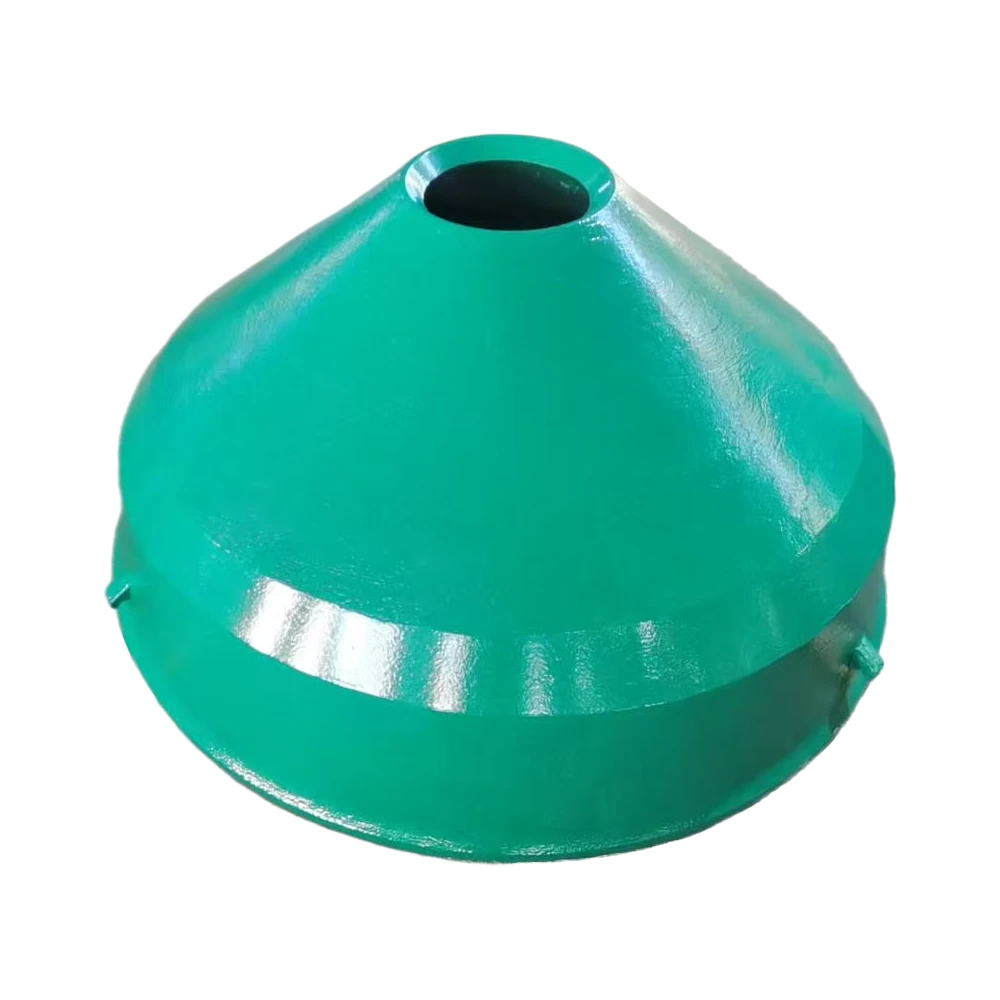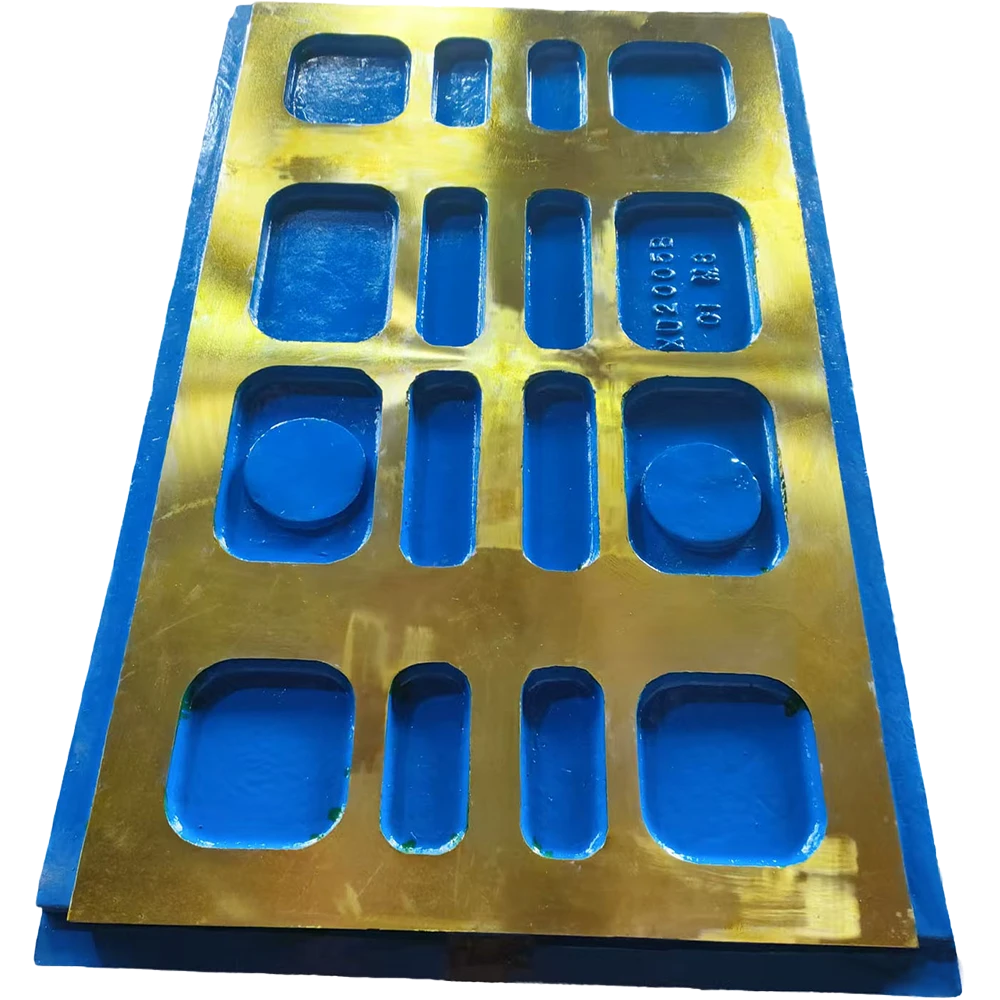
Durable Fixed Jaw Plate for Jaw Crushers | DZMCCasting Solutions
Understanding the Fixed Jaw Plate: Essential in Crushing Operations
After having spent a good chunk of my career around industrial crushers and heavy equipment, I can tell you the fixed jaw plate truly is one of those unsung heroes. These plates aren’t just slabs of metal — they’re the beating heart inside jaw crushers, enduring constant pounding and helping shape vast amounts of raw materials into manageable sizes.
In real terms, the fixed jaw plate is the stationary part bolted firmly to the crusher’s frame. It partners with a moving jaw plate that crushes rocks or ore by compression. Oddly enough, despite their seemingly simple shape and function, these plates need to balance a lot: durability, wear resistance, and sometimes, cost-effectiveness without sacrificing performance.
One aspect engineers—and frankly, any seasoned operator—often discuss is the choice of materials. Most fixed jaw plates are made from manganese steel due to its impressive ability to harden under impact. You might also find plates made of alloy steels with chromium, which can boost wear resistance, especially in highly abrasive environments. In my experience, while manganese steel plates offer a longer lifespan, the initial break-in period involves some reshaping due to work hardening, which operators need to factor in.
Testing these plates involves simulated crushing conditions that replicate years of wear. I remember visiting a plant where they showed me how they test jaw plates using a hydraulic press and specially designed abrasives. It was fascinating to see how subtle variations in composition or plate surface patterns could extend service life by 15-20% or more.
Speaking of design, something many overlook is the tooth profile on fixed jaw plates. Manufacturers offer different designs — from corrugated to stepped or flat-faced plates. Each profile optimizes crushing efficiency or feed handling for specific materials or crusher models. For example, corrugated plates typically grab material better, reducing slippage, which, frankly, is a huge deal when dealing with very hard or irregular rocks.
| Parameter | Value |
|---|---|
| Material | Manganese Steel (Mn13 - Mn18) |
| Hardness (as cast) | 180-220 HB |
| After Work Hardening | Up to 500 HB |
| Thickness | 50 - 200 mm (varies by crusher model) |
| Typical Life Span | 6-12 months (depending on material & usage) |
Customization is another important topic. Not all crushing environments are the same, so plates often come tailored with specific designs adapted to the crusher type or to the type of stone crushed. Out in the field, I noticed companies placing high value on vendors offering quick turnaround times and minor modification options — like adding mounting holes or slightly varying tooth angles — since downtime is costly.
To make sense of what vendors typically offer, I put together a rough comparison of some popular fixed jaw plate suppliers in the market. Keep in mind, this reflects a general perspective I’ve picked up from contracts and industrial feedback over the years:
| Vendor | Material Quality | Customization | Price Range | Delivery Time |
|---|---|---|---|---|
| DZMCCasting | High-grade manganese steel | Flexible (tooth shape, size adjustments) | Mid to High | 4-6 weeks |
| Vendor A | Standard Mn steel | Limited | Budget | 6-8 weeks |
| Vendor B | Alloy steel with Cr | Moderate | High | 5-7 weeks |
Personally, I’ve seen fixed jaw plates from DZMCCasting hold up remarkably well under challenging conditions. A client from a quarry once mentioned their downtime dropped almost 30% after switching to plates from them — partly thanks to the plates’ excellent wear resistance and the company's willingness to tailor fit parts to their crusher’s unique specs.
In conclusion, the fixed jaw plate might just be a simple metal piece, but it’s pivotal to crushing efficiency and operational uptime. Choosing the right one requires understanding your crushers’ needs and material specifics, plus working with a vendor that won't leave you stranded halfway through a project.
And, I suppose, the best jaw plates are those that, while out of sight, never fall out of mind.
References:
- Industry Standards on Jaw Crusher Plates – Mining Journal, 2021.
- Wear-Resistant Materials for Crushing Equipment – Material Science Review, 2019.
- Customer Case Studies: Crusher Maintenance & Part Longevity – DZMCCasting, 2023.
-
High Performance oem cast heat resistant steel for Industrial UseNewsApr.16,2026
-
Guide to Selecting High Quality Cast Heat Resistant Steel AlloysNewsApr.09,2026
-
Custom Cast Heat Resistant Steel Solutions for High Temperature ApplicationsNewsApr.07,2026
-
Comprehensive Guide to Wholesale Cast Heat Resistant Steel for Industrial ApplicationsNewsApr.04,2026
-
Comprehensive Guide to High Performance Heat Resistant Metal Product SolutionsNewsMar.31,2026
-
Expert Guidance on Heat Resistant Metal Quotes and Alloy SelectionNewsMar.28,2026