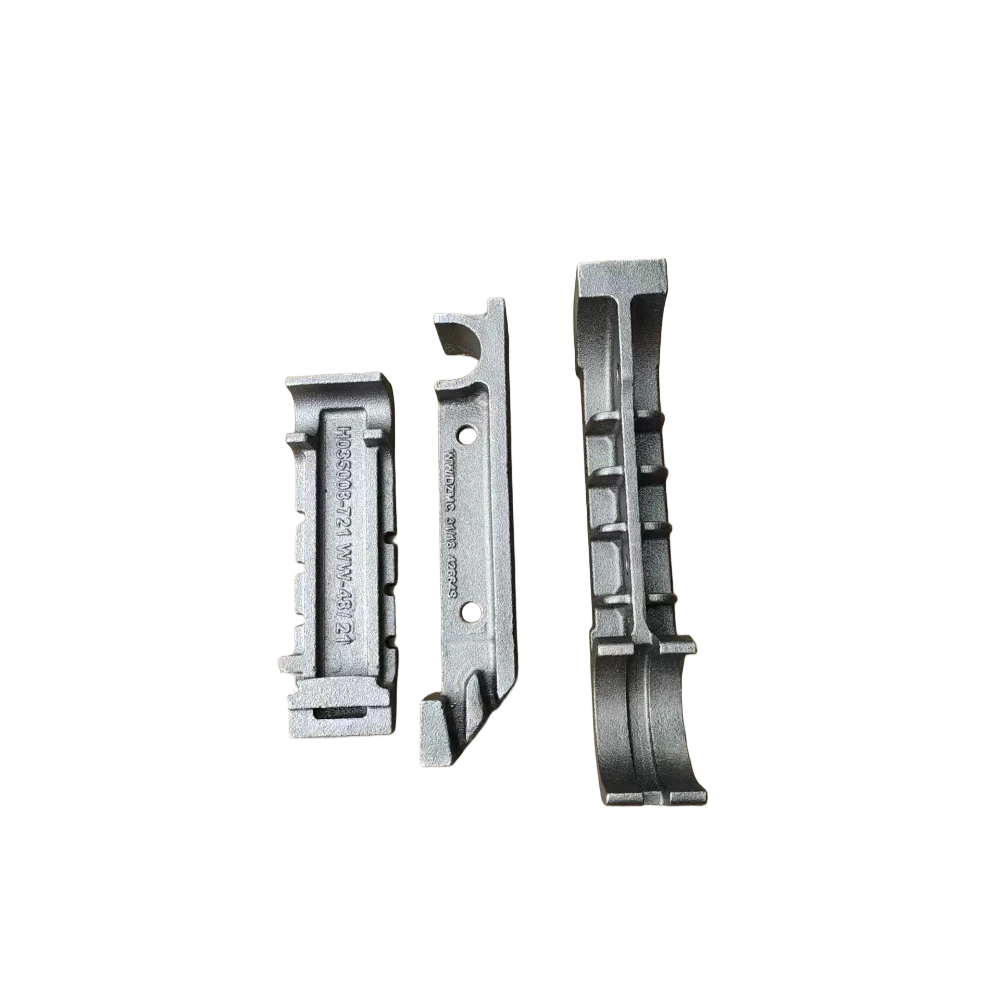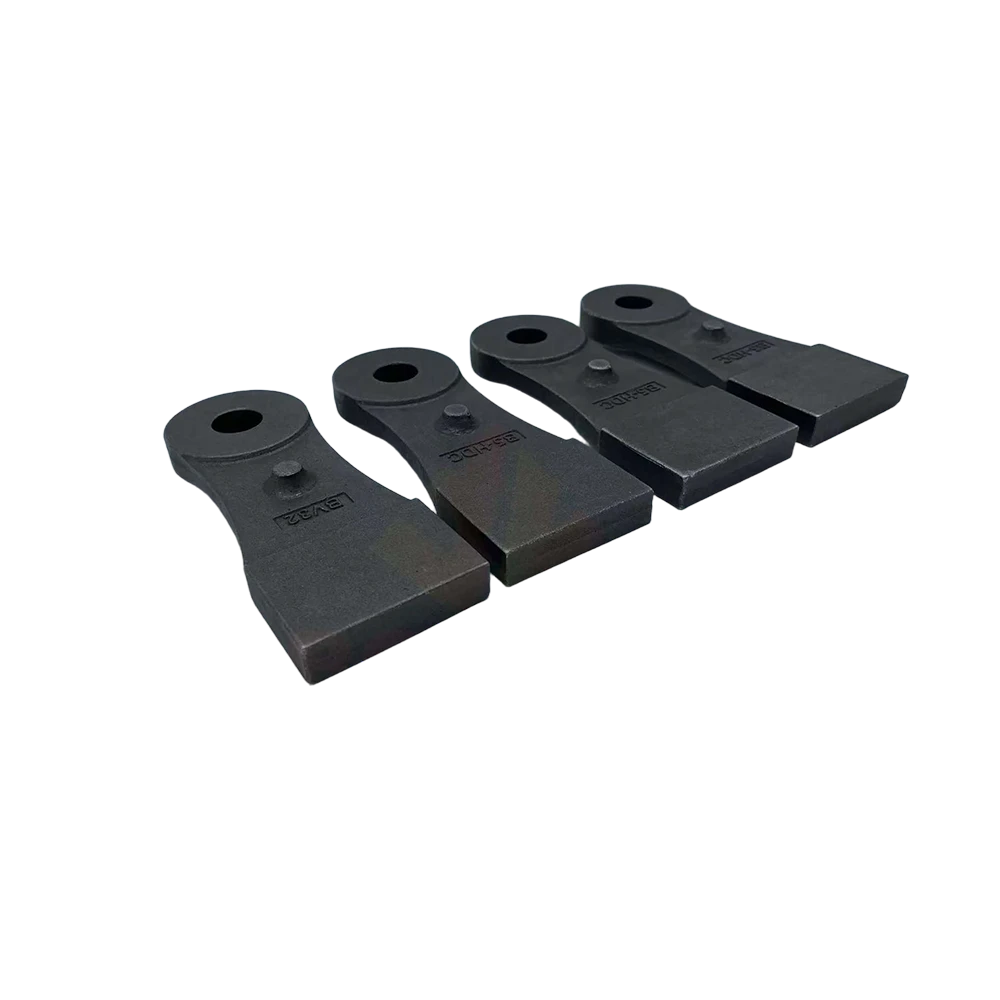
Durable Jaw Crusher Liner Plate Insights for Industrial Crushing
Jaw Crusher Liner Plate: A Veteran’s Take on This Unsung Hero
Having spent over a decade trekking through dusty quarries and humming industrial plants, I can tell you the jaw crusher liner plate is often the quiet backbone of crushing operations. You don’t hear much about it outside the circle of crushing professionals, but trust me, this humble component determines a lot — from crusher efficiency to operational costs.
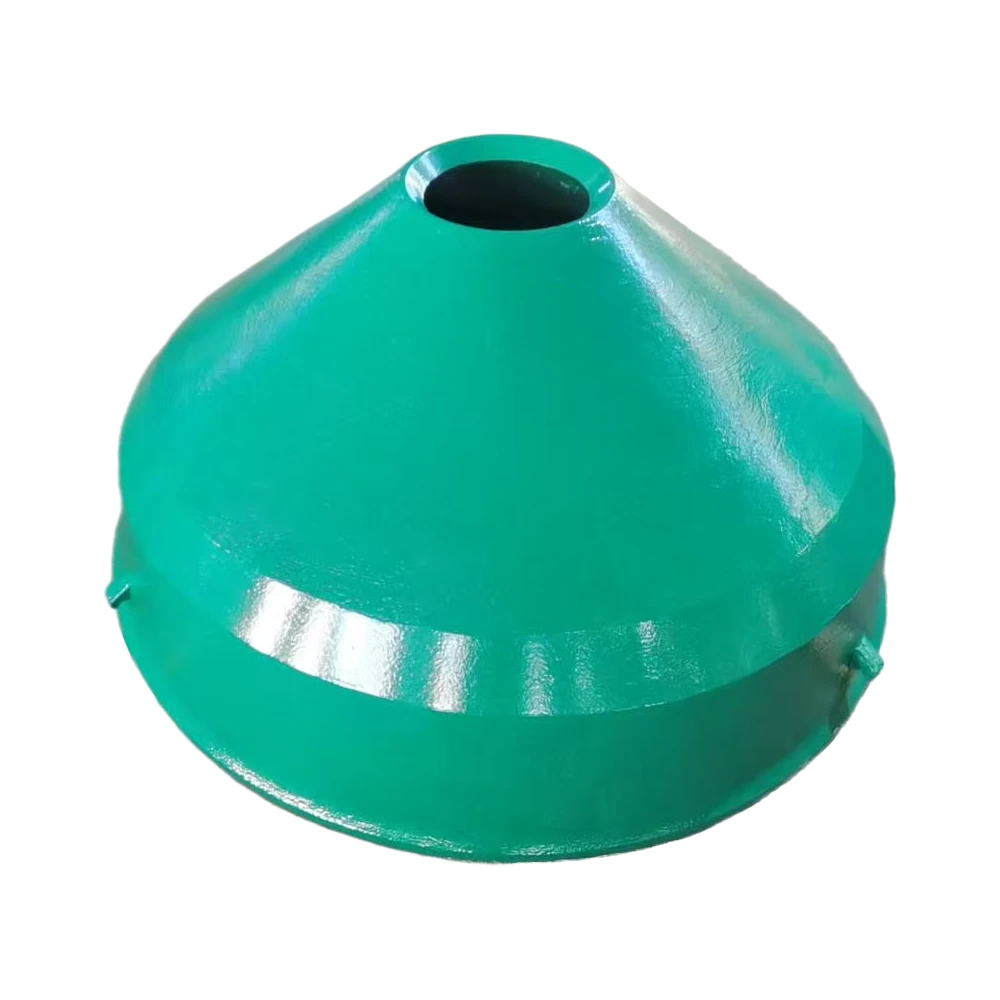
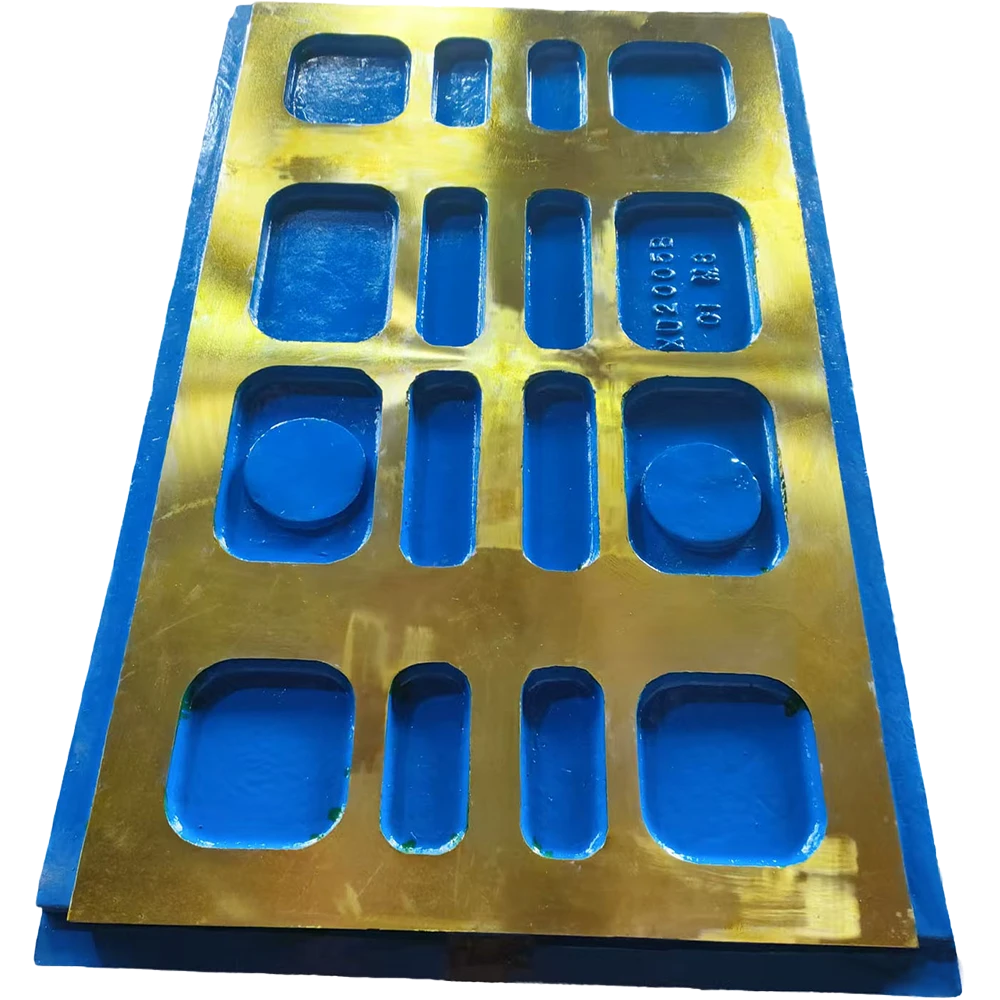
What’s fascinating about the jaw crusher liner plate is the sheer variety of materials and design tweaks manufacturers throw into the mix. Usually, these plates face incredible stress — they’re the first line of defense against tons of rock crushing down relentlessly. So, engineers are obsessed with balancing toughness and wear resistance.
In practical terms, a typical jaw crusher liner plate is made of manganese steel because it work-hardens on impact. I remember once spec'ing manganese liners for a mid-sized quarry crusher. The customer was skeptical about the cost initially but soon noticed how the liners lasted longer than the conventional chrome alloy plates they’d tried before — resulting in less downtime and fewer replacement labor hours.
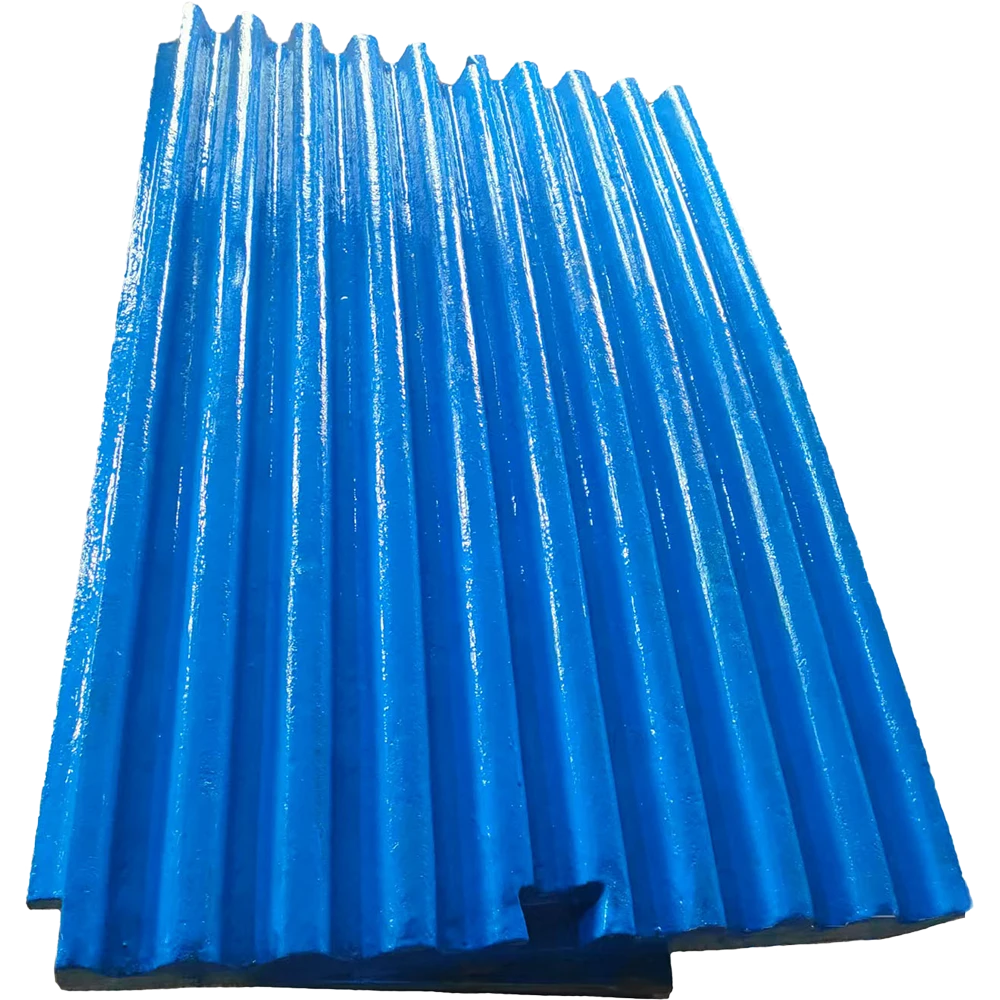
Oddly enough, many operators overlook how important the correct liner profile is. Profiles come in various shapes — like the stepped or smooth liners — designed for different materials and crushing stages. The plate design influences the crusher’s nip angle and affects how material is gripped and crushed. It’s kind of like the teeth on a saw; the shape impacts cutting efficiency.
Here’s a quick rundown of typical jaw crusher liner plate specs you’ll find on many industrial sites:
| Parameter | Typical Range | Notes |
|---|---|---|
| Material | Mn13, Mn18, Mn22 manganese steel | Higher Mn content for higher wear resistance |
| Thickness | 25mm–65mm | Depends on crusher size & feed material |
| Hardness (HRB) | 280–320 (work-hardened) | Surface hardening improves lifespan |
| Profile Type | Stepped or smooth | Selected based on crushing application |
| Weight | Varies depending on crusher specification | Heavier liners generally last longer but affect crusher balance |
Not all vendors are created equal — frankly, sourcing liners can be tricky. It’s a blend of material quality, craftsmanship, and understanding your specific crusher geometry. Here’s a straightforward comparison of some typical suppliers I’ve encountered in the industry:
| Vendor | Material Quality | Customization Options | Delivery Time | Price Range |
|---|---|---|---|---|
| DZMC Casting | High-grade manganese steel, strict QC | Full custom profiles and sizes | 4–6 weeks (depending on order size) | Mid to premium |
| Vendor B | Standard manganese steel | Limited profiles | 2–3 weeks | Budget |
| Vendor C | Premium alloy steel, advanced heat treatment | Custom made, but with long lead times | 6–8 weeks | Premium |
One memorable project involved a limestone plant where they kept battling frequent liner failures. After switching to a customized profile sourced from a reputable manufacturer like jaw crusher liner plate specialists, they saw wear life almost double. It might seem incremental, but over a year, that meant thousands saved in replacement costs and unplanned downtime.
With all this, if you’re in the market, I’d say it’s worth spending a bit more on quality and advice upfront. Frankly, a cheap liner plate can turn into an expensive headache quickly. You want a partner who understands the quirks of your crusher and the demands of your feed material. After all, those liner plates take the brunt every day.
Lastly, I find it interesting how OEMs and aftermarket suppliers keep innovating with alloys and profiles — it’s not just hardware; it’s real metallurgy meets engineering. Every time I see new test data on wear performance and impact toughness, it reminds me why this isn’t just a “wear part” but a critical piece of reliable crushing.
A quick takeaway? Invest in quality liners, understand your crusher’s profile needs, and keep an eye on wear patterns — it pays back in uptime and peace of mind.
- “Manganese Steel and Wear Resistance” – Metallurgy Review, 2022
- Industry Journal, “Crusher Maintenance Best Practices”, 2021
- Case Study – Limestone Plant Upgrade, 2019
-
High Performance oem cast heat resistant steel for Industrial UseNewsApr.16,2026
-
Guide to Selecting High Quality Cast Heat Resistant Steel AlloysNewsApr.09,2026
-
Custom Cast Heat Resistant Steel Solutions for High Temperature ApplicationsNewsApr.07,2026
-
Comprehensive Guide to Wholesale Cast Heat Resistant Steel for Industrial ApplicationsNewsApr.04,2026
-
Comprehensive Guide to High Performance Heat Resistant Metal Product SolutionsNewsMar.31,2026
-
Expert Guidance on Heat Resistant Metal Quotes and Alloy SelectionNewsMar.28,2026