Durable Jaw Crusher Liners for Enhanced Crushing Efficiency | DZMCCasting
Jaw Crusher Liner: The Unsung Hero in Crushing Efficiency
When you hear the phrase jaw crusher liner, it might not sound like the most glamorous part of heavy industrial equipment. Yet, this component plays a vital role in everything from mining to construction, basically fueling the global economy’s raw material needs. Understanding what it is and why it matters offers a peek into how industries keep crushing forward—quite literally.
Why Does the Jaw Crusher Liner Matter Worldwide?
Globally, the demand for minerals, aggregates, and recycled materials is booming. According to the United Nations Environment Programme, the global mineral extraction rate rose by nearly 70% between 2000 and 2017. That means jaw crushers are working overtime, and their liners bear the brunt of this relentless work. If liners wear out quickly, it not only inflates operational costs but can cause unexpected downtime, impacting everything from infrastructure projects in Asia-Pacific to mining ventures in South America.
Frankly, that small piece of metal lining inside a machine often determines if a crusher performs reliably or becomes a bottleneck—a fact often overlooked by end-users but critical for operators and engineers alike.
What Exactly is a Jaw Crusher Liner?
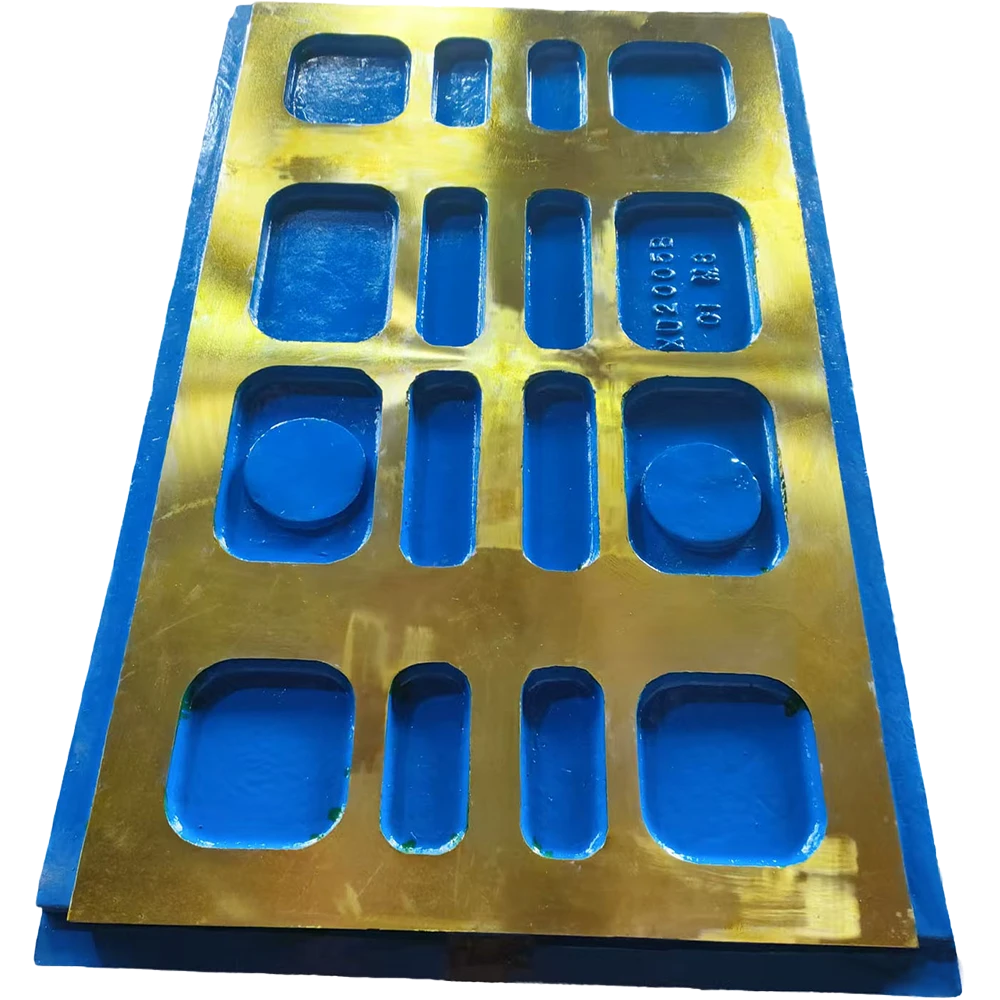
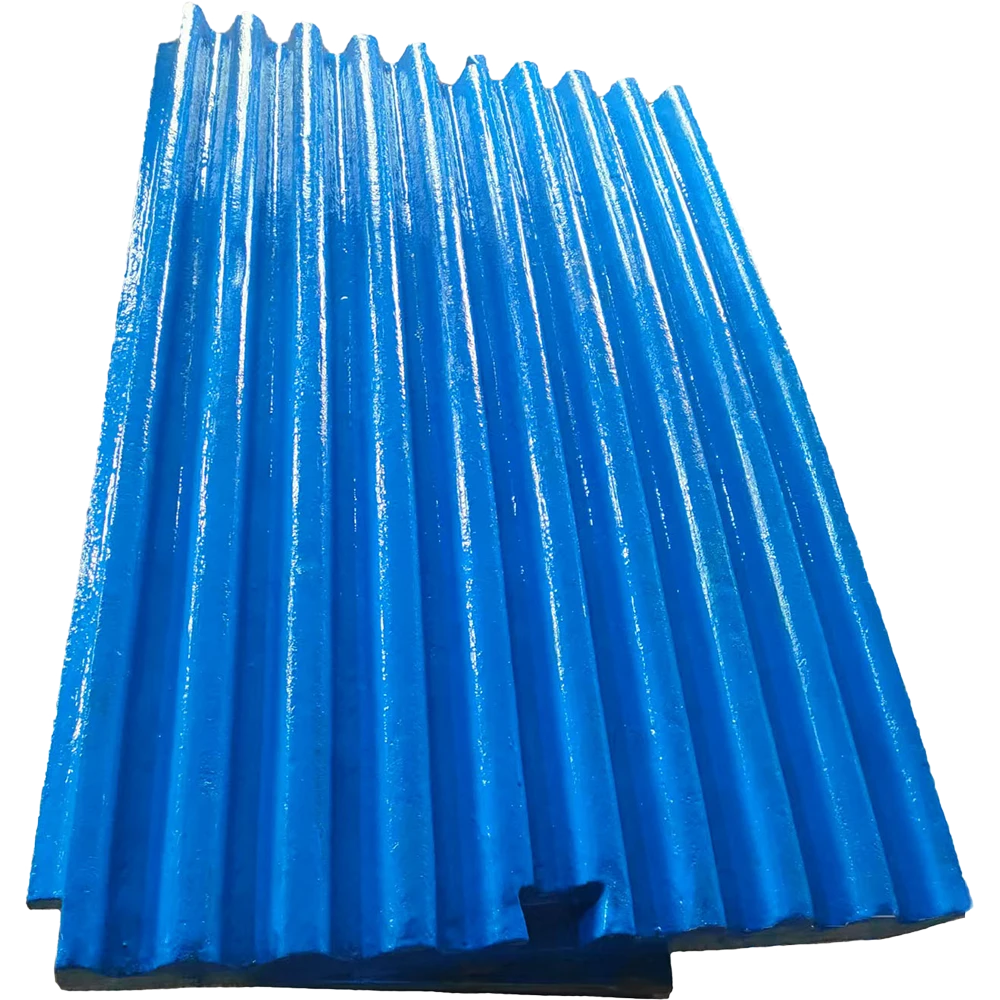
In simple terms, a jaw crusher liner is the protective, wear-resistant plate fitted inside the crushing chamber of a jaw crusher. It safeguards the crusher's frame and crushing surfaces, absorbing the harsh impact of large rocks and ores. Without it, metal-to-metal contact would quickly degrade machinery.
More than just protection, the liner shapes the crushing process itself, influencing the machine’s efficiency, throughput, and product size distribution. It truly is where metallurgy meets mechanics in a dance that keeps minerals flowing from raw to refined.
Core Components of Jaw Crusher Liners: Durability, Design, and More
Durability and Wear Resistance
The toughest liners use high manganese steel, designed to work-harden under impact. This hardening means they last longer even under abrasive conditions—a small miracle when you consider the thousands of tons processed every day.
Design and Fit
Jaw crusher liners are custom-shaped for different crusher sizes and feed materials. A precisely engineered liner maximizes crushing efficiency and minimizes downtime for replacements. Oddly enough, a slight misfit can cause uneven wear or damage – so attention to detail matters.
Cost Efficiency
While premium liners cost more, their longevity and improved crusher life often translate into lower lifecycle expenses. Many operators find that cheaper, generic liners lead to higher maintenance costs—and frustration.
Scalability and Availability
From small-scale quarry operations to massive mineral processing plants, liners come in various sizes and capacities. The ability to quickly source and replace liners affects uptime—and ultimately profitability.
Compatibility with Crushing Technology
Modern jaw crushers may require specialized liners that accommodate automation and remote monitoring tools. Liners that integrate well into smart systems help companies track wear and plan maintenance more predictively.
Mini takeaway: The technical integrity of jaw crusher liners significantly impacts operational success, balancing durability, precision design, and cost-effectiveness.
Global Applications and Real-World Examples
Jaw crusher liners are everywhere, quietly enabling projects on every continent:
- Mining Industry: In Chile’s copper mines, custom liners help handle extremely abrasive rock types, optimizing valuable ore recovery.
- Construction Aggregates: Europe's infrastructure rebuild relies heavily on jaw crushers with durable liners to handle diverse stone sources, ensuring steady supply chains.
- Recycling & Environmental Management: In North America, liners withstand scrap demolition debris, enabling resource recovery and waste reduction.
- Disaster Relief & Temporary Projects: Sometimes, portable crushers with quick-change liners are used in post-earthquake scenarios to clear debris and produce building materials on-site.
Jaw Crusher Liner: Product Specification Table
| Specification | Typical Range | Notes |
|---|---|---|
| Material | High manganese steel (12-14% Mn) | Work-hardening alloy |
| Thickness | 20 - 40 mm | Varies by crusher size |
| Weight | 5 - 50+ kg per liner piece | Depending on crusher model |
| Hardness (Rockwell) | 40 - 55 HRC (post work-hardening) | Increases during operation |
| Replacement Interval | 3 - 12 months (variable by use) | Heavily dependent on feed material |
Comparing Top Vendors of Jaw Crusher Liners
| Vendor | Material Quality | Customization Options | Lead Time | Price Range |
|---|---|---|---|---|
| DZMCCasting | High manganese steel with advanced alloying | Full custom profiles based on OEM specs | 2-4 weeks | Mid-range |
| Vendors A | Standard manganese steel | Limited to popular crusher models | 4-6 weeks | Budget |
| Vendor B | Premium alloy steel blend | Custom liners plus wear monitoring kits | 3 weeks | High-end |
Benefits & Long-Term Value of Quality Jaw Crusher Liners
Choosing the right jaw crusher liner is more than a technical decision – it’s an investment in reliability, safety, and sustainability.
- Cost Savings: Longer-lasting liners require fewer replacements, reducing downtime and labor.
- Operational Efficiency: Properly designed liners optimize material flow, improving throughput and reducing energy use.
- Environmental Impact: Efficient crushing reduces waste and energy consumption, aligning with global sustainability goals.
- Safety and Trust: Reliable liners protect workers and equipment, fostering confidence across operations.
In real terms, these benefits often translate into smoother projects, fewer headaches, and better ROI—something any project manager will happily raise a coffee to.
Future Trends & Innovations in Jaw Crusher Liners
Technology isn’t standing still. The next generation of jaw crusher liners is experimenting with:
- Advanced Metallurgy: Incorporating nano-structured materials to improve wear resistance.
- 3D Printing: Rapid prototyping for customized liners reduces lead times and mistakes.
- Smart Liners: Embedded sensors to track liner wear in real time, enabling predictive maintenance.
- Sustainability: Recyclable materials and eco-friendly manufacturing processes reduce environmental impact.
Digital transformation is making crushers smarter, and liners better than ever at playing their quiet but crucial role.
Challenges & Practical Solutions for Liners Today
Of course, it’s not all smooth sailing. Common challenges include:
- Rapid Wear in Harsh Conditions: Highly abrasive materials can wear liners down fast. Experts recommend customized liner profiles and tougher alloys.
- Supply Chain Delays: Waiting weeks for replacement liners can halt production. Vendors with strong local stocks or rapid manufacturing help here.
- Installation Complexity: Poor liner fit or installation can reduce lifespan. Training operators on proper installation is essential.
Innovative approaches, like modular liners that snap in quickly or predictive wear monitoring, are beginning to address these very issues.
FAQ: Jaw Crusher Liner Essentials
Q1: How often should jaw crusher liners be replaced?
A: Replacement depends on material abrasiveness and crusher workload but typically ranges from 3 to 12 months. Regular inspection helps catch wear before it causes damage.
Q2: Can liners be customized for different materials?
A: Absolutely. Liners can be tailored in shape and material composition to handle specific feed types—whether soft limestone or hard basalt.
Q3: Are jaw crusher liners recyclable?
A: Yes, many manufacturers recycle worn liners, melting the steel down to create new components, supporting sustainability efforts.
Q4: What are signs that a liner needs to be replaced?
A: Look for unusual noise, decreased crushing efficiency, or visible cracks and wear patterns on liner surfaces.
Q5: Can I purchase liners internationally with ease?
A: Leading suppliers like DZMCCasting facilitate international shipping with customs support, making global sourcing practical.
Wrapping It Up: Why Jaw Crusher Liners Fuel the Future
In the heavy machinery world, the jaw crusher liner might not draw the spotlight, but without it, crushers wouldn’t stand a chance. From enhancing machine life to unlocking operational efficiency, liners bridge the gap between raw materials and finished products effortlessly.
Interested in quality and durable liners? Visit our website: jaw crusher liner for tailored solutions that keep your crushers working at peak performance.
References:
1. United Nations Environment Programme: Global Mineral Extraction
2. ISO 6506-1: Metallic materials — Rockwell hardness test
3. Wikipedia: Jaw Crusher (source)
-
High Performance oem cast heat resistant steel for Industrial UseNewsApr.16,2026
-
Guide to Selecting High Quality Cast Heat Resistant Steel AlloysNewsApr.09,2026
-
Custom Cast Heat Resistant Steel Solutions for High Temperature ApplicationsNewsApr.07,2026
-
Comprehensive Guide to Wholesale Cast Heat Resistant Steel for Industrial ApplicationsNewsApr.04,2026
-
Comprehensive Guide to High Performance Heat Resistant Metal Product SolutionsNewsMar.31,2026
-
Expert Guidance on Heat Resistant Metal Quotes and Alloy SelectionNewsMar.28,2026