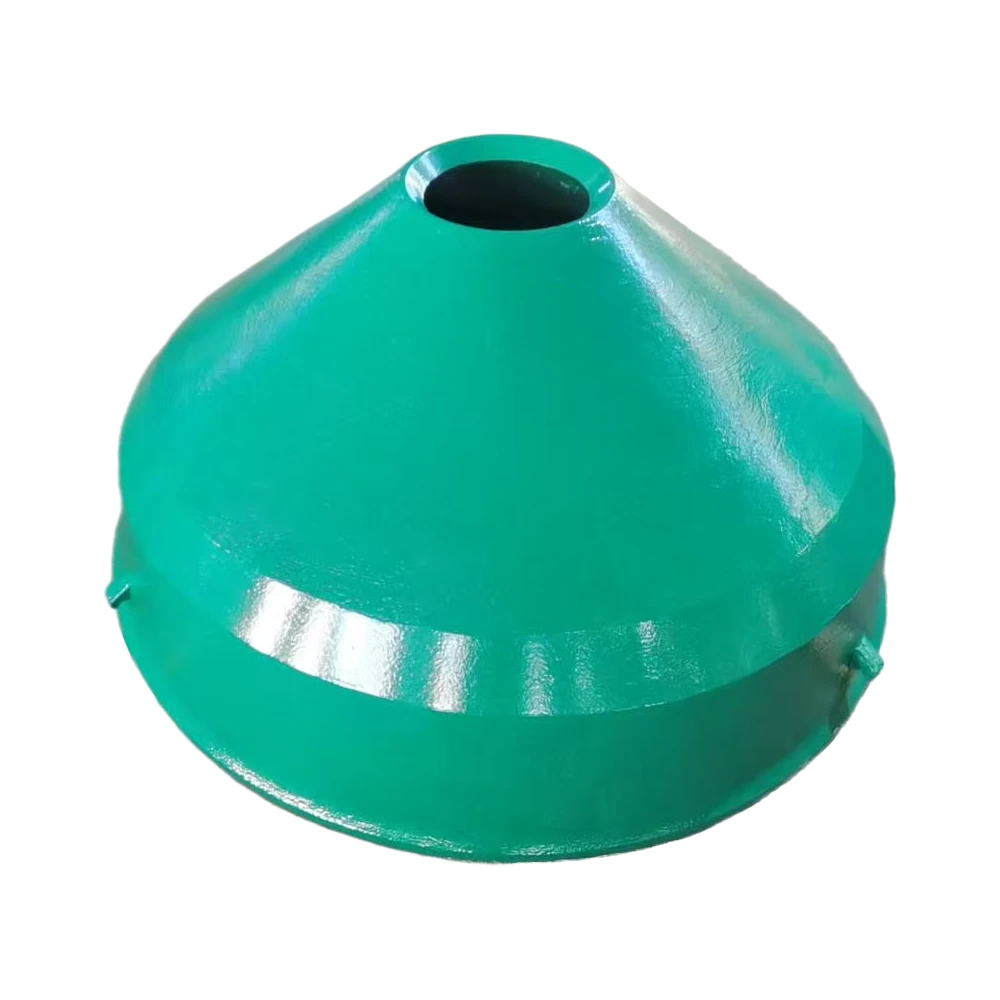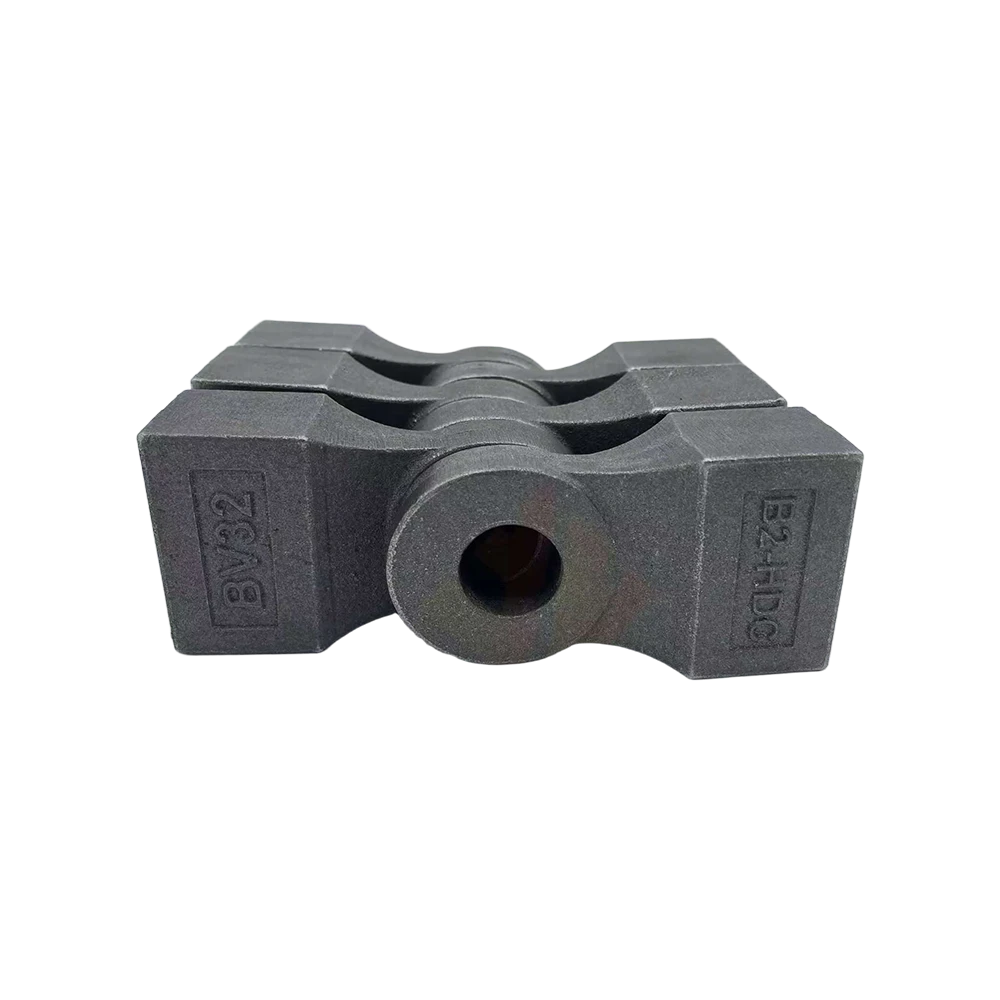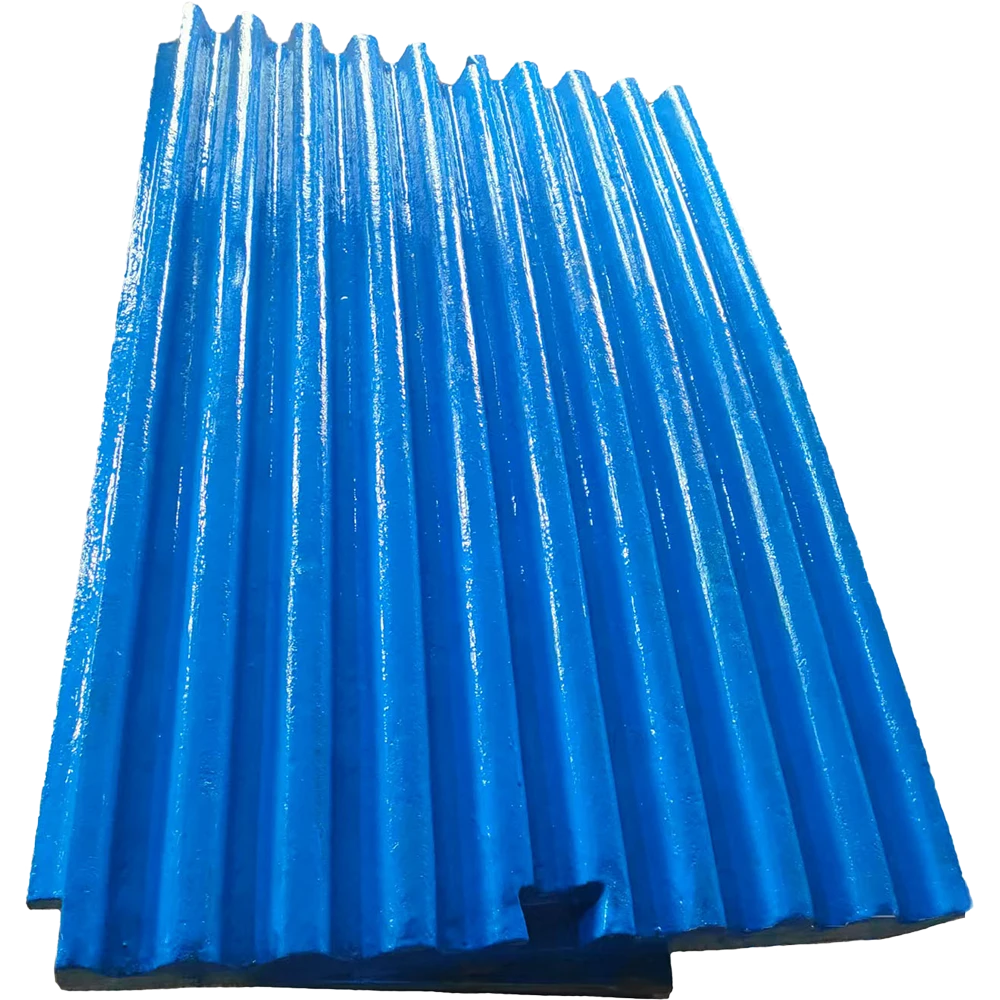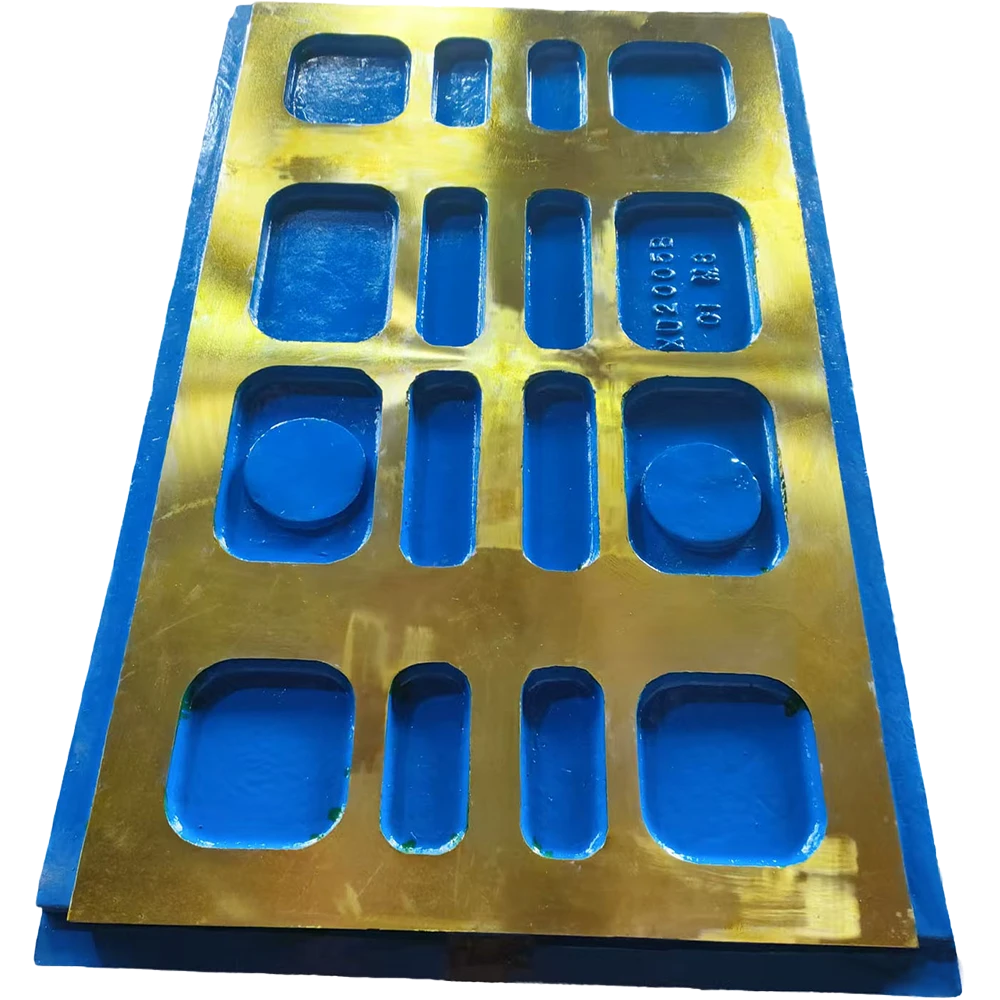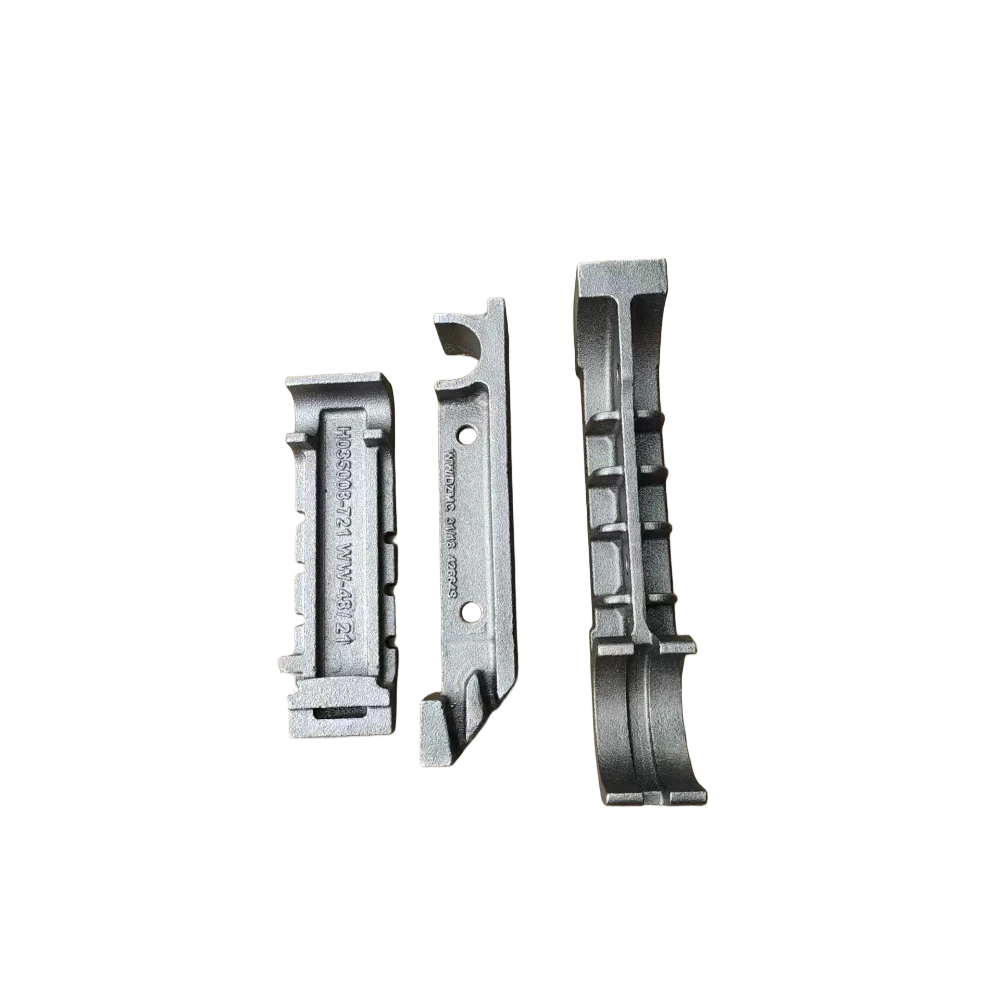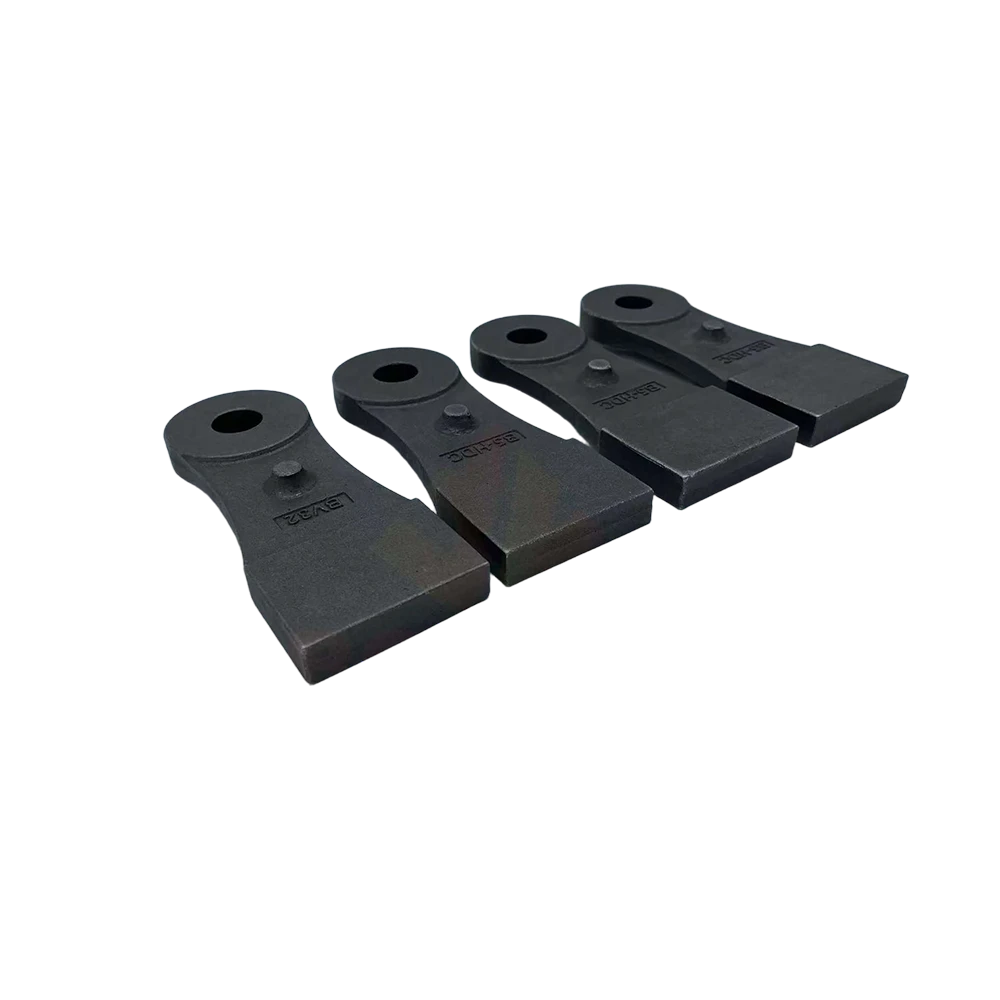
Durable Jaw Crusher Plates for Heavy-Duty Industrial Use
Why Quality Jaw Crusher Plates Matter in Industrial Crushing
Working in the industrial equipment sector, I've seen firsthand how jaw crusher plates are the silent heroes of many operations. Though humble-looking, these plates face punishing forces daily—breaking down rock, ore, and all kinds of abrasive materials. Honestly, you don't always realize just how critical their design and quality are until they fail at the worst possible moment.
Typically made of advanced cast steel alloys, jaw crusher plates need to combine toughness with wear resistance. They have to last long enough between replacements to make economic sense but also maintain crushing efficiency. It’s a balancing act that manufacturers have tweaked over decades, and it still feels like an art and science combined.
The Anatomy of a Jaw Crusher Plate
The plates are mounted inside the jaw crusher — a large machine used mostly in mining or quarrying. One plate remains fixed whilst the other moves back and forth, crushing material in between. The crushing surface itself is often corrugated or ribbed to maximize grip and reduce slipping.
I remember inspecting plates that looked identical but performed very differently based on minor metallurgy or heat treatment changes. Material composition and plate thickness can make a big difference, especially when dealing with highly abrasive feedstock.
| Specification | Typical Value |
|---|---|
| Material | High manganese steel alloy (Mn 12-14%) |
| Hardness (HRC) | 50 - 58 |
| Plate Thickness | 20 - 40 mm (varies by crusher size) |
| Typical Life Span | 1,000 - 3,000 operation hours |
| Coating | Heat treated, optionally chrome plated |
Choosing the Right Jaw Crusher Plates for Your Operation
Here’s where things get interesting. Not all jaw crusher plates are created equal, and I’ve seen situations where sites insisted on the cheapest plate options, only to regret it after weeks of premature wear. On the flip side, some vendors offer premium, custom-engineered plates that last ages but can cost a pretty penny upfront.
Many engineers I know swear by plates sourced from suppliers who maintain strict control over metallurgy and use thorough testing methods — wear simulation in labs or real mining conditions. Because, frankly, no one wants unexpected downtime. Plus, a well-fitted plate means optimized crushing efficiency.
Speaking of suppliers, here’s a quick comparison of some well-known manufacturers and service providers in the industry:
| Vendor | Material Quality | Lead Time | Customization Options | Price Range |
|---|---|---|---|---|
| DZMCCasting | High manganese steel, heat treated | 3-4 weeks | Full customization available | Mid-range |
| Vendor B | Standard manganese steel | 2-3 weeks | Limited | Budget |
| Vendor C | Premium alloy steels | 4-6 weeks | Extensive customization | High-end |
I've personally worked with DZMCCasting products a few times now. They offer a neat balance: solid quality, decent turnaround, and they don’t nickel-and-dime you for every small tweak. Plus, their plates — especially for heavy-duty crushers — have proven reliably durable in some rocky customer sites I visited.
Final thoughts on jaw crusher plates in real-world settings
In the end, selecting the right jaw crusher plates isn’t just an exercise in ordering parts. It’s about understanding your material, operational rhythms, and the cost of downtime. For instance, a customer I know in aggregate mining switched to a customized plate design that extended service life by nearly 40%. That meant fewer interruptions, which — trust me — makes everyone happier on site.
So next time you face replacing your crusher liners, think beyond price tags. Something as simple as a well-engineered plate can keep your plant humming smoothly. And when you're ready to explore solid options, check out suppliers like DZMCCasting who bring years of expertise and quality materials to the table.
Alright, I’m off to check on a new batch of plates coming through the shop — more on that another time.
References and further reading:
- Mining Engineering Handbook (Smith & Associates)
- Metallurgy and Wear in Crushing Equipment, Industrial Journal
- Personal site visits and client feedback from 2012–2023
-
High Performance oem cast heat resistant steel for Industrial UseNewsApr.16,2026
-
Guide to Selecting High Quality Cast Heat Resistant Steel AlloysNewsApr.09,2026
-
Custom Cast Heat Resistant Steel Solutions for High Temperature ApplicationsNewsApr.07,2026
-
Comprehensive Guide to Wholesale Cast Heat Resistant Steel for Industrial ApplicationsNewsApr.04,2026
-
Comprehensive Guide to High Performance Heat Resistant Metal Product SolutionsNewsMar.31,2026
-
Expert Guidance on Heat Resistant Metal Quotes and Alloy SelectionNewsMar.28,2026