Nov . 27, 2025 04:56
Back to list
Durable Manganese Crusher Liners for Efficient Mineral Processing | DZM Casting
Understanding Manganese Crusher Liners: Why It Matters Globally
If you’ve ever wondered what keeps crushing machines humming along in mining or construction sites, manganese crusher liners are a big part of the answer. These components may not be flashy, but they're essential for breaking down hard rocks and ores efficiently. Globally, as demand for minerals rises and industries push for sustainability, understanding how these liners work and why they are critical can help businesses optimize costs and reduce downtime. Plus, with emerging innovations, their role in environmental and economic terms keeps growing.Global Industry Context: The Rise of Manganese Crusher Liners
Manganese crusher liners are more than just wear parts—they're tools that drive productivity in mineral processing worldwide. According to the United Nations Industrial Development Organization (UNIDO), the global mining sector has been booming steadily, with demand for manganese and other minerals expected to grow by about 3.5% annually over the next decade. That's no small number when you consider how much raw material needs to be crushed daily. One challenge industries face is equipment wear, often leading to costly repairs and downtime. Crusher liners made from manganese steel tackle this problem head-on because they are specifically designed to resist extreme stress and abrasion. So, while they might seem like small parts, they solve a big headache: machines breaking down at the worst times, which often happens in remote or under-resourced areas.What Are Manganese Crusher Liners, Anyway?
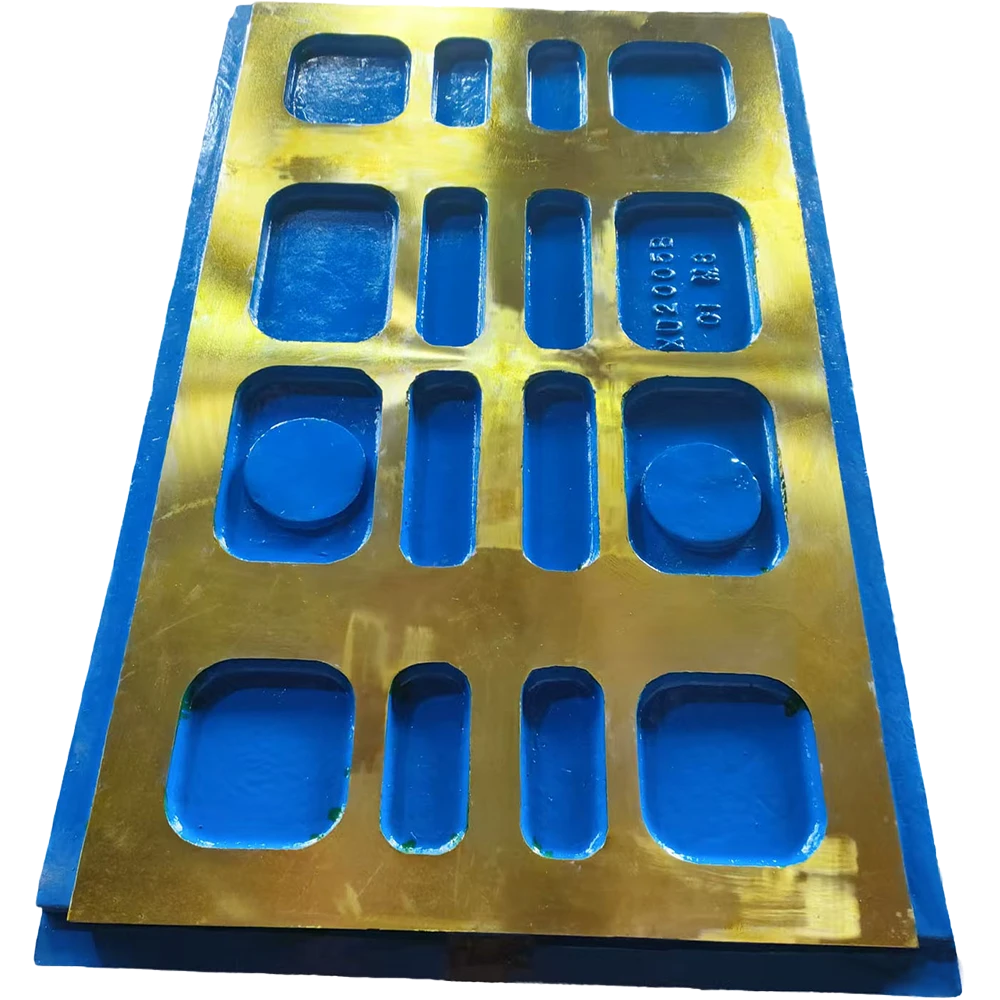
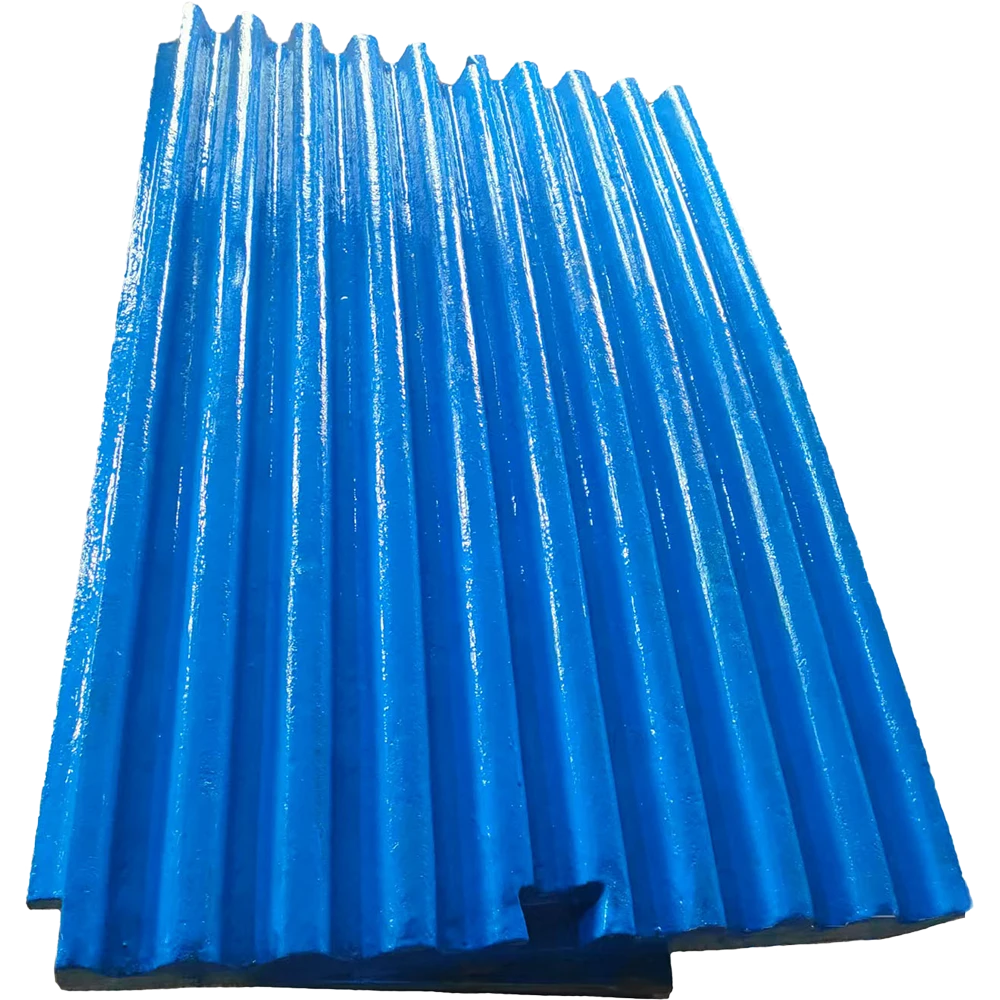
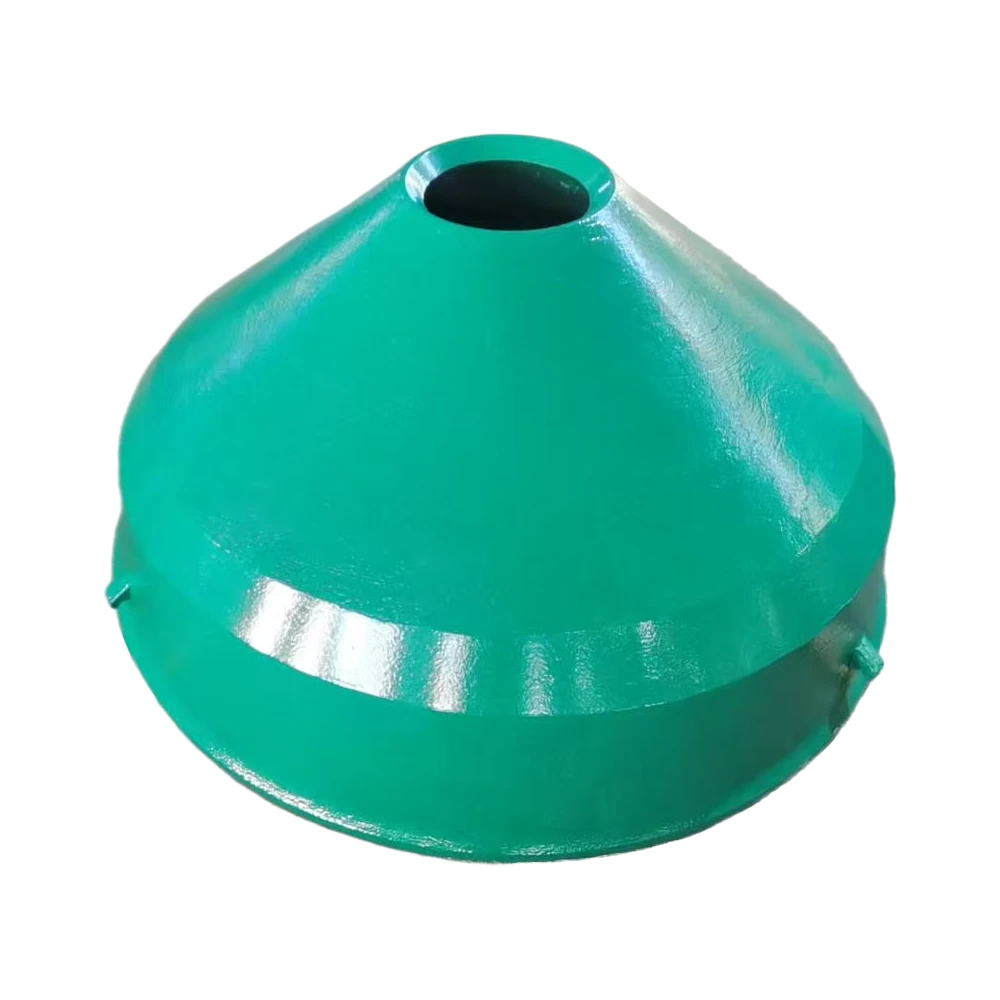
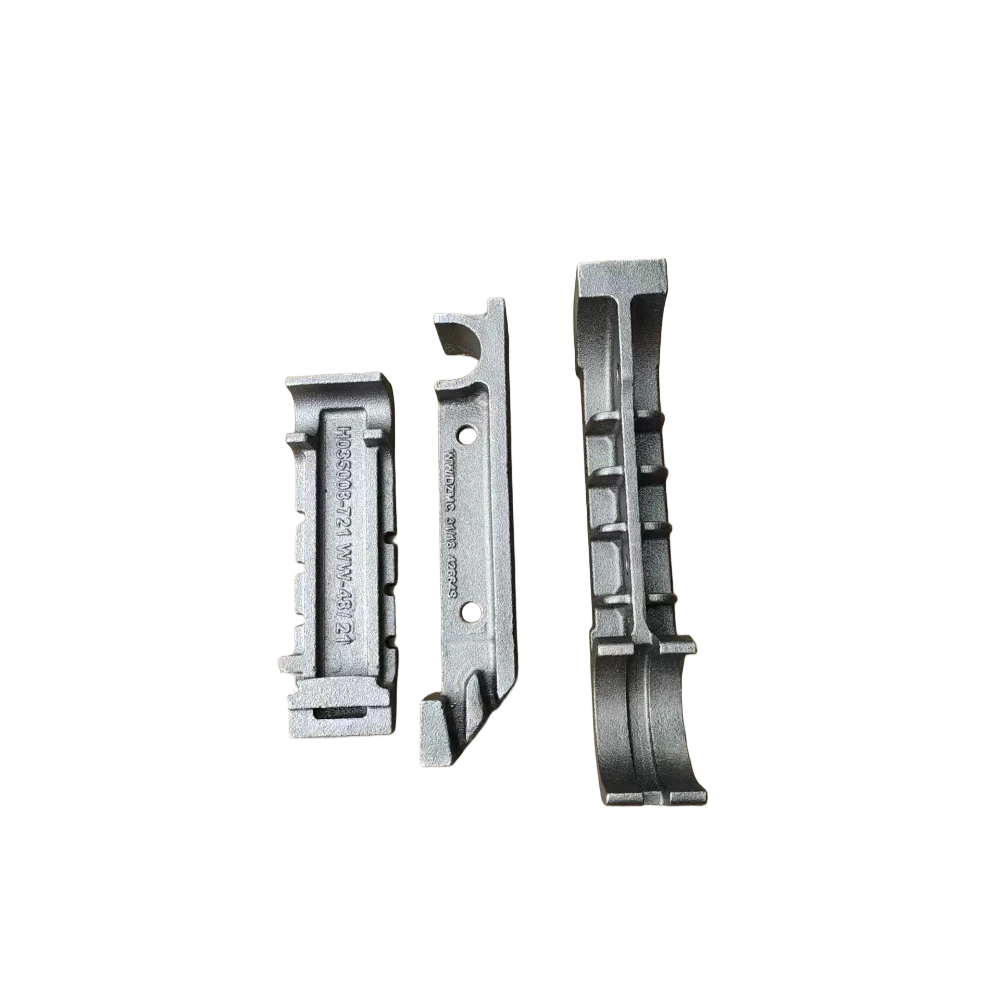
Put simply, manganese crusher liners are the heavy-duty protective plates inside crushers that bear the brunt of crushing rocks and ores into smaller pieces. Made mostly from manganese steel—a metal prized for its hardness and impact resistance—these liners absorb and withstand the harsh environment inside crushers. Think of the liners as the “teeth” of the crusher, biting into rock to shatter it. Beyond mining, their role extends to other heavy industries too, like recycling and construction. Often, they form the first line of defense in a machine that deals with breaking down materials, which makes their quality and durability paramount.Core Components and Features of Manganese Crusher Liners
Durability and Wear Resistance
Thanks to manganese steel’s unique properties—work hardening and resistance to abrasion—the liners get tougher as they take impact. Many engineers point out that this makes manganese liners ideal for high-impact, high-wear environments where ordinary steel would quickly give up.Design and Fitment
Every crusher model requires liners molded to precise specifications. Poor fitting liners can cause uneven wear and machine damage. Manufacturers often use CAD (computer-aided design) to ensure perfect fitting replacements. That aspect matters because a well-fitted liner improves both life span and crushing efficiency.Cost Efficiency
Initially, manganese liners might appear costly, but in the long run, they reduce maintenance frequency, downtime, and associated costs. The investment pays off by keeping equipment online longer, avoiding emergency repairs that disrupt operation schedules.Adaptability and Scalability
These liners aren’t one-size-fits-all. They’re customizable for single machines or entire fleets, depending on operational needs. This flexibility supports the scalability of crushing plants – from small-scale artisanal mining to massive industrial sites.Environmental Impact
Ironically, wearing down rock is itself “dirty work,” but modern manganese liners contribute indirectly to sustainability by preventing early machine failures, which would otherwise increase waste through replacement parts and excess energy use.Mini Takeaway:
Manganese crusher liners blend science and practical engineering to keep crushing efficient, reliable, and increasingly green in a demanding world.Global Applications That Depend on These Liners
Manganese crusher liners find their way into a surprising variety of industries and geographies: - Mining operations in places like Australia, South Africa, and Brazil, where crushing hard ores is standard. - Construction sites worldwide, recycling concrete and stone rubble. - Post-disaster rebuilding efforts, where rapid debris processing is crucial. - Industrial recycling centers, which crush scrap metal to reuse. Oddly, I once noticed liners being ordered by a remote Arctic mining operation, where the extreme cold adds another layer of challenge to material durability. This shows how indispensable manganese steel liners are—even in the harshest climates, they keep crushing on.Advantages and Long-Term Value
By investing in manganese crusher liners, businesses unlock several benefits: - Cost savings over machine lifespan, with fewer liner replacements and less downtime. - Increased safety because machines with good liners run smoother, avoiding unexpected failures. - Operational reliability that builds trust with clients and partners, especially in tight project timelines. - Environmental benefits by minimizing resource waste and energy consumption. - Emotional reassurance for operators who know their equipment is protected and efficient, keeping their work less stressful.What’s Next? Trends and Innovations Shaping Manganese Crusher Liners
The future is exciting. A few trends to watch: - Advanced metallurgy: New steel alloys mixed with nanomaterials aim to extend liner life by 30% or more. - 3D printing: Some vendors experiment with printed liners offering complex geometries impossible to make traditionally. - Digital monitoring: Sensors embedded in liners can now monitor wear in real time, alerting engineers before failure. - Eco-friendly manufacturing: Cleaner production methods reduce carbon footprints of liner fabrication. - Automation and robotics: Automated replacement systems minimize human exposure to hazardous environments. All of these point to smarter, safer, and more sustainable crusher liner development.Challenges and Practical Solutions
Of course, it's not all sunshine and rainbows. Common hurdles include: - High upfront cost for premium liners. - Difficulty in predicting exact wear timelines due to varying materials. - Logistics challenges in delivering liners on time to remote mines. Manufacturers and engineers tackle these by: - Offering tailored maintenance schedules based on equipment data. - Strategically stocking liners in regional hubs. - Innovating with modular liner designs for easier replacements.Product Specification Table
| Specification | Details |
|---|---|
| Material | High manganese steel (12-14% Mn) |
| Hardness | 400-550 HB (Brinell scale) |
| Thickness Range | 15mm to 60mm |
| Weight per panel | 10kg to 150kg |
| Typical Lifespan | 3-12 months depending on application |
| Customization | Custom fit for crusher models and applications |
Vendor Comparison: Finding the Right Supplier
| Vendor | Material Quality | Customization Options | Delivery Speed | Price Competitiveness |
|---|---|---|---|---|
| DZM Casting | Excellent (ISO 9001 certified) | Full custom CAD design | 7-10 days internationally | Mid-range, high value |
| SteelWorks Ltd. | Good | Limited options | 10-15 days | Budget-friendly |
| CrusherLine Inc. | Very good | Standard sizes only | 5-7 days (local only) | Premium pricing |
Frequently Asked Questions About Manganese Crusher Liners
- What makes manganese crusher liners better than other liners?
Manganese crusher liners excel due to their ability to harden under impact and resist abrasion. This unique work-hardening feature means they last longer and protect crushers better than ordinary steel or cast iron liners. - How often should I replace manganese crusher liners?
Lifespan varies with usage, usually between 3 to 12 months. Factors like material hardness, crusher type, and feed size affect frequency. Regular inspections and monitoring can help optimize replacement schedules. - Are these liners compatible with all crusher brands?
While many manganese liners fit common crusher models, it’s crucial to use custom-lined options for specific machines to ensure proper fit and performance. Suppliers like manganese crusher liners specialists offer tailored solutions. - Can using manganese liners improve environmental sustainability?
Yes. Longer-lasting liners reduce waste and the energy required for frequent replacements. Plus, they improve crushing efficiency, minimizing unnecessary resource consumption. - Is it difficult to order these liners internationally?
Most reputable vendors handle international logistics smoothly. However, lead times, customs, and shipping costs should be considered. It’s best to plan ahead and choose suppliers experienced in global distribution.
Wrapping It Up: Why Manganese Crusher Liners Are Key to Your Operations
All in all, manganese crusher liners are the unsung heroes of mineral processing and heavy industry. They blend durability, cost effectiveness, and adaptability in ways that keep global production reliable. As technology advances and sustainability becomes non-negotiable, investing in quality liners is not just smart—it’s essential. If you’ve found this useful, do visit manganese crusher liners to explore high-quality solutions tailored to diverse industries—and keep your equipment crushing strong.References
Latest news
-
High Performance oem cast heat resistant steel for Industrial UseNewsApr.16,2026
-
Guide to Selecting High Quality Cast Heat Resistant Steel AlloysNewsApr.09,2026
-
Custom Cast Heat Resistant Steel Solutions for High Temperature ApplicationsNewsApr.07,2026
-
Comprehensive Guide to Wholesale Cast Heat Resistant Steel for Industrial ApplicationsNewsApr.04,2026
-
Comprehensive Guide to High Performance Heat Resistant Metal Product SolutionsNewsMar.31,2026
-
Expert Guidance on Heat Resistant Metal Quotes and Alloy SelectionNewsMar.28,2026