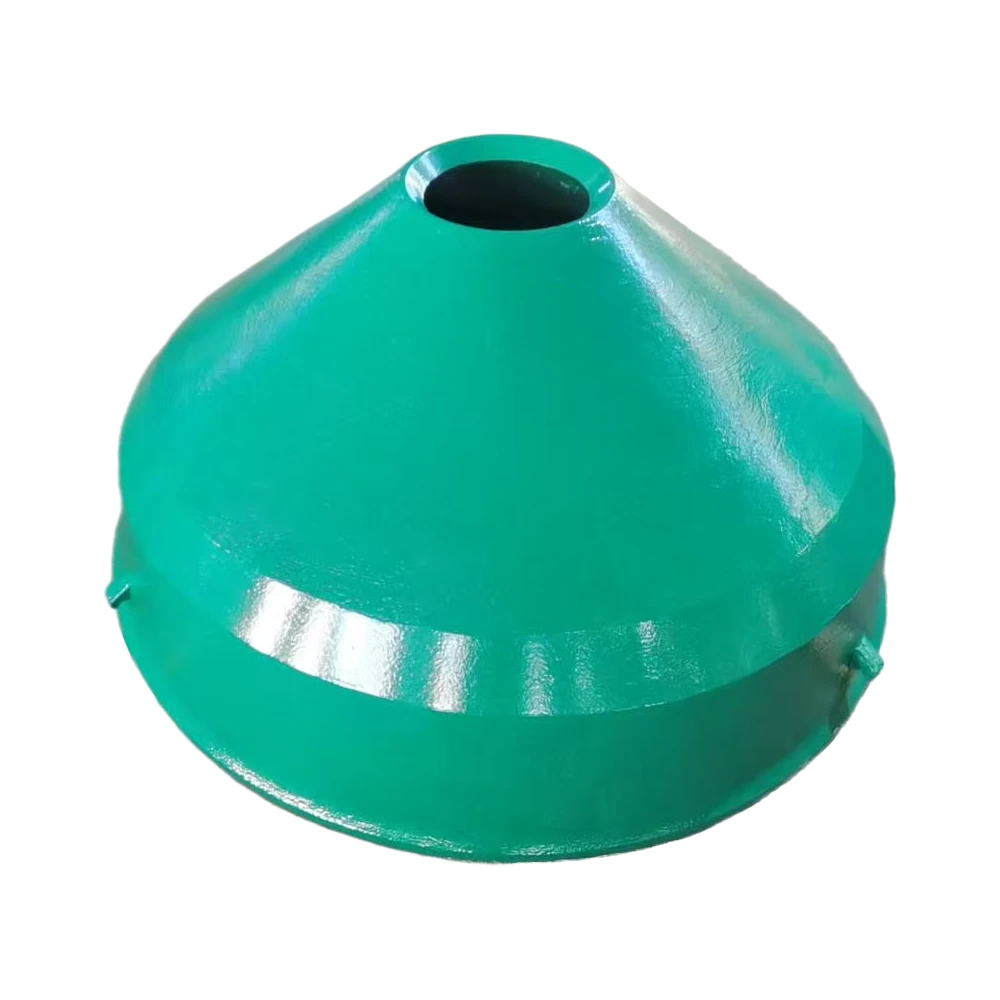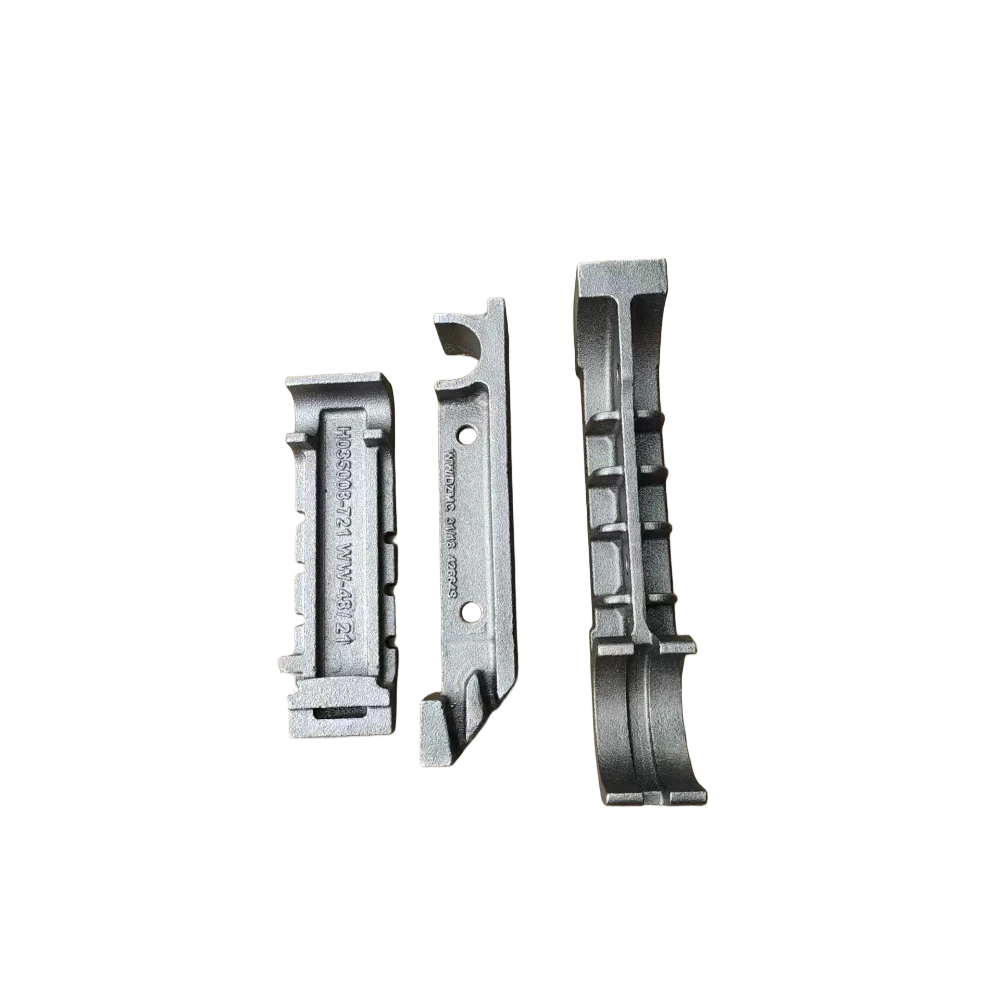
Durable Rock Crusher Parts for Reliable Industrial Performance
Rock Crusher Parts: What Makes Them Tick in the Industry?
Having spent a fair chunk of my career around rock crusher parts, I’ve come to appreciate just how vital each component is. It’s not just about smashing rocks; it’s the precision and durability of these parts that keep heavy machinery humming on site day after day.
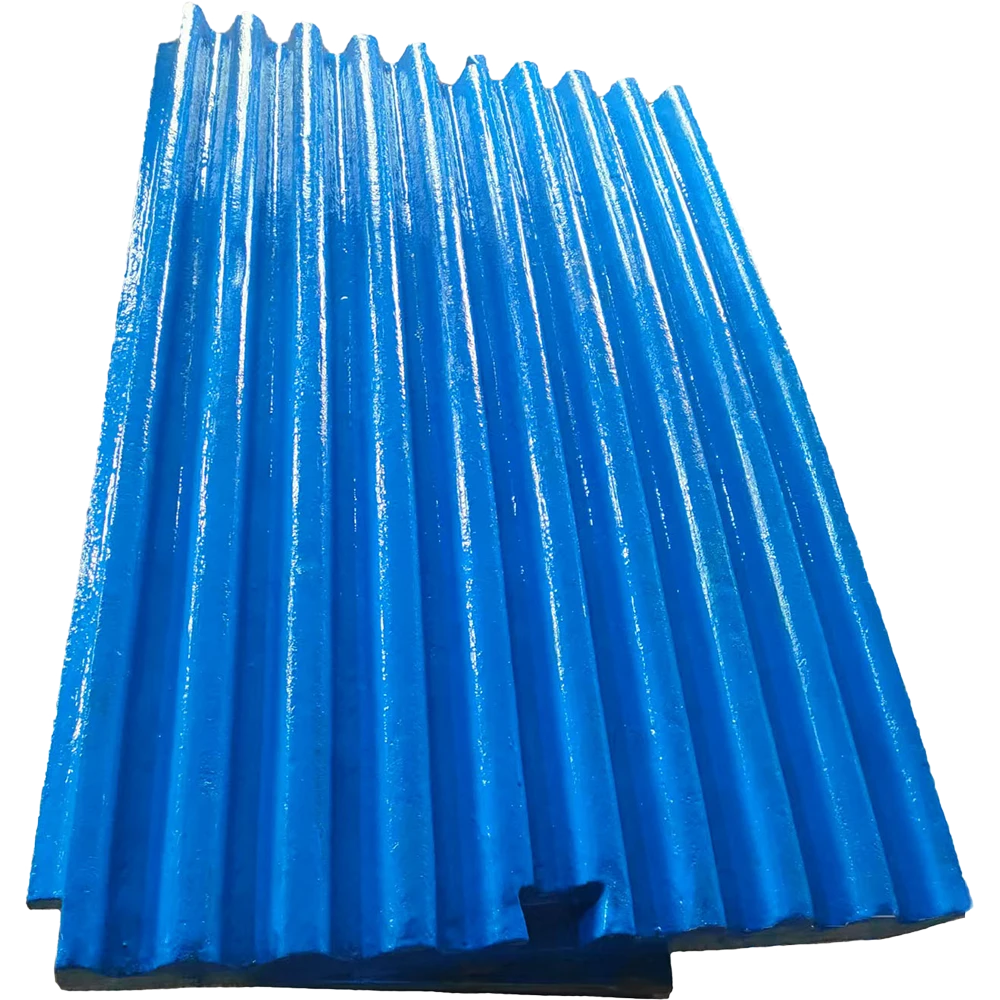
Now, if you’re wondering why there seems to be a million different kinds of parts for rock crushers, frankly, you’re not alone. From jaw plates to manganese liners, each piece plays a role that’s a little different depending on what crushing method is used and what material is being broken down.
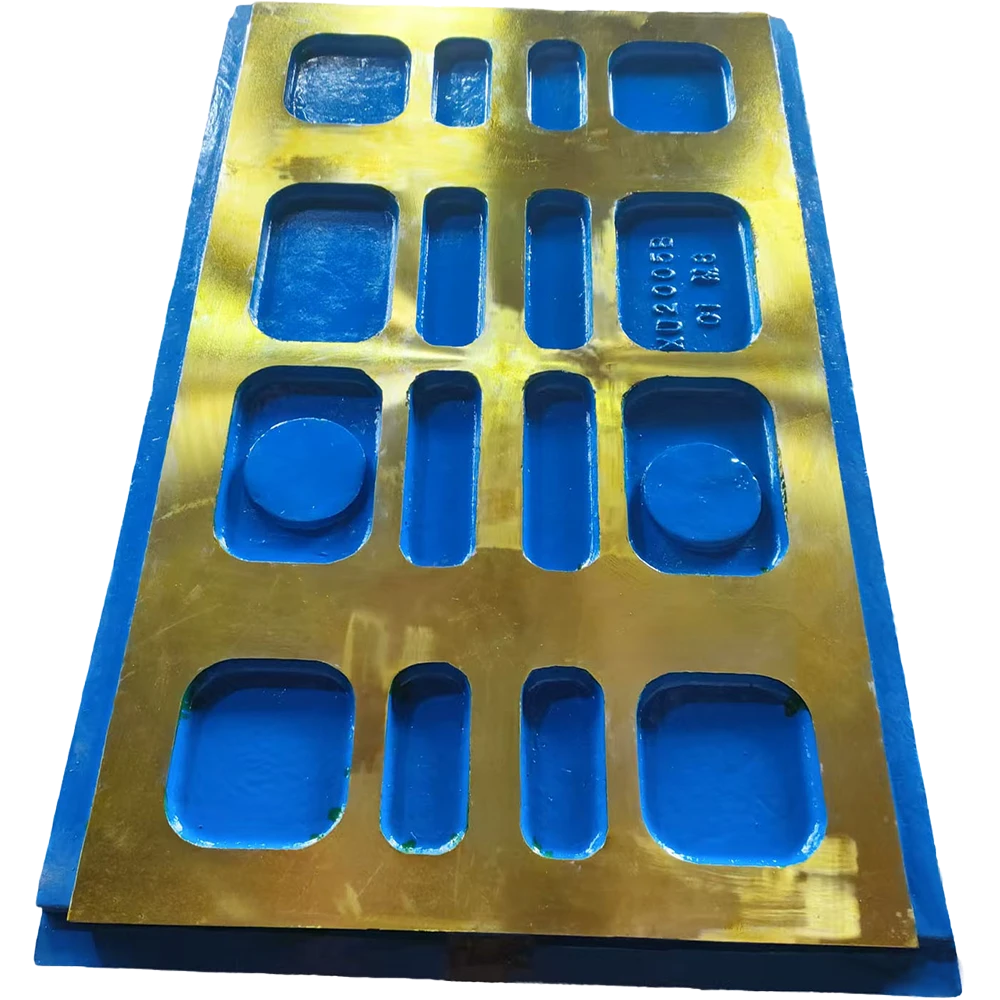
In real terms, the wear and tear on these parts is intense. Imagine chunks of rock grinding against metal constantly—that’s no small feat for any material. This is why high-quality components, often made using specialized casting techniques, are essential. I’ve noticed many engineers swear by manganese steel for liners because of its ability to take a beating and work harder as it wears, which is pretty fascinating.
Before getting to specs, I recall a particular instance where a local quarry upgraded their crushers’ replacement parts and saw a remarkable drop in downtime. They opted for customized wear parts tailored to their specific rock hardness, which paid dividends in the long run — less maintenance and a smoother workflow.
Key Rock Crusher Parts Specifications
| Part Name | Material | Typical Usage | Service Life |
|---|---|---|---|
| Jaw Plate | High-manganese Steel | Primary Crushing | 6−12 months (variable) |
| Mantle | High-chrome Iron | Cone Crushers | 9−15 months |
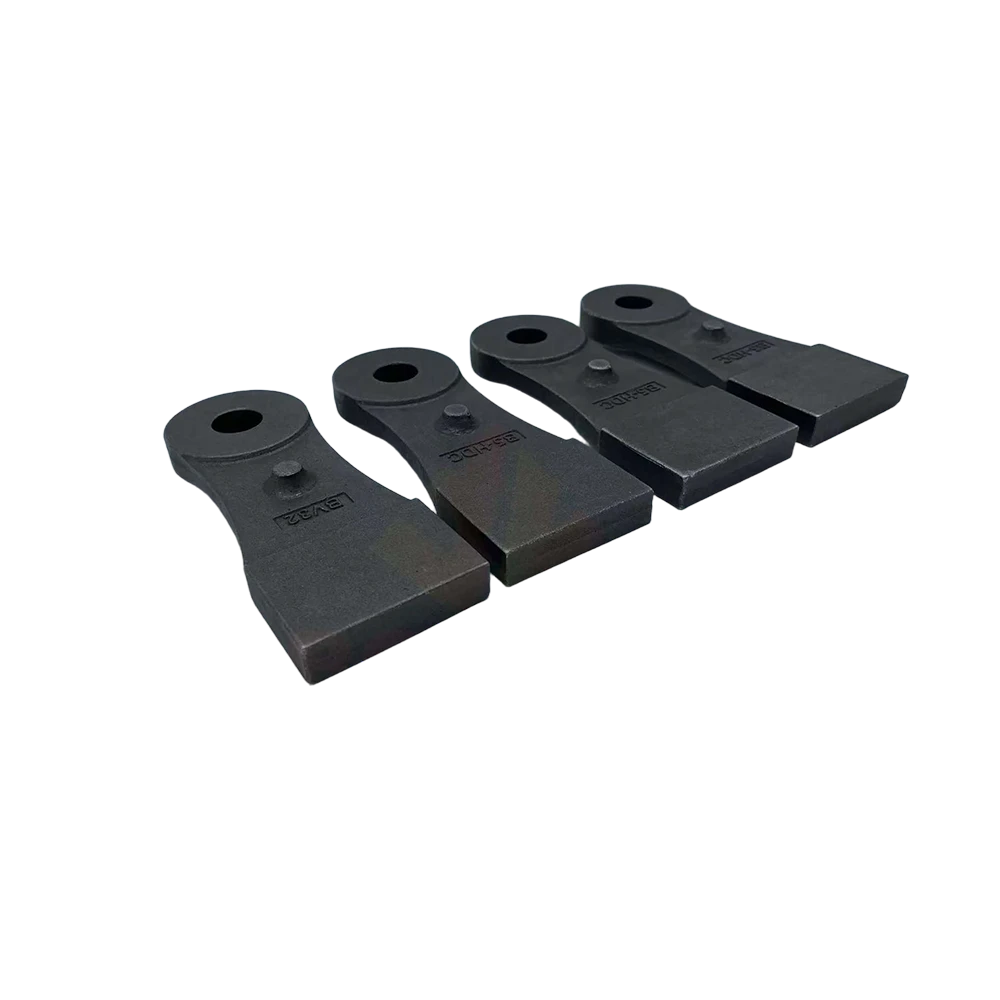
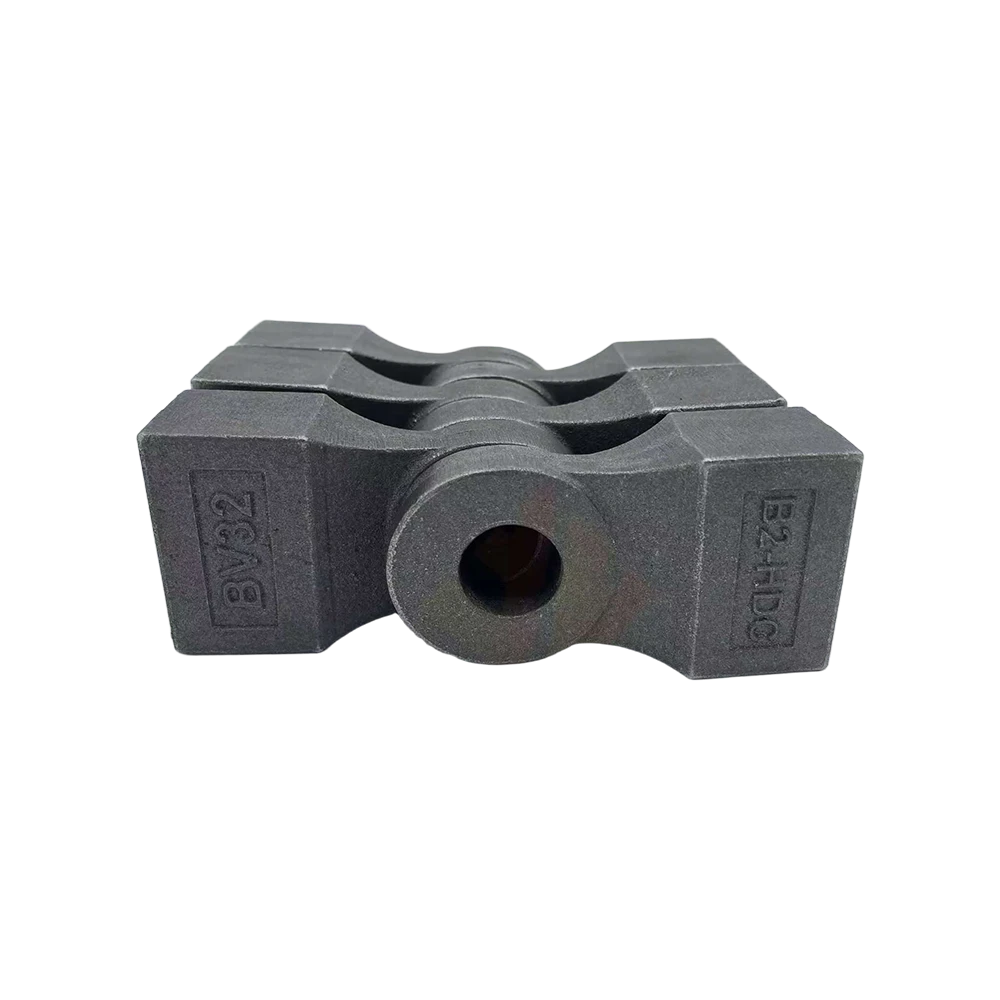
| Hammer | Alloy Steel | Impact Crushers | 4−8 months |
| Liner | Manganese Steel | Various Crushers | 5−10 months |
Choosing the right rock crusher parts is about more than specs — it’s also about who you buy from. Quality varies, and odd as it sounds, some suppliers can offer parts that don’t quite fit or have inconsistent grades of metal. Over the years, I’ve kept tabs on a few notable vendors. Here’s a quick comparison to help others navigate the market:
Vendor Comparison for Rock Crusher Parts
| Vendor | Material Quality | Customization Options | Lead Time | Price Range |
|---|---|---|---|---|
| DZMC Casting | High-grade alloy castings, strict QC | Fully customizable per specs | 4-6 weeks | Mid to High |
| MegaParts Inc. | Standard steel, occasional variability | Limited sizes, no custom alloys | 2-3 weeks | Low to Mid |
| CrusherCo | Premium alloys, good consistency | Custom parts available but costly | 6-8 weeks | High |
Oddly enough, even though there’s a lot of tech behind these parts, the real-world test is always how they perform on the ground. Durability, correct fit, ease of installation — those matter more than just numbers on a spec sheet. So, whether you're in quarrying, mining, or recycling, choosing robust rock crusher parts tailored for your machinery and material makes a massive difference.
In my experience, investing a little more in trusted vendors paying rigorous attention to casting quality ultimately saves you from a cascade of headaches — you know, unexpected downtime, fitment issues, or premature wear. That small upfront cost feels well worth it once your equipment runs longer and stronger.
So, next time you’re sourcing parts, consider the whole picture: product specs, vendor reputation, and the crushing environment. After all, rock doesn’t have to be the hardest thing you deal with.
— From someone who’s been in the trenches of heavy equipment maintenance a few times over
References
- Industry insights and materials sourced directly from long-term equipment maintenance experience.
- Vendor websites and product brochures (accessed 2024).
- "Wear-resistant alloys in crusher components," Metallurgical Journal, 2023.
-
High Performance oem cast heat resistant steel for Industrial UseNewsApr.16,2026
-
Guide to Selecting High Quality Cast Heat Resistant Steel AlloysNewsApr.09,2026
-
Custom Cast Heat Resistant Steel Solutions for High Temperature ApplicationsNewsApr.07,2026
-
Comprehensive Guide to Wholesale Cast Heat Resistant Steel for Industrial ApplicationsNewsApr.04,2026
-
Comprehensive Guide to High Performance Heat Resistant Metal Product SolutionsNewsMar.31,2026
-
Expert Guidance on Heat Resistant Metal Quotes and Alloy SelectionNewsMar.28,2026