Durable Stone Crusher Hammer for Efficient Crushing | DZM Casting
Stone Crusher Hammer: The Unsung Hero of Crushing Industry
At first glance, a stone crusher hammer might seem like just another rugged metal part, but its global significance is pretty striking once you dig a bit deeper. Roughly speaking, this modest yet crucial tool powers much of the quarrying, recycling, and construction sectors worldwide. Understanding its role isn’t just for engineers or miners; it impacts infrastructure development, waste management, and even humanitarian projects that rely on freshly crushed materials.
The stone crusher hammer isn’t merely about smashing rocks — it’s central to transforming raw stone into usable resources while balancing cost, efficiency, and environmental considerations. With global urbanization and industrial projects ramping up (the World Bank estimates global construction materials demand rising 50% by 2050), understanding these tools becomes all the more essential.
The Global Context: Why Stone Crusher Hammers Matter Today
Globally, demand for construction and recycling materials surges. According to the International Organization for Standardization (ISO), mining and crushing equipment markets grew by nearly 6% annually in the last decade. The beating heart of these machines? The stone crusher hammer.
Challenges often follow the supply chain for these components — sourcing durable yet cost-effective materials, adapting to harsh working conditions, and meeting environmental regulations. For places on the faster track to urbanization, these hammers ensure that crushing plants operate reliably, supporting everything from highways to housing.
Without efficient stone crusher hammers, crushing efficiency drops, costs leap, and construction timelines suffer — not a minor problem when countries chase ambitious infrastructure plans.
What Exactly Is a Stone Crusher Hammer?
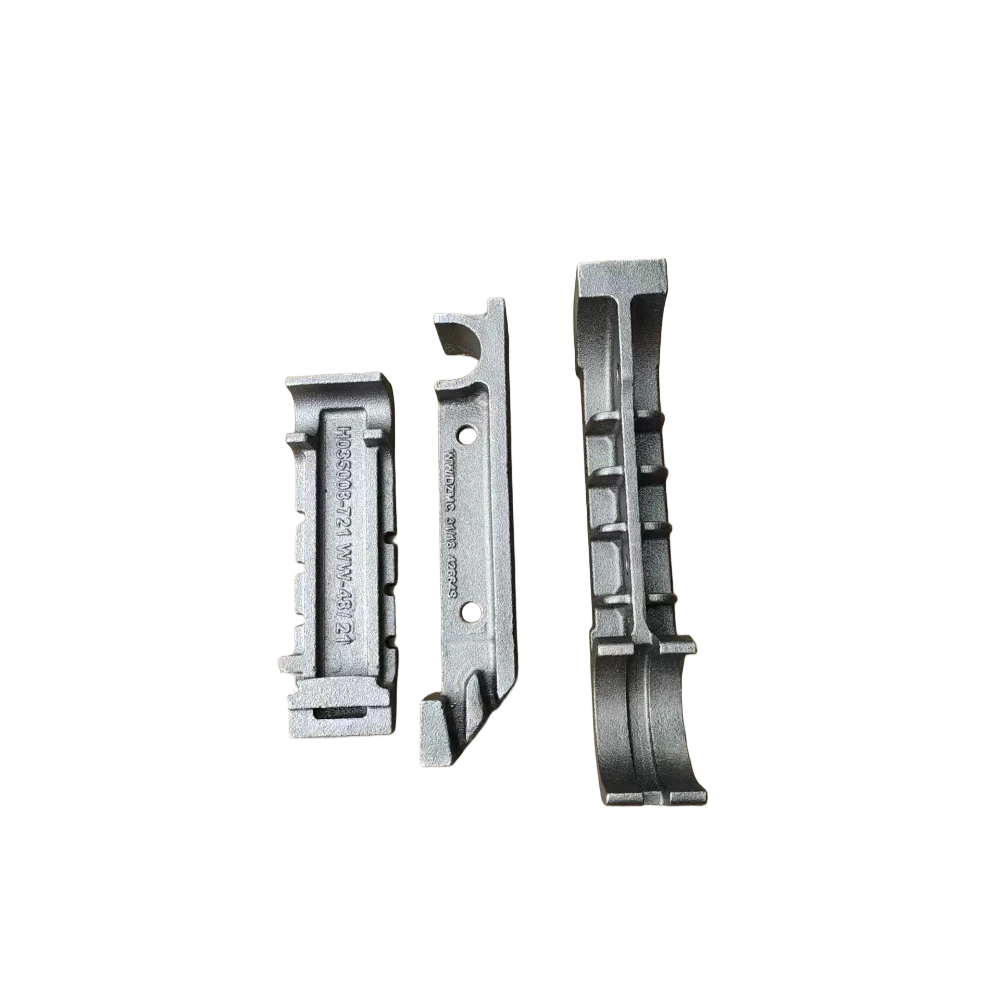
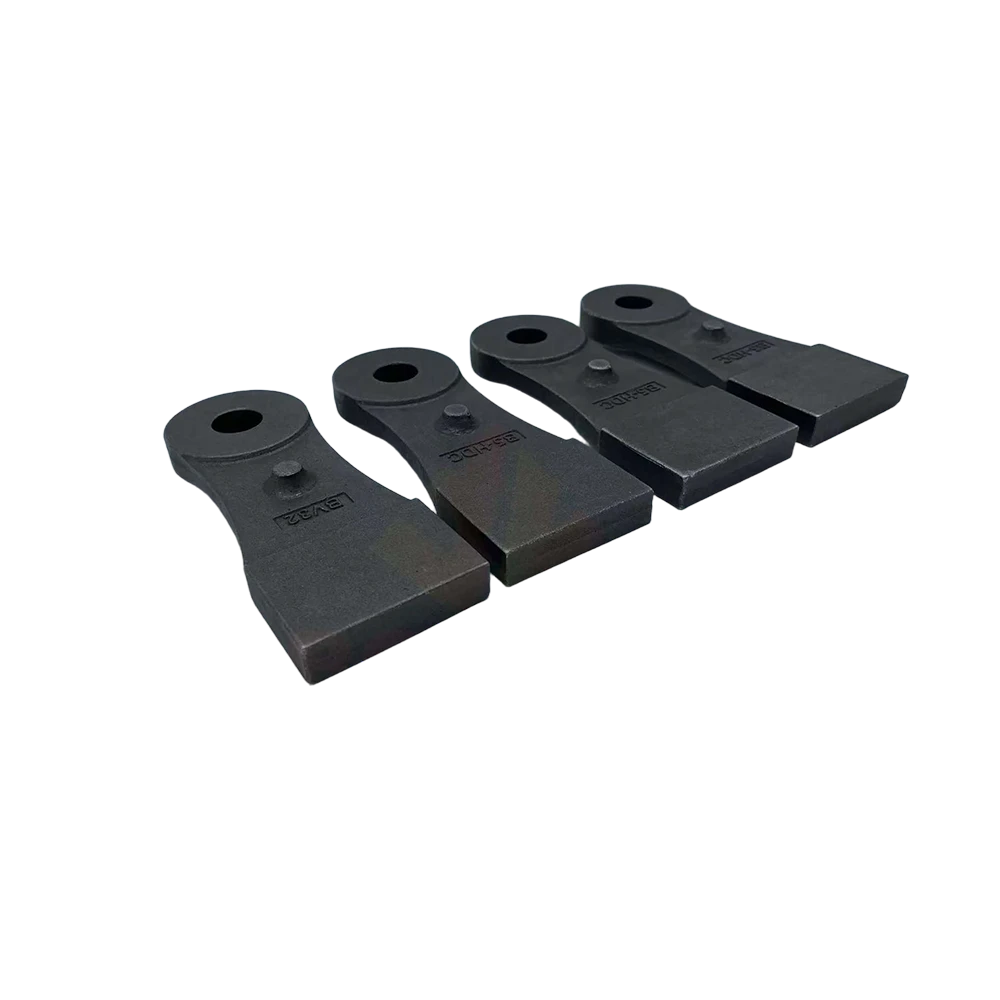
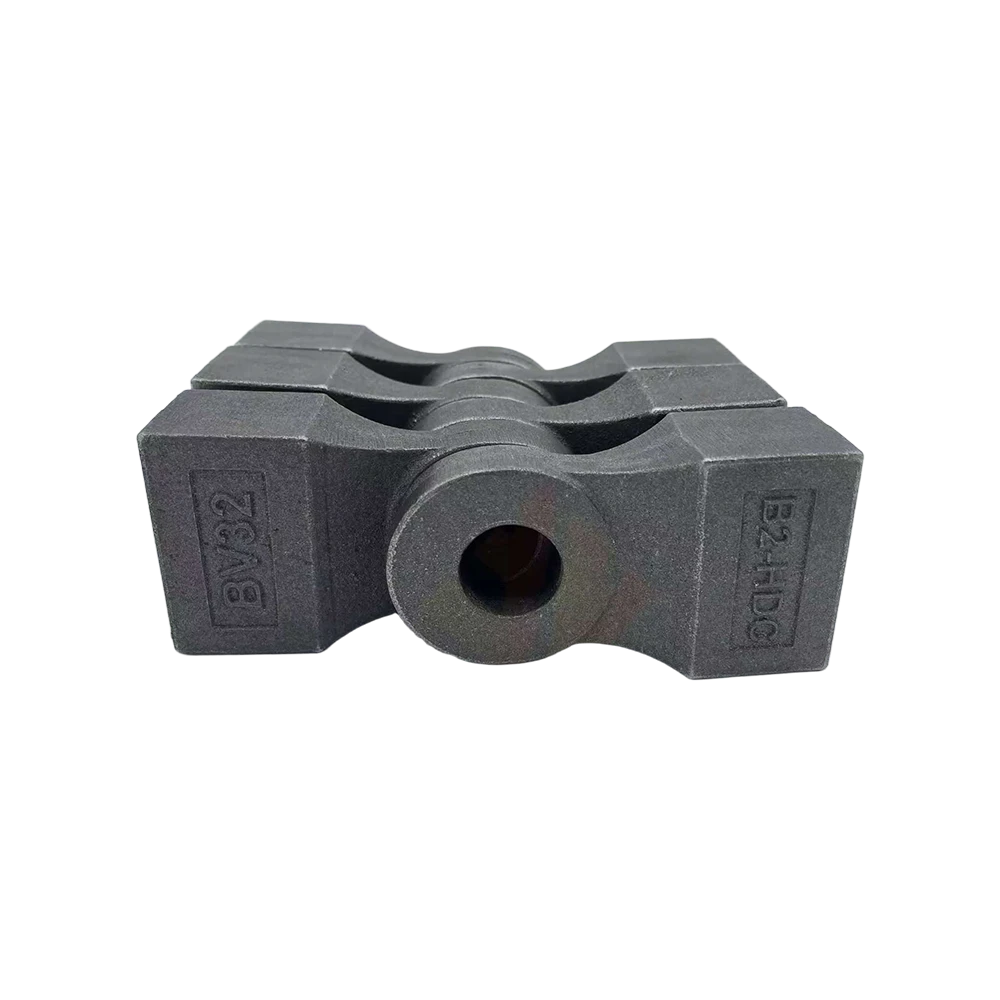
Put simply, a stone crusher hammer is a heavy-duty metal component fixed on the rotor shaft inside jaw or hammer crushers. Its job? To crush stones by impact—think of it as the mechanical fist that pulverizes rocks into smaller pieces.
They come in various designs — some reversible, some fixed — and rely heavily on the material quality to withstand repeated impacts. The link between stone crusher hammers and modern industry is direct: they turn raw materials into aggregates for roads, buildings, and even recycled concrete, essentially supporting the backbone of civilization.
Core Attributes Defining a High-Performing Stone Crusher Hammer
1. Durability
Durability is king here. Since stone crusher hammers face constant high-impact collisions, they must be made of wear-resistant materials—often manganese steel or alloyed cast iron. Durability extends overhaul intervals and cuts downtime.
2. Design & Weight
The design (shape and weight) affects crushing efficiency. Heavier hammers yield stronger impacts, but they can overload motors. A balanced design ensures steady throughput while protecting the crusher.
3. Ease of Maintenance
Because crushers often run in harsh environments, replacing worn hammers needs to be straightforward. Designs that allow quick bolt-on replacement save time and reduce equipment idle periods.
4. Cost Efficiency
Quality comes at a price, yes. But a stone crusher hammer that lasts longer and performs better reduces operational costs overall by minimizing repairs and boosting output.
5. Compatibility & Flexibility
A hammer should fit multiple crusher models or allow reversible use to extend life spans. This kind of flexibility benefits operators running mixed fleets or varied material sizes.
Mini Takeaway:
In real terms, the best stone crusher hammers strike a balance between robustness, smart design, and manageable costs. Ignore one, and the whole crushing setup suffers — it’s like the weak link in a chain.
Where Stone Crusher Hammers Make Their Mark Worldwide
From the dusty quarries of India to the recycling yards in Europe, stone crusher hammers have a wide range of applications.
- Mining and Quarrying: Breaking down large mineral rocks for easier processing.
- Construction Industry: Creating aggregates for concrete and asphalt paving worldwide.
- Recycling Operations: Crushing demolition waste into reusable material, a growing necessity for sustainable urban development.
- Disaster Relief & Humanitarian Projects: In post-earthquake rebuilding, stone crusher hammers enable rapid production of materials needed to reestablish infrastructures.
In Southeast Asia, for instance, where infrastructure is rapidly evolving, the demand for stone crusher hammers has increased sharply, largely driven by government investments in highways and urban projects.
Advantages and Long-Term Value Offered by Stone Crusher Hammers
When thinking about the value of a stone crusher hammer beyond the metal and bolts, you realize it’s about enabling efficiency and reliability that feeds major projects. Here’s why their advantages stand out:
- Cost Savings: By lasting longer and performing optimally, they reduce maintenance costs.
- Environmental Sustainability: Support recycling efforts by efficiently crushing tough materials, cutting landfill waste.
- Safety and Trust: Fewer breakdowns mean fewer accidents and more trusted operations.
- Innovation & Adaptability: Modern manufacturing techniques like heat treatment improve hammer resilience, enabling them to adapt to evolving industry needs.
Stone Crusher Hammer Specifications Compared
| Feature | Typical Value | Notes |
|---|---|---|
| Material | Manganese Steel / Alloy Cast Iron | Offers high impact resistance |
| Weight | 10 – 50 kg per hammer | Varies by crusher model |
| Wear Life | 1,500 – 4,000 operating hours | Depends on material and usage |
| Bolt Size | M20 – M30 | Facilitates quick replacement |
| Impact Energy | 3 – 10 kJ | Varies depending on velocity and weight |
Comparing Leading Stone Crusher Hammer Vendors
| Vendor | Material Quality | Price Range | Delivery Time | Customization Options |
|---|---|---|---|---|
| DZM Casting | High manganese steel, heat-treated | $$ | 2-4 weeks | Full design flexibility |
| Global Crusher Tech | Alloy cast iron with wear coating | $$$ | 3-5 weeks | Limited |
| MegaCrush Solutions | Standard manganese steel | $ | 1-3 weeks | Standard sizes only |
Future Trends Shaping the Stone Crusher Hammer Market
Looking ahead, there’s a clear push toward combining traditional materials with smart manufacturing—like 3D printing metal parts for quicker prototyping or applying nano-coatings for enhanced wear resistance. Automation in crushers is another buzzword, aiming to optimize hammer impact settings in real time based on material hardness.
Environmentally, sustainable manufacturing and recycling worn hammers are gathering momentum. People increasingly want tools that are not just tough but green — which makes sense given crushing plants’ evolving role in circular economy systems.
What Challenges Do Operators Face—and How to Solve Them?
Despite advances, several challenges remain. Rapid wear continues to be a top headache, especially in abrasive stone types. Poor maintenance or mismatched hammer weight can cause motor strain or uneven crushing, which hampers productivity.
That said, operator training, choosing the right hammer type for application, and maintaining replacement schedules proactively do wonders. Some suppliers offer tailored metallurgy solutions to extend life, while others innovate with reversible hammer designs that double usage life.
FAQ: Your Questions About Stone Crusher Hammers Answered
- Q: How often should stone crusher hammers be replaced?
- A: Typically, after 1,500 to 4,000 operating hours, depending on material abrasiveness and hammer quality. Frequent inspection is key to avoid sudden breakdowns.
- Q: Can stone crusher hammers be customized for specific crusher models?
- A: Yes. Many manufacturers, including DZM Casting, offer custom weights, designs, and materials to fit various crusher brands and applications.
- Q: What materials are best for stone crusher hammers?
- A: High manganese steel is preferred for its excellent impact resistance and wear life. Alloy cast irons or heat-treated steels are other good options depending on crushing conditions.
- Q: Do stone crusher hammers contribute to sustainable construction?
- A: Definitely. By enabling effective crushing of recycled materials, they reduce the need for virgin resources and landfill use, supporting greener project practices.
- Q: Is it possible to reverse stone crusher hammers to extend their lifespan?
- A: Many designs allow reversible use. This effectively doubles hammer life by hitting fresh surfaces once one side wears out, saving cost and downtime.
Conclusion: Why Invest in Quality Stone Crusher Hammers?
In the end, stone crusher hammers are more than just heavy metal parts—they’re pivotal to crushing success and ripple out to benefit construction efficiency, sustainability, and safety worldwide. Investing in well-designed, durable hammers ensures your operations keep humming with fewer disruptions and better output. Curious to learn more or explore custom options? Visit our website: stone crusher hammer and see how you can upgrade your crushing game today.
References:
-
High Performance oem cast heat resistant steel for Industrial UseNewsApr.16,2026
-
Guide to Selecting High Quality Cast Heat Resistant Steel AlloysNewsApr.09,2026
-
Custom Cast Heat Resistant Steel Solutions for High Temperature ApplicationsNewsApr.07,2026
-
Comprehensive Guide to Wholesale Cast Heat Resistant Steel for Industrial ApplicationsNewsApr.04,2026
-
Comprehensive Guide to High Performance Heat Resistant Metal Product SolutionsNewsMar.31,2026
-
Expert Guidance on Heat Resistant Metal Quotes and Alloy SelectionNewsMar.28,2026