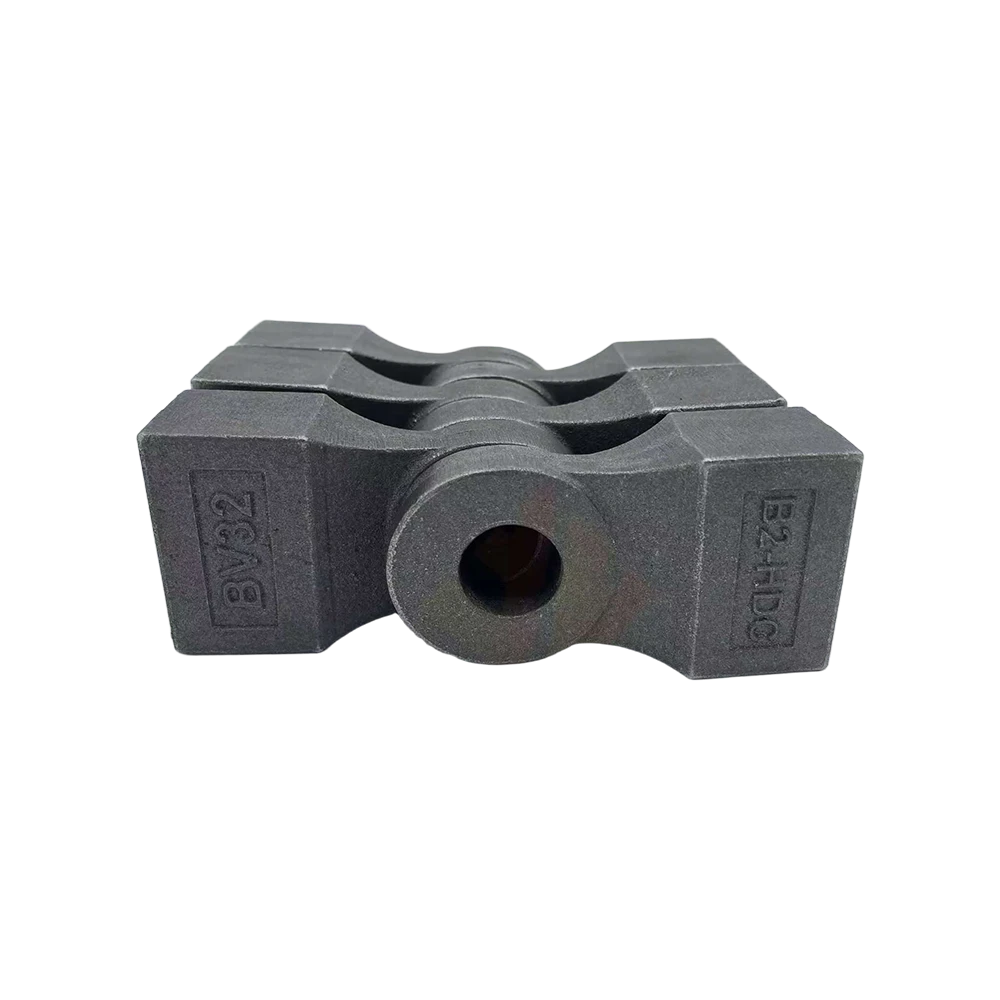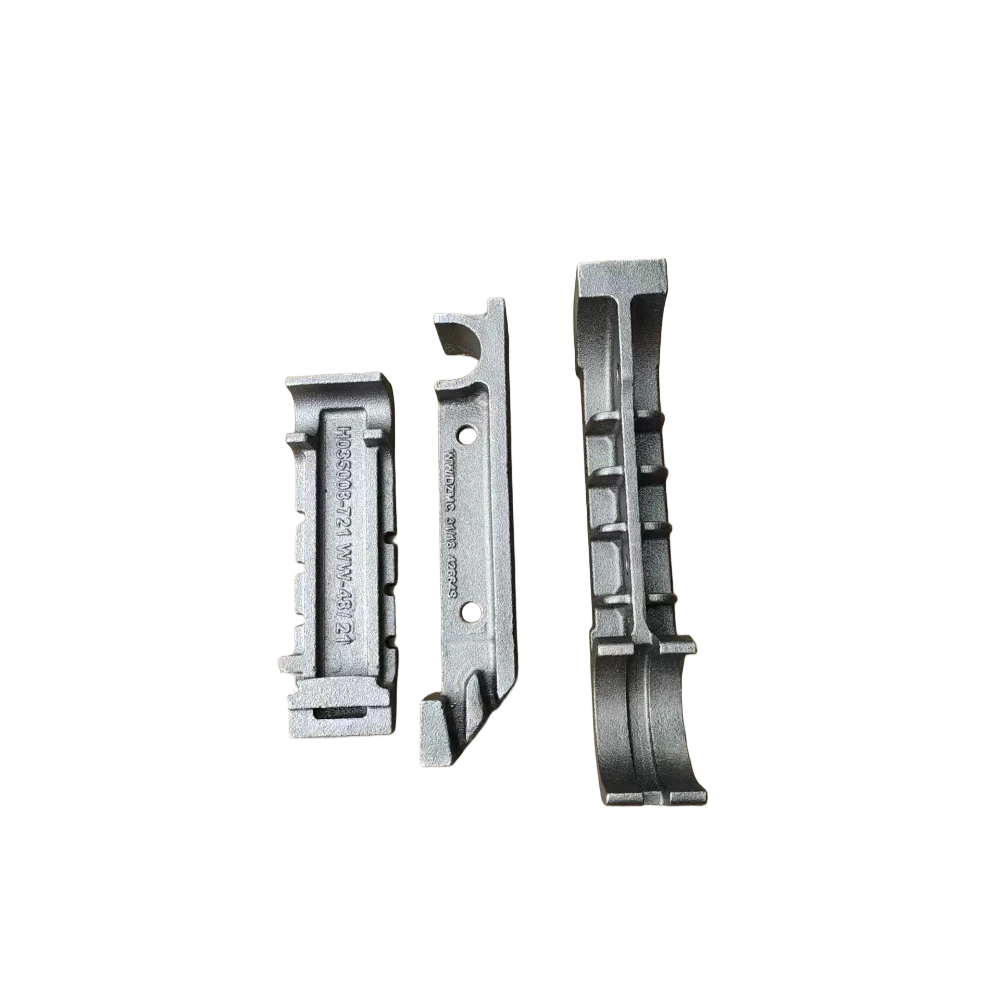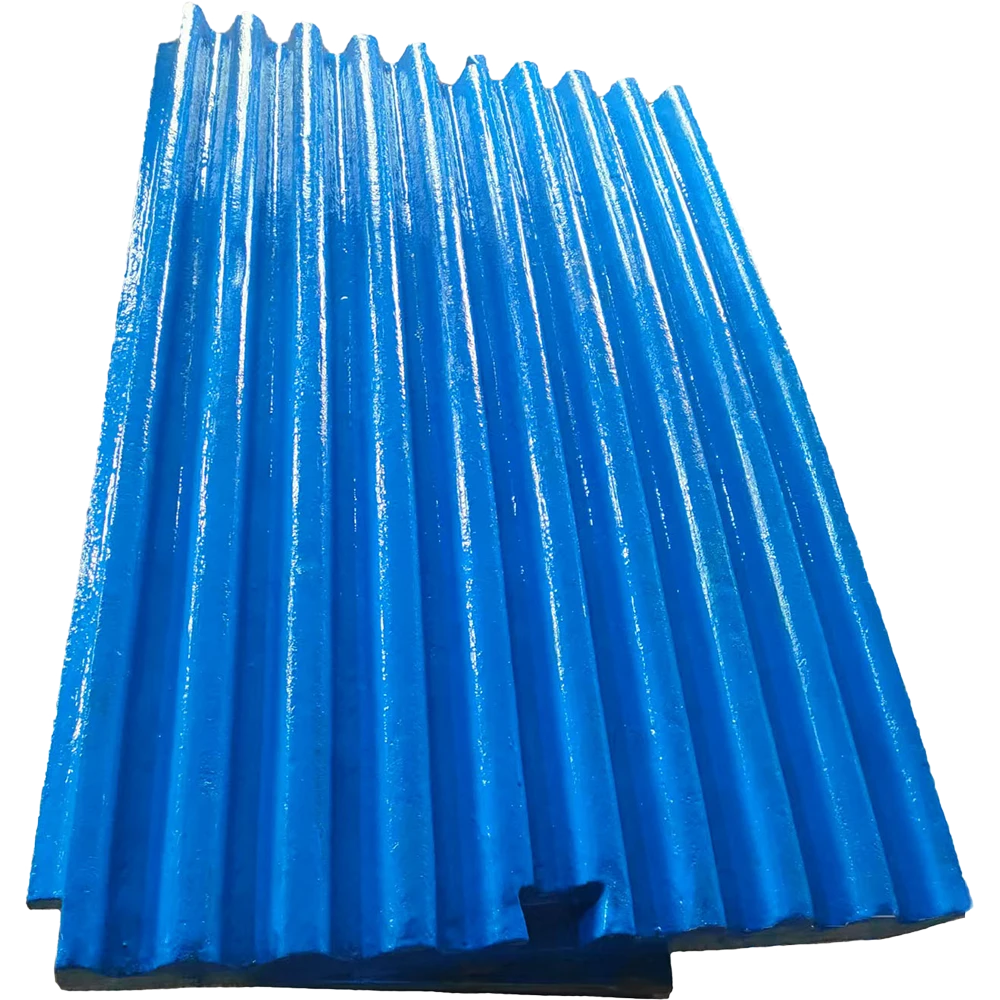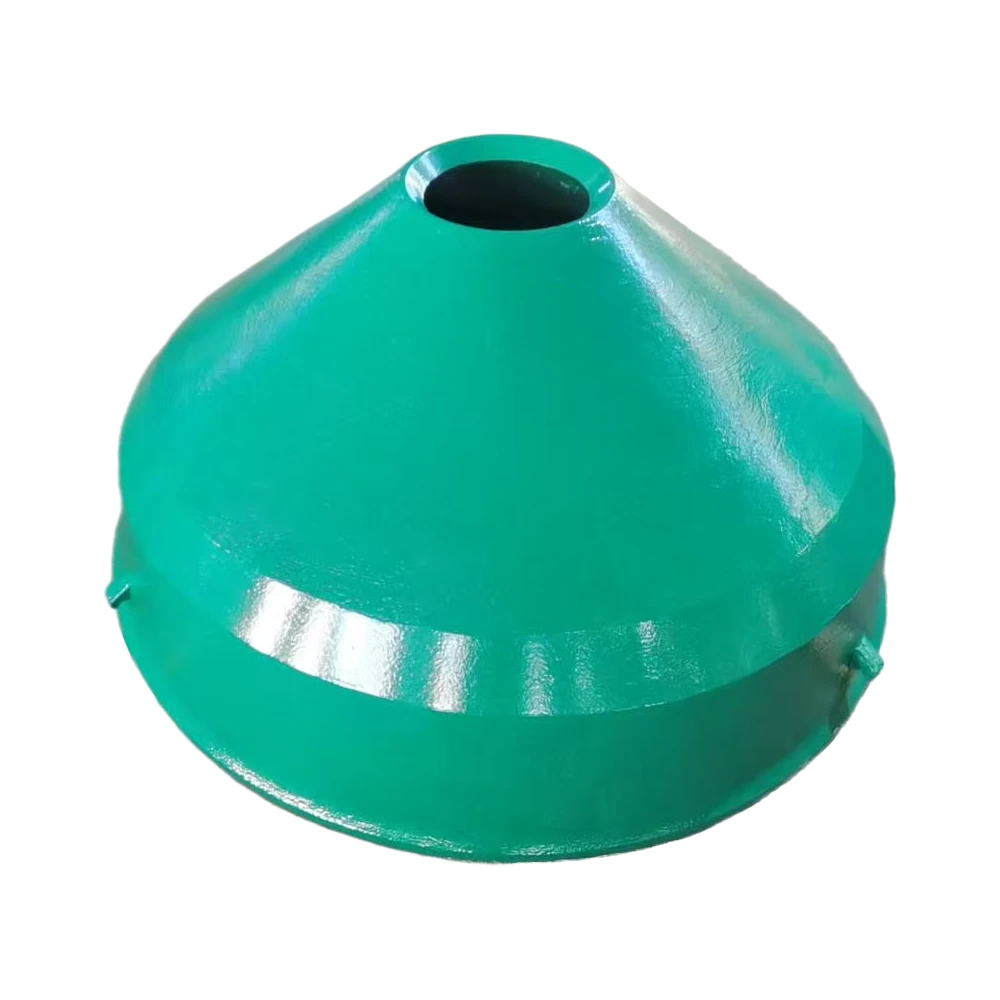
Hammer Crusher Wear Parts: Durable Solutions for Industrial Crushing
Understanding hammer crusher wear parts: Insights from Industry Experience
Having spent quite a few years in the industrial equipment sector, I can tell you one thing for sure: when it comes to hammer crushers, wear parts are the real MVPs. They don’t often get the spotlight like the crushers themselves, but without durable wear parts, you’re basically building your system on sand. I suppose many folks just assume all wear parts are created equal, but frankly, that’s not the case.
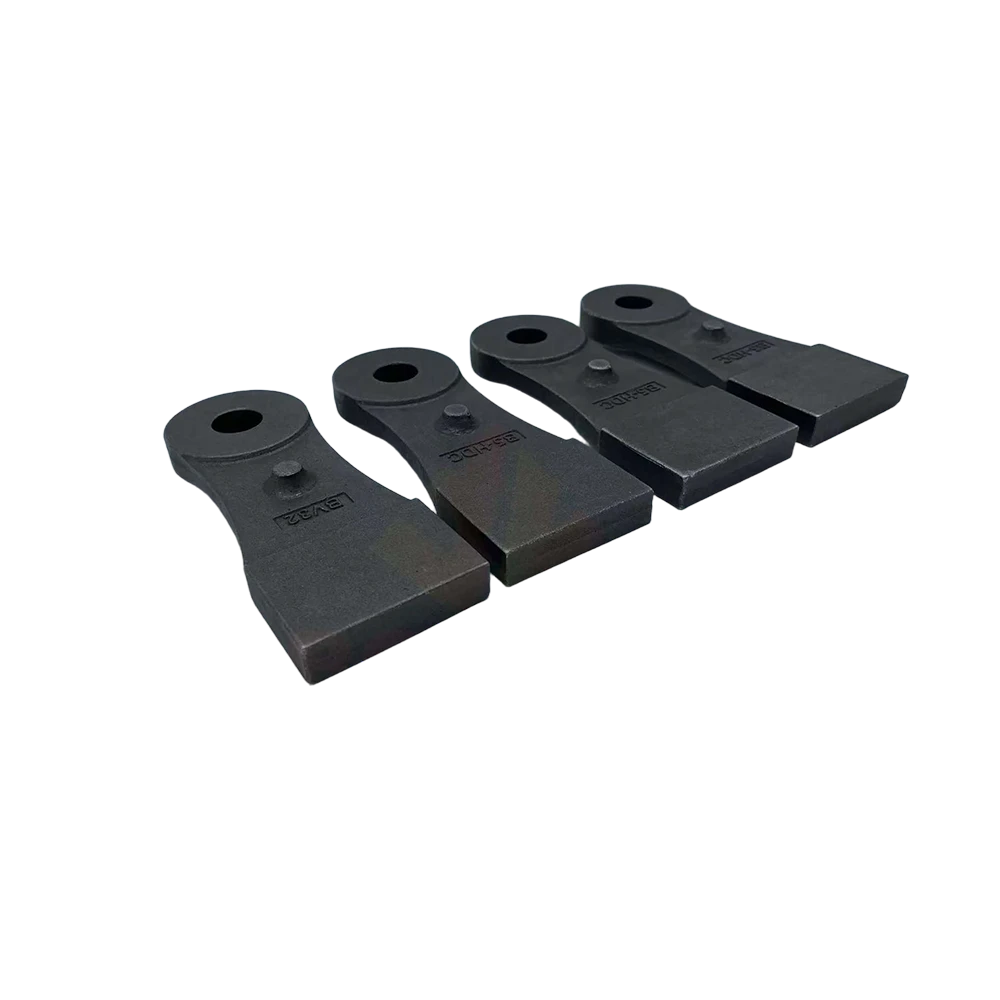
From the material composition to customization potential, hammer crusher wear parts can significantly affect performance, downtime, and cost. Oddly enough, it’s often the small details—like material hardness and design geometry—that determine how long these parts last under punishing conditions.
What Makes Hammer Crusher Wear Parts Tick?
Just to back up a bit, hammer crushers crush by impact, meaning their hammers, liners, and grate bars tend to face high-speed, abrasive forces. This wear is inevitable but manageable. Over the years, materials like high manganese steel, martensitic steel, and chromium alloys have proven to be solid choices, each with trade-offs between hardness, toughness, and resistance to cracking.
In my experience, wear parts made using high manganese steel strike a fair balance for most crushing operations, especially in industries like mining and construction. But if the feed material is particularly abrasive or contains steel contaminants, more robust chromium alloy parts can be lifesavers, even though they come with a heftier price tag.
One thing I’ve noticed time and again is how suppliers that invest in precision casting techniques often deliver parts with longer lifespans and better fitment. That’s because casting lets them tailor microstructures and reduce internal stresses, which improves toughness. For example, companies like DZMC Casting excel in this domain, providing a broad portfolio of hammer crusher wear parts that meet diverse needs.
A Quick Look at Typical Hammer Crusher Wear Part Specs
| Part | Material | Hardness (HRC) | Typical Use |
|---|---|---|---|
| Hammer (Rotor) | High Manganese Steel | 50-58 | Primary crushing, impact resistance |
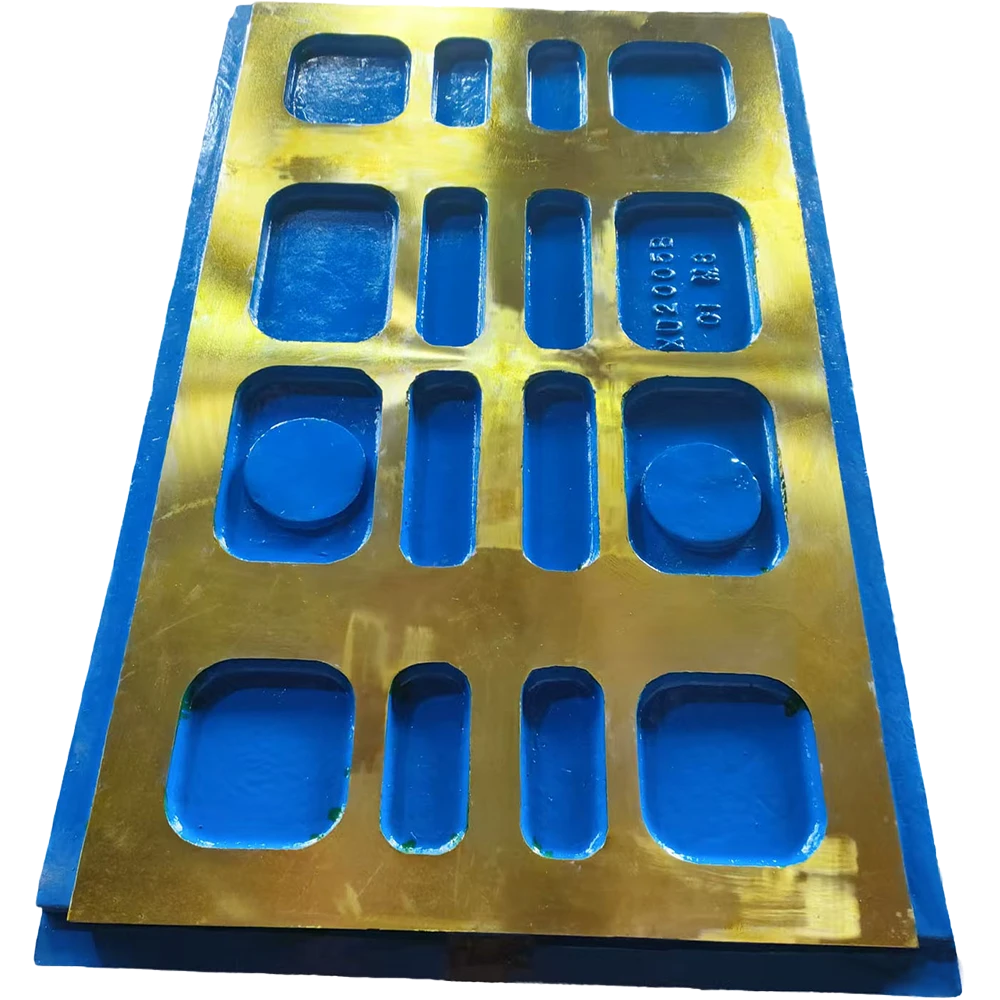
| Wear Liner | Chromium Alloy Steel | 58-62 | Protect crusher shell, abrasion wear |
| Grate Bar | Martensitic Steel | 48-54 | Screening, particle size control |
Picking the Right Partner: How Do Suppliers Stack Up?
Choosing wear parts is not just about specs but also delivery reliability, quality assurance, and technical support. I’ve worked with several vendors over the years, and while some focus on low cost, others really put emphasis on engineering and metallurgy expertise. To make things clearer, here’s a rough comparison of three reliable suppliers I’ve come across:
| Supplier | Material Range | Customization | Lead Times | Support & Service |
|---|---|---|---|---|
| DZMC Casting | High Mn, Cr Alloy, Martensitic | Full OEM & custom designs | 4-6 weeks typical | Technical metallurgy & engineering |
| Supplier B | Mostly High Mn Steel | Limited customization | 3-4 weeks | Standard product support |
| Supplier C | Wide, including ceramics | Custom but with delays | 6-8 weeks | Consulting on wear life |
One customer I worked with recently had a nasty problem with frequent hammer breakage due to the abrasive nature of their limestone feed. Switching to chromium alloy hammers from a specialized supplier changed everything—they saw nearly twice the service life and brought downtime way down. It feels rewarding to see that kind of direct impact, you know?
In real terms, when you pick your hammer crusher wear parts wisely, you’re really investing in operational uptime and predictable maintenance—not just a one-off purchase. If there’s a takeaway here, it’s that you usually get what you pay for, but with a little research and the right partner, it doesn’t have to break the bank.
So, if you find yourself in the market for hammer crusher wear parts, pay attention to technical specs, material quality, and look for vendors who offer solid customization and support. I suppose that’s the recipe for keeping your crushers humming happily along, without constant headaches.
References:
- “Wear Parts for Hammer Crushers,” Mining Equipment Journal, 2022.
- “Material Science in Crushing Equipment,” Industrial Casting Review, 2023.
- Case Study: Chromium Alloy Hammer Benefits, DZMC Casting Whitepaper, 2023.
-
High Performance oem cast heat resistant steel for Industrial UseNewsApr.16,2026
-
Guide to Selecting High Quality Cast Heat Resistant Steel AlloysNewsApr.09,2026
-
Custom Cast Heat Resistant Steel Solutions for High Temperature ApplicationsNewsApr.07,2026
-
Comprehensive Guide to Wholesale Cast Heat Resistant Steel for Industrial ApplicationsNewsApr.04,2026
-
Comprehensive Guide to High Performance Heat Resistant Metal Product SolutionsNewsMar.31,2026
-
Expert Guidance on Heat Resistant Metal Quotes and Alloy SelectionNewsMar.28,2026