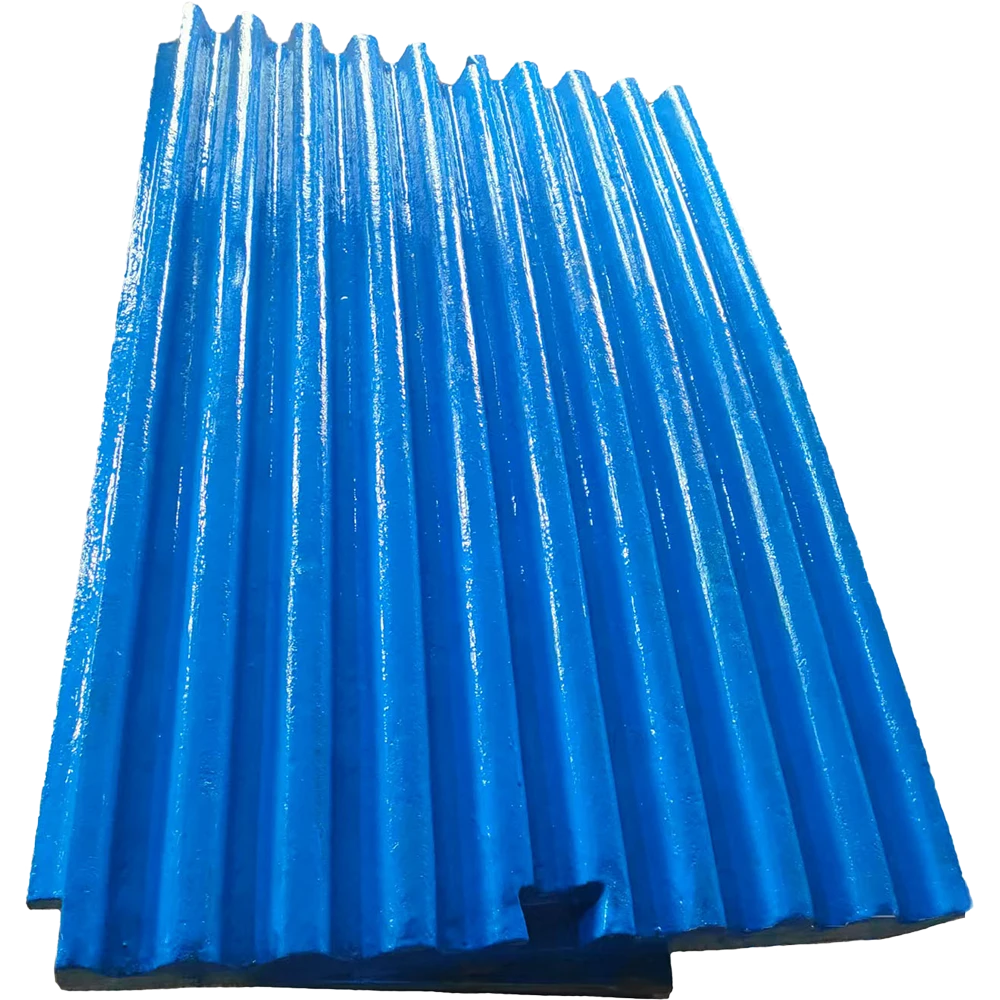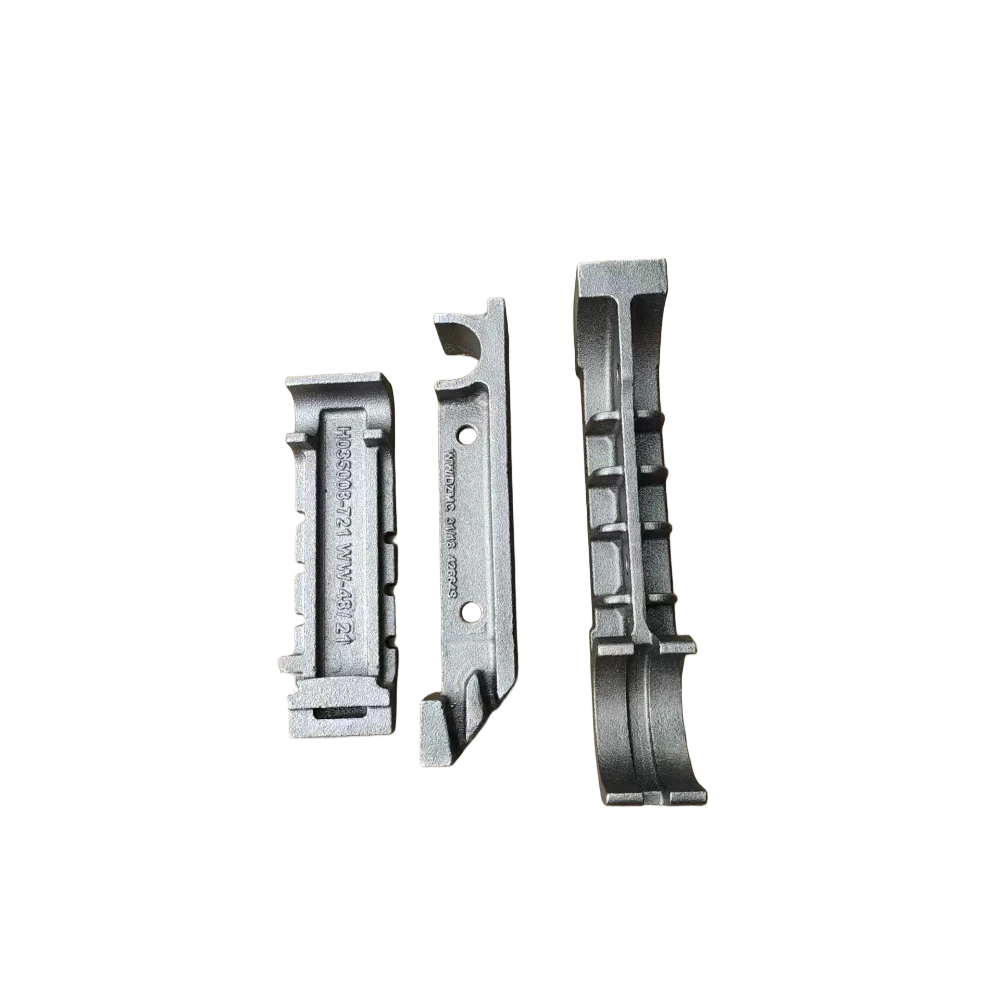
Hammer for Crusher - Wear-Resistant, Long-Life OEM Parts
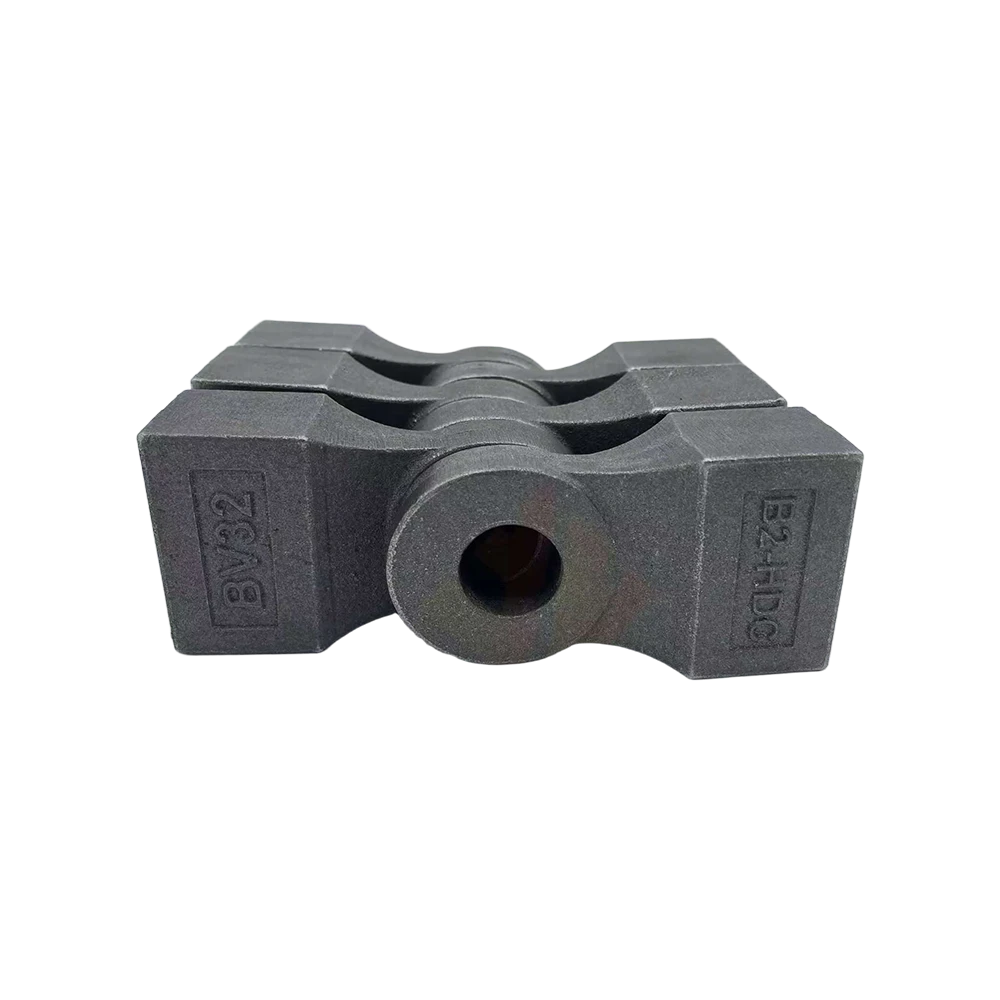
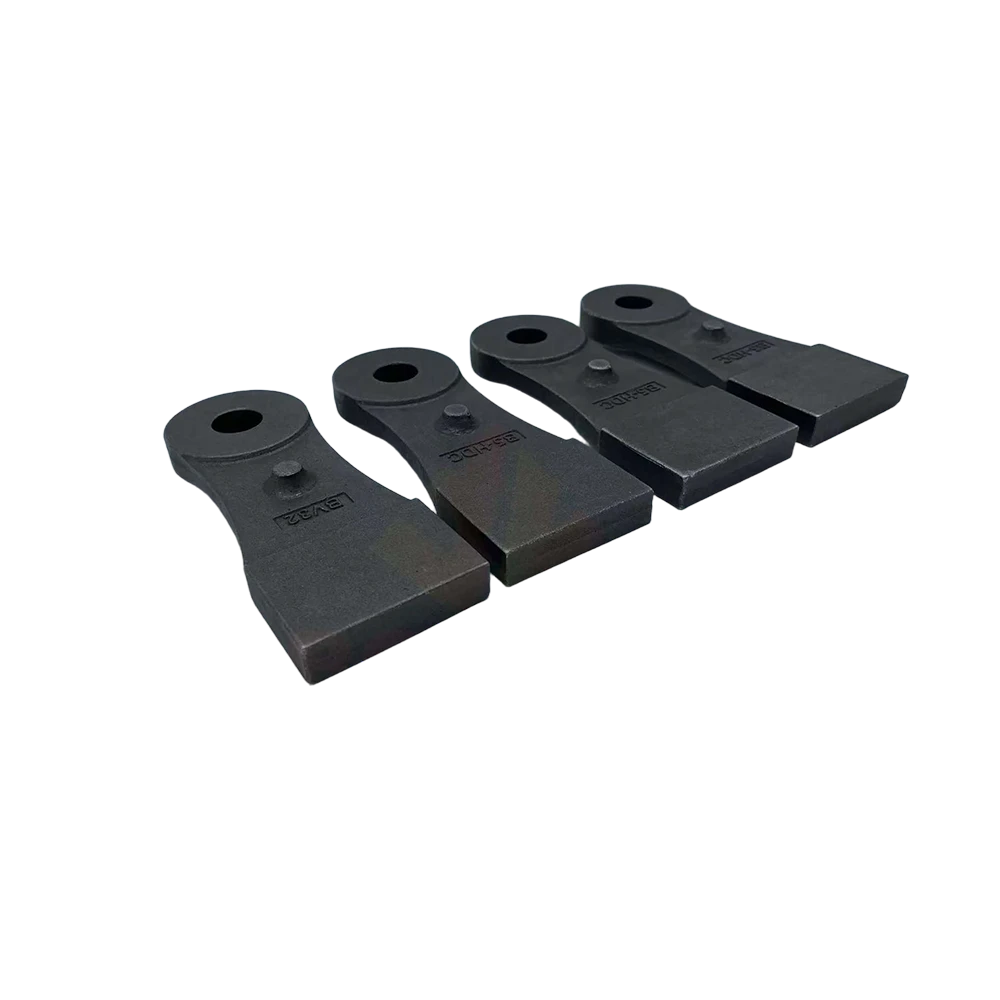
Crusher Bimetallic Hammer: a hands‑on look at Hammer For Crusher
In mining, cement, and aggregates, you don’t get points for pretty theory—you get paid for uptime. That’s exactly why bimetallic hammer designs caught on. Traditional one-piece hammers chip, mushroom, and vanish faster than you’d like. These newer hybrids fuse a high-chromium wear face to a tough alloy-steel body. Not magic—metallurgy. And yes, it’s made at the source: NO.1 INDUSTRIAL AREA OF BEITIAN, BAIXIANG COUNTY, XINGTAI CITY, HEBEI PROVINCE.
Why the industry is shifting
Operators tell me the same story: throughput targets go up, feed gets harder and dirtier (more silica, more tramp), and downtime tolerance shrinks. Bimetal hammers, especially high-Cr overlays, are increasingly the default for limestone, clinker, and even recycled concrete. To be honest, the trend feels inevitable—wear parts now have to be engineered, not just cast.
Product snapshot and key specs
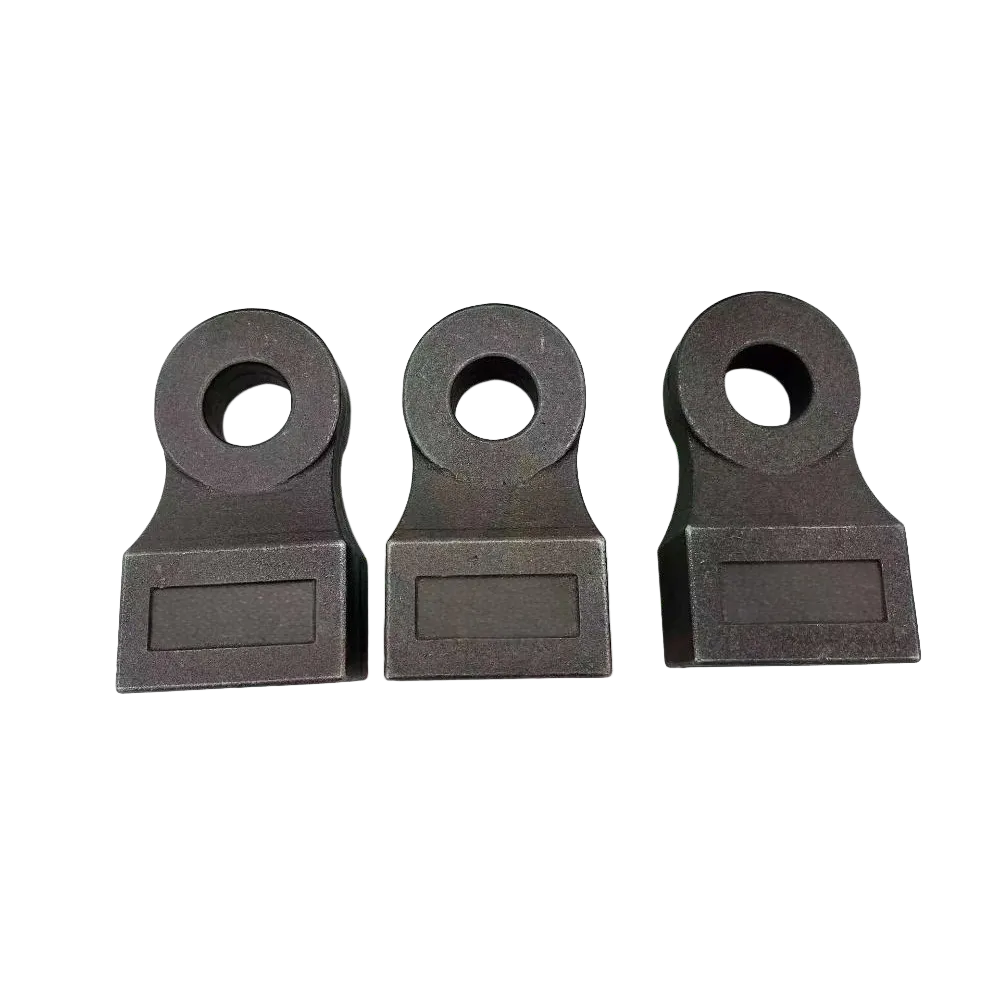
This particular Crusher Bimetallic Hammer pairs a high-chromium white iron strike zone with a quenched-and-tempered alloy-steel shank. The bond is metallurgical (not a bolt-on tile), so it handles impact better than hardface-only options.
| Parameter | Typical Value (≈, real-world may vary) |
|---|---|
| Working face material | High-Cr white iron (ASTM A532 Class II/III) |
| Body material | Alloy steel (Cr-Mo; quenched & tempered) |
| Hardness, wear face | 58–64 HRC (ASTM E18) |
| Hardness, body | 32–40 HRC |
| Charpy impact, body | ≥ 12–20 J @ RT (ASTM E23) |
| Service life gain vs. 45# steel | ≈1.8–3.5×, depending on feed abrasiveness |
| Heat treatment | Dual-stage temper; controlled quench |
How it’s made (short version)
- Materials: High-Cr white iron insert + Cr-Mo steel body.
- Method: Liquid–liquid compound casting for a metallurgical bond; followed by precision heat treatment.
- Testing: Hardness (ASTM E18), impact (ASTM E23), ultrasonic inspection (ASTM A609), chemical spectrocheck (ASTM E415), dimensional tolerance (ISO 8062-3), rotor balance verification per ISO 1940-1 guidelines.
- Service life: Many customers say they get “a full quarter” between changeouts on limestone, though silica-rich basalt will shorten that—no surprises there.
- Industries: Cement plants, limestone quarries, aggregate producers, slag processing, C&D recycling.
Where a Hammer For Crusher like this shines
Primary and secondary impact crushers, clinker coolers, and hammer mills handling limestone, shale, fly ash, and reinforced concrete. If the feed has moderate tramp, the tough backing helps prevent catastrophic shank breakage. If you’re crushing ultra-abrasive silica sand all day, you’ll still see wear—but slower.
Vendor snapshot (quick comparison)
| Vendor | Material Control | Lead Time | Certifications | Notes |
|---|---|---|---|---|
| DZMCCasting (Origin: Hebei) | ASTM A532 inserts; heat charts archived | ≈ 3–5 weeks | ISO 9001; CE-related process docs where applicable | Custom geometry; pattern storage |
| Generic Importer | Mixed; batch-to-batch variation | 6–10 weeks | Varies | Lower upfront cost; higher wear risk |
| Local Fabricator | Often welded hardface only | 1–3 weeks | Shop-level QC | Fast, but limited alloy options |
Customization and real-world feedback
Geometry tweaks matter. Tip radius, pin hole tolerance, and strike-face angle can shift power draw and fragment size. Many customers say a wider toe holds up better on flaky feed; others prefer a sharper edge for clinker. Honestly, it depends on your rotor speed and feed PSD—ask for trial sets.
Mini case study
A Southeast Asia limestone quarry swapped standard 45# hammers for bimetallic units on a 200–300 tph impactor. Result: 28% longer run time per set, maintenance interval moved from 11 to 14 days, and amperage stayed within ±3%. Not a moonshot, but it paid for itself in the first quarter.
Compliance and documentation
Mill certs, hardness maps, and UT reports are available. Heat numbers trace back to melt chemistry. Balancing per ISO 1940-1 is referenced at the rotor level; hammers are matched by mass to support that.
References
[1] ASTM A532/A532M – Standard Specification for Abrasion-Resistant Cast Irons
[2] ASTM E18 – Rockwell Hardness of Metallic Materials; ASTM E23 – Notched Bar Impact Testing
[3] ISO 8062-3 – Casting tolerances; ISO 1940-1 – Mechanical vibration—Balance quality
-
High Performance oem cast heat resistant steel for Industrial UseNewsApr.16,2026
-
Guide to Selecting High Quality Cast Heat Resistant Steel AlloysNewsApr.09,2026
-
Custom Cast Heat Resistant Steel Solutions for High Temperature ApplicationsNewsApr.07,2026
-
Comprehensive Guide to Wholesale Cast Heat Resistant Steel for Industrial ApplicationsNewsApr.04,2026
-
Comprehensive Guide to High Performance Heat Resistant Metal Product SolutionsNewsMar.31,2026
-
Expert Guidance on Heat Resistant Metal Quotes and Alloy SelectionNewsMar.28,2026