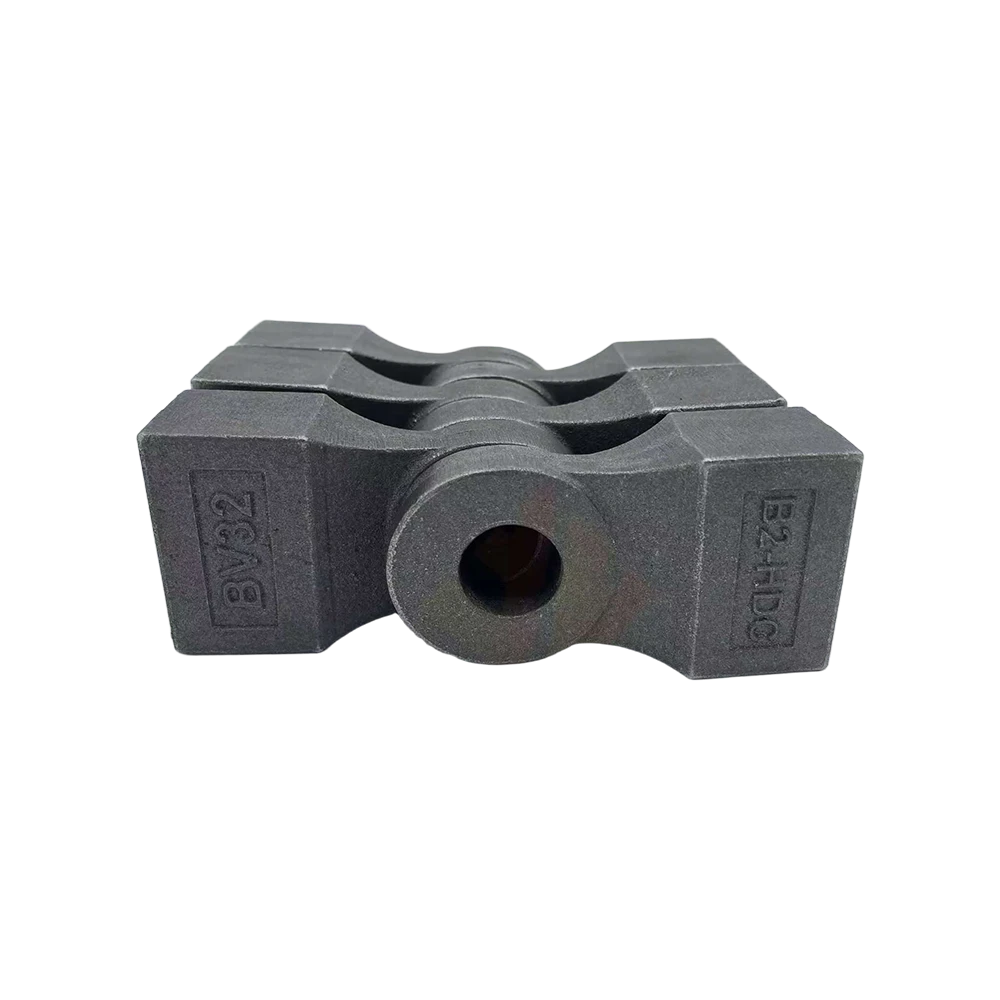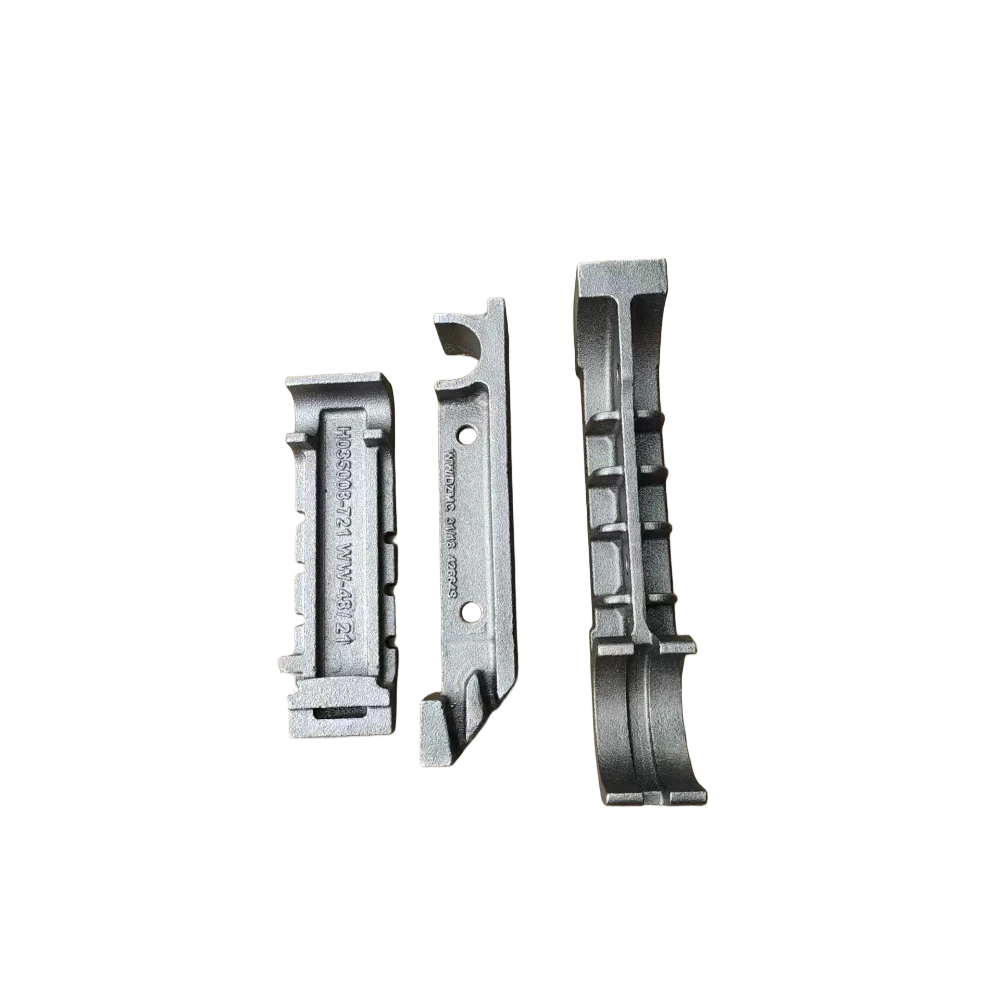
Heat Resistant Metal Quotes: Global Insights, Applications & Suppliers
Understanding Heat Resistant Metal Quotes: Why They Matter in Today’s World
If you've ever wondered about materials that can handle extreme temperatures—whether in aerospace, power plants, or even cookware—you've brushed against the realm of heat resistant metals. But sourcing these materials isn’t as simple as checking a catalog; it usually involves getting heat resistant metal quotes. This phrase might sound a bit technical at first, but it’s pivotal for industries worldwide striving to ensure safety, efficiency, and sustainability.
In a global context where climate extremes are more frequent and industries push materials to their limits, knowing your heat resistant metal options—and the pricing behind them—can literally make or break a project. So let’s unfold what heat resistant metal quotes really are, their importance, and how they shape numerous sectors from heavy industry to humanitarian efforts.
Global Context: Why Heat Resistant Metal Quotes Are More Relevant Than Ever
The demand for metals that hold up under extreme heat is on the rise. According to ISO standards and industry reports, global metal consumption is expected to grow steadily, especially in areas requiring thermal stability. Here's the snag: sourcing these metals involves balancing cost, quality, and availability, often across international borders.
For instance, industries like nuclear energy, aerospace, and chemical manufacturing rely heavily on heat resistant metals to maintain operational safety. The World Bank estimates that infrastructure investments tied to energy transition and industrial upgrades will double over the next decade. Those needing precise heat resistant metal quotes face challenges due to fluctuating raw material costs, tariffs, and supply chain bottlenecks.
In practice, this means nothing can proceed without accurate pricing and specification info upfront—hence the growing focus on precise, reliable metal quotes.
Mini takeaway: Heat resistant metal quotes are not just pricing figures—they're strategic data points that align safety, cost, and project timeline in a volatile global market.
What Exactly Are Heat Resistant Metal Quotes?
Simply put, a heat resistant metal quote is an official offer or pricing estimate—usually from suppliers or foundries—that details the cost and specifications of metals manufactured or treated to withstand high temperatures.
These metals include various alloys like stainless steel grades, Inconel, Hastelloy, titanium alloys, and others that maintain strength and resist oxidation or deformation when exposed to heat. The “quote” aspect typically includes:
- Material type and grade
- Dimensions and tolerances
- Heat treatment processes applied
- Delivery timelines
- Pricing details (unit cost, bulk discounts, shipping)
Why it matters: Modern industries—and even disaster relief teams—depend on rapid access to these quotes to budget effectively and guarantee quality for their heat-sensitive applications.
Key Components Behind Heat Resistant Metal Quotes
1. Durability & Thermal Stability
Durability and heat tolerance are arguably the star players here. Metals that hold up without warping or cracking under extreme heat protect machinery and reduce downtime. When requesting quotes, those properties often come with certifications or test results that back the vendor’s claims.
2. Scalability & Availability
Ordering a few small batches differs hugely from bulk industrial supply. Suppliers often factor scale into their quotes. If you need tons of material for an infrastructure project, expect different pricing than a prototype batch.
3. Cost Efficiency
Raw metal prices fluctuate, but how suppliers price processing, treatment, and delivery adds complexity. Sometimes a slightly more expensive alloy offers better lifespan, making it cheaper in the long run. Quotes help tease out this balance.
4. Compliance & Certifications
Especially in aerospace, medical, or energy sectors, compliance with international standards (like ASTM, ISO, or EN) is non-negotiable. Many quotes specify adherence to these to reassure buyers they get exactly what’s needed.
5. Customization Options
From specific heat treatments to shape and finish adjustments, many suppliers offer custom orders reflected in the quote. This flexibility is crucial for designers and engineers aiming for peak performance.
Mini takeaway: Heat resistant metal quotes encapsulate complex considerations—from raw properties to delivery—ensuring your project’s metal supply fits both technical and financial needs.
Global Uses: Where Do These Metals Make the Biggest Impact?
Heat resistant metals—and the quotes that get them into projects—play roles across the world:
- Power Generation: Turbines in gas or steam plants operate at extreme temps, demanding materials like Inconel. Accurate quotes enable plants in Europe and Asia to plan upgrades efficiently.
- Aerospace & Defense: Aircraft and rocket engines rely on heat stable alloys. US and European industries source exact alloys with guaranteed specs through detailed quotes.
- Chemical Manufacturing: Reactors process volatile substances at high heat, making corrosion and thermal resistance critical. Middle East petrochemical firms focus heavily on quote comparatives.
- Disaster Relief & Infrastructure: In hot zones or post-disaster rebuilding (think wildfires or volcanic regions), heat resistant metals ensure safety and longevity for shelters or equipment.
Example:
During wildfire relief operations in Australia, rapid deployment of heat resistant metal scaffolding and protective barriers—sourced through trusted quotes—helped safeguard responders and equipment against extreme heat, minimizing risk.
Product Specification Table: Sample Heat Resistant Metal Overview
| Material | Max Operating Temp (°C) | Tensile Strength (MPa) | Corrosion Resistance | Typical Use |
|---|---|---|---|---|
| Inconel 718 | 700 | 1240 | Excellent | Jet engines, turbines |
| Hastelloy C-276 | 600 | 550 | Outstanding | Chemical reactors |
| Titanium Alloy Ti-6Al-4V | 600 | 900 | Good | Aerospace structures |
Advantages & Long-Term Value of Heat Resistant Metal Quotes
On paper, the advantages are obvious: knowing precise heat resistant metal quotes means better budget control, fewer delays, and safer material choices. But it’s more than numbers:
- Safety: Accurate specs backed by these quotes ensure parts don’t fail catastrophically under heat stress.
- Sustainability: Choosing metals with proven thermal longevity reduces waste and frequent replacements, lowering the environmental footprint.
- Innovation: Transparent quotes open doors to experimenting with novel alloys or better manufacturing methods.
- Trust: Reliable vendor quotes build confidence across supply chains, crucial during international procurement.
Frankly, when companies or NGOs select metals, they're not just buying raw material; they’re buying peace of mind that structures will perform as intended in the real world.
Future Trends & Innovations in Heat Resistant Metals
The future looks pretty exciting. Research increasingly focuses on green metallurgy—reducing energy consumption in metal production and developing alloys with better recyclability. Additive manufacturing (3D metal printing) is also gaining traction, enabling complex shapes with tailored heat properties that traditional casting can’t do easily.
Digital platforms now allow instant quote requests with automated specs review—speeding procurement. Governments worldwide are pushing stricter regulations for metal sourcing and environmental compliance, which means vendors need to adapt quickly.
Challenges & Solutions When Dealing With Heat Resistant Metal Quotes
Despite all the promise, several hurdles remain:
- Price volatility: Metals markets can be unpredictable, frustrating planners.
- Supply chain delays: Especially in times of crisis, lead times for heat resistant alloys can be long.
- Technical mismatches: Sometimes quotes don’t match precise project needs, causing costly redesigns.
Many experts recommend building trusted vendor relationships and using digital procurement tools that allow flexible, updated quotes reflecting real-time market conditions. Also, combining quotes with third-party certifications can minimize surprises.
Vendor Comparison Table: Typical Heat Resistant Metal Suppliers
| Supplier | Lead Time (weeks) | Price Range ($/kg) | Customization | Global Reach |
|---|---|---|---|---|
| MetalWorks Inc. | 4-6 | 30–50 | High | North America, Europe |
| SteelTherm Global | 6-8 | 25–45 | Medium | Asia, Middle East |
| TitanAlloy Supply | 3-5 | 40–60 | High | Global |
FAQs About Heat Resistant Metal Quotes
1. What factors most influence the price of heat resistant metals?
Raw material availability, alloy complexity, heat treatment processes, and certification requirements typically dictate price variations. Shipping logistics and order volume also play significant roles, making quotes essential to understand total costs.
2. How can I ensure the quotes I receive are accurate and reliable?
Request detailed specifications and certifications, ask for samples or test reports, and work with vendors who adhere to international standards like ASTM or ISO. Personal referrals or reviews can also help verify trustworthiness.
3. Are heat resistant metal alloys environmentally friendly?
Alloys themselves vary in environmental impact. While production can be energy-intensive, newer processes focus on recycling and reducing waste. Choosing metals with longer lifespans also reduces overall ecological footprints.
4. Can heat resistant metal quotes be obtained quickly for urgent projects?
Yes, many modern suppliers offer digital platforms for instant quotes based on entered parameters. However, lead times for manufacturing or shipping might still affect overall delivery speed.
5. How do I compare quotes from different vendors effectively?
Look beyond price—consider lead times, certifications, customization options, and after-sales support. A lower upfront cost might lead to higher risk or delays, so weigh factors based on your project's priorities.
Conclusion: Why Keeping Close to Heat Resistant Metal Quotes Matters
Time and again, I've seen projects stumble when metal supply details didn’t line up with expectations. Reliable heat resistant metal quotes are a linchpin—balancing safety, budgets, and timelines in industries that simply can’t afford failure.
As the world heats up—both literally and figuratively—the demand for smarter, more sustainable metal solutions grows. Staying informed, comparing quotes carefully, and partnering with trusted suppliers ensures your projects don’t just survive the heat but thrive in it.
For the most accurate and competitive heat resistant metal quotes, visit our website: https://www.dzmccasting.com
Quick takeaway: Heat resistant metal quotes aren’t just numbers; they’re the groundwork for resilience and innovation in industries shaping our modern world.
References
-
High Performance oem cast heat resistant steel for Industrial UseNewsApr.16,2026
-
Guide to Selecting High Quality Cast Heat Resistant Steel AlloysNewsApr.09,2026
-
Custom Cast Heat Resistant Steel Solutions for High Temperature ApplicationsNewsApr.07,2026
-
Comprehensive Guide to Wholesale Cast Heat Resistant Steel for Industrial ApplicationsNewsApr.04,2026
-
Comprehensive Guide to High Performance Heat Resistant Metal Product SolutionsNewsMar.31,2026
-
Expert Guidance on Heat Resistant Metal Quotes and Alloy SelectionNewsMar.28,2026