Dec . 01, 2025 08:05
Back to list
Heat Resistant Steel Products Factory - Durable Solutions for High-Temperature Industries
Understanding the Heat Resistant Steel Products Factory: Why It Matters Now
Imagine a material that withstands fiery industrial furnaces, searing aerospace engines, or blistering chemical plants without even flinching. That’s where heat resistant steel products come in, and the factories crafting them hold a quietly pivotal role worldwide. These specialized factories produce steels that can resist extreme temperatures, corrosion, and mechanical stress—qualities essential for industries from energy to construction. Globally, the demand for heat resistant steel products keeps climbing as economies expand, infrastructures age, and new challenges emerge from climate shifts and tougher safety standards. Understanding the workings and impact of a heat resistant steel products factory isn’t just an industrial curiosity. It’s crucial for anyone interested in sustainable manufacturing, energy efficiency, and resilient infrastructure.The Growing Global Importance of Heat Resistant Steel Products Factories
The world’s industrial appetite for durable materials is huge. According to the International Organization for Standardization (ISO), steel remains the backbone of modern manufacturing. The heat resistant steel segment, although niche, is forecasted to grow steadily due to increasing applications in power generation, petrochemical plants, and automotive industries ([source: ISO 4948](https://www.iso.org)). Yet there’s a challenge: producing steel that tolerates high temperatures without losing strength or rigidity is no small feat. Heat resistant steel products factories tackle this by innovating in alloy composition, heat treatment, and quality control, often under tight environmental regulations. In real terms, these factories reduce downtime and maintenance costs for vital industries that can’t afford frequent replacements or catastrophic failures. The stakes? Energy security, worker safety, and even environmental protection.What Exactly Is a Heat Resistant Steel Products Factory?
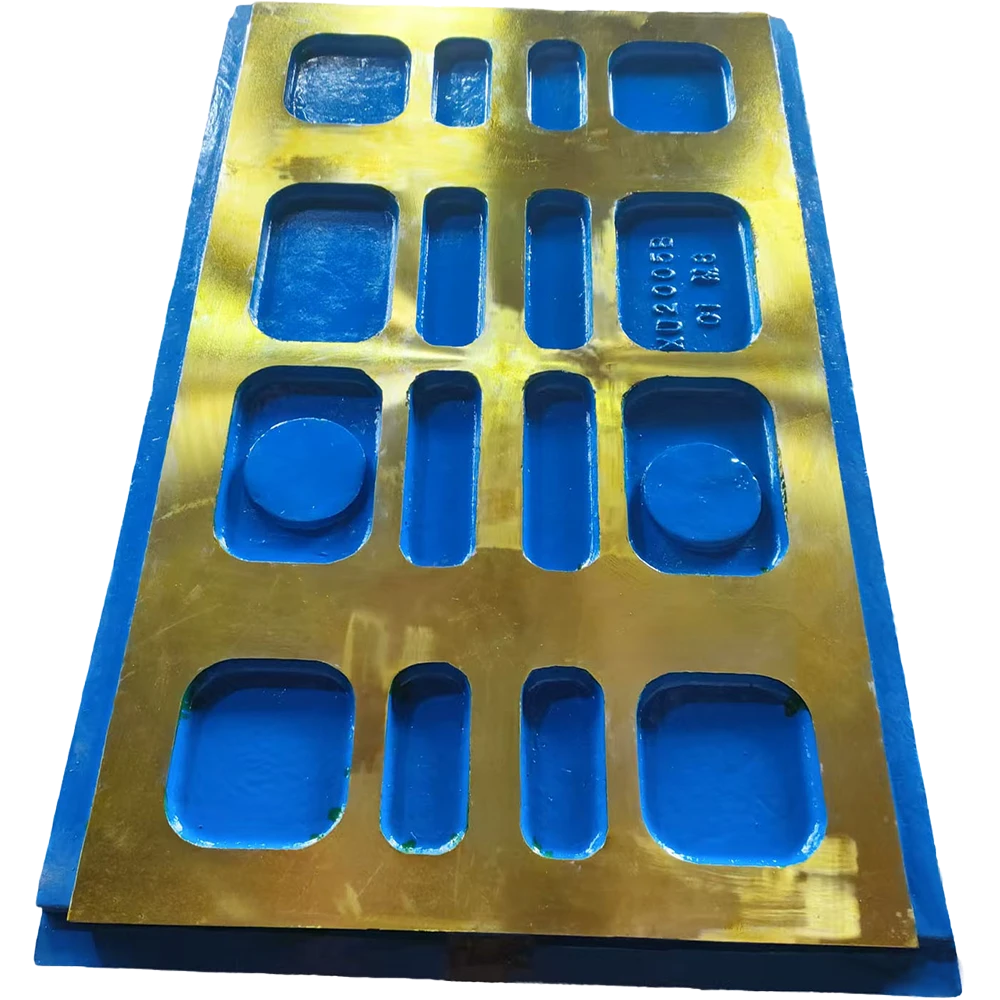
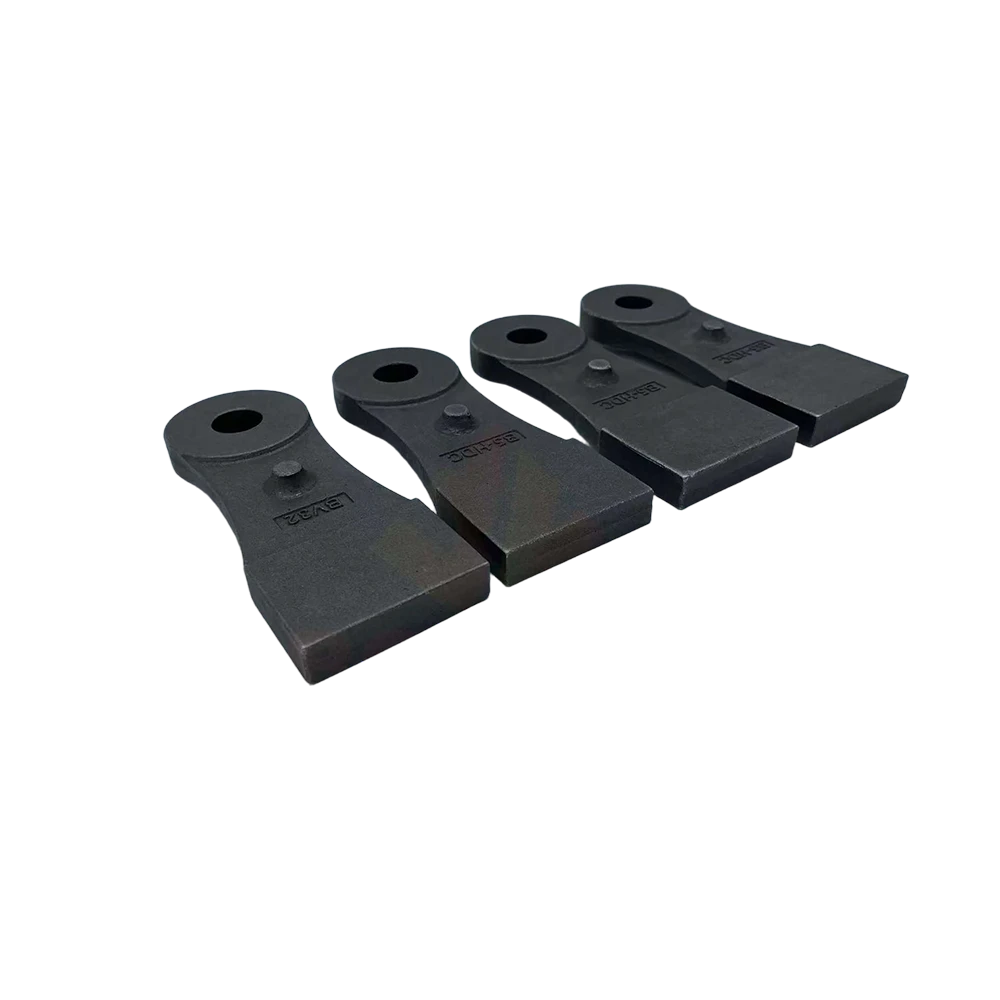
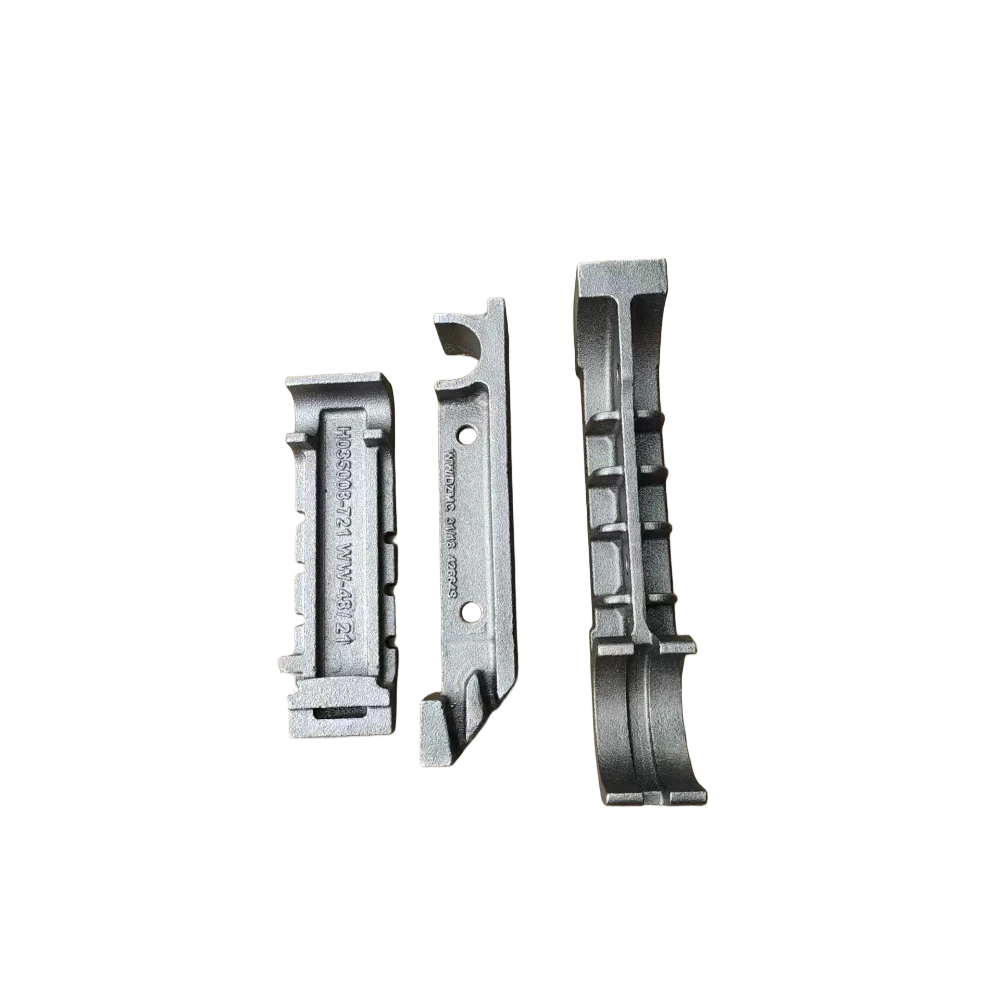
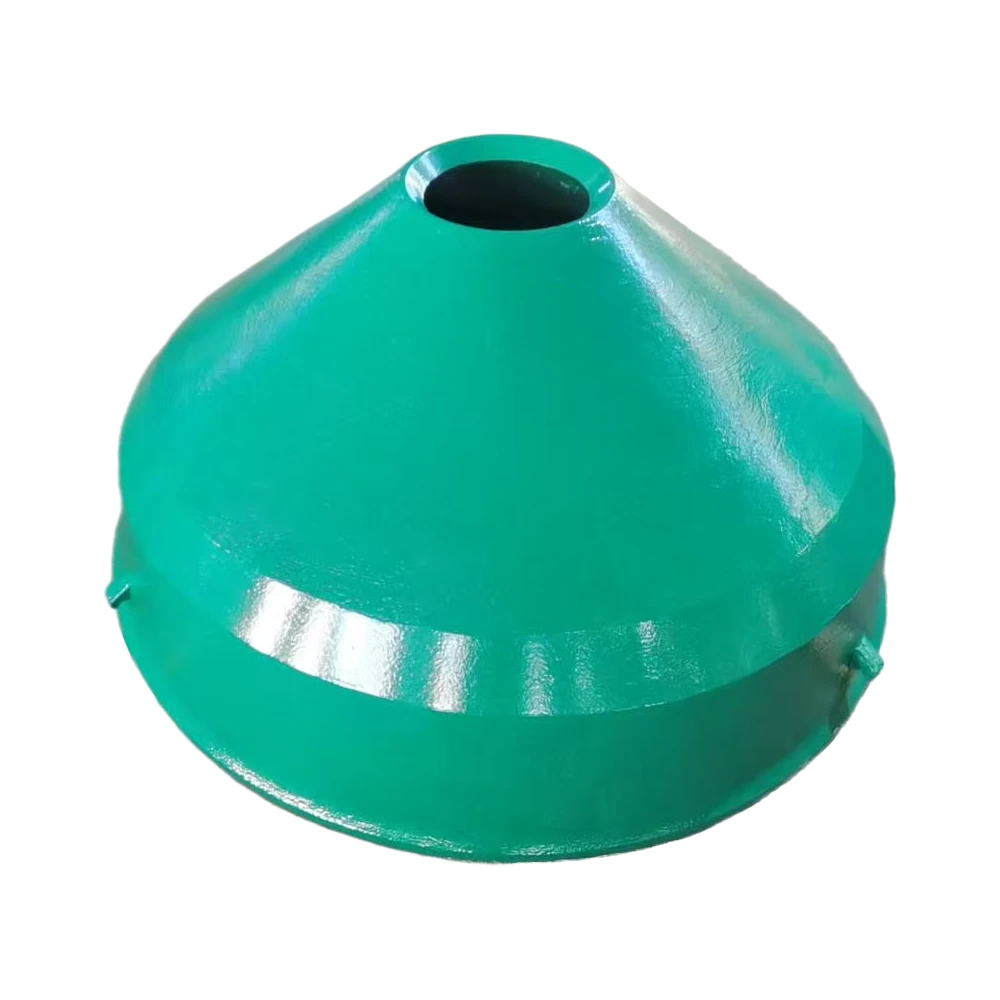
Put simply, a heat resistant steel products factory is a specialized manufacturing facility dedicated to producing steel and steel components designed to withstand elevated temperatures without deformation or degradation. Unlike regular steel plants, these factories often: - Use specific alloying elements like chromium, molybdenum, and nickel. - Employ advanced heat treatment protocols to enhance resistance. - Produce parts ranging from pipes, tubes, and plates to complex structural components. They’re essential in sectors where metals undergo consistent thermal cycles—think power plants, chemical reactors, and loops in aerospace machinery.Mini Takeaway:
Understanding these factories helps clarify how industry balances performance and safety with innovation.Core Components That Define Heat Resistant Steel Products
Let’s break down the main aspects that make these products—and their factories—tick:1. Durability Under Extreme Heat
The foremost trait is the steel’s ability to maintain mechanical properties beyond 500°C (and sometimes above 1000°C). This durability stems from alloying and heat treatment that prevents creep and oxidation.2. Corrosion Resistance
Many heat resistant steels feature chromium and silicon, which form protective oxide layers, crucial for harsh chemical environments.3. Precision Manufacturing
These factories use precise rolling, forging, and machining techniques ensuring the steel parts meet exact specifications—often down to micron tolerances.4. Scalability & Customization
From mass-produced pipes to tailor-made reactor vessels, the factory must adapt processes to different scales and product complexities.5. Quality Control & Testing
Rigorous testing (tensile, impact, and creep resistance) ensures steel batches perform reliably in situ.6. Environmental Compliance
Modern factories increasingly emphasize eco-friendly production, minimizing waste, energy use, and harmful emissions.Mini Takeaway:
These factors combine to create a product line that supports critical infrastructure worldwide—impossible without stringent factory practices.How Heat Resistant Steel Products Impact the World: Use Cases From Industry to Emergency Response
The lifespan of heat resistant steel touches varied global sectors:- Energy Production: Power plants need boiler tubes and furnace parts that endure 700°C temperatures daily.
- Petrochemical Industry: Refinery reactors and pipelines rely on these steels to handle volatile chemicals and heat.
- Aerospace: Turbine discs and exhaust components require incredibly high heat endurance.
- Disaster Relief & Infrastructure: In rebuilding after wildfires or chemical accidents, heat resistant steel products are key for rapid, durable structures.
- Manufacturing Equipment: Furnaces and molds in factories use these steels for longevity and safety.
Mini Takeaway:
Heat resistant steel products factories fuel resilience across many fields—from power grids to emergency shelters.Advantages and Long-Term Value: What Makes Heat Resistant Steel a Smart Investment
The benefits extend far beyond just temperature tolerance: - Cost Savings: Reduced maintenance and longer equipment lifespan save millions. - Sustainability: Superior durability means fewer replacements, lowering resource consumption. - Safety and Reliability: Decreased risks of structural failure protect workers & environments. - Innovation Catalyst: Advanced steels open doors to new industrial processes and energy systems. - Global Trust: Industries prefer suppliers and factories that can guarantee quality and delivery. On an emotional level, engineers and operators feel confident relying on products that won’t fail under pressure—this counts for more than spreadsheets might show.Product Specification Table
| Product Type | Max Operating Temperature | Typical Alloy Composition | Common Applications |
|---|---|---|---|
| Boiler Tubes | ~600°C | Cr, Mo, C, Ni | Power Plants, Refineries |
| Structural Plates | ~550°C | Cr, Ni, Si, Mn | Chemical Plants, Industrial Buildings |
| Exhaust Systems | ~900°C | Cr, Ni, Fe Bal. | Aerospace, Automotive |
How Do Leading Vendors Compare in the Heat Resistant Steel Sector?
| Vendor | Product Range | Quality Certification | Production Capacity | Global Reach |
|---|---|---|---|---|
| SteeleX Industries | Wide (pipes, plates, coils) | ISO 9001, API 6A | 500,000 tons/year | Asia, Europe, NA |
| ThermoMetal Works | Specialized in plates & custom parts | ISO 14001, TS 16949 | 90,000 tons/year | Europe, NA |
| HeatGuard Steel Corp. | Pipes, tubes, and custom alloy sheets | API 6D, ISO 9001 | 300,000 tons/year | Global |
Looking Ahead: Future Developments in Heat Resistant Steel Products
The future of heat resistant steel products factories is intertwined with sustainability and smart technologies: - Green Steelmaking: New electric arc furnace methods and hydrogen reduction may reduce carbon footprints drastically. - Smart Alloys: Development of steel with self-healing or adaptive heat properties is underway—imagine steel that literally adjusts to conditions. - Automation: Robotics and AI improve precision and help monitor steel stress in real-time. - Recyclability: Enhanced steel recycling is becoming a must-have to meet circular economy goals. Oddly enough, these factories are quietly becoming innovation labs as well as production hubs.Challenges and How Experts Are Addressing Them
While impressive, the industry faces hurdles: - High Production Costs: Specialized alloys and treatments cost more—mitigated by scale and R&D. - Supply Chain Volatility: Sourcing rare alloying elements can be tricky, prompting some factories to explore alternative alloys. - Skilled Labor Shortages: A niche field means fewer trained workers; many companies invest in specialized training programs. - Environmental Impact: Steel production is energy intensive. Green initiatives and ISO standards help steer the ship. Industry experts advocate combining technology, policy incentives, and market demand to overcome these hurdles.FAQ: Frequently Asked Questions About Heat Resistant Steel Products Factory
- What distinguishes heat resistant steel from regular steel?
- Heat resistant steel contains specific alloying elements like chromium and molybdenum and undergoes special heat treatments to maintain strength and resist oxidation at high temperatures, unlike standard carbon steel.
- How long can products from these factories last in extreme conditions?
- With proper usage and maintenance, heat resistant steel components can last 20+ years in demanding environments such as power plants or chemical refineries.
- Are heat resistant steel factories environmentally friendly?
- Modern factories increasingly adopt eco-friendly methods, including reducing emissions, recycling scrap steel, and improving energy efficiency to lower environmental impact.
- Can I source custom heat resistant steel products internationally?
- Yes, many specialized factories export worldwide and provide custom alloys and product designs to meet specific industry needs. It’s advisable to contact vendors directly for certifications and compliance details.
- What role does quality testing play in these factories?
- Extensive testing—mechanical, chemical, and performance—is essential to ensure products meet safety and durability standards before delivery.
Wrapping Up: Why Heat Resistant Steel Products Factories Are Critical Today and Tomorrow
There’s something quietly heroic about these factories. They forge materials that keep our energy flowing, our engines running safe, and our infrastructures ready for the next challenge—whatever the temperature. The combination of technical precision, innovation, and global impact makes the heat resistant steel products factory an unsung symphony of modern industry. If you want to explore the range of solutions or learn more about sourcing from a reliable heat resistant steel products factory, the time to start is now. ---References
Latest news
-
High Performance oem cast heat resistant steel for Industrial UseNewsApr.16,2026
-
Guide to Selecting High Quality Cast Heat Resistant Steel AlloysNewsApr.09,2026
-
Custom Cast Heat Resistant Steel Solutions for High Temperature ApplicationsNewsApr.07,2026
-
Comprehensive Guide to Wholesale Cast Heat Resistant Steel for Industrial ApplicationsNewsApr.04,2026
-
Comprehensive Guide to High Performance Heat Resistant Metal Product SolutionsNewsMar.31,2026
-
Expert Guidance on Heat Resistant Metal Quotes and Alloy SelectionNewsMar.28,2026