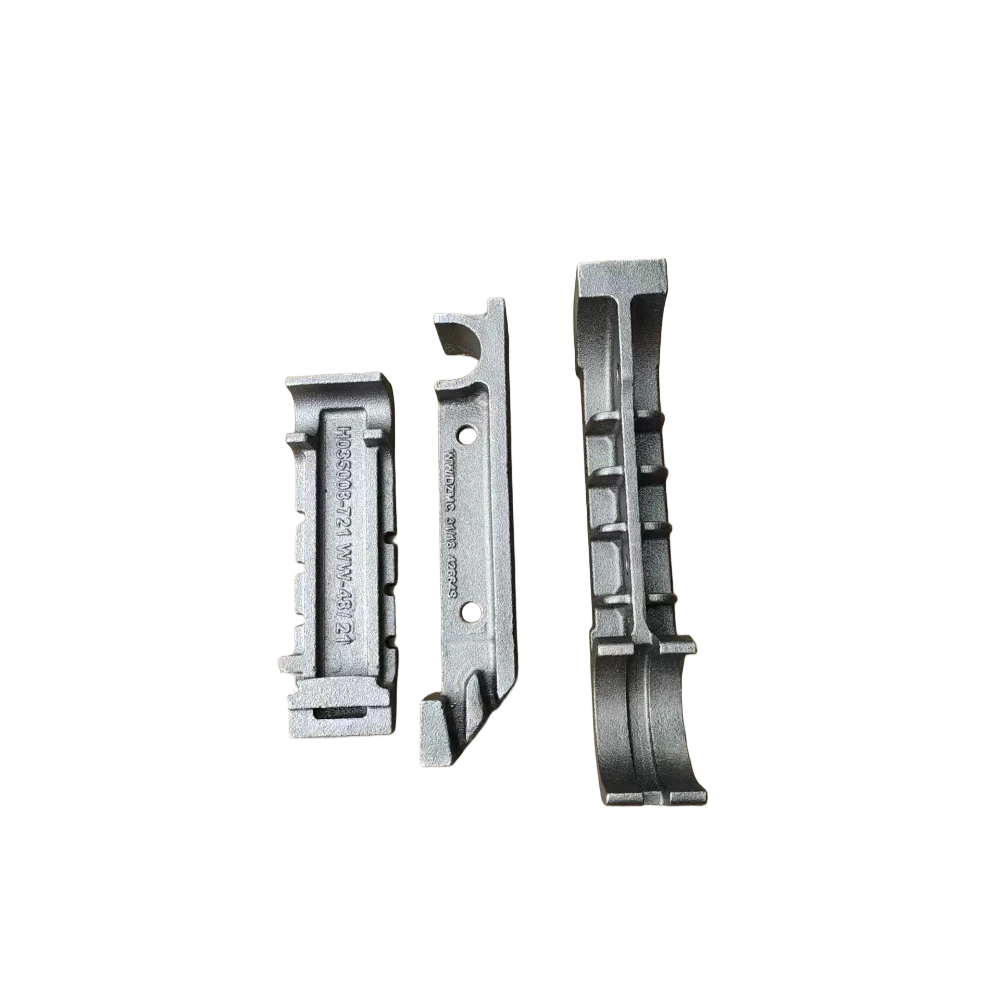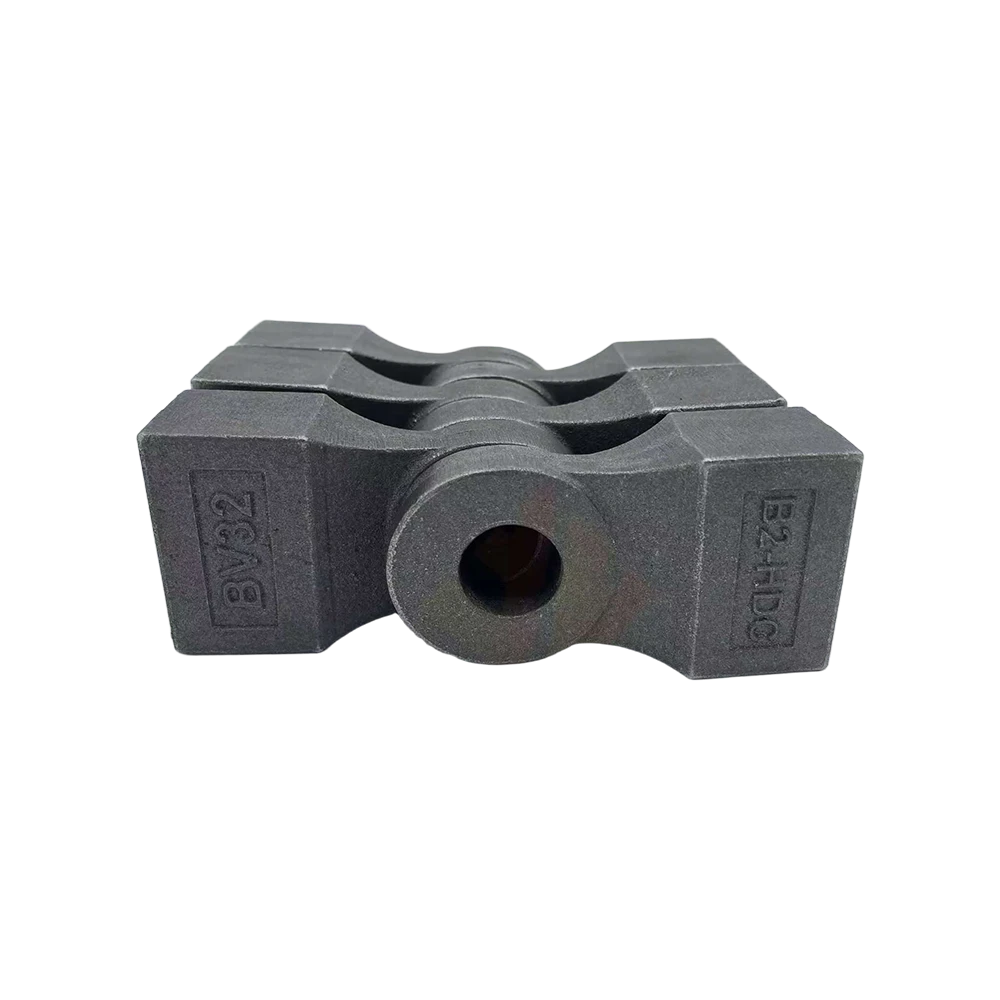
High-Quality China Heat Resistant Steel Products for Industrial Use | Durable & Cost-Efficient Steel Alloys
Understanding China Heat Resistant Steel Products: Why They Matter Globally
Heat resistant steel products manufactured in China are more than just materials —they are a cornerstone of modern industrial resilience. As global infrastructure and manufacturing try to grapple with rising temperatures—both literal heat and market pressure—knowing about these steel products can really pay off.
Their special ability to withstand extreme heat makes them vital not just for factories but for sectors like energy, transportation, and even disaster relief operations. Oddly enough, while many think of steel as a simple commodity, these “china heat resistant steel products” are tailored marvels that help industries thrive amidst tough environmental challenges.
Mini takeaway: Heat resistant steels from China play a quietly huge role in sustaining heavy industries worldwide, especially where thermal stress is a constant.
Global Impact and Industry Context
The global steel market, according to the World Steel Association, produced roughly 1.8 billion metric tons in 2023 — a mammoth figure. Now, roughly 10-15% of that involves heat-resistant steel grades. Many of these come from China, which has leveraged its manufacturing scale to become a front-runner in this niche. And here’s the kicker: The International Organization for Standardization (ISO) highlights the growing demand for steel products that endure high temperatures in heavy industries worldwide—particularly energy, petrochemical refining, and aerospace.
The challenge? Conventional steels simply falter under extreme heat. When pipes, furnaces, or rail tracks heat up repeatedly beyond 500°C, normal steel deforms or loses strength, complicating maintenance and safety. That’s where china heat resistant steel products come in, offering proven durability.
Mini takeaway: Heat resistant steel products are critical to solving global industrial challenges, especially in regions with heavy manufacturing or energy production.
What Are China Heat Resistant Steel Products?
Simply put, these are specialized steel alloys produced in China engineered to maintain strength and shape in high-temperature environments without cracking or deforming. Unlike standard carbon steels, these contain elements like chromium, molybdenum, and sometimes nickel to boost heat durability.
They’re used widely where safety and reliability matter—hot pipelines, power plants, automotive exhausts, and even military equipment. In humanitarian contexts, such steels ensure durable shelter frameworks in extreme climates, thus connecting industrial innovation with social needs.
So, next time you hear “heat resistant steel,” picture not just metal but a sophisticated alloy battle-hardened to keep things running.
Core Components & Key Factors
Durability Against Thermal Fatigue
The foremost trait is thermal fatigue resistance — the ability to repeatedly endure temperature swings without cracking. The chromium and molybdenum in the alloy form protective layers that stop oxidation and brittleness.
Corrosion Resistance
High temperatures often accelerate corrosion, especially in chemical plants and refineries. China’s heat resistant steels have enhanced corrosion resistance, extending equipment lifespan significantly versus traditional steels.
Cost Efficiency and Availability
Chinese manufacturers benefit from economies of scale, producing these complex alloys at competitive prices. This cost-effectiveness makes upgrading infrastructure more accessible globally, not just for rich countries.
Scalability and Customization
Many plants demand tailored steel grades for specific temperature ranges or mechanical properties. Chinese producers offer flexible specs and often faster turnaround times compared to other suppliers.
Compliance with International Standards
A crucial factor is adherence to ISO or ASTM standards, which China's leading steel firms increasingly meet. This builds trust and facilitates global trade.
| Property | Typical Value | Unit |
|---|---|---|
| Operating Temperature Range | 550 - 900 | °C |
| Tensile Strength | 550 - 720 | MPa |
| Chromium Content | 10 - 20 | % |
| Molybdenum Content | 0.5 - 2.0 | % |
| Yield Strength | 300 - 500 | MPa |
Mini takeaway: The chemical composition and mechanical properties finely balance heat endurance with cost, forming the practical backbone of these products.
Global Applications and Real-World Use Cases
I find it fascinating how widely these steels are used—in ways you might not expect. In Europe and North America, refineries rely on them to keep cracking units running efficiently. In Southeast Asia, power plants battling tropical heat deploy these steels to reduce downtime.
Post-disaster relief campaigns in earthquake-prone zones in China and Nepal have utilized heat resistant steel frames to build resilient temporary shelters that withstand both fire risks and scorching sun. That’s not just engineering; that’s human safety.
Industrial zones with heavy chemical processing in the Middle East also benefit; many firms there import these steels to prevent costly failures.
Here’s a quick insight: A petrochemical supplier in Guangzhou replaced conventional pipeline steel with a heat resistant alloy, reducing maintenance cost by 30% within two years. It’s the kind of real-world benefit that speaks volumes.
Advantages and Long-Term Value
- Reliability & Safety: Reduces risk of catastrophic failures in boilers or pressurized piping.
- Economic Benefits: Less downtime, fewer repairs, longer lifespan—good for budgets worldwide.
- Sustainability: Longer-lasting steel means fewer material replacements, lowering environmental strain.
- Innovation and Trust: Adopting such steels symbolizes commitment to quality and cutting-edge technology.
Emotionally, the assurance these steels provide is invaluable: workers feel safer; engineers feel confident; regulators nod approvingly.
Looking Ahead: Future Trends and Innovations
The future of china heat resistant steel products is intriguing. We’re seeing increased integration with green energy sectors—like steels designed to tolerate repeated thermal cycling in solar thermal plants.
Digital transformation also means better tracking of steel lifecycles using IoT sensors embedded in pipelines. This kind of “smart steel” could predict failures before they happen.
Meanwhile, cleaner production methods are pushing Chinese manufacturers towards lowering carbon footprint, an ISO push supported by global climate accords.
Challenges and How the Industry is Addressing Them
It’s not all smooth sailing. Heat resistant steels can be tricky to weld or machine, requiring specialized skills. Plus, quality variability remains a concern, especially from lesser-known producers.
But many well-established Chinese vendors now offer certifications and custom tech support, sometimes partnering with international labs for testing. Investment in R&D to improve alloy formulas is steady, which should iron out current issues within a few years.
| Vendor | Certifications | Custom Specs | Lead Time | Price Range (USD/ton) |
|---|---|---|---|---|
| SteelTech (Guangzhou) | ISO 9001, ASTM | Yes | 4-6 weeks | 900 - 1,200 |
| JinIron Supplies (Shandong) | ISO 14001 | Limited | 6-8 weeks | 850 - 1,150 |
| EastPeak Metals (Shanghai) | ASTM, CE | Yes | 3-5 weeks | 950 - 1,300 |
Frequently Asked Questions About China Heat Resistant Steel Products
What industries benefit the most from these steel products?
Primarily, energy production, petrochemical refining, aerospace, and transport sectors gain the most. Their equipment faces constant high-temperature stress, making heat resistant steels essential.
How does the lifespan of heat resistant steel compare to standard steel?
Typically, heat resistant steels last 2-3 times longer under thermal stress conditions, reducing maintenance frequency and overall costs dramatically.
Are these steel products customizable according to project needs?
Yes, many Chinese manufacturers offer tailored alloys to meet specific temperature ranges, mechanical strength, or corrosion resistance for different industrial uses.
How can international buyers ensure product quality?
Look for vendors with ISO or ASTM certifications and ask for detailed test reports. Partnering with suppliers that provide full transparency and lab-tested samples helps mitigate risks.
Is shipping heat resistant steel from China complicated?
Logistics can be complex due to size and weight, but experienced exporters handle customs and freight efficiently, making international sourcing quite feasible.
Conclusion and Call to Action
To wrap it up, china heat resistant steel products stand as reliable pillars in industries worldwide, merging innovation, durability, and cost effectiveness in one package. Whether you’re upgrading your power plant infrastructure or exploring materials for new industrial ventures, they present a compelling option.
Curious to see what’s available or need custom solutions? Visit https://www.dzmccasting.com for detailed product lines and expert support—which, frankly, will save you quite some headaches.
References:
1. World Steel Association, "World Steel in Figures." worldsteel.org
2. ISO Standards for Heat Resistant Steel iso.org
3. UN Industry Reports on Manufacturing and Sustainability
-
High Performance oem cast heat resistant steel for Industrial UseNewsApr.16,2026
-
Guide to Selecting High Quality Cast Heat Resistant Steel AlloysNewsApr.09,2026
-
Custom Cast Heat Resistant Steel Solutions for High Temperature ApplicationsNewsApr.07,2026
-
Comprehensive Guide to Wholesale Cast Heat Resistant Steel for Industrial ApplicationsNewsApr.04,2026
-
Comprehensive Guide to High Performance Heat Resistant Metal Product SolutionsNewsMar.31,2026
-
Expert Guidance on Heat Resistant Metal Quotes and Alloy SelectionNewsMar.28,2026