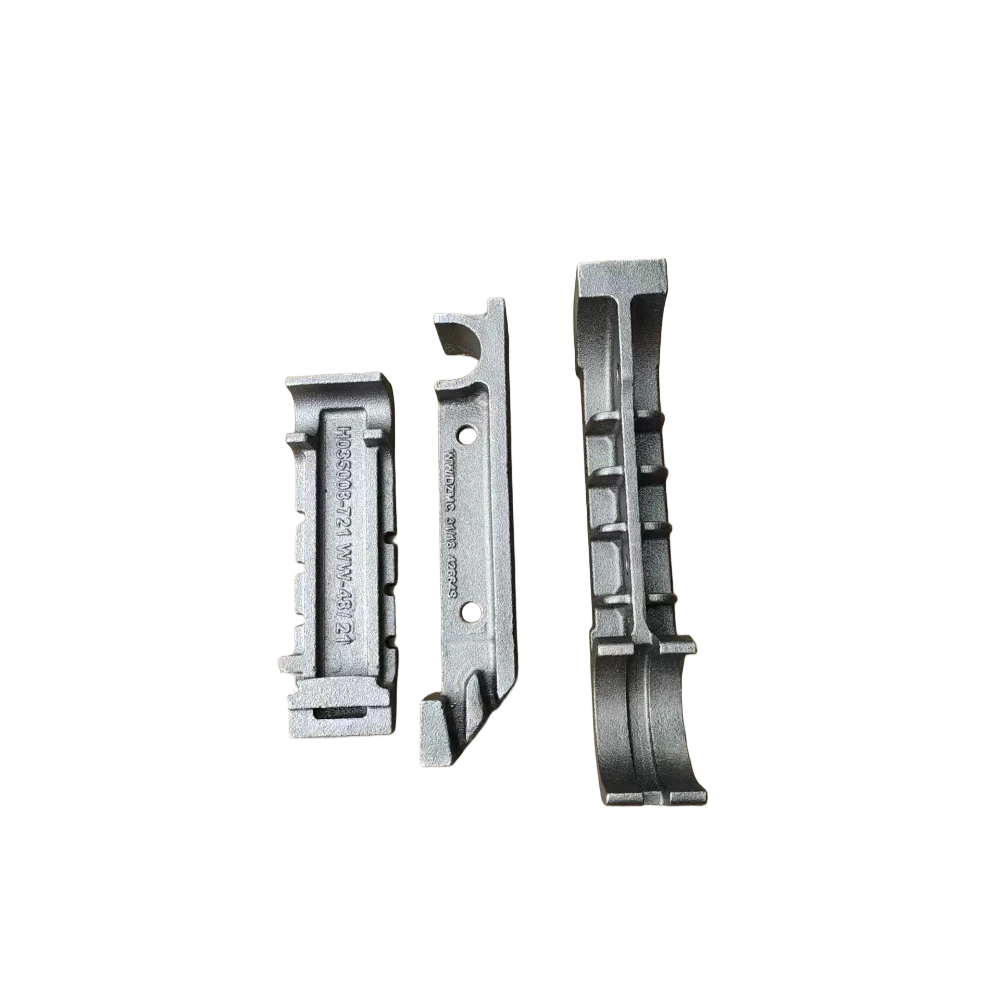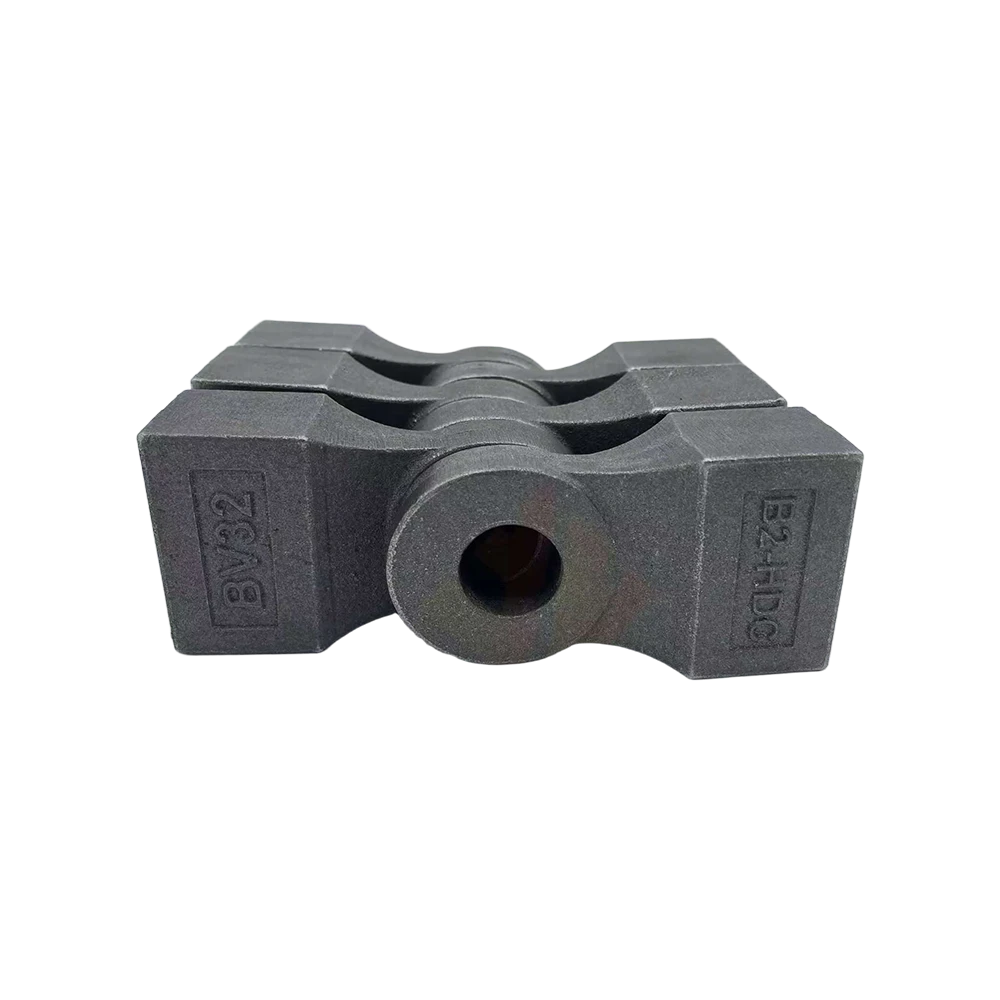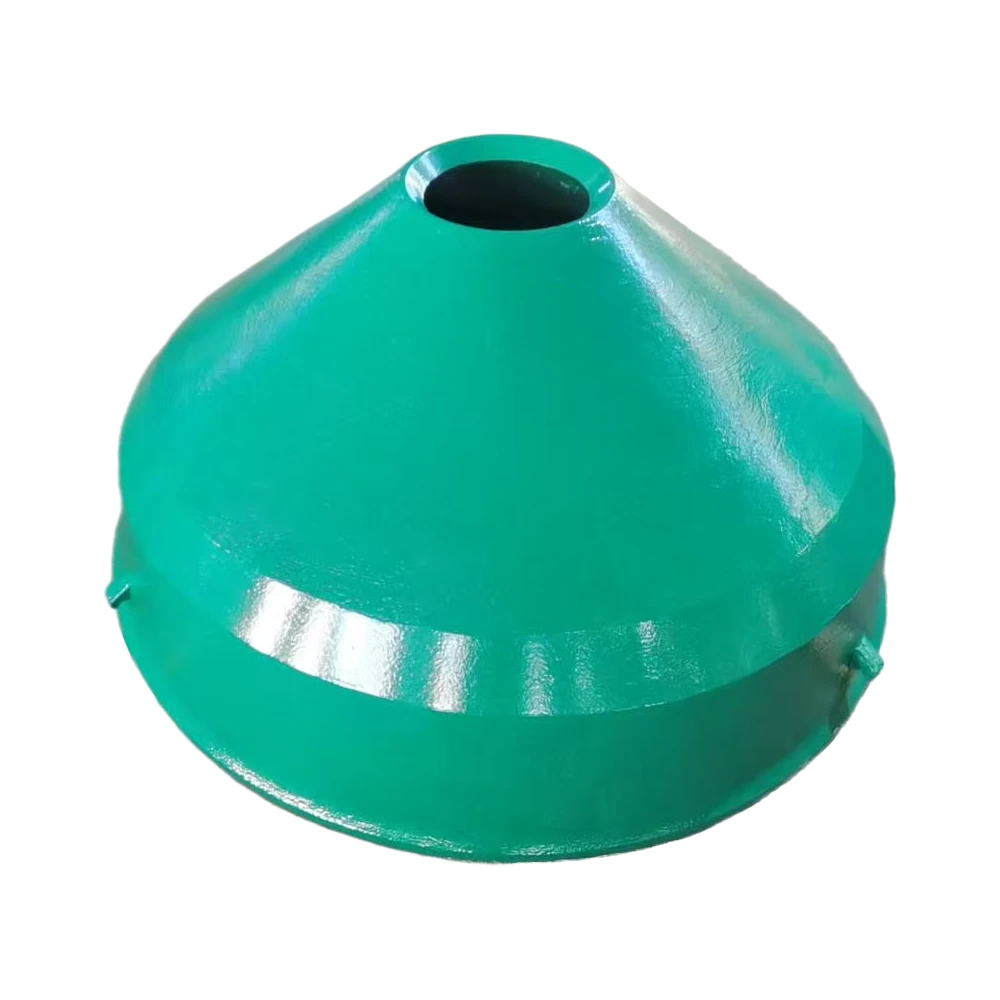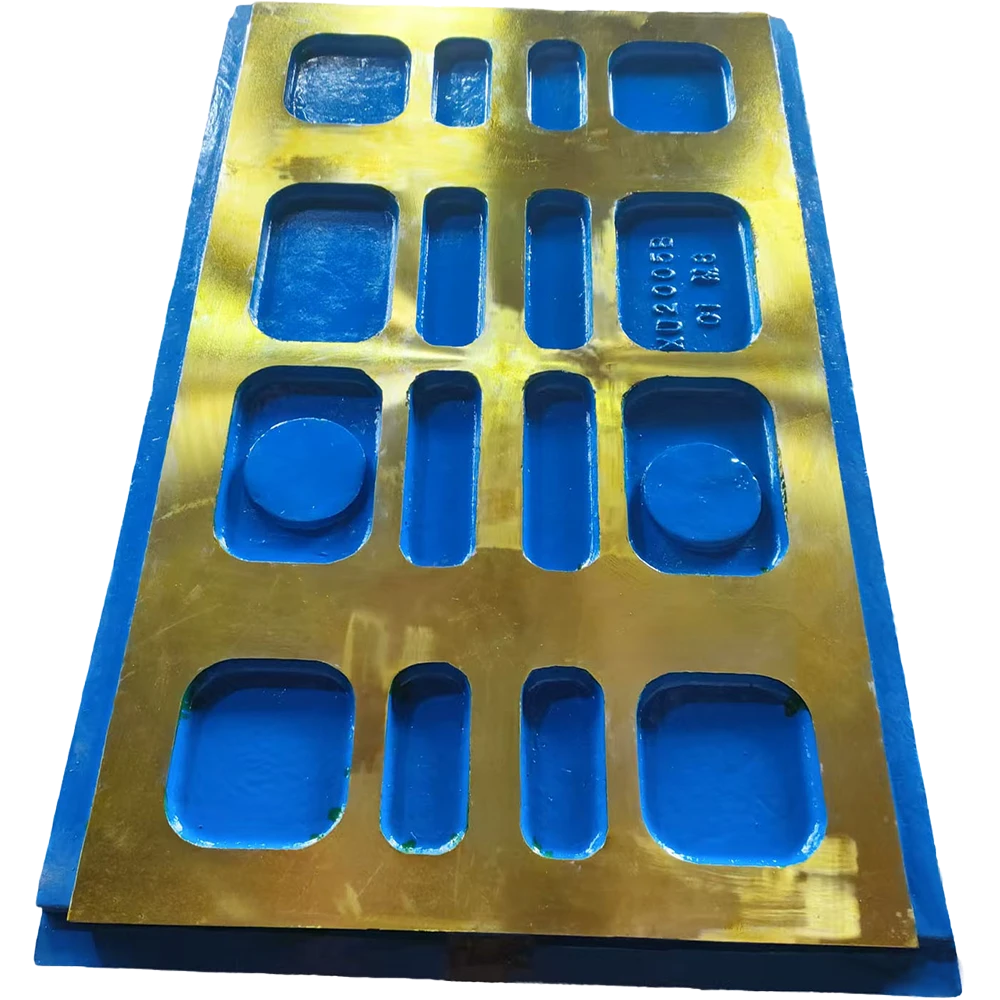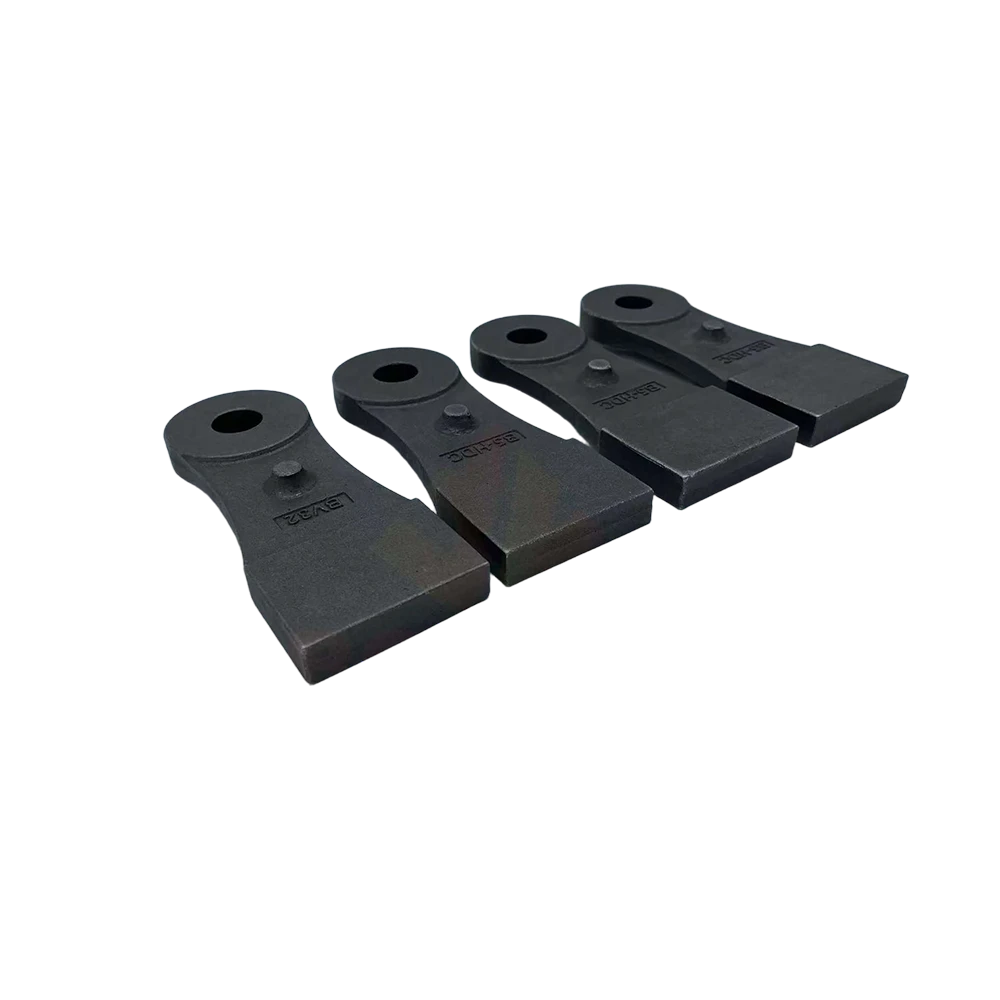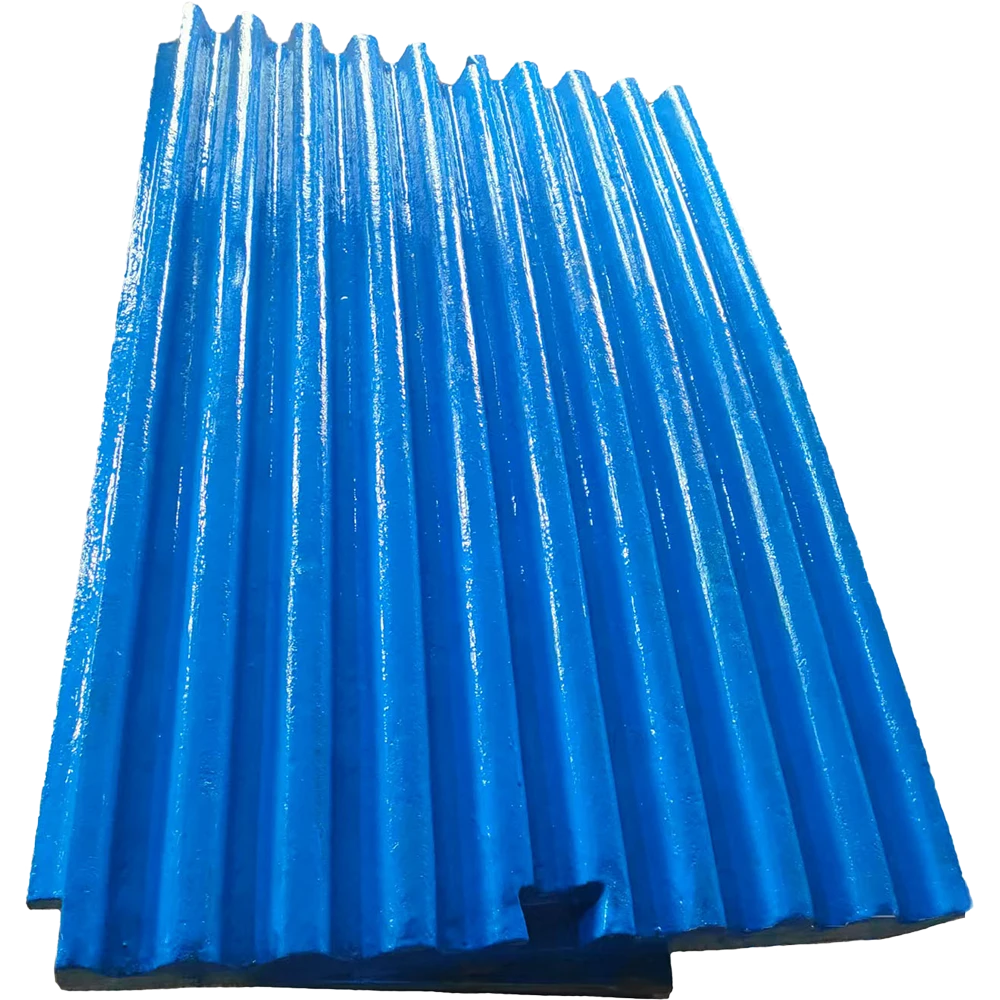
High-Quality Hammer for Crusher | Efficient Crushing Solutions by DZMCCasting
Hammer for Crusher: The Unsung Hero of Crushing Efficiency
At first glance, the term hammer for crusher might not spark much excitement — it sounds pretty straightforward, right? But in the world of industrial processing, it’s a surprisingly crucial component. Globally, industries from mining to construction rely heavily on crushers to break down raw materials efficiently. The hammer—yes, that hefty metal part inside the crusher—directly impacts productivity, costs, and sustainability. If you haven’t thought about how a hammer for crusher might influence entire supply chains, today’s your day.
Understanding this component means companies can optimize their operations, reduce downtime, and meet stricter environmental standards. Let's dig deeper into why this seemingly simple part is actually at the core of modern material handling.
Why Hammer for Crusher Matters Globally
According to the International Organization for Standardization (ISO), the global mining and mineral processing market is expected to grow by roughly 5% annually over the next decade. A big chunk of that growth depends on crushing technology efficiency, and hammers for crushers play a pivotal role here.
Unfortunately, crushing machines often encounter wear-related issues that lead to costly downtime and repairs — a challenge especially acute in remote or high-demand environments. A quality hammer can mean the difference between smooth operations and a stalled production line. Think about large-scale infrastructure projects, post-disaster reconstruction sites, or even sustainable recycling efforts—each hinges on reliable crushing performance.
Quick takeaway:
- Hammer for crusher affects efficiency and operational costs worldwide.
- Its importance grows with standards for sustainable and resilient infrastructure.
What is a Hammer for Crusher?
Simply put, a hammer for crusher is the heavy-duty striking arm inside crushers designed to pulverize materials like rocks, coal, and concrete chunks. Usually made from high-strength steel or alloy, these “hammers” swing or rotate rapidly to break down large particles into manageable sizes.
Modern industry depends on these because they’re not just about brute force — they need precision, durability, and engineering finesse. For humanitarian efforts, such as clearing rubble after earthquakes, efficient crushers equipped with reliable hammers speed up access to safe zones and make debris reuse feasible.
In other words:
Without hammers for crushers, many industrial tasks would slow to a crawl, endangering projects and raising costs.
Core Components and Key Factors to Consider
Durability & Material Composition
Most hammers are forged from manganese steel or chromium alloys. These materials resist wear and impact, vital because crushers operate in abrasive, high-temperature conditions. Many engineers swear by materials that can "self-harden" under stress — meaning the hammer actually gets tougher during use.
Design & Weight Balance
The shape and weight affect how energy transfers to the material being crushed. Oddly enough, a slightly heavier hammer doesn’t always mean better crushing — it can lead to faster wear on other machine parts or inefficient energy use.
Compatibility & Customization
Different crushers—hammer mills, impact crushers, rotor types—demand specific shapes and sizes. Versatile vendors offer custom fitting services or interchangeable parts that match a client’s exact operational profile, minimizing downtime and material waste.
Cost Efficiency & Lifecycle
Initial price tag matters, but so does the hammer’s lifecycle cost. Some expensive hammers outlast multiple cheaper ones, saving money in the long run. This consideration is crucial for projects in remote areas where maintenance isn’t easily available.
Maintenance & Replacement Ease
Innovative designs allow for easier replacement without dismantling the whole crusher—this saves valuable hours and reduces labor costs.
Mini summary:
- Material choice boosts durability and wear resistance.
- Design fine-tuning ensures optimal crushing force and efficiency.
- Customization avoids costly mismatches and downtime.
Real-World Applications of Hammer for Crushers
In mining belts across South America and Africa, crushers with high-quality hammers speed up ore processing and reduce environmental footprint by enabling finer crushing with less power. In Europe, recycling centers depend on impact crushers equipped with specialized hammers to break down concrete for reuse, lowering landfill waste.
Post-disaster reconstruction scenarios in Asia have shown how mobile crushing units — powered by hammers for crushers designed for quick part swaps — can clear rubble rapidly, supporting humanitarian response.
Oddly enough, even in construction hotspots in North America, smaller-scale crushers are gaining attention because their hammers balance portability with performance, ideal for urban demolition projects where noise and dust limitations exist.
Summary takeaway:
- Hammer for crusher technology adapts to multiple industries and geographies.
- Its role in sustainability and humanitarian efforts grows with social demand.
The Advantages and Long-Term Value of a Quality Hammer for Crusher
From a financial standpoint, a durable, well-designed hammer lowers downtime and extends maintenance intervals — critical for keeping projects on schedule. Environmentally, crushing efficiency reduces overall energy consumption and material waste, contributing to sustainability targets.
There’s an emotional side too. Operators trust crushers that feel robust and reliable, easing safety concerns around heavy machinery. For companies, investing in a superior hammer fosters confidence and brand trust, potentially empowering safer workplaces and higher productivity.
Product Specification Table
| Specification | Typical Range | Notes |
|---|---|---|
| Material | Manganese Steel, Chrome Alloy | High wear & impact resistance |
| Weight (kg) | 10 - 50 kg | Depends on crusher model |
| Length (mm) | 150 - 500 mm | Custom sizes available |
| Hardness (HRC) | 45 - 55 HRC | Balance of toughness & wear resistance |
| Replacement Cycle | 6-12 months | Varies with usage intensity |
A Quick Vendor Comparison
| Vendor | Material Options | Customization | Average Lead Time | Pricing |
|---|---|---|---|---|
| DZMC Casting | Manganese Steel, Chrome Alloy | High, custom sizes & design | 4-6 weeks | Competitive |
| Giant Crushers Ltd. | Standard Manganese Steel | Limited | 6-8 weeks | Higher |
| Eco Crusher Supplies | Chrome Alloy with eco-friendly process | Moderate | 5-7 weeks | Medium |
Emerging Trends and Innovations
Digital transformation isn’t leaving crushers behind. Smart monitoring systems now track hammer wear in real-time, alerting maintenance teams before failures occur—preventing costly surprises. Meanwhile, research into composite materials aims to produce hammers lighter yet stronger, cutting energy consumption without compromising durability.
Green energy policies push manufacturers to embrace eco-friendly sourcing and recycling hammers at the end of life. Some companies are already experimenting with “hammer recycling” programs, where worn parts get reclaimed.
Challenges in the Hammer for Crusher Space—and How to Tackle Them
Despite advances, issues like inconsistent wear, supply chain delays for custom parts, and incorrect hammer selection still cause headaches. A great tip many operators swear by: keep a small inventory of standard replacement hammers to avoid operational halts.
Partnering closely with vendors who understand specific crusher brands and use site data to tailor products drastically reduces mismatches. This relationship approach—rather than just a transactional one—is often overlooked but yields huge operational gains.
FAQs About Hammer for Crusher
- What materials are best for hammer for crusher in heavy-duty applications?
- High manganese steel and chromium alloys are the preferred materials due to their exceptional wear and impact resistance. They can endure harsh crushing environments and extend hammer life significantly.
- How often should hammers for crushers be replaced?
- Replacement cycles vary depending on usage but generally fall between 6 to 12 months. Operators monitor wear patterns closely to plan maintenance windows proactively, often aided by condition monitoring sensors.
- Can I customize hammer sizes for specific crusher models?
- Absolutely. Many suppliers, including DZMCCasting, offer custom hammer sizes and weights tailored to your machine’s specifications, improving efficiency and reducing downtime.
- How do hammer designs affect crusher performance?
- Design influences how impact energy transfers during crushing. Balanced hammers enhance crushing force without over-stressing the crusher’s internal components, resulting in smoother operations and longer equipment life.
- Are eco-friendly hammer options available?
- Yes. Emerging options include hammers manufactured with greener processes and materials that are recyclable. Recycling worn hammers also supports sustainability in crushing operations.
In Conclusion: Why a Hammer for Crusher is More Than Just Metal
So, here’s the deal: a hammer for crusher is a humble yet critical piece of machinery that powers some of the world’s most demanding industrial operations. Its right selection, maintenance, and material composition influence not only costs and productivity but also the bigger picture of sustainable industrial growth.
If you want crushing power that’s dependable, efficient, and evolving with industry trends, start paying attention to the hammer inside your crusher. For tailored solutions that fit your needs—whether in mining, recycling, or construction—check out the team at DZMCCasting. They blend engineering savvy with customization options that truly make a difference.
Final thought:
The next time you see rubble turned to gravel or ores crushed flawlessly, remember—it’s the hammer that’s making it happen behind the scenes.
References:
-
High Performance oem cast heat resistant steel for Industrial UseNewsApr.16,2026
-
Guide to Selecting High Quality Cast Heat Resistant Steel AlloysNewsApr.09,2026
-
Custom Cast Heat Resistant Steel Solutions for High Temperature ApplicationsNewsApr.07,2026
-
Comprehensive Guide to Wholesale Cast Heat Resistant Steel for Industrial ApplicationsNewsApr.04,2026
-
Comprehensive Guide to High Performance Heat Resistant Metal Product SolutionsNewsMar.31,2026
-
Expert Guidance on Heat Resistant Metal Quotes and Alloy SelectionNewsMar.28,2026