Nov . 21, 2025 22:31
Back to list
High-Quality Jaw Plate Factory Solutions for Robust Industrial Crushing
Why the Jaw Plate Factory Matters Globally — And Why You Should Care
If you’ve ever been curious about what goes into crushing stones or recycling concrete, then you’re already half-way into understanding the significance of a jaw plate factory. These specialized factories produce the jaw plates—robust metal components—that enable jaw crushers to break down large rocks and materials efficiently. Without them, industries from mining to construction would grind to a halt, literally. Globally, jaw plates have become unsung heroes in sectors that rely on heavy materials processing. From the massive mineral deposits in South America to infrastructure projects underway across Asia, jaw plate factories fuel operations ensuring raw materials get processed timely and safely. The key benefits of getting a grip on this factory’s role? You begin to appreciate industrial supply chains’ fine balance, how small manufacturing hubs connect to massive global projects, and even why certain countries lead in exports of mining equipment.A Global Snapshot: How Jaw Plate Factories Fit Into the Big Picture
To make it evident why jaw plate factories demand attention worldwide, consider this: according to the International Organization for Standardization (ISO 9001), quality manufacturing processes in this sector directly impact both machine longevity and operational safety. Crushing more than 50 billion tons of material yearly worldwide, the mining industry depends on tough, reliable parts. Jaw plates are part of that equation—they affect productivity by dictating crusher performance. Moreover, the World Bank projects increased infrastructure investments, especially in developing countries, meaning demand for crushed aggregates is only going up. Yet challenges persist: frequent jaw plate wear leads to costly downtime and waste. So a well-run jaw plate factory doesn’t just produce parts, it produces solutions for global challenges: faster resource extraction, greater efficiency, and sustainability. Pretty important when global markets are as interconnected as ever.What Exactly Is a Jaw Plate Factory?
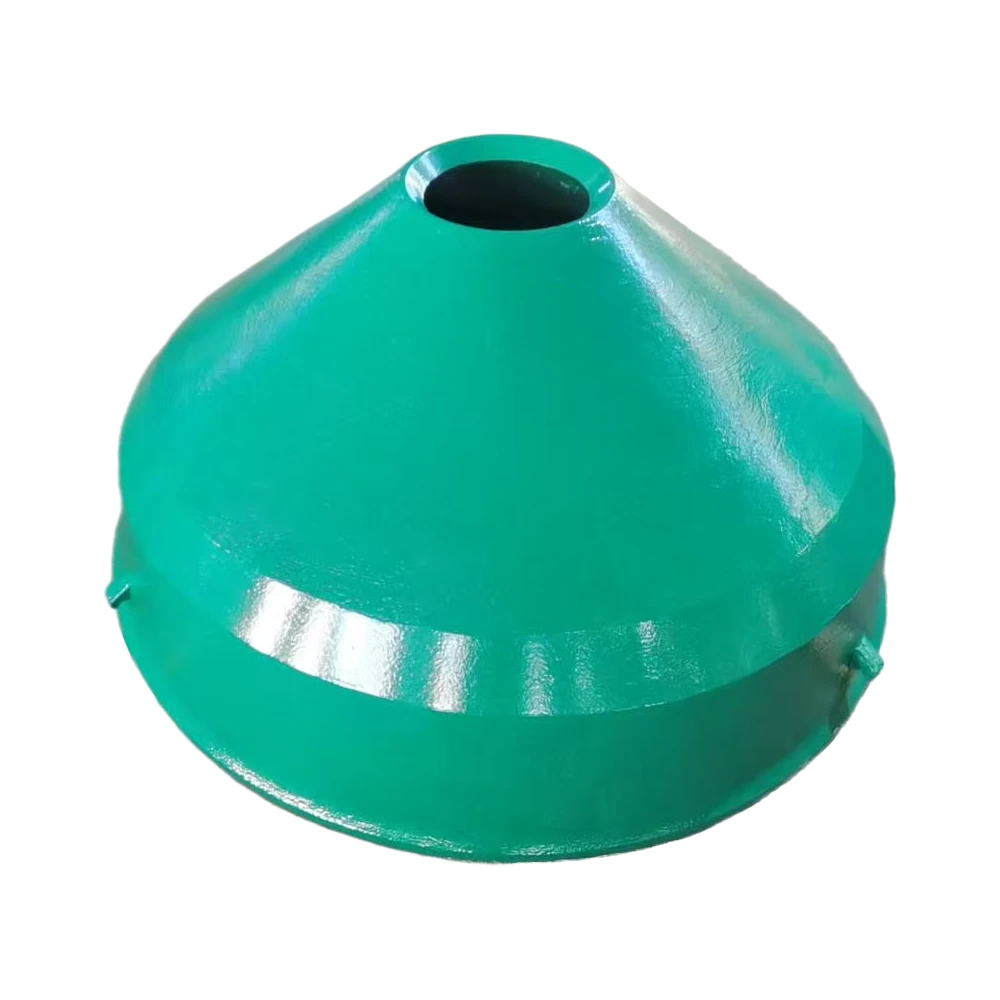
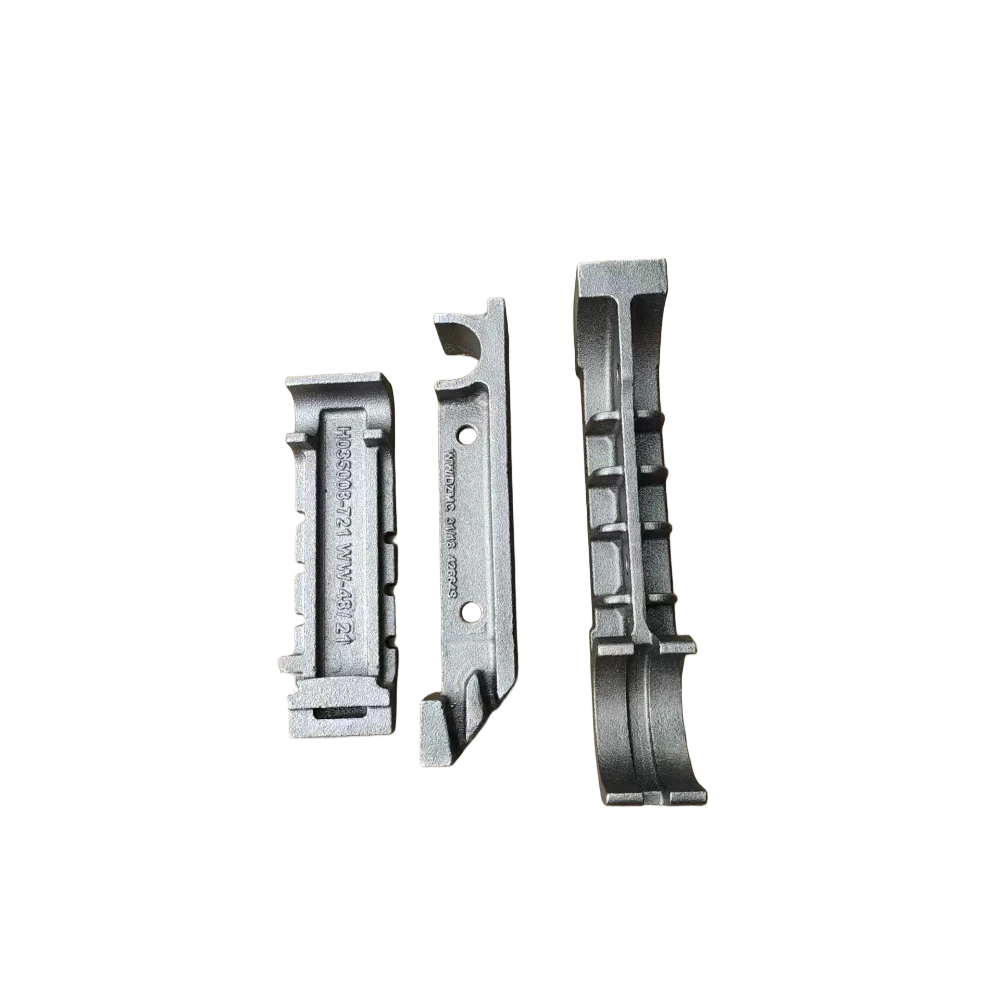
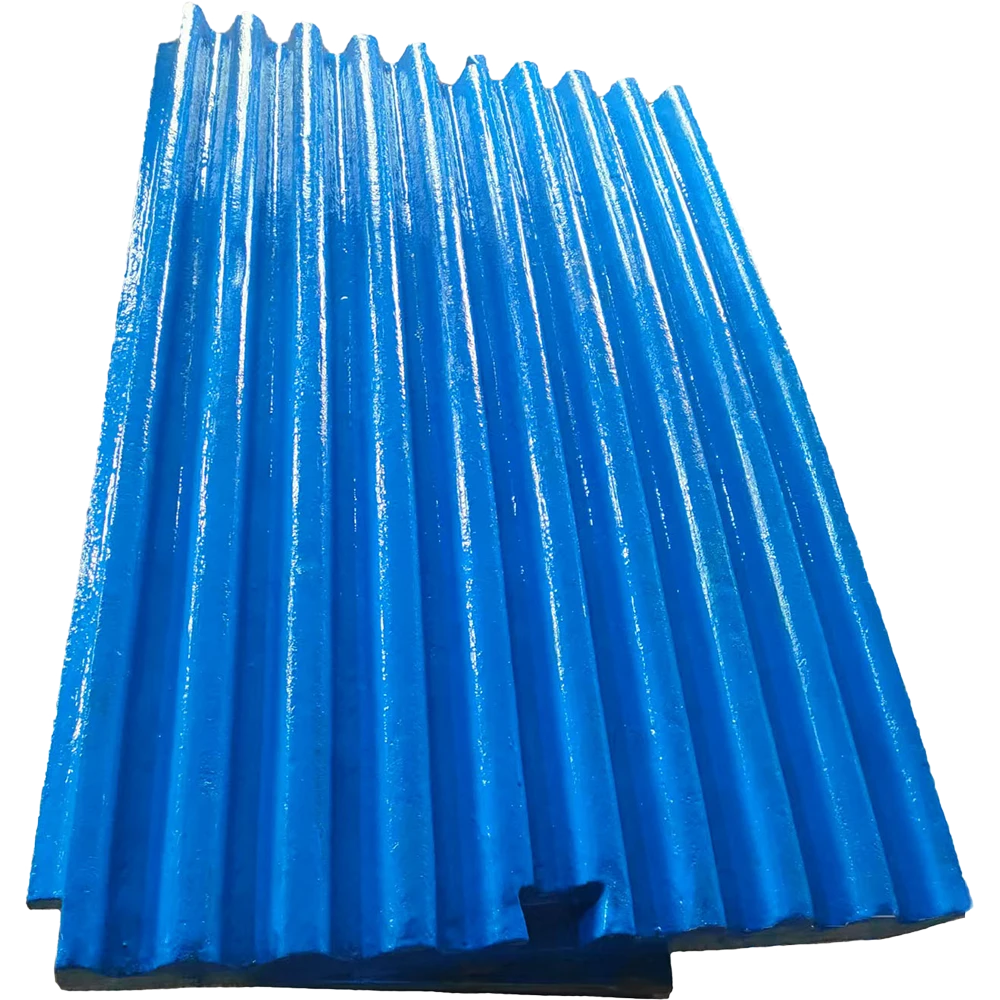
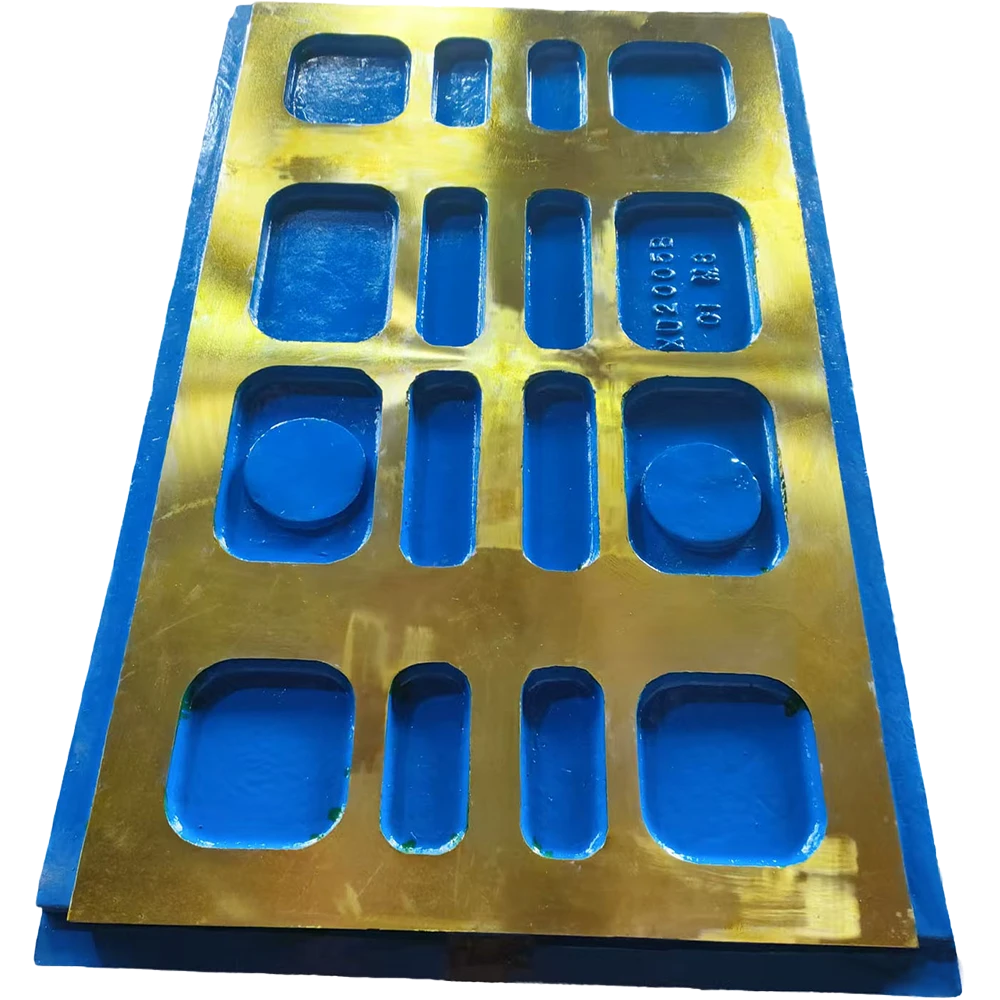
Simply put, a jaw plate factory manufactures jaw plates—those thick curved metal pieces clamped inside jaw crushers. In industrial crushers, these plates crush material by squeezing it between a fixed and a movable plate. The factory’s role is to cast, machine, and harden these parts to withstand extreme abrasion and pressure. Jaw plate factories sit at the intersection of metallurgy, engineering, and manufacturing technology. They supply critical parts to mining, quarrying, recycling, and construction sectors. Their output keeps massive crushers running smoothly, helping produce gravel for roads or minerals needed for electronics and construction materials. The humanitarian side? Think emergency infrastructure rebuilding after disasters, where crushed stone becomes a lifeline to rebuilding efforts.Core Components That Determine Jaw Plate Quality
Durability and Wear Resistance
Jaw plates face constant abrasion. Using high manganese steel alloys or composite materials improves lifespan significantly. This translates into less frequent replacements and smoother workflows.Precision Engineering
The exact shape and fit influence crusher efficiency. Factories use CNC machining to ensure tight tolerances and avoid premature material loss.Heat Treatment Processes
Controlled quenching improves hardness and resistance to cracking. Factories that invest in advanced heat treatment gain a competitive edge.Customization and Scalability
Clients often need jaw plates in varied sizes or shapes for specific crushers. A responsive factory offers tailoring at scale, accommodating small batches or bulk orders.Cost Efficiency
Balancing material and manufacturing costs without sacrificing quality is a tightrope. Efficient factories optimize workflows and source smartly. Mini takeaway: High-quality jaw plate factories balance metallurgy finesse with production savvy, creating a synergy that enhances crusher uptime and productivity.Real-World Applications of Jaw Plate Factories
Jaw plates find homes wherever crushing operations happen: mines extracting iron ore in Australia, limestone quarries in Egypt, demolition sites in the U.S., and brick recycling plants in Europe. For example, in post-disaster relief—like after earthquakes in Southeast Asia—jaw plates enable local crushers to break down rubble rapidly, helping clear debris and provide materials for rebuilding. In remote industrial zones, having reliable jaw plates means the difference between a weekly shutdown or continuous operation. A notable industrial case involved a South African mining company that upgraded jaw plates mid-operation, saving them roughly 20% in energy consumption by improving crusher efficiency. Such improvements often hinge on the factory’s ability to deliver tailored, wear-resistant components promptly.Product Specification Table: Typical Jaw Plate Features
| Specification | Value / Description |
|---|---|
| Material | High manganese steel (13-14% Mn) |
| Heat Treatment | Quenching & Tempering |
| Dimensions | Varies by crusher model; typically 200-1000 mm length |
| Weight | From 5 kg to over 100 kg |
| Surface Hardness | HRC 50–58 |
| Typical Applications | Mining, quarrying, recycling plants |
Comparing Renowned Jaw Plate Manufacturers: Which One Suits You?
| Vendor | Material Quality | Custom Orders | Delivery Time | Price Range |
|---|---|---|---|---|
| DZM Casting Co. | High manganese steel alloys with strict QC | Supports small & bulk customized batches | 4–6 weeks standard; expedited available | Competitive for quality |
| SteelPro Jaw Plates | Manganese with abrasion-resistant coating | Limited customization | 3–5 weeks | Mid to high end |
| Global Crusher Parts | Standard manganese steel only | Bulk orders preferred | 6–8 weeks | Budget options |
Why Investing in Quality Jaw Plates Pays Off — The Long-Term Value
Many engineers say the upfront cost of premium jaw plates is often outweighed by savings downstream. Longer wear life means less machine downtime, fewer replacements, and better energy efficiency. Plus, when crushers perform consistently, plants operate more safely—reducing accidents caused by unexpected failures. On a social level, reliable jaw plate production can boost local economies by sustaining mining jobs and enabling infrastructure projects more efficiently. It’s not just metal; it’s dignity, innovation, and trust in materials supply chains we often take for granted.What’s Next? Innovations on the Horizon for Jaw Plate Factories
Factories are integrating smart manufacturing technologies — like automated casting, 3D metal printing prototypes, and advanced wear testing labs. Meanwhile, eco-conscious buyers push for greener metallurgy: recycled alloy inputs, energy-efficient heat treatment, and zero-waste production lines. Digital transformation allows faster turnaround through predictive analytics—anticipating wear patterns before breakdowns occur. One emerging trend is using AI to optimize alloy mixes tailored for specific crushing applications. This blend of green tech and digital smarts is redefining “factory” itself.Common Challenges and Ways Forward
Despite advances, jaw plate factories face recurring issues: erratic supply chains for key alloys, labor skill shortages, and quality inconsistencies, especially for custom orders. Some factories fall into the trap of price cutting, sacrificing material standards. Industry leaders suggest closer RNG (Raw material-Next-Generation) collaboration and more investment in R&D as vital. Also, many factories partner with local jaw plate factory suppliers to secure steady alloy flows, balancing cost and quality.Frequently Asked Questions About Jaw Plate Factory
A: Match jaw plates to your crusher model and expected material type. Ensure your factory offers tailored sizing and hardness specs.
A: Some wear-levels allow re-machining, but generally, casting new plates ensures optimal performance and safety.
A: Customization request complexity, raw material availability, and heat treatment duration can extend delivery time.
A: Emerging green alloy formulations and factory-level recycling minimize environmental impacts compared to traditional manufacturing.
Wrapping Up: Why The Jaw Plate Factory Should Be on Your Radar
To sum it up, jaw plate factories are fundamental yet often overlooked pillars behind numerous industries and infrastructure worldwide. Their ability to blend metallurgy art with manufacturing precision impacts economic growth, environmental sustainability, and operational safety broadly. If you want to dig deeper or source reliable parts, don’t hesitate to check out jaw plate factory partners who deliver quality with a conscience. After all, durable jaw plates don’t just crush rocks—they crush inefficiency, waste, and downtime. --- ### References 1. ISO 9001 — Quality management systems, International Organization for Standardization 2. World Bank Data on Infrastructure Investment, 2023 3. Industry Wear Mechanics, Mining Technology Journal, 2022Latest news
-
High Performance oem cast heat resistant steel for Industrial UseNewsApr.16,2026
-
Guide to Selecting High Quality Cast Heat Resistant Steel AlloysNewsApr.09,2026
-
Custom Cast Heat Resistant Steel Solutions for High Temperature ApplicationsNewsApr.07,2026
-
Comprehensive Guide to Wholesale Cast Heat Resistant Steel for Industrial ApplicationsNewsApr.04,2026
-
Comprehensive Guide to High Performance Heat Resistant Metal Product SolutionsNewsMar.31,2026
-
Expert Guidance on Heat Resistant Metal Quotes and Alloy SelectionNewsMar.28,2026