High Quality Sintering Machine Parts | Essential Components for Global Manufacturing
Understanding High Quality Sintering Machine Parts: A Global Industrial Backbone
Today’s manufacturing and material-processing industries face a relentless demand for reliability, precision, and efficiency. Central to meeting these demands is the availability of high quality sintering machine parts, which essentially make or break the performance of sintering equipment worldwide. This article dives into what these parts are, why their quality matters globally, and why understanding their role provides real benefits for manufacturers, end-users, and supply chain professionals alike.
Why High Quality Sintering Machine Parts Matter Globally
The sintering process — where powdered materials are heated below melting points to fuse them into solid parts — is pivotal for producing everything from automotive components to aerospace parts and medical devices. According to the International Organization for Standardization (ISO), over 30% of modern metal products derive directly from powder metallurgy techniques, where sintering machines play a key role.[1] Without durable, precise, and reliable machine components, production quality suffers, costs soar, and supply chain stability falters. For industries across Asia, Europe, and the Americas, upgrading to high quality sintering machine parts emerges as a clear path forward to meet tightening global product standards and sustainability goals.
To put it simply: better parts in sintering machines = better products and less downtime. But what exactly makes a sintering machine part "high quality"? Let’s start by unpacking that.
What Are High Quality Sintering Machine Parts?
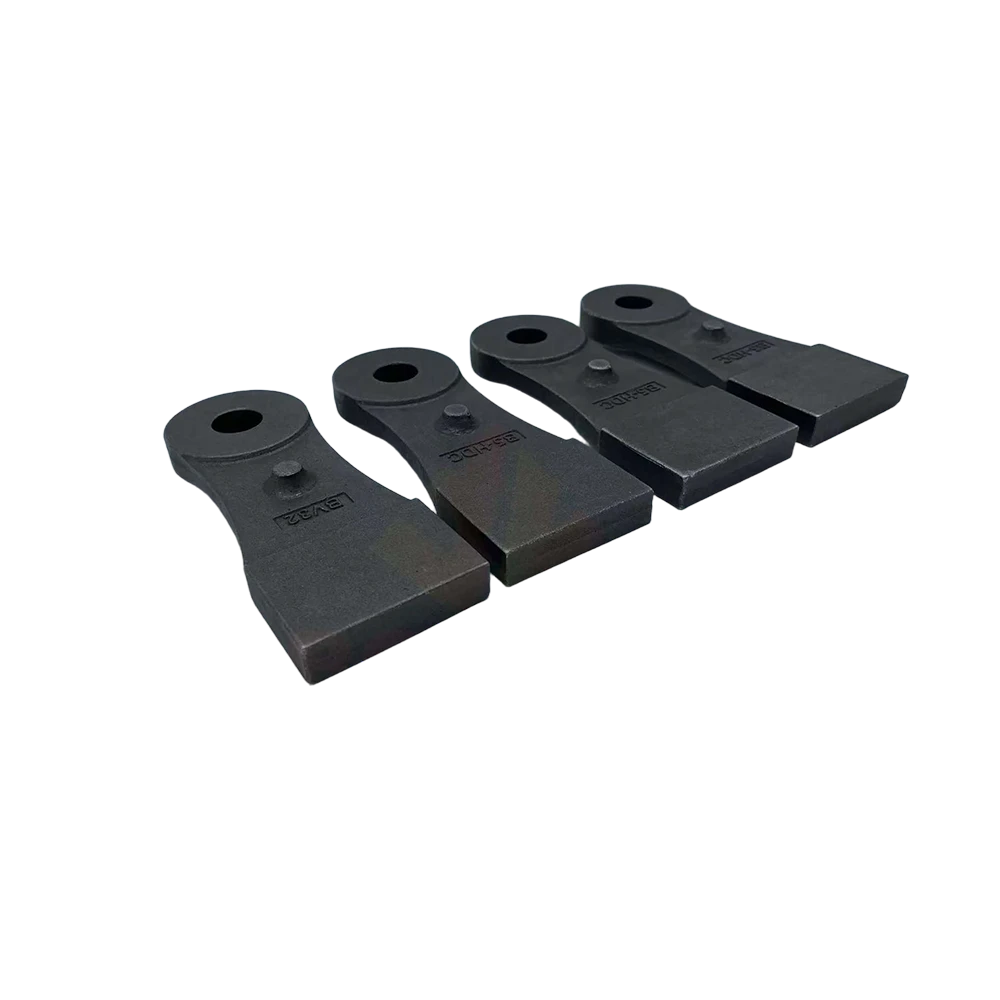
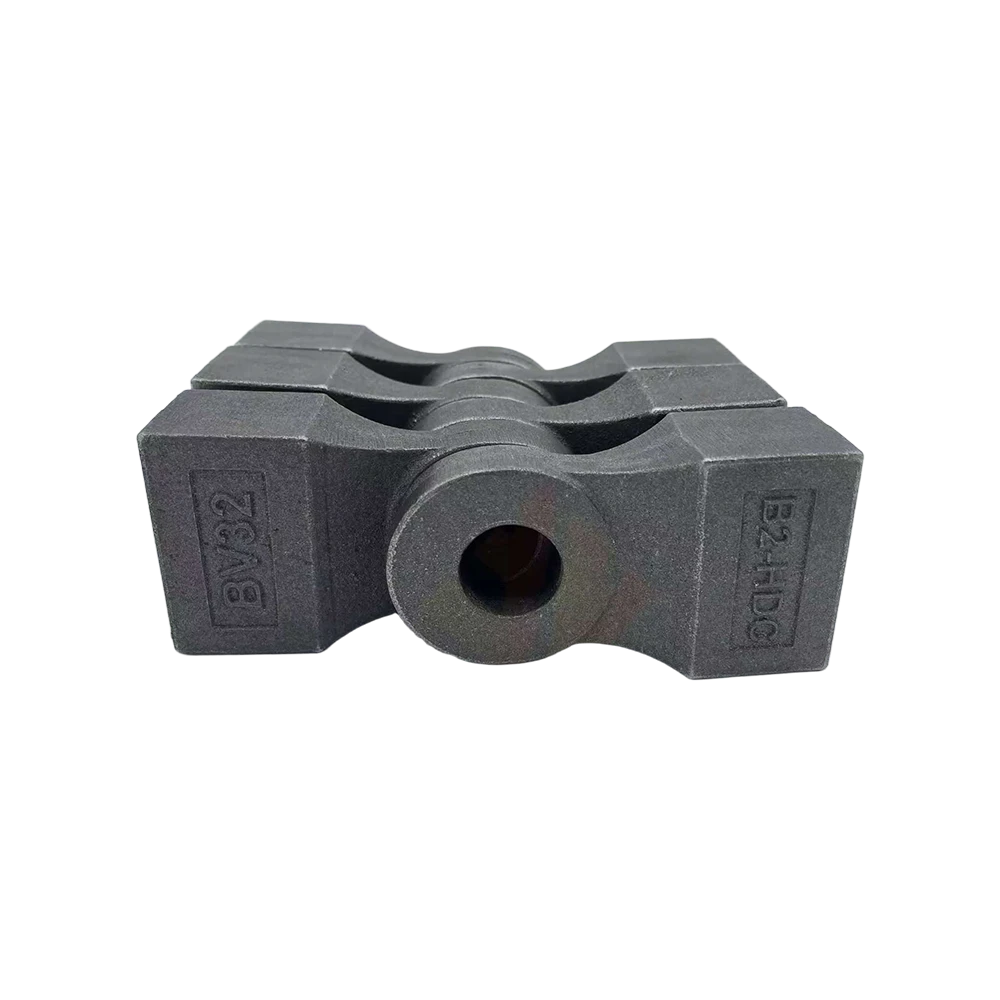
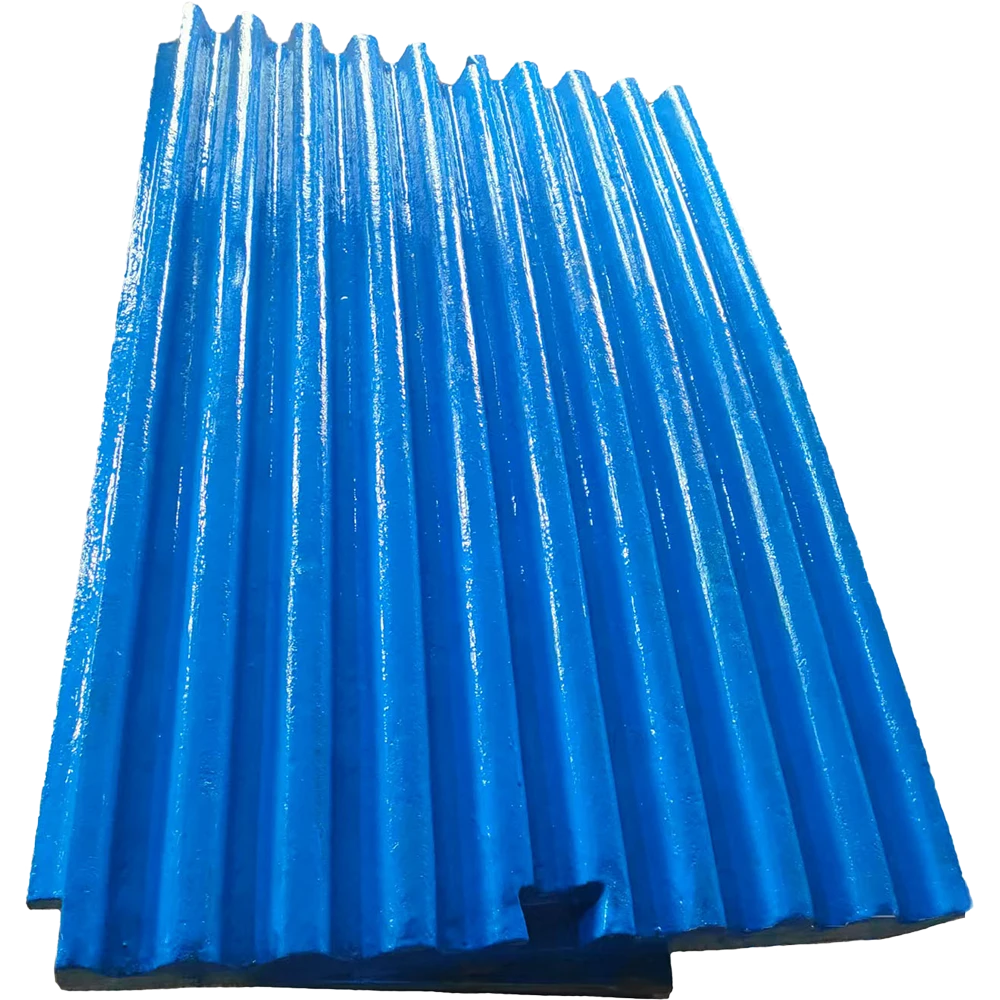
At its core, high quality sintering machine parts are precisely engineered components used in the operation of sintering machines, designed for endurance and consistent performance under extreme heat and mechanical stress. These parts include heating elements, rollers, squeegee blades, furnace seals, and control sensors. Each must resist wear and corrosion, maintain tight tolerances, and contribute to energy-efficient operation.
In modern industry, their importance can't be overstated — these parts link raw powdered materials to finished products with repeated accuracy, critical for just-in-time manufacturing and the growing demand for customized parts. Beyond industry, improving component quality helps humanitarian sectors too. For example, better sintering equipment can enable faster production of customized implants or durable parts needed in disaster relief infrastructure.
Key Factors Defining High Quality Sintering Machine Parts
1. Durability and Heat Resistance
Sintering machines operate at temperatures often exceeding 1300°C (2372°F). Parts must tolerate this without warping or degrading. Materials like molybdenum, tungsten, or specialized ceramics are common for their heat endurance. When durability fails, downtime and production losses spike dramatically.
2. Precision Engineering and Tolerances
Parts like rollers and sensors need exact dimensions and alignments. Slight inconsistencies can cause defects in final products, leading to costly waste. Thus, machining precision — often within microns of tolerance — is crucial.
3. Chemical and Corrosion Resistance
The sintering environment may expose parts to reactive atmospheres or oxidizing conditions. Protective coatings or inherently corrosion-resistant materials extend part life, ensuring consistency.
4. Scalability and Compatibility
Machines vary widely in size and design, so parts must often be customizable or modular. High quality suppliers provide a range covering different machine makes or are willing to do bespoke manufacturing, which is vital for less common or legacy machines.
5. Cost Efficiency and Lifecycle Value
While premium parts may have a higher upfront cost, their extended life and reduced downtime create significant savings long-term, reflecting real value for manufacturers.
High Quality Sintering Machine Parts: Key Specifications at a Glance
| Part | Material | Max Operating Temp | Typical Lifespan |
|---|---|---|---|
| Rollers | High-alloy steel | 1200°C | 12-18 months |
| Heating Elements | Molybdenum alloy | 1400°C | 18-24 months |
| Furnace Seals | Flexible graphite composite | 1100°C | 24 months+ |
| Control Sensors | High-temp ceramic & metal | 1000°C | 12 months |
Mini takeaway: The durability and precision of sintering machine parts directly influence production efficiency and product quality. Selecting parts based on temperature tolerance and material compatibility is key.
Global Applications of High Quality Sintering Machine Parts
Sintering machines serve critical functions across diverse sectors worldwide:
- Automotive industry: Manufacturers in Germany, Japan, and the U.S. use sintering to create lightweight, complex engine and transmission components.
- Aerospace: High precision parts from sintering provide essential strength-to-weight ratios for aircraft and satellites, notably in Canada and France.
- Healthcare: Customized orthopedic implants, often produced in Switzerland and South Korea, rely on high quality sintering machine parts to maintain sterility and material integrity.
- Energy sector: In India and China, sintering supports production of battery components and fuel cells integral to renewable energy shifts.
For example, in remote industrial zones of South America, reliable sintering components cut machine shutdowns — thus enabling continuous production and reducing costly repairs.
Mini takeaway: Where high quality sintering components are deployed, industries experience fewer failures and greater output reliability, sometimes even helping sustain local economies in less developed areas.
Advantages and Long-Term Value of Quality Sintering Parts
On the surface, investing in premium components may seem costly. However, the tangible long-term benefits make the case:
- Cost savings: Reduced maintenance and downtime mean less financial waste.
- Sustainability: Longer-lasting parts decrease waste and energy use associated with frequent replacements.
- Social impact: Reliable machinery raises workforce safety and product consistency, enhancing brand trust.
- Innovation enablement: High quality parts support advanced sintering techniques, like additive manufacturing hybrid processes.
The Future: Trends and Innovations
Looking ahead, the industry gravitates toward digital integration and sustainability. Smart sintering machine parts embedded with sensors allow predictive maintenance, minimizing unplanned stops. Manufacturers also explore greener materials and coatings reducing toxic waste. Moreover, automation combined with AI optimizes process parameters in real time. These shifts will demand even higher performance and adaptability from sintering machine parts.
Challenges and How Experts Tackle Them
However, challenges remain: sourcing heat-resistant materials with consistent quality, adapting parts to newer machines, and balancing cost pressures. Industry leaders leverage advanced metallurgy, lean manufacturing, and collaboration with vendors for tailored solutions. Their approach is careful testing and validation following standards like ISO/TS 16949, ensuring parts can face demanding environments reliably.
Vendor Comparison: Leading Suppliers of High Quality Sintering Machine Parts
| Vendor | Material Quality | Customization | Support & Warranty | Typical Lead Time |
|---|---|---|---|---|
| DZM Casting | Premium alloys and composites | Full bespoke service | 2 years warranty, 24/7 support | 4-6 weeks |
| Global Sinter Parts | Industry standard steels | Limited customization | 1 year warranty, business hrs | 6-8 weeks |
| Innovate Sinter Tech | Advanced ceramic coatings | Modular options | 18 months warranty, limited support | 5 weeks |
Mini takeaway: Choosing the right vendor depends on your specific material needs, turnaround times, and degree of customization. For tailored, high-performance parts, DZM Casting often leads the pack.
FAQ: Frequently Asked Questions About High Quality Sintering Machine Parts
Q1: How can I tell if the sintering machine parts are truly high quality?
Look for manufacturers who provide detailed material certifications, follow international standards (like ISO/TS 16949), and offer warranties with reliable client references. Testing reports detailing temperature resistance and durability are also good indicators.
Q2: What is the average lifespan of these parts under normal industrial conditions?
Lifespan varies by part type and usage, but typically ranges from 12 to 24 months. Proper maintenance and operation can extend this. High temperatures and corrosive atmospheres accelerate wear, so quality and environment matter greatly.
Q3: Are customized sintering parts worth the investment?
Yes, especially if your machine is unique or you aim to optimize production processes. Custom parts can improve machine compatibility, reduce downtime, and ultimately lower total costs despite higher initial investment.
Q4: How do I ensure compatibility with my existing machine?
Provide precise machine specifications and part measurements to suppliers. Good vendors will work closely with you, sometimes offering on-site assessment or engineering support to ensure fit and function.
Q5: Is it possible to import these high quality parts internationally?
Absolutely. Many vendors, including DZM Casting, have experience with international shipping and compliance. Clarify import regulations early and request documentation to avoid delays.
Conclusion: Investing in High Quality Sintering Machine Parts Pays Off
In real terms, when it comes to sintering machines, parts quality isn’t something to cut corners on. The impact touches everything from production continuity to cost control and product integrity. As industries worldwide push toward smarter, greener manufacturing, upgrading to high quality sintering machine parts presents an obvious, future-proof advantage.
If you’re seeking trusted suppliers or want to learn more about options tailored to your needs, don’t hesitate to visit our website. Reliable components mean reliable manufacturing — it really is that simple.
Final reflection: Sintering isn’t glamorous, but it’s foundational. The right parts keep these machines humming — quietly powering a world increasingly reliant on precision and durability.
References
-
High Performance oem cast heat resistant steel for Industrial UseNewsApr.16,2026
-
Guide to Selecting High Quality Cast Heat Resistant Steel AlloysNewsApr.09,2026
-
Custom Cast Heat Resistant Steel Solutions for High Temperature ApplicationsNewsApr.07,2026
-
Comprehensive Guide to Wholesale Cast Heat Resistant Steel for Industrial ApplicationsNewsApr.04,2026
-
Comprehensive Guide to High Performance Heat Resistant Metal Product SolutionsNewsMar.31,2026
-
Expert Guidance on Heat Resistant Metal Quotes and Alloy SelectionNewsMar.28,2026