Impact Crusher Parts: Durability, Innovation & Global Importance in Crushing Technology
Understanding Impact Crusher Parts: Core Components Powering Modern Industry
Impact crusher parts might not be the flashiest topic at a dinner party, but their role in global industry is surprisingly vital. From mining to construction, these components keep the gears turning—and by extension, help build the infrastructure every society relies on. Understanding what impact crusher parts are, why they matter globally, and the benefits they bring isn’t just for engineers or equipment buyers—it’s a glimpse into how we shape materials and, frankly, modern life itself.
Why Impact Crusher Parts Matter Globally
The global mining and construction sector is booming, fueled by rapid urbanization and infrastructure expansion across continents. According to the World Bank, over 55% of the world’s population lives in urban areas, expected to rise to 68% by 2050. This unprecedented growth means the demand for crushed stone, aggregates, and recycled material is skyrocketing—materials processed by impact crushers daily.
Impact crusher parts are crucial because they withstand intense stress while breaking down rocks and construction debris. There’s a global challenge here: improving the durability and efficiency of these parts not only reduces downtime but also cuts energy consumption and waste.
What Exactly Are Impact Crusher Parts?
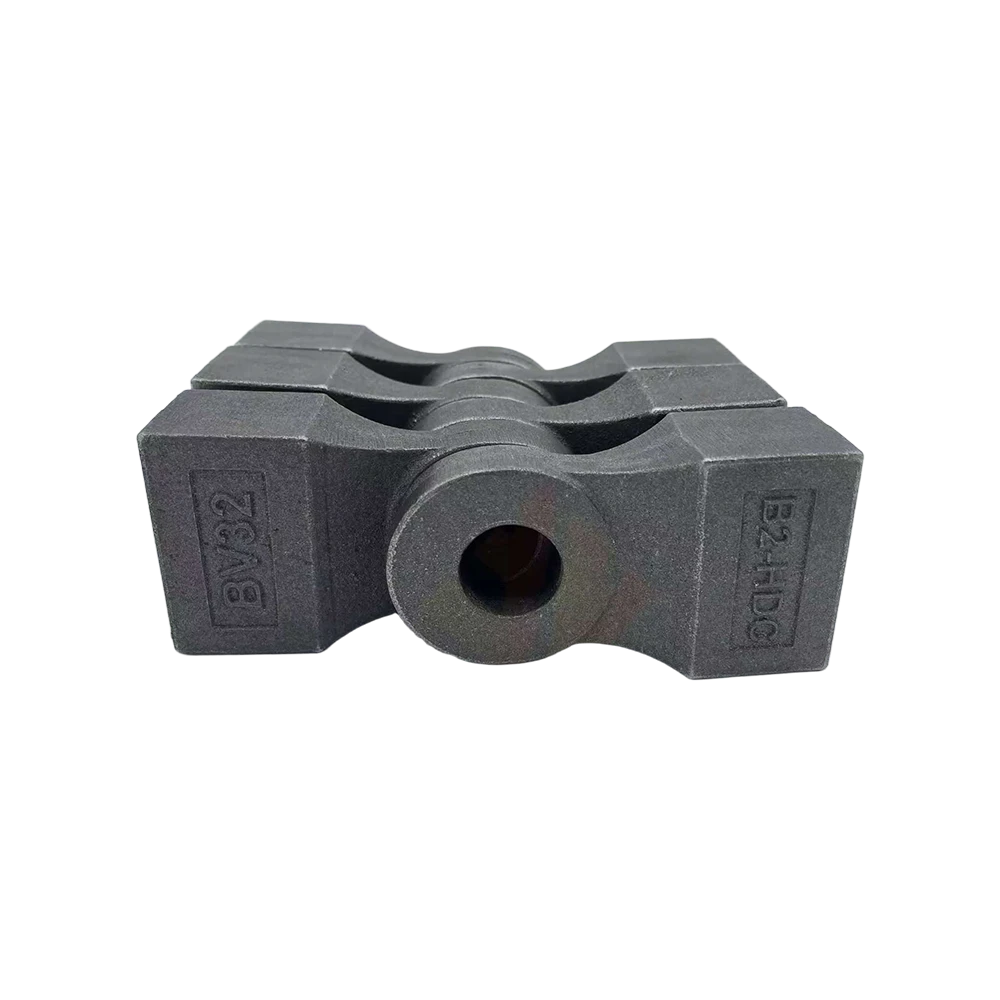
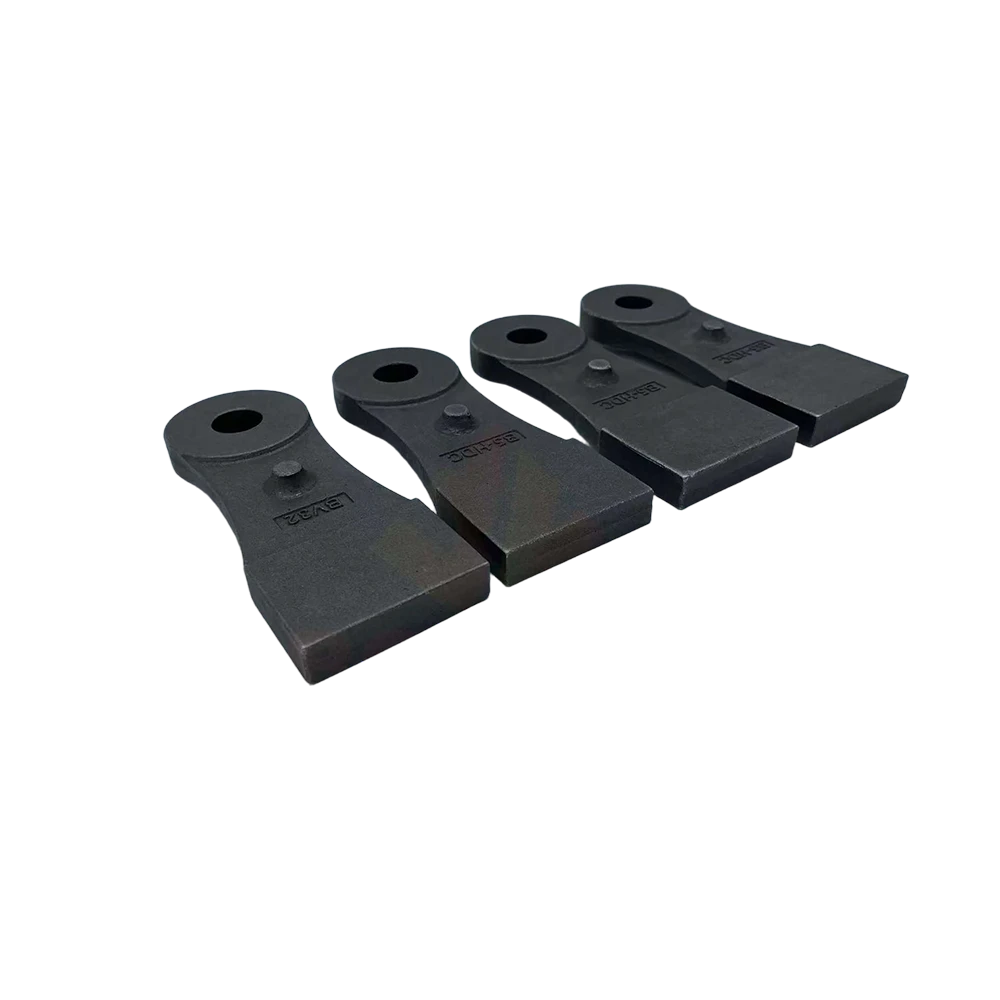
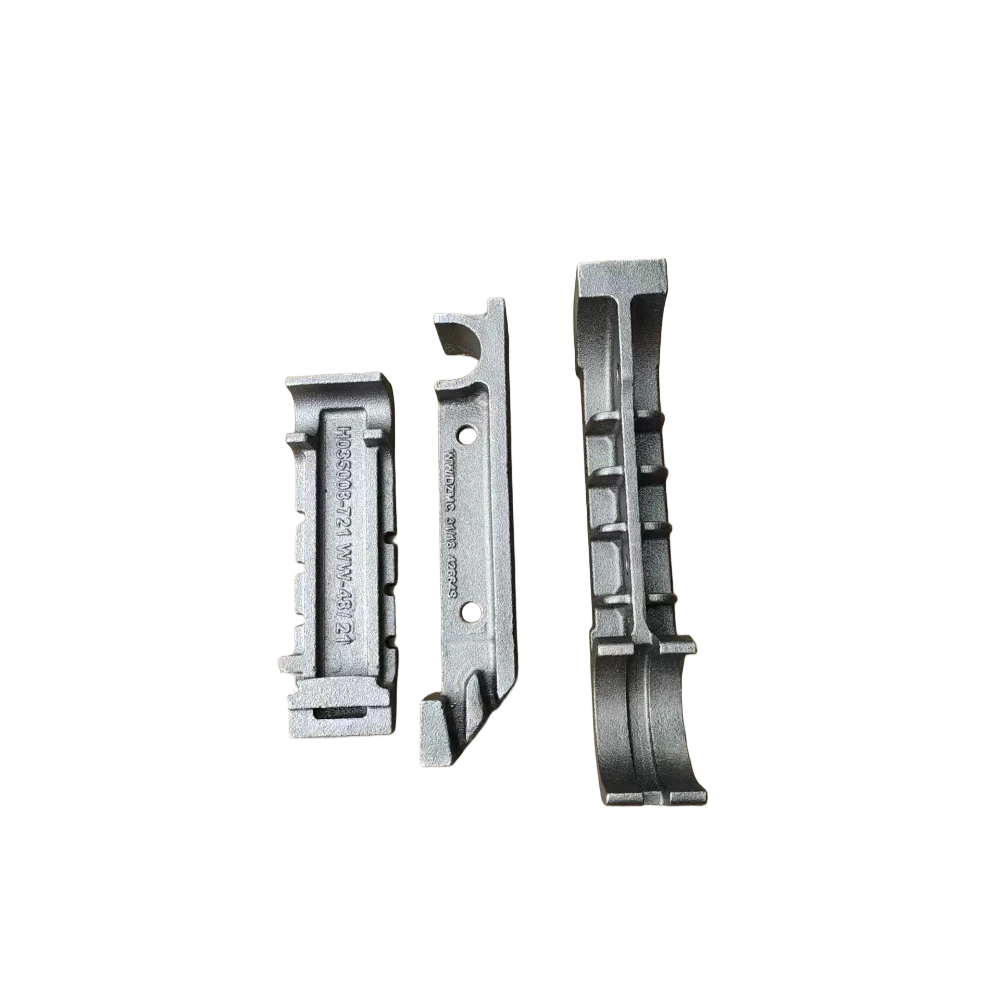
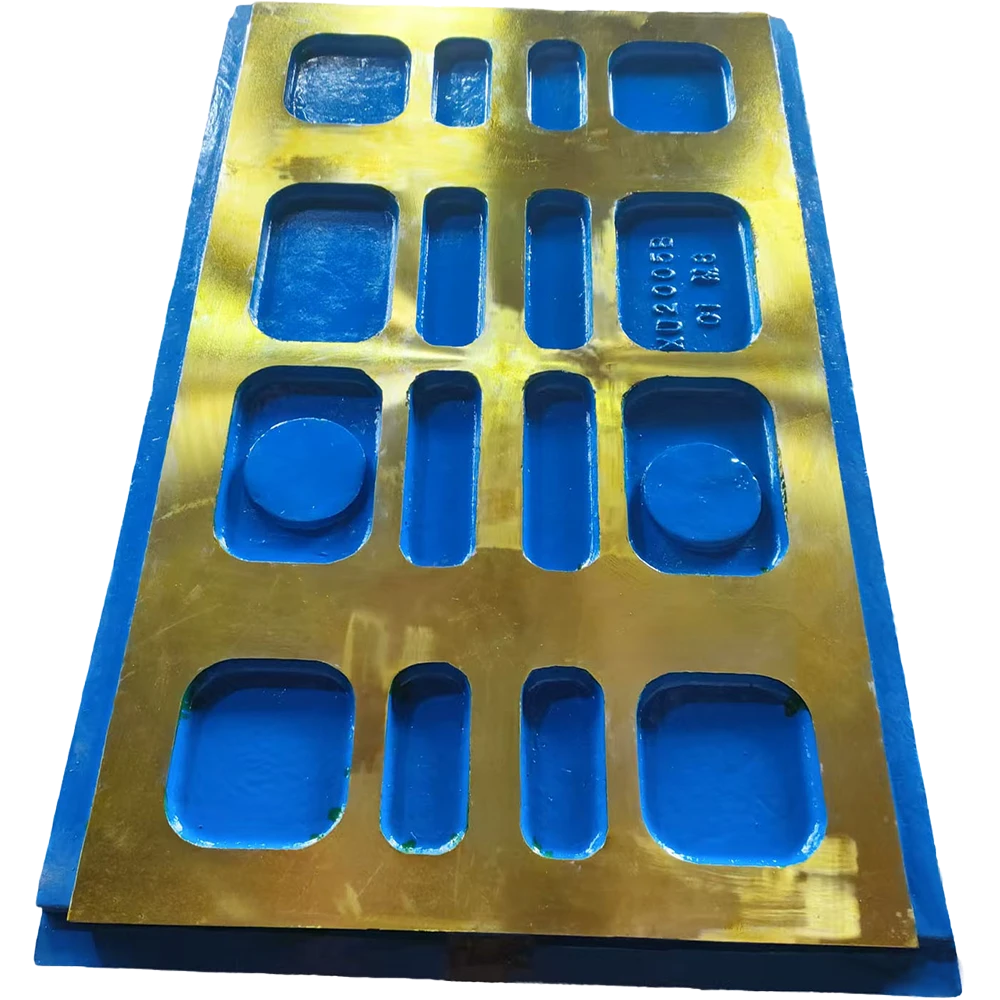
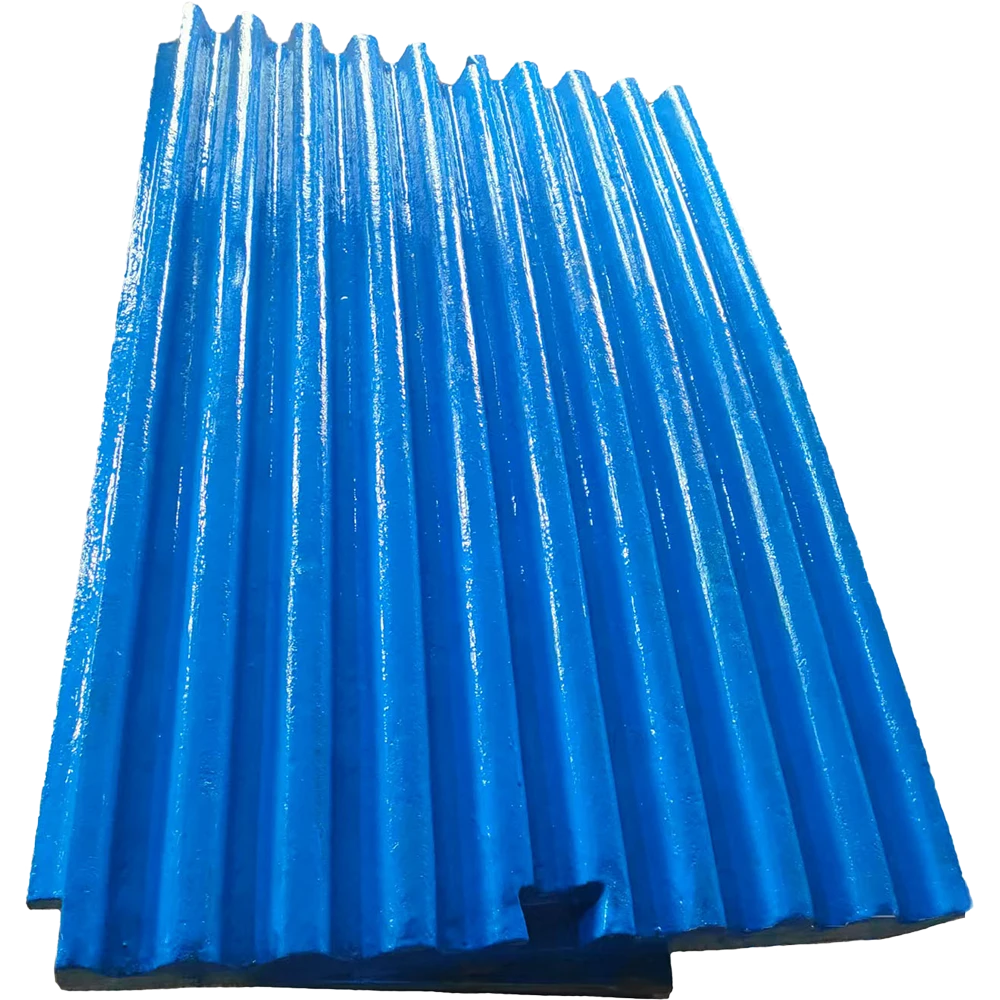
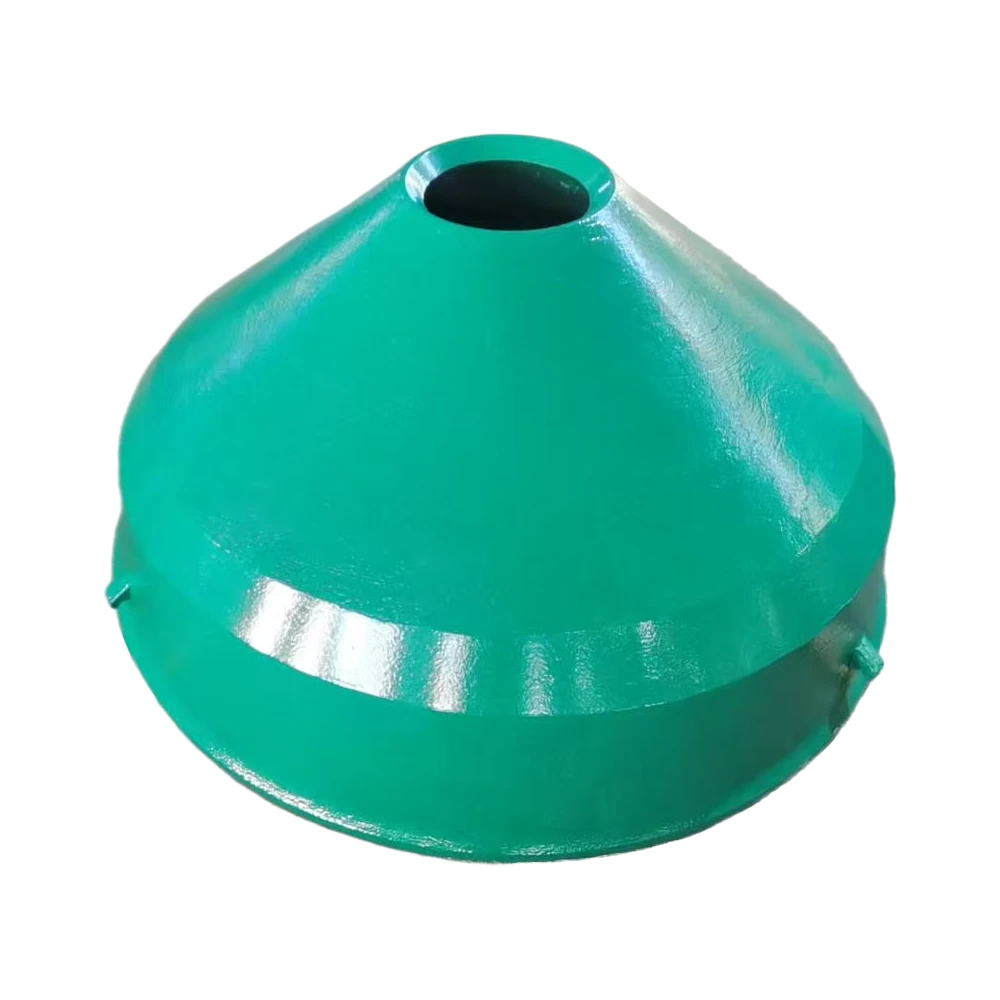
Simply put, impact crusher parts are the replaceable components inside an impact crusher—a machine that breaks materials by striking them with high-speed impact force rather than pressure alone. The main parts include blow bars (or hammers), impact plates, rotor assemblies, and wear-resistant liners. You can think of it as a very specialized hammer and anvil combo, optimized for continuous, heavy-duty pounding.
This technology links closely to humanitarian and industrial needs—for example, recycling materials post-disaster or supplying construction in developing regions where infrastructure can literally mean the difference between prosperity and hardship.
Key Features of Impact Crusher Parts
1. Durability
These parts face brutal conditions: abrasive rocks, repeated impacts, and exposure to dust and heat. Manufacturers focus on materials like high manganese steel or alloy composites that resist wear and cracking. Durability means less frequent replacements and more uptime.
2. Efficiency
The design of blow bars and impact plates influences how effectively the machine breaks down materials. Efficient parts reduce energy needs and improve throughput—important not only for saving fuel but also for reducing the environmental footprint.
3. Cost-effectiveness
Finding a balance between initial investment, durability, and maintenance costs is key. High-end parts may cost more upfront but ultimately lower operating expenses. This trade-off is something plant managers wrestle with regularly.
4. Scalability & Availability
Impact crusher parts come in various sizes and specifications to fit different machines, from small portable crushers for remote projects to massive industrial crushers employed by global mining firms. Availability can be a challenge, especially in remote areas where delays directly affect project timelines.
Global Applications & Real-World Use Cases
- Mining Operations in Australia and South Africa: Impact crusher parts help process hard ores and minerals, increasing productivity in tough conditions.
- Post-Disaster Reconstruction: In earthquake-hit regions, mobile crushers with robust parts quickly recycle concrete rubble, accelerating rebuilding efforts.
- Urban Recycling Initiatives: European cities use impact crushers to handle construction waste, reducing landfill use and lowering carbon emissions.
These examples show how impact crusher parts, though behind-the-scenes, support industries that keep societies running.
Mini takeaway:
Impact crusher parts are essential to crushing efficiency and sustainability across many critical industries worldwide—offering durable, efficient, and adaptable solutions.
Advantages and Long-Term Value of Quality Impact Crusher Parts
Using premium impact crusher parts translates to several tangible advantages:
- Reduced Downtime: Longer-lasting parts mean fewer stops for maintenance.
- Cost Savings: Lower energy consumption and less frequent replacements add up financially.
- Environmental Benefits: Efficient crushing reduces waste and supports recycling, fulfilling global sustainability goals.
- Enhanced Safety: Reliable parts lower the risk of unexpected failures, ensuring operator safety.
Beyond the numbers, there’s something reassuring about partnering with trusted parts suppliers—trust that your equipment won’t let you down when it counts.
Future Trends & Innovations in Impact Crusher Parts
The industry is seeing exciting developments:
- Advanced Materials: New alloys and composite materials are pushing durability further.
- Digital Monitoring: Sensors embedded in crusher parts can provide real-time wear data, predicting replacements before breakdowns happen.
- Green Technology: Improved crusher designs coupled with fuel-efficient engines reduce environmental impact substantially.
- Automation: Incorporating AI and robotics in maintenance predicts wear and schedules replacements, minimizing human error.
Challenges and How the Industry is Addressing Them
Hauling parts to remote sites, managing wear-related downtime, and balancing cost versus performance remain the toughest hurdles. Yet initiatives like localized production facilities and modular parts design help mitigate these issues. Moreover, impact crusher parts vendors increasingly offer rapid shipping and customization, recognizing that every project has unique demands.
Product Specification Table: Typical Impact Crusher Parts
| Part | Material | Estimated Lifespan | Typical Use |
|---|---|---|---|
| Blow Bars | High manganese steel or alloy steel | 6-12 months depending on workload | Primary rock breaking |
| Impact Plates | Manganese steel, heat-treated | 8-15 months | Material impact absorption |
| Rotor Assembly | Forged steel | 12-18 months | Material acceleration |
| Wear-resistant Liners | Alloy composites or rubber-infused steel | 10-20 months | Protect crusher housing |
Vendor Comparison Table: Leading Suppliers of Impact Crusher Parts
| Supplier | Product Range | Customization Support | Lead Time | Global Presence |
|---|---|---|---|---|
| DZMC Casting | Comprehensive (blow bars, impact plates, rotors) | High (custom dimensions, alloys) | 2-4 weeks | Asia, Europe, Americas |
| Metso Outotec | Extensive, including complete crushers | Medium (standard sizes mainly) | 3-6 weeks | Global |
| Sandvik | Blow bars and liners | Limited | 2-5 weeks | Global |
FAQs About Impact Crusher Parts
Q: How do I know when to replace impact crusher parts?A: Look out for decreased crushing performance, strange noises, or visible wear on the blow bars and impact plates. Many operators find it helpful to set up scheduled inspections—waiting too long can cause damage to other components.
Q: Can I customize impact crusher parts for unusual materials?A: Yes, many suppliers offer custom alloy blends and dimensions to optimize parts for abrasive or sticky materials, improving lifespan and efficiency.
Q: Are impact crusher parts recyclable?A: To an extent. Some parts can be remelted and repurposed, but recycling depends on the material composition and contamination. Sustainability practices are evolving in this area.
Q: What is the lead time for ordering impact crusher parts?A: This varies widely—from a few days for common parts to several weeks for custom orders. Suppliers like DZMC Casting often provide faster turnaround options.
Conclusion: The Lasting Impact of Impact Crusher Parts
Impact crusher parts quietly but critically support industries that fuel economies and rebuild communities worldwide. Their durability, efficiency, and evolving innovation make them a cornerstone of modern crushing technology. If your projects hinge on reliable breaking and recycling, investing in quality parts—and trusted suppliers like DZMC Casting—is not just smart, it’s essential.
Feel free to explore further on our website to discover the range of impact crusher parts tailored for your unique needs.
Oddly enough, when you think about it, these parts are a small yet mighty link in our global chain of progress...
References
-
High Performance oem cast heat resistant steel for Industrial UseNewsApr.16,2026
-
Guide to Selecting High Quality Cast Heat Resistant Steel AlloysNewsApr.09,2026
-
Custom Cast Heat Resistant Steel Solutions for High Temperature ApplicationsNewsApr.07,2026
-
Comprehensive Guide to Wholesale Cast Heat Resistant Steel for Industrial ApplicationsNewsApr.04,2026
-
Comprehensive Guide to High Performance Heat Resistant Metal Product SolutionsNewsMar.31,2026
-
Expert Guidance on Heat Resistant Metal Quotes and Alloy SelectionNewsMar.28,2026