Dec . 13, 2025 12:35
Back to list
Jaw Crusher Cheek Plates – Durable Protection for Heavy-Duty Crushers
Why Jaw Crusher Cheek Plates Matter More Than You Might Think
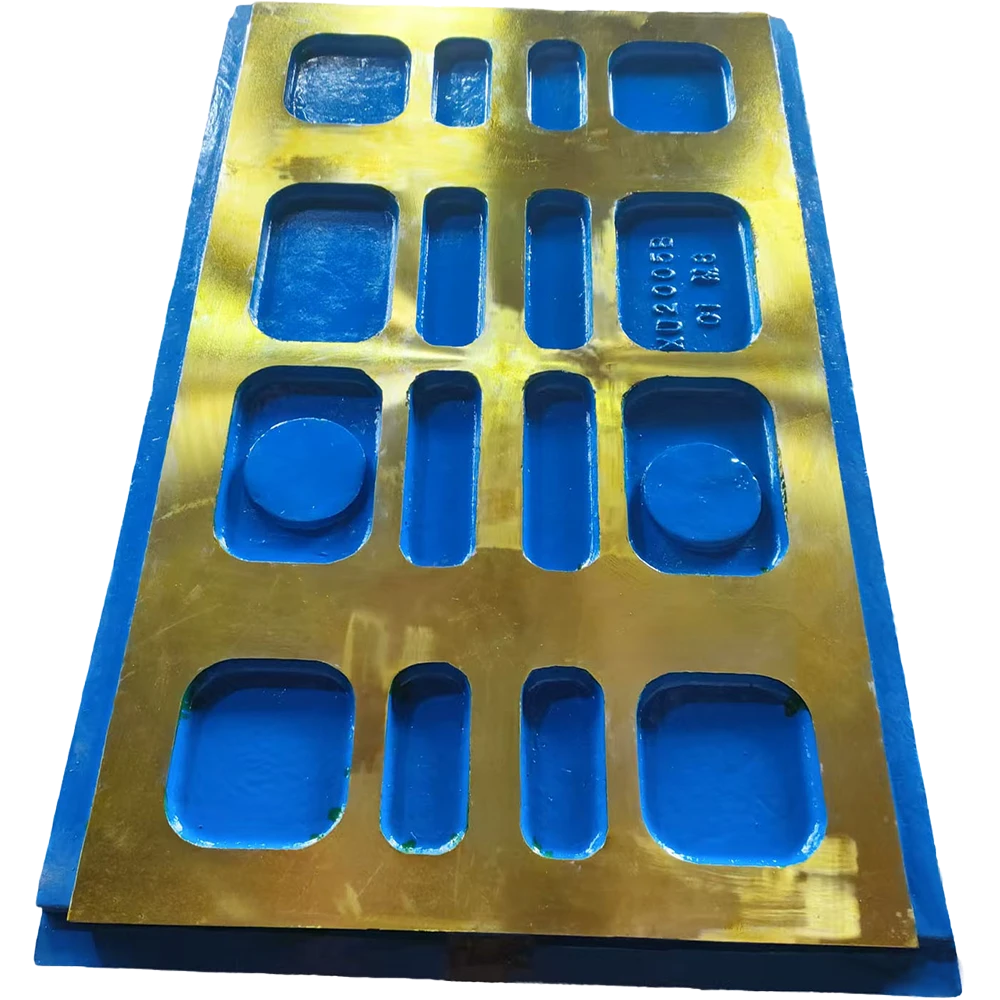
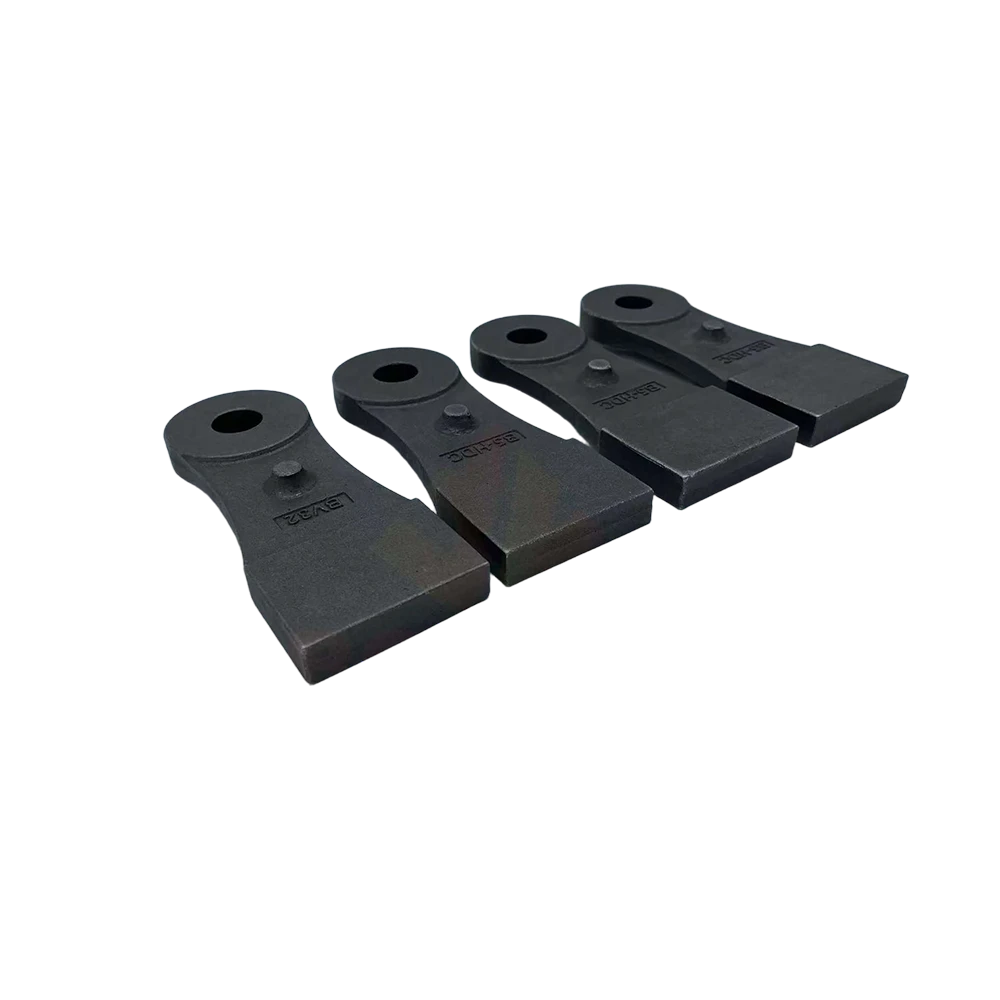
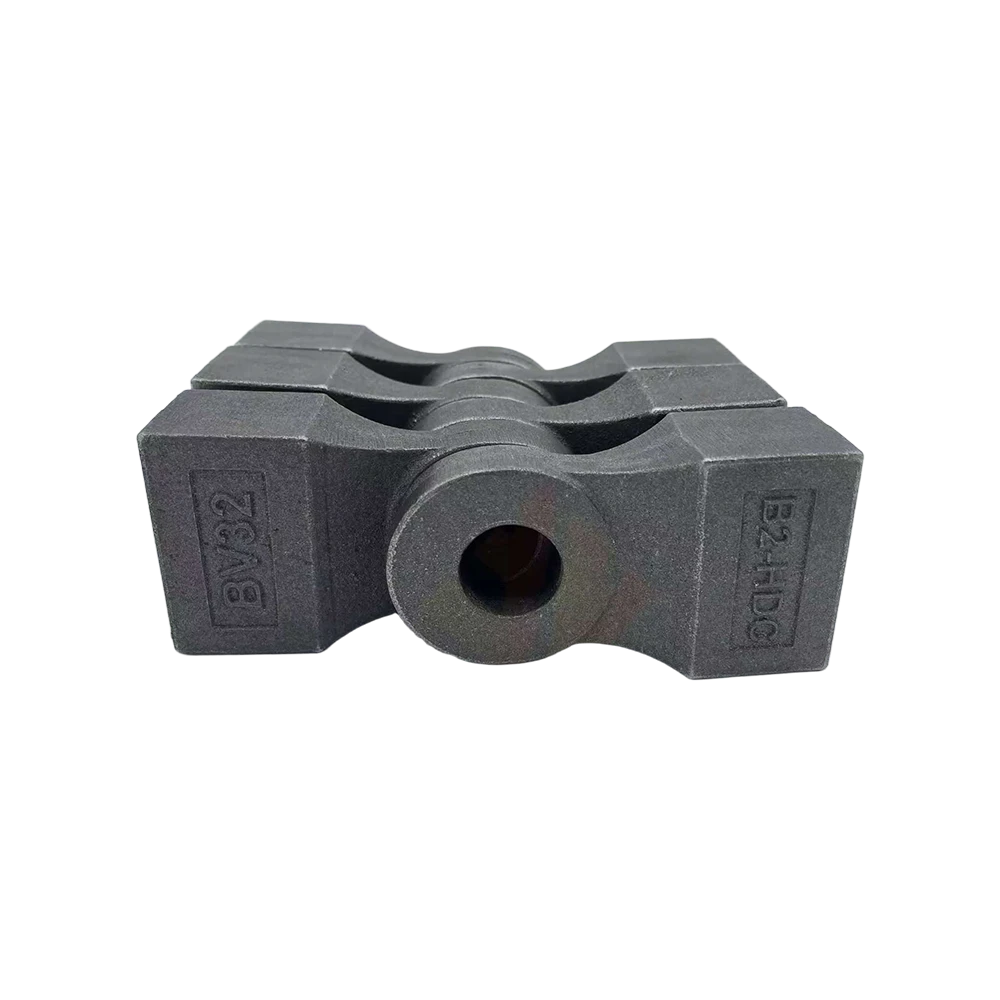
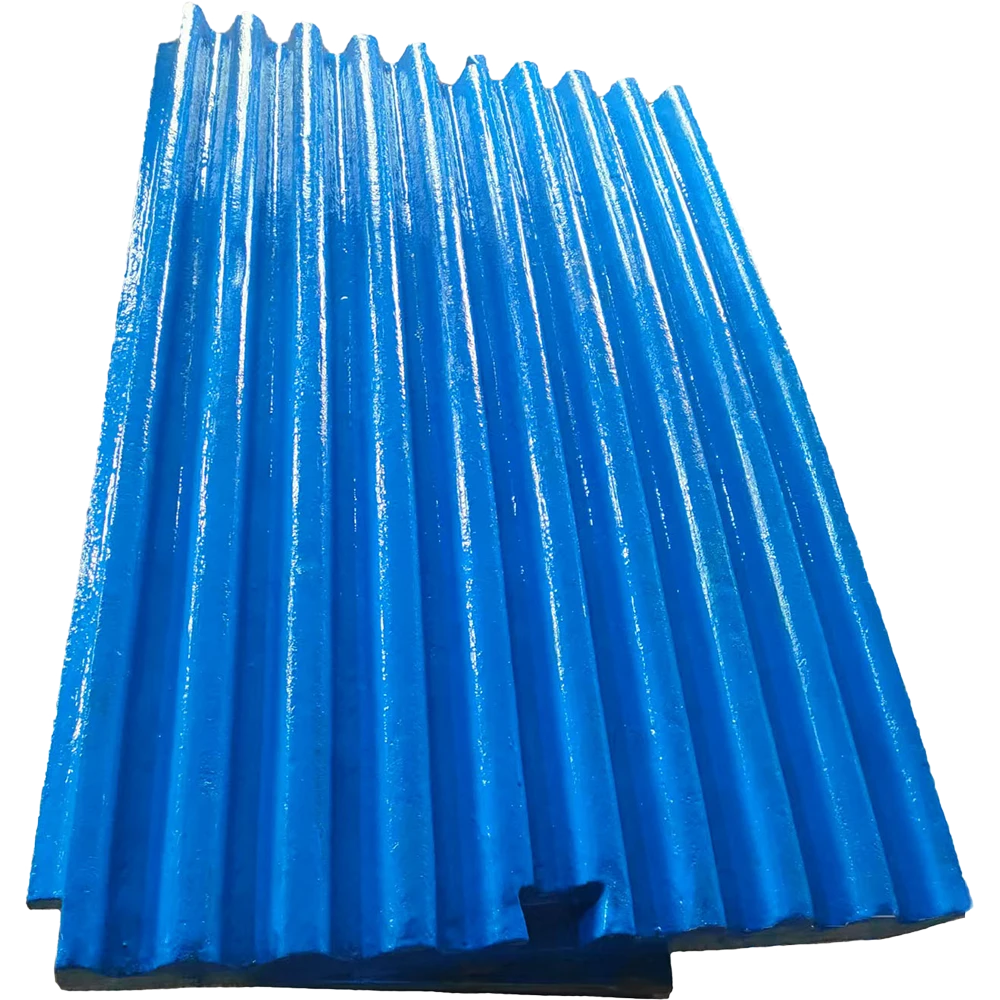
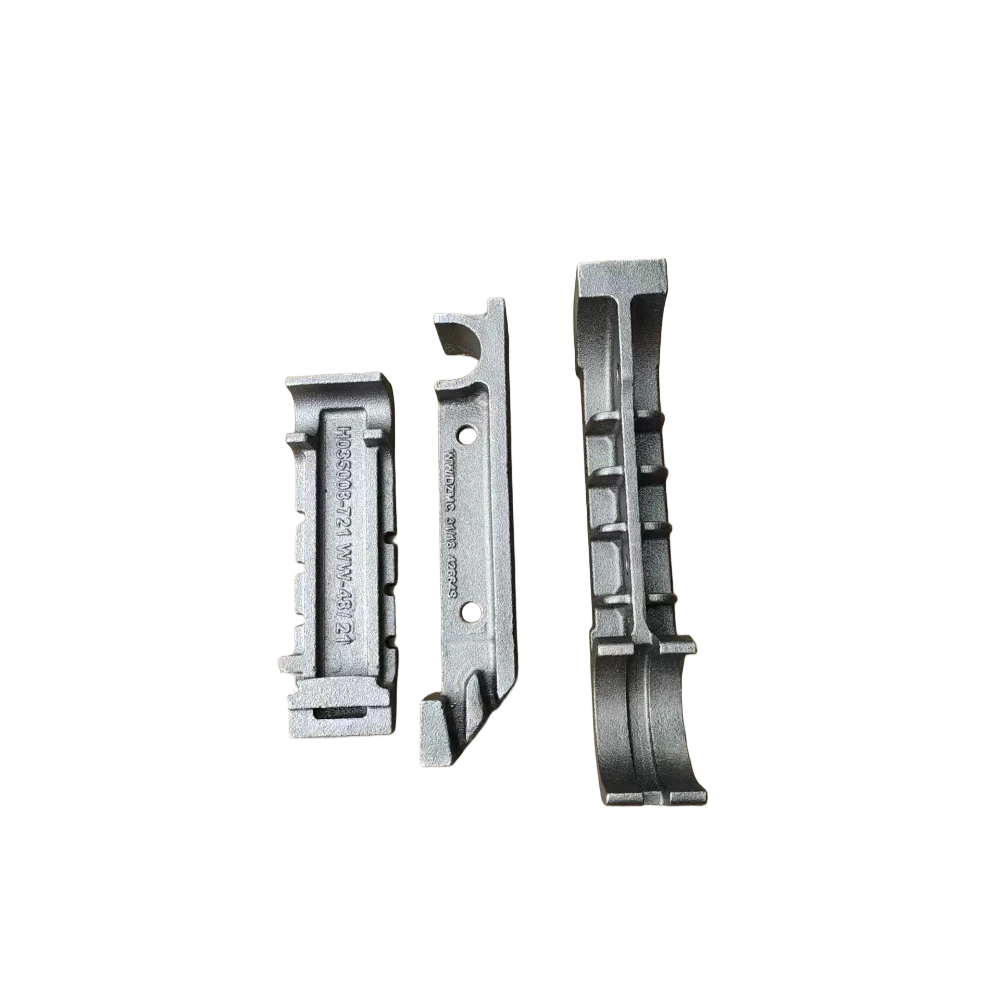
For anyone who's spent time in the industrial equipment sector, the humble jaw crusher cheek plate is really quite the unsung hero. I’ve seen it firsthand on countless job sites: a big ol’ piece of manganese steel grinding against rock day in and day out, protecting the mainframe from wear and tear. And trust me, when those cheek plates fail or wear out prematurely, it’s not just a minor glitch – it’s downtime, unplanned costs, and often, a headache trying to source replacements quick. Oddly enough, these plates don’t get the fame of the jaw crusher’s jaw plates or toggle plates, but without them, well, the crusher’s lifespan takes a big hit. Cheek plates shield the sides of the crushing chamber from lateral wear and tear — you can think of them as the side guards keeping everything in check. Over the years, engineers, myself included, have gotten to appreciate how crucial the quality and fit of these cheek plates are, especially under intense crushing conditions.Material & Design: What Makes a Jaw Crusher Cheek Plate Tough?
It's always about material science in heavy-duty stuff. Most cheek plates are cast from high manganese steel, sometimes with alloying additions to boost toughness and wear resistance. The casting process itself has evolved — better metal homogenization and heat treatment have brought more consistency. One thing I’ve noticed in recent years is a push for thicker, harder plates that still maintain a bit of ductility. There's always a tradeoff: too brittle, you get cracks; too soft, and you wear out fast. And hey, it's no surprise manganese steel is the go-to here — its ability to work harden under impact is perfect for this job. Some suppliers now even offer customizable cheek plates that cater to specific rock types or abrasion levels. Meaning, if you know your feed material is harsh or very abrasive, you can get plates designed to last longer in those exact conditions. Testing standards vary by vendor but field trials tend to tell the real story. I've seen cheek plates outlast expected lifespans by 20% when sourced from specialized foundries with controlled casting and treatment processes. Yep, the right foundry can really change the game.| Specification | Typical Value |
|---|---|
| Material | High Manganese Steel (Mn 11-14%) |
| Hardness (HRC) | 220–270 HB (Work hardened in use) |
| Thickness Range | 30 mm – 80 mm (customizable) |
| Casting Method | Sand Casting with Heat Treatment |
| Typical Life Expectancy | 3-8 months depending on usage & material |
Choosing the Right Supplier: What I Look For in Jaw Crusher Cheek Plates
Having dealt with various suppliers over the years, I can say the market for jaw crusher cheek plates is quite competitive but also varied in quality. Some vendors promise custom solutions, others push volume discounts, and a few offer turn-key inspection and testing reports. The right choice often comes down to reliability, and frankly, trust. I've had one incident with a supplier whose casting quality was inconsistent — plates showed porosity and warped easily, which was a nightmare. Since then, I tend to lean into vendors who provide more transparency: full chemical analysis, photos during each production stage, and ideally some third-party testing results. Here’s a quick comparison table I put together based on real-world info:| Vendor | Material Quality | Customization | Lead Time | Testing & Reports |
|---|---|---|---|---|
| DZMCCasting | Consistent High Mn Steel | Tailored to Machine & Material | 4-6 Weeks | Full QA & Casting Reports |
| Vendor B | Standard Mn Steel | Limited Sizes | 3-5 Weeks | Basic Testing Only |
| Vendor C | Mixed Quality | Custom on Request | 6-8 Weeks | Variable |
Final Thoughts on Jaw Crusher Cheek Plates
It's the little components like these cheek plates, often overlooked, that really keep your crusher humming along without a hiccup. I know from years in the field — when you skimp here, you pay dearly down the line. So investing in proven, durable cheek plates tailored for your specific application pays back in reduced downtime and maintenance costs. If you’re hunting for quality and peace of mind, I’d recommend giving specialized foundries like DZMCCasting a close look. Customization, consistent materials, and solid service make a difference. Plus, it feels good when downtime isn’t on the cards and your equipment just... works. --- References & Musings: 1. Industry veterans often say manganese steel cheek plates are the “quiet workhorses” of crushing machines – once you notice, you never go back. 2. Casting quality can differ wildly; next time you inspect a plate, look for surface porosity or uneven hardness. They’ll tell you a story. 3. I always appreciate vendors who invite you to witness casting or send test samples — transparency here is gold.Latest news
-
High Performance oem cast heat resistant steel for Industrial UseNewsApr.16,2026
-
Guide to Selecting High Quality Cast Heat Resistant Steel AlloysNewsApr.09,2026
-
Custom Cast Heat Resistant Steel Solutions for High Temperature ApplicationsNewsApr.07,2026
-
Comprehensive Guide to Wholesale Cast Heat Resistant Steel for Industrial ApplicationsNewsApr.04,2026
-
Comprehensive Guide to High Performance Heat Resistant Metal Product SolutionsNewsMar.31,2026
-
Expert Guidance on Heat Resistant Metal Quotes and Alloy SelectionNewsMar.28,2026