Jaw Crusher Spares - Reliable Parts for Heavy Duty Crushing
Jaw Crusher Spares: Essential Components for Reliability and Performance
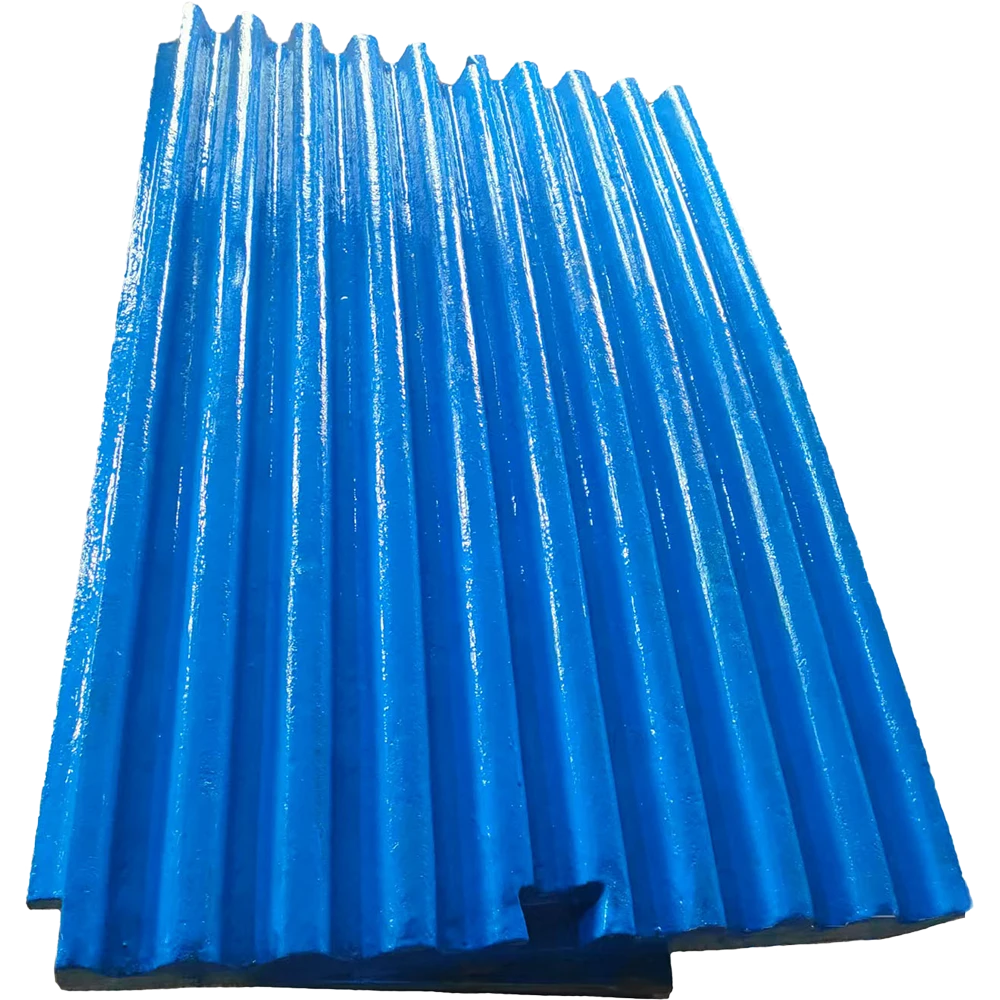
Having spent a fair share of years in the industrial equipment sector, I can honestly say that jaw crusher spares often fly under the radar — but they’re the unsung heroes that keep heavy machinery humming along. When you’re dealing with raw materials and crushing rocks all day, these parts really take a beating. So, choosing the right spares is less about saving a buck and more about ensuring uptime, safety, and efficiency.
Now, jaw crushers themselves might seem straightforward: a giant mechanical mouth chomping through stone. But those ‘teeth’ and key components? They require wear-resistant materials, precision engineering, and sometimes even a bit of customization depending on the mineral or aggregate you’re processing.
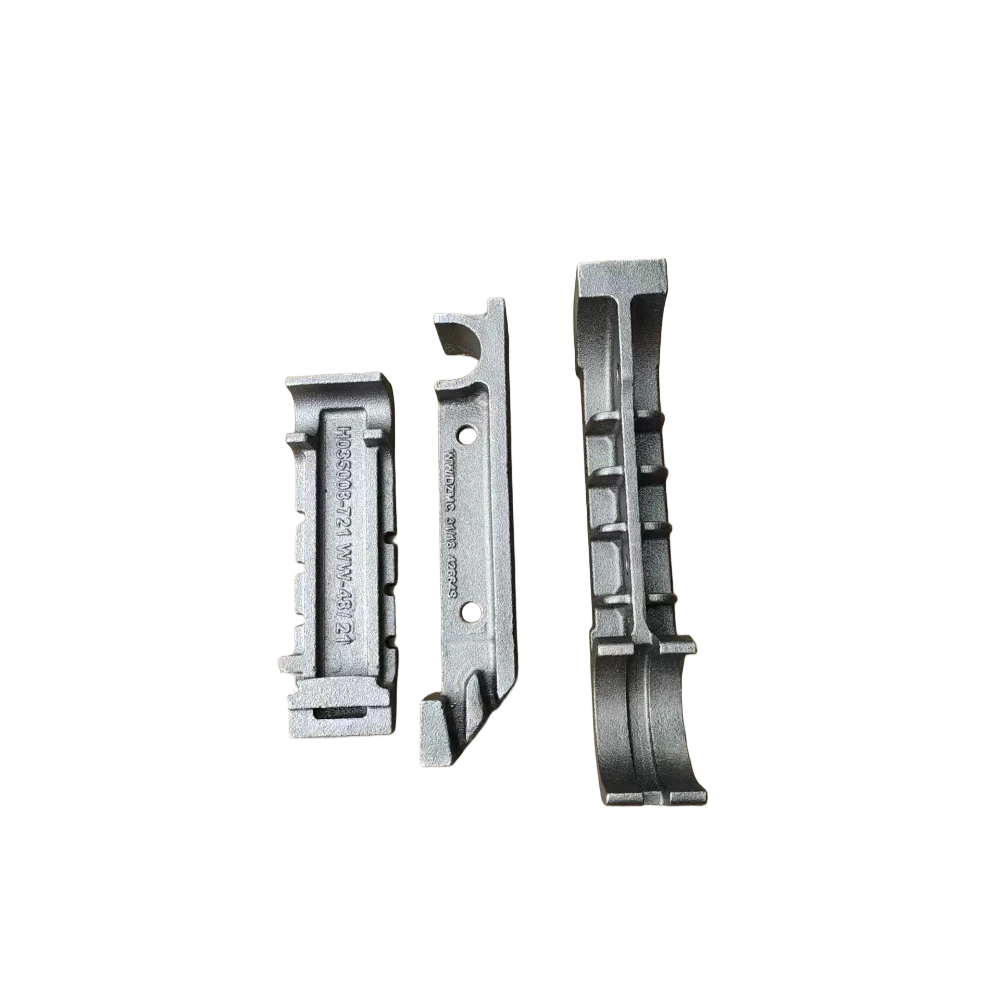
In practice, many engineers I’ve talked to say the durability of the toggle plates, jaw dies, and eccentric shafts makes or breaks their operation. Frankly, it’s not just about the OEM parts — sometimes third-party spares offer niche solutions, but quality control can vary wildly.
| Component | Material | Function | Wear Life (Typical) |
|---|---|---|---|
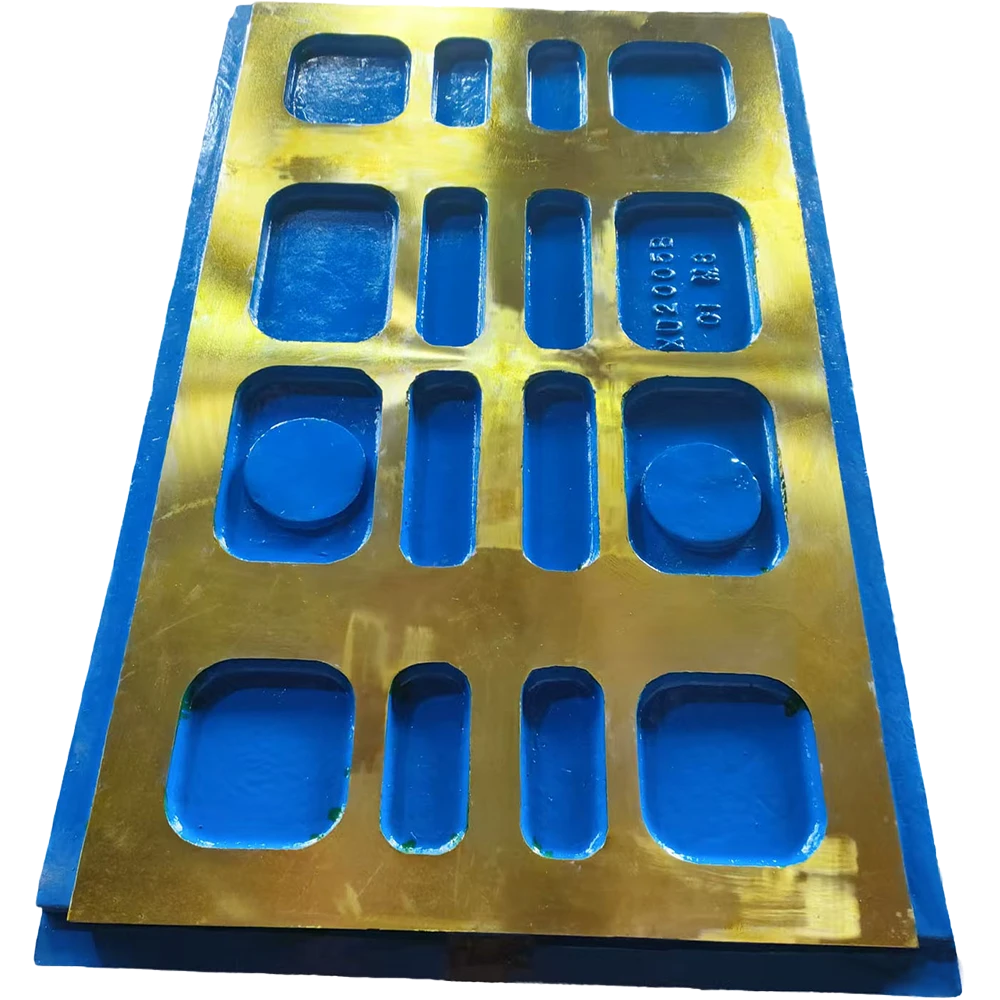
| Jaw Plate (Fixed & Moving) | High Manganese Steel | Crushing and breaking rock | 3,000–5,000 operating hours |
| Toggle Plate | Cast Alloy Steel | Transmits force; safety component | 4,000+ hours |
| Eccentric Shaft | Forged Steel | Creates crush motion | 5,000–7,000 hours |
| Pitman Arm | Cast Steel | Transfers motion to jaw | 3,000–4,500 hours |
| Flywheel | Cast Iron | Stores energy & balances load | 10,000+ hours (with proper maintenance) |
Oddly enough, I once witnessed a plant that swapped out toggle plates for cheaper castings. In real terms, it caused a cascade of downtime over just a few weeks—lead times ballooned, costs skyrocketed, and the crew weren’t happy, to say the least. From that experience, my takeaway is clear: investing in quality jaw crusher spares pays off fast.
Now, if you’re in the market for spares, it helps to understand how various vendors stack up. Here’s a comparison table highlighting some key factors, based on years of industry chatter and supplier audits I’ve been part of:
| Vendor | Material Quality | Custom Engineering | Delivery Times | Price Range |
|---|---|---|---|---|
| DZ MCCasting | Premium Manganese & Alloy Steel | Tailored to customer specs | 3-5 weeks | Mid-High |
| Generic OEM | Standard OEM Material | Limited customization | 4-6 weeks | High |
| Budget Castings | Lower-grade Steel | Minimal options | 2-3 weeks | Low |
Remember, no one-size-fits-all here — your specific crushing needs matter hugely. For instance, operators processing harder, abrasive rocks need more wear-resistant, thicker jaw plates, maybe even welded builds. Meanwhile, lighter-duty operations can stretch their budgets differently. It’s a small but critical dance between specs, costs, and operational goals.
As for quality assurance, parts like the eccentric shaft undergo non-destructive testing and dimensional inspections prior to shipment. I find that suppliers who lay this out transparently on datasheets and test reports tend to be more trustworthy — it signals they stand behind their craftsmanship.
And here’s a little anecdote: One of my long-standing clients once salvaged a worn toggle plate by re-machining it—costly, yes, but it extended the crusher’s life by several months. That sort of hands-on ingenuity is still alive, though honestly, I wouldn’t recommend making it a regular practice. New, certified spares are always the safer bet.
To wrap this up, jaw crusher spares might not grab headlines, but they’re exactly what you want optimized when your production depends on seamless crushing. Whether you favor premium suppliers like DZ MCCasting or others, investing in durable, tested parts ensures fewer headaches and better output.
At the end of the day, the right spares feel like insurance — you hope you don’t need them urgently, but you’re glad they’re ready to perform when they do.
- “Wear resistance and material selection in crushers,” Mining Engineering Journal, 2022.
- Interviews with plant operators, 2019-2023.
- Vendor quality audit reports, Industrial Equipment Review, 2023.
-
High Performance oem cast heat resistant steel for Industrial UseNewsApr.16,2026
-
Guide to Selecting High Quality Cast Heat Resistant Steel AlloysNewsApr.09,2026
-
Custom Cast Heat Resistant Steel Solutions for High Temperature ApplicationsNewsApr.07,2026
-
Comprehensive Guide to Wholesale Cast Heat Resistant Steel for Industrial ApplicationsNewsApr.04,2026
-
Comprehensive Guide to High Performance Heat Resistant Metal Product SolutionsNewsMar.31,2026
-
Expert Guidance on Heat Resistant Metal Quotes and Alloy SelectionNewsMar.28,2026