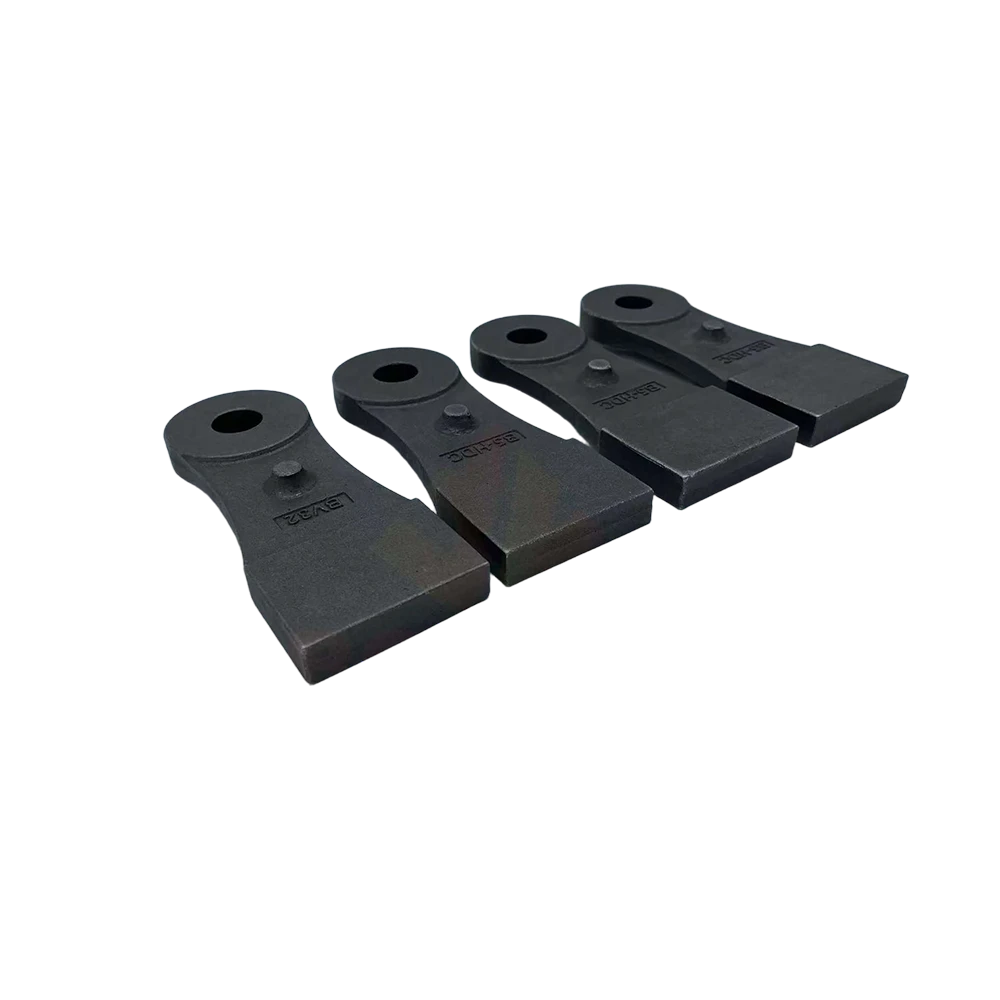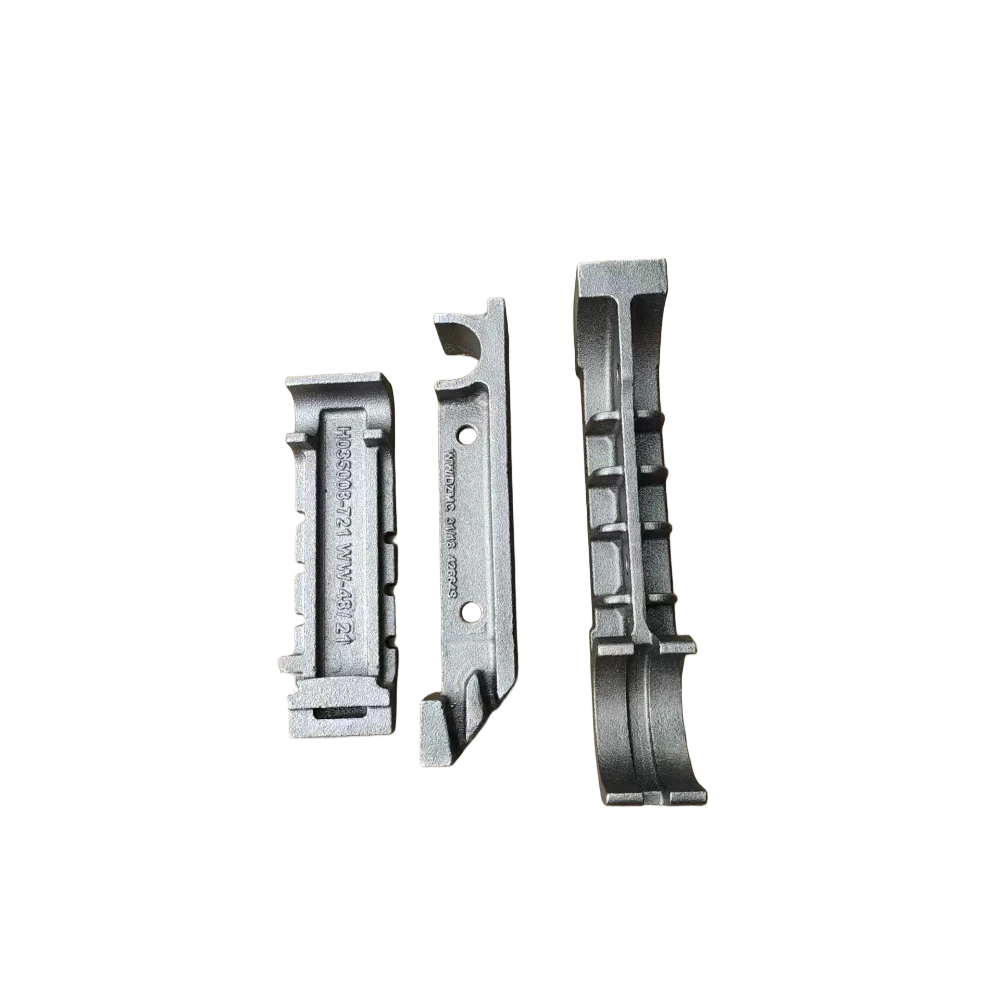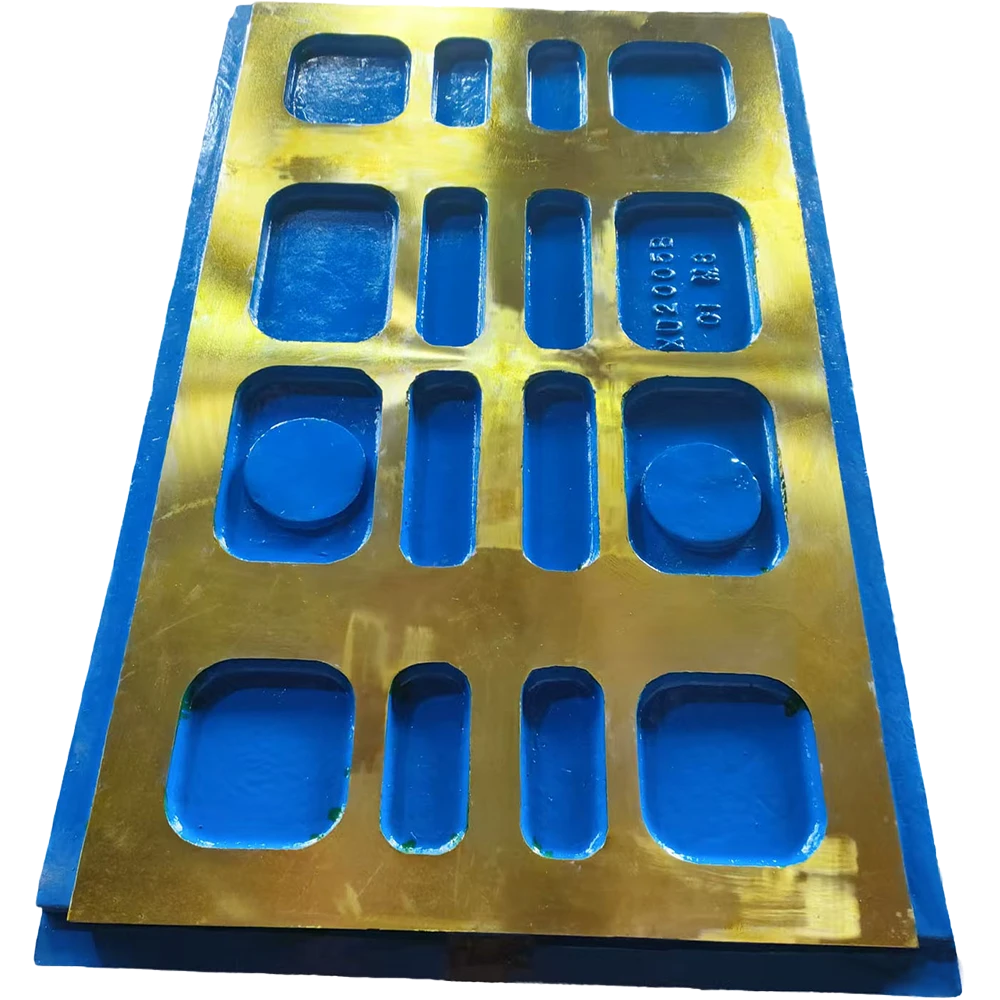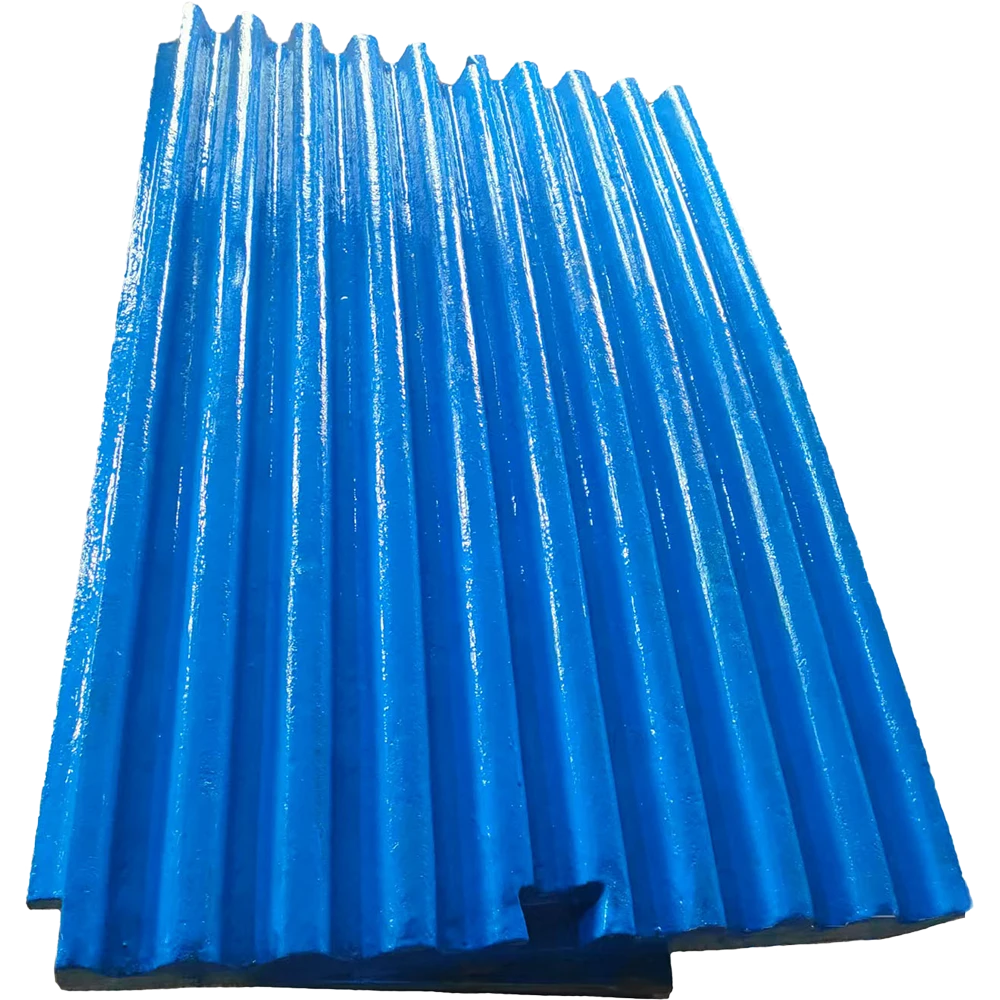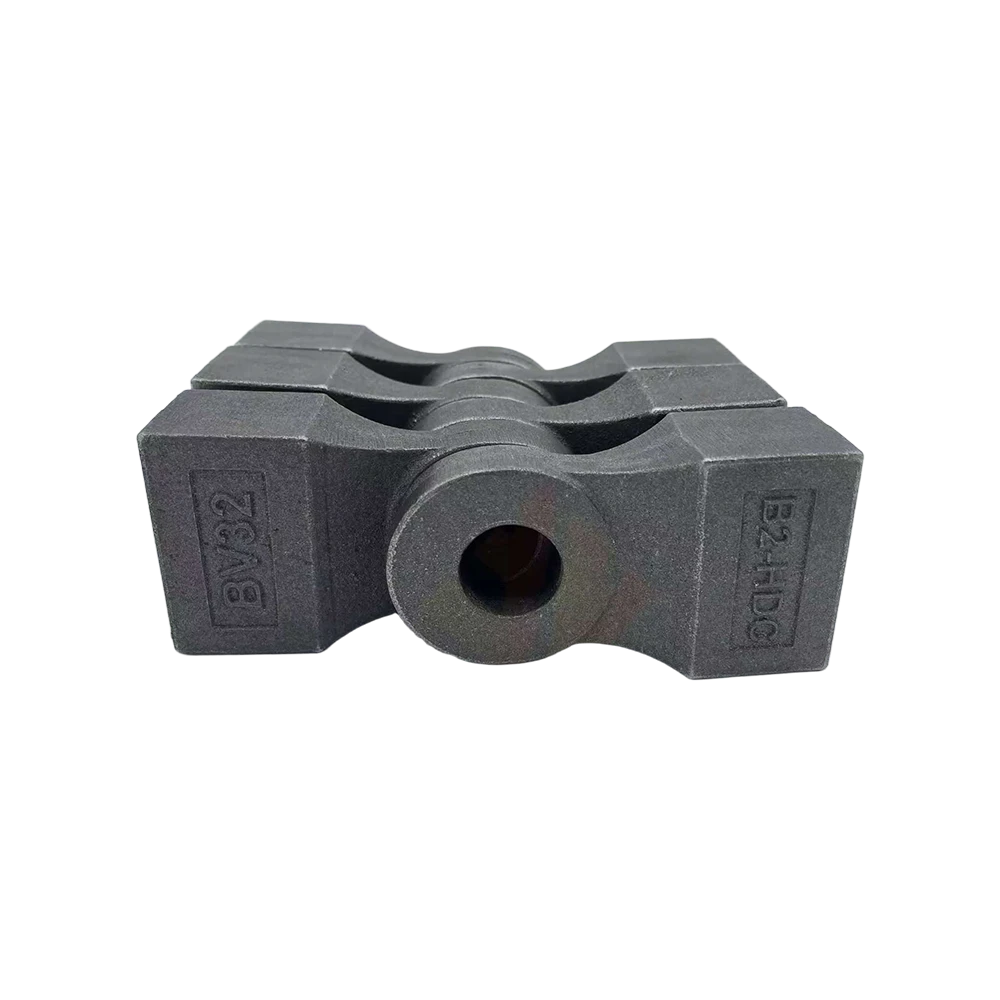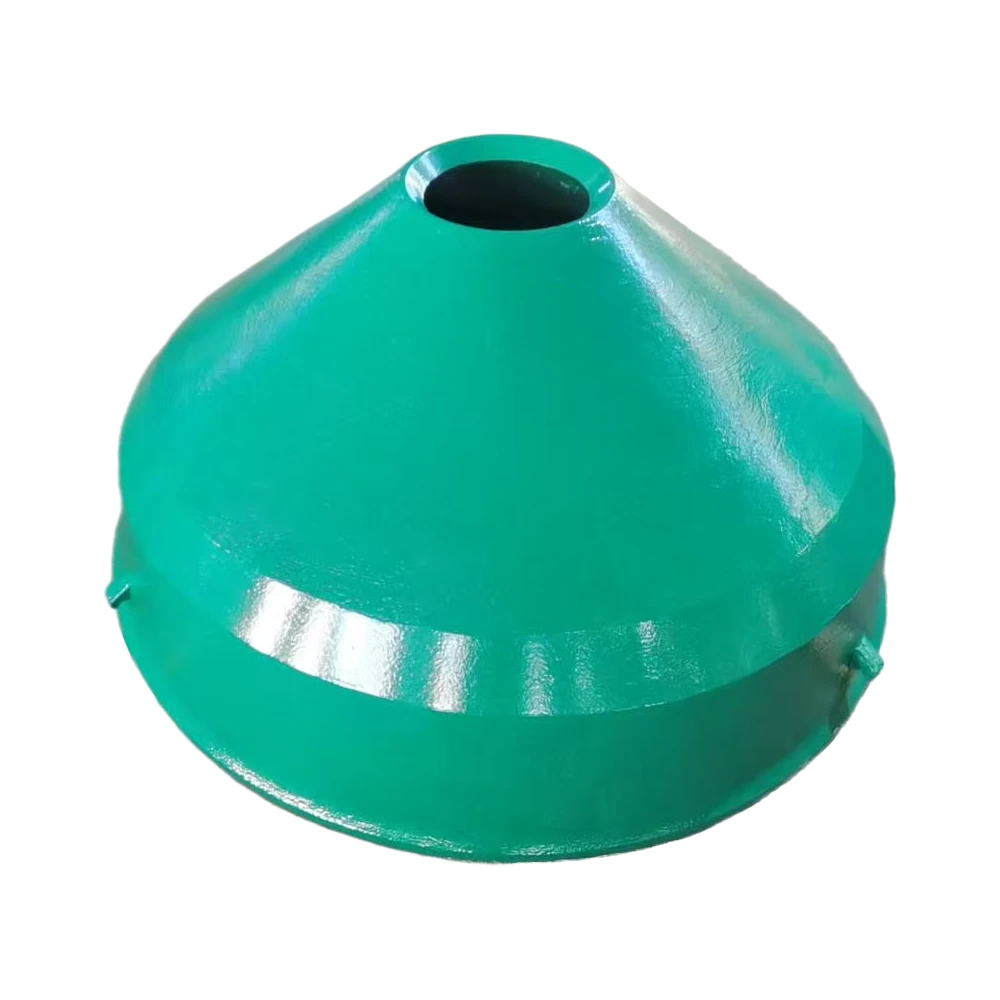
Jaw Plate Casting from DZMC – Durable Solutions for Industrial Crushers
Jaw Plate Casting is a key solution in the industry, specifically within mining, construction, and quarrying sectors. This article explores how https://www.dzmccasting.com supports professionals with durable, high-performance products, and explains why this product is an ideal choice for businesses in these sectors.
Table of Contents
- Jaw Plate Casting Overview
- Benefits & Use Cases of Jaw Plate Casting
- Cost, Maintenance & User Experience
- Sustainability & Market Trends
- Frequently Asked Questions
- Conclusion on Jaw Plate Casting from China
Jaw Plate Casting Overview
So first off, what exactly is Jaw Plate Casting? In real terms, it’s the process of creating durable jaw plates—the wear-resistant parts found in jaw crushers—from molten metal poured into detailed molds. These plates are crucial because they handle some serious crushing workloads, breaking down rocks and ore chunks in mining and construction. Without reliable jaw plates, crushers would fail too often, leading to downtime and costly repairs.
The casting involves high-strength alloys (think manganese steel) that offer excellent impact resistance and toughness. Interestingly, DZMC Casting employs precise material formulations and advanced heat treatments to optimize hardness without brittleness. For example, their jaw plates typically meet ASTM A128 Grade A standards or equivalent—meaning they can withstand crushing forces and abrasion better than many alternatives. Clients often note longer service life and consistent performance even under punishing conditions.
| Jaw Plate Casting - Key Specifications | Detail |
|---|---|
| Material | Manganese Steel Alloy (13–14% Mn) |
| Tensile Strength | 900–1100 MPa |
| Hardness | 220–270 HB |
| Heat Treatment | Quenching and Tempering |
| Typical Weight Range | 20 kg – 250 kg per piece |
Benefits & Use Cases of Jaw Plate Casting
Industries that deal with raw materials—like mining, aggregates, and recycling—really lean on jaw plate casting because it delivers performance and longevity. Oddly enough, many people underestimate how much these plates affect overall equipment uptime. A robust jaw plate means less frequent replacements, which translates into fewer shutdowns and smoother operations.
Features like abrasion resistance, impact toughness, and proper fitment all come into play. DZMC's jaw plates, for instance, guarantee uniform wear, preserving crusher efficiency and avoiding uneven material feed issues. Another edge they bring: custom designs tailored for particular crushers or hard-to-crush materials. Many customers highlight this as a game changer, especially when dealing with tougher ores.
You'll find these plates used in mobile crushers on construction sites, stationary crushers at quarries, and even in scrap metal processing plants—pretty much anywhere heavy breaking and crushing happens.
Cost, Maintenance & User Experience
Frankly, the cost of jaw plate casting might seem higher upfront compared to some cheaper alternatives, but the total cost of ownership is where these products shine. Durable casting means less frequent replacements, which lowers maintenance costs and labor downtime. Many engineers I've spoken to say they appreciate how DZMC's plates manage to balance toughness with just enough hardness to avoid cracking under strain.
User reviews often mention smoother crusher runs and noticeably reduced vibration, which suggests that proper casting and finishing can influence crusher life beyond the plates themselves. A mid-sized mining firm I came across recently reported 15% longer plate life since switching suppliers to DZMC, which, given how many jaws they swap yearly, means significant savings.
| Vendor | Cost per Plate | Average Plate Life (months) | Customization Options |
|---|---|---|---|
| DZMC Casting | $$$ | 8–12 | Yes |
| Competitor A | $$ | 5–7 | Limited |
| Competitor B | $ | 3–6 | No |
Sustainability & Market Trends
Sustainability in heavy industries isn’t something you hear about every day, but it’s becoming increasingly relevant. Jaw plate casting manufacturers like DZMC are shifting toward greener processes, optimizing scrap recycling in their foundries, and using energy-conscious heat treatments. Seriously—these steps can reduce both carbon footprint and raw material waste.
There are also tightening regulations on emissions and waste management, especially in China and Europe, which shape how casting companies operate. Fortunately, many customers appreciate suppliers who align with these values, because it helps future-proof their own operations.
Market-wise, the growing demand for infrastructure and resource extraction means jaw plate casting remains a hot sector. But it’s not just about volume; quality and customization are increasingly vital as customers want parts that last longer and fit better. Production advances—like 3D modeling and automated quality checks—are smoothing the way forward.
Frequently Asked Questions about Jaw Plate Casting
- What is Jaw Plate Casting and how does it work?
- Jaw Plate Casting is the manufacturing process that forms the jaw plates used in crushers by pouring molten metal into molds. These plates then cool and solidify to form strong, wear-resistant components that crush rock and other materials efficiently.
- What are the main benefits of using Jaw Plate Casting in industrial applications?
- The key benefits include superior durability, resistance to abrasion and impact, cost-effectiveness over time, and improved crusher efficiency due to better wear patterns.
- How does Jaw Plate Casting compare to traditional alternatives?
- Compared to traditional wrought or forged parts, cast jaw plates tend to allow more complex designs, better wear resistance, and greater consistency in hardness after heat treatment.
- What industries can benefit most from Jaw Plate Casting implementation?
- Primary sectors include mining, quarrying, construction, and recycling—anywhere crushers play a critical role in material processing.
Conclusion on Jaw Plate Casting from China
To wrap things up, Jaw Plate Casting remains a cornerstone of crushing technology—combining custom engineering, material science, and precision manufacturing to meet evolving needs. With companies like DZMC casting a wide net of high-quality products, it's a solid option for businesses aiming to increase uptime and cut costs.
- Recap the value of Jaw Plate Casting.
- Visit our website: https://www.dzmccasting.com
It's clear that in industries where crushing is mission-critical, investing in superior jaw plates simply pays off—often sooner than you'd expect.
-
High Performance oem cast heat resistant steel for Industrial UseNewsApr.16,2026
-
Guide to Selecting High Quality Cast Heat Resistant Steel AlloysNewsApr.09,2026
-
Custom Cast Heat Resistant Steel Solutions for High Temperature ApplicationsNewsApr.07,2026
-
Comprehensive Guide to Wholesale Cast Heat Resistant Steel for Industrial ApplicationsNewsApr.04,2026
-
Comprehensive Guide to High Performance Heat Resistant Metal Product SolutionsNewsMar.31,2026
-
Expert Guidance on Heat Resistant Metal Quotes and Alloy SelectionNewsMar.28,2026