Jaw Plate Crusher Insights: Durable Crushing Solutions
Why the Jaw Plate Crusher Remains the Workhorse of Crushing Operations
Having spent more than a decade around industrial equipment — and jaw crushers in particular — I often find myself admiring the quiet resilience of the jaw plate crusher. It’s the kind of gear you don’t always notice until something goes awry, but when it’s working well? It feels like the backbone of the entire process.
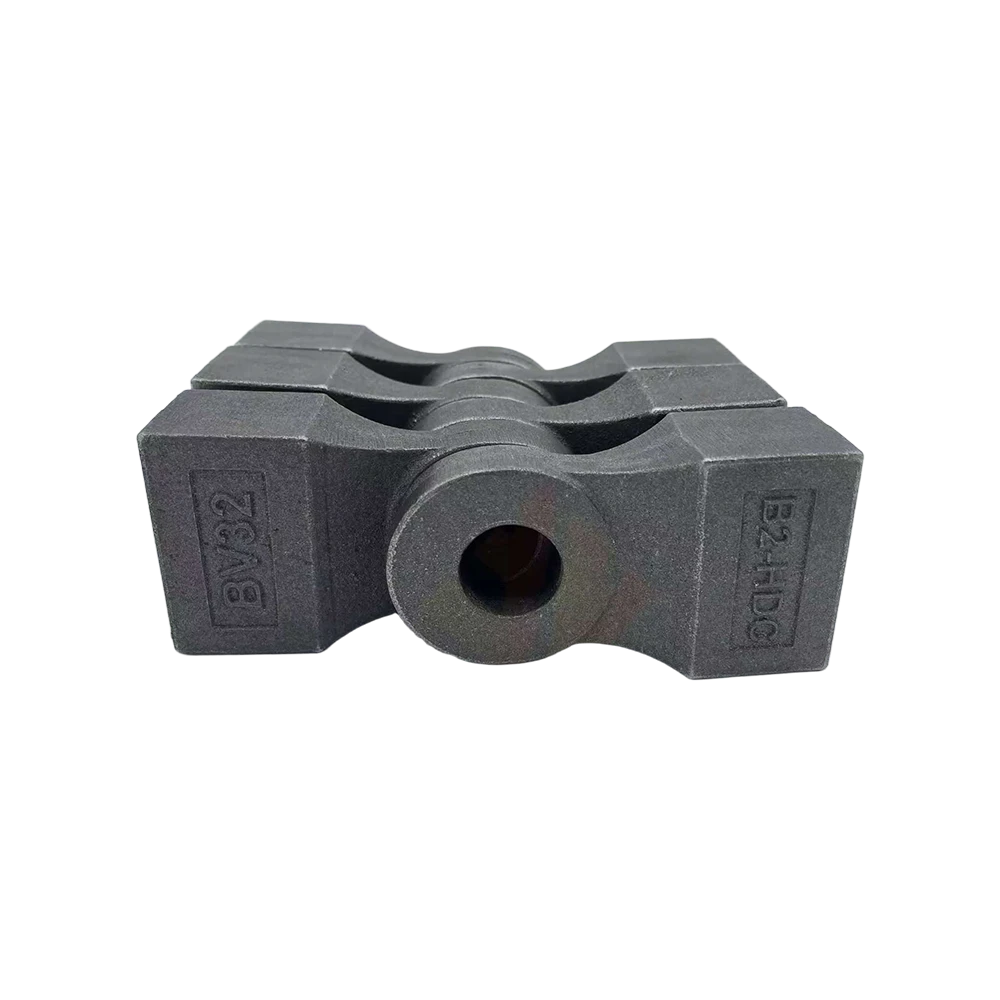
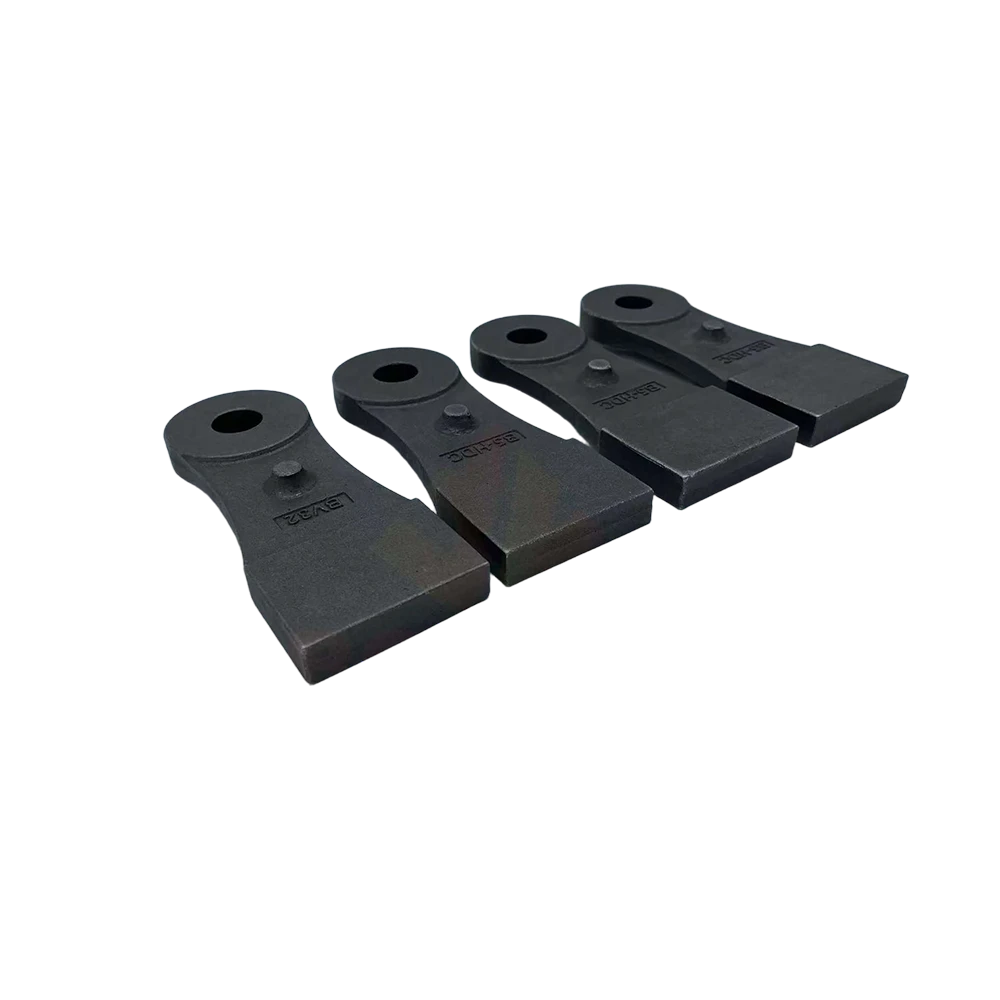
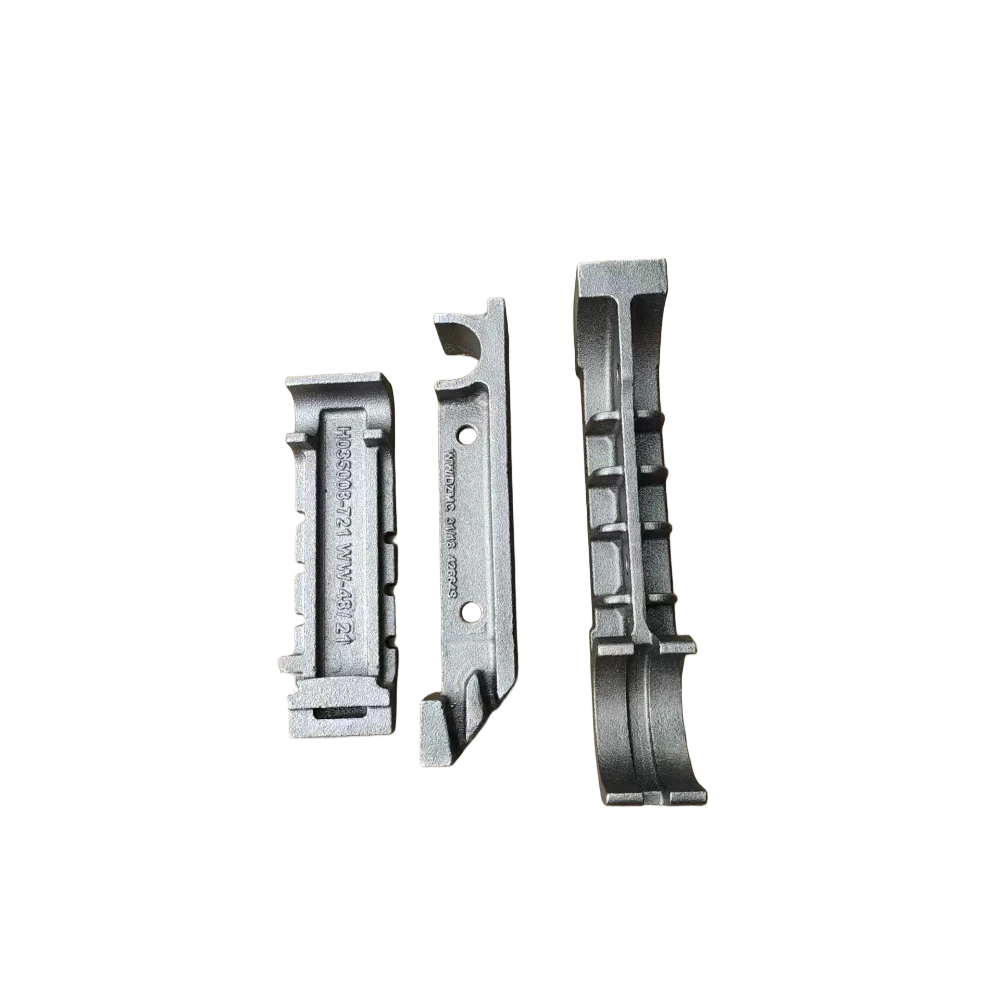
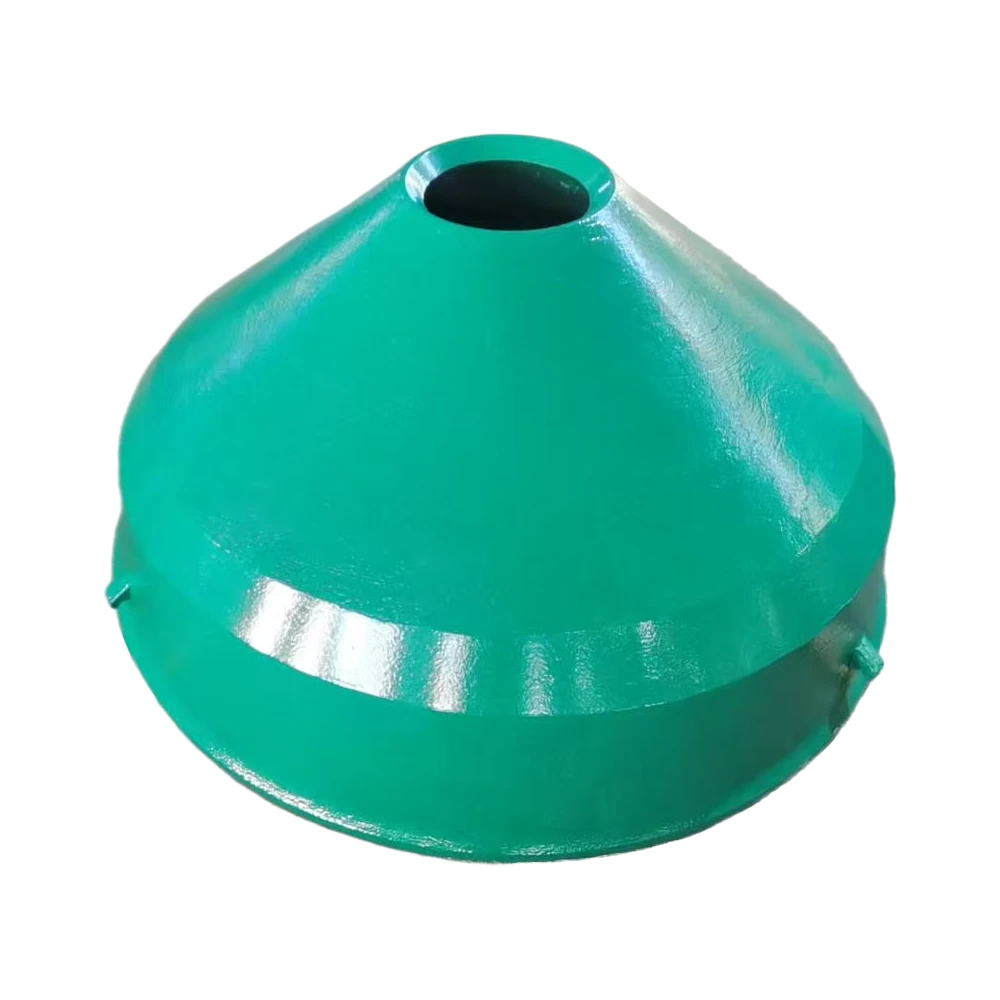
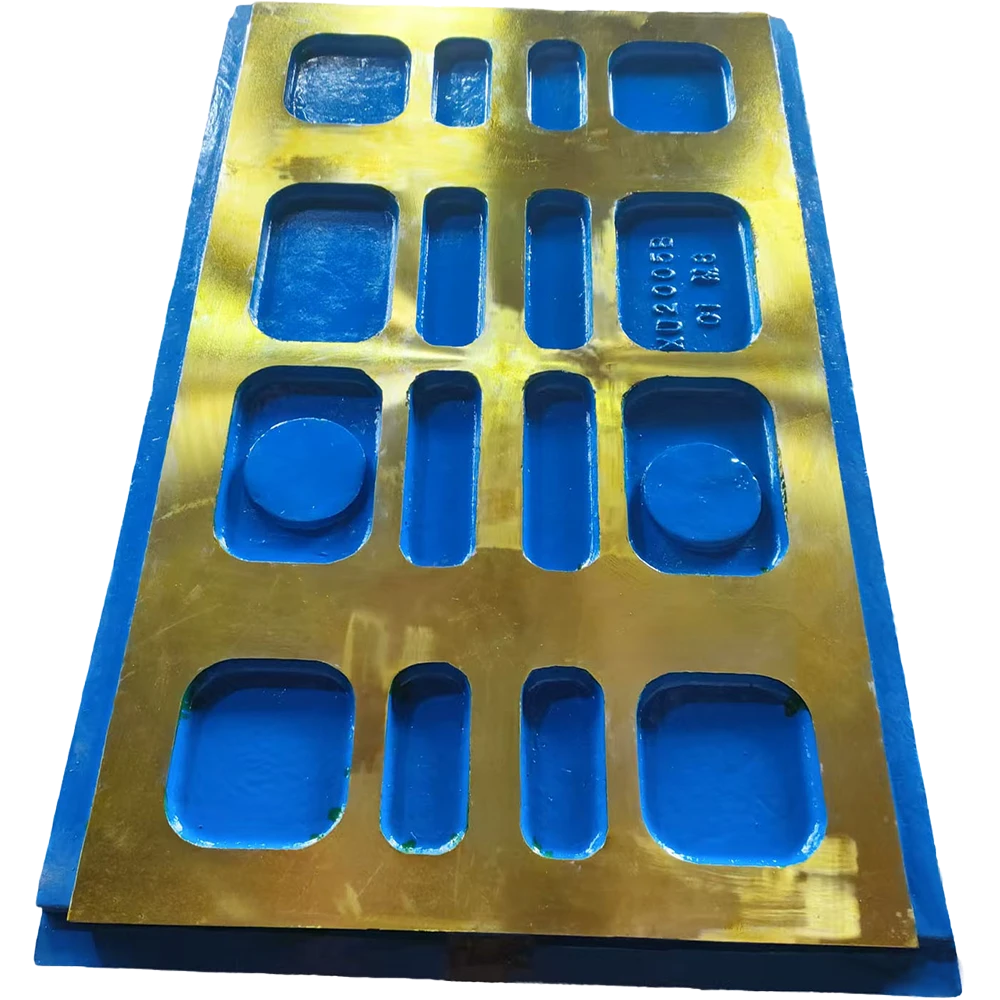
Think about it: in mining, construction, and recycling operations, these crushers take bulky raw materials and transform them into manageable chunks. The jaw plates, specifically, are the unsung heroes. Made to withstand intense pressure and abrasion, they’re often crafted from high-strength cast steel that’s been through numerous heat treatments.
Design and Materials: The Heart of Crusher Efficiency
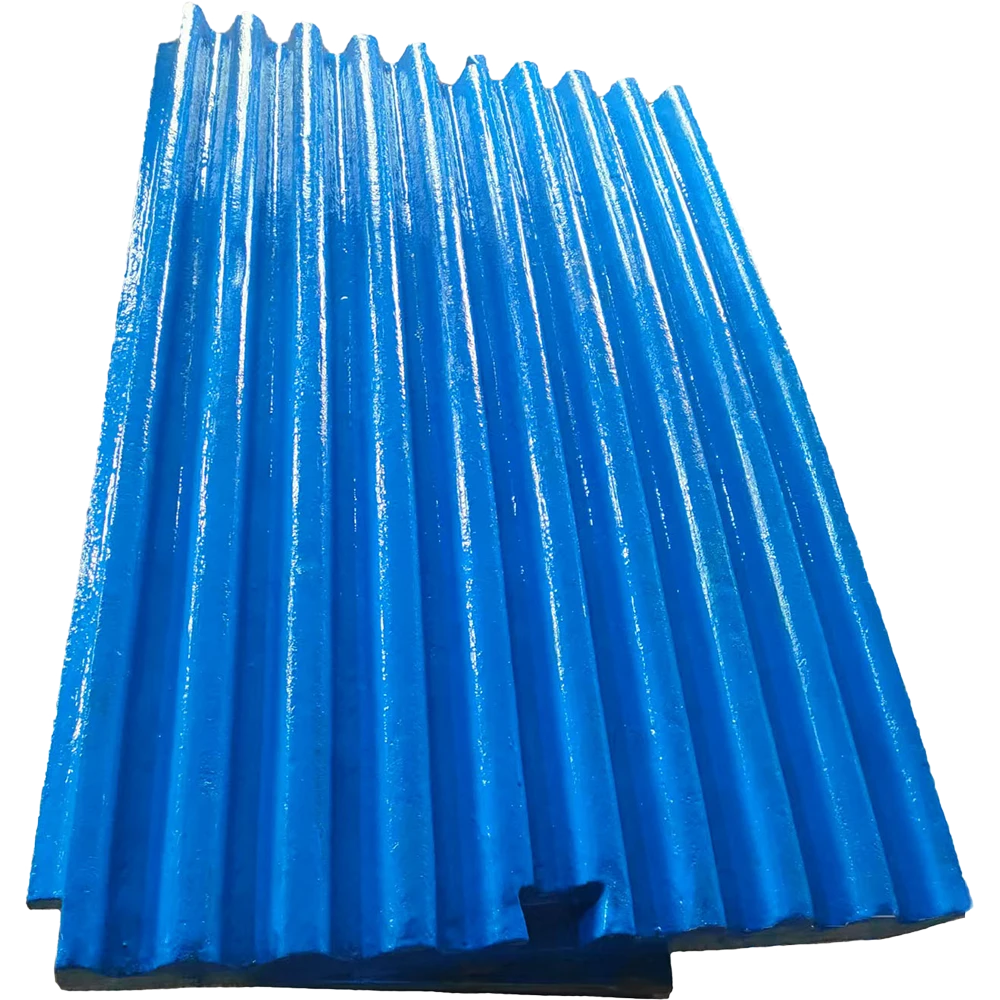
Jaw plate crushers tend to rely on an ingenious yet simple principle — a pair of tough plates, one fixed and one moving, that crush the material in between. The jaw plates themselves are usually ribbed or grooved. This not only improves grip but also increases the crushing performance by guiding rocks and debris into the right crushing path.
Frankly, the choice of material for these plates is critical. Cast manganese steel and some proprietary alloys are common because they offer a fantastic combination of hardness and toughness. I’ve seen some OEMs experiment with alloy blends, adding chrome or nickel, aiming to strike a balance between wear resistance and the occasional shock from oversized inputs.
Knowing the Specs: What Really Matters for Jaw Plate Crushers
From my experience, the specs you want to keep an eye on aren’t just about size or weight but include parameters like hardness (measured in Brinell or Rockwell scales), yield strength, and impact toughness. These factors dictate not only how long the jaw plates last but how effectively they handle the job.
| Specification | Typical Range | Comments |
|---|---|---|
| Material | Mn steel, alloy steel | High abrasion resistance |
| Hardness (HRC) | 50–60 | Balance between wear & durability |
| Weight | 50–500 kg (typical) | Depends on crusher size |
| Jaw Plate Angle | 20°–30° | Optimizes crushing efficiency |
| Max Feed Size | 300–900 mm | Varies by crusher model |
How to Pick Your Jaw Plate Supplier: A Little Vendor Reality Check
There are many vendors in the market, and from what I’ve seen, choosing the right one often comes down to more than just price. Right quality, timely delivery, and good after-sales support matter — maybe more than you expect at first.
Oddly enough, some manufacturers have stuck with outdated casting methods, while others invest heavily in metallurgical testing, which is a big deal if you want longer wear life and less downtime.
| Vendor | Material Quality | Lead Time | Customization Options | Price |
|---|---|---|---|---|
| Vendor A (DZMCCASTING) | High-end alloys, strict QC | 4-6 weeks | Full customization | Mid-range |
| Vendor B | Standard manganese steel | 6-8 weeks | Limited | Budget |
| Vendor C | Premium alloys, tested | 3-5 weeks | Customized shapes & sizes | Higher-end |
Real-World Usage and a Quick Anecdote
I remember a plant in Eastern Europe that struggled with their jaw plate crusher wearing out every couple of months. They swapped out the OEM parts for a set made by a supplier specializing in heat-treated manganese steel—sort of a magical upgrade. Suddenly, wear times tripled, and downtime dropped like a stone. Turns out, investing a bit more upfront can save a ton down the line.
That’s why product integrity and verified specs aren’t just marketing buzzwords—they’re real factors determining your plant’s uptime and profitability.
Final Thoughts on Jaw Plate Crushers
So, if you’re sourcing jaw plates, consider materials, manufacturing quality, and supplier reliability over the cheapest price point alone. It feels like the best gear combines thoughtful design, proven metallurgy, and that experience you can only get from a vendor who’s been around the block.
And yes, occasionally glance over specs table — because a well-selected jaw plate crusher part is a long-term partner for your operation.
References:
1. Industry experience and case studies, numerous projects 2010–2023
2. Technical papers on manganese steel wear resistance
3. Supplier materials and catalogues, including DZMCCASTING
-
High Performance oem cast heat resistant steel for Industrial UseNewsApr.16,2026
-
Guide to Selecting High Quality Cast Heat Resistant Steel AlloysNewsApr.09,2026
-
Custom Cast Heat Resistant Steel Solutions for High Temperature ApplicationsNewsApr.07,2026
-
Comprehensive Guide to Wholesale Cast Heat Resistant Steel for Industrial ApplicationsNewsApr.04,2026
-
Comprehensive Guide to High Performance Heat Resistant Metal Product SolutionsNewsMar.31,2026
-
Expert Guidance on Heat Resistant Metal Quotes and Alloy SelectionNewsMar.28,2026