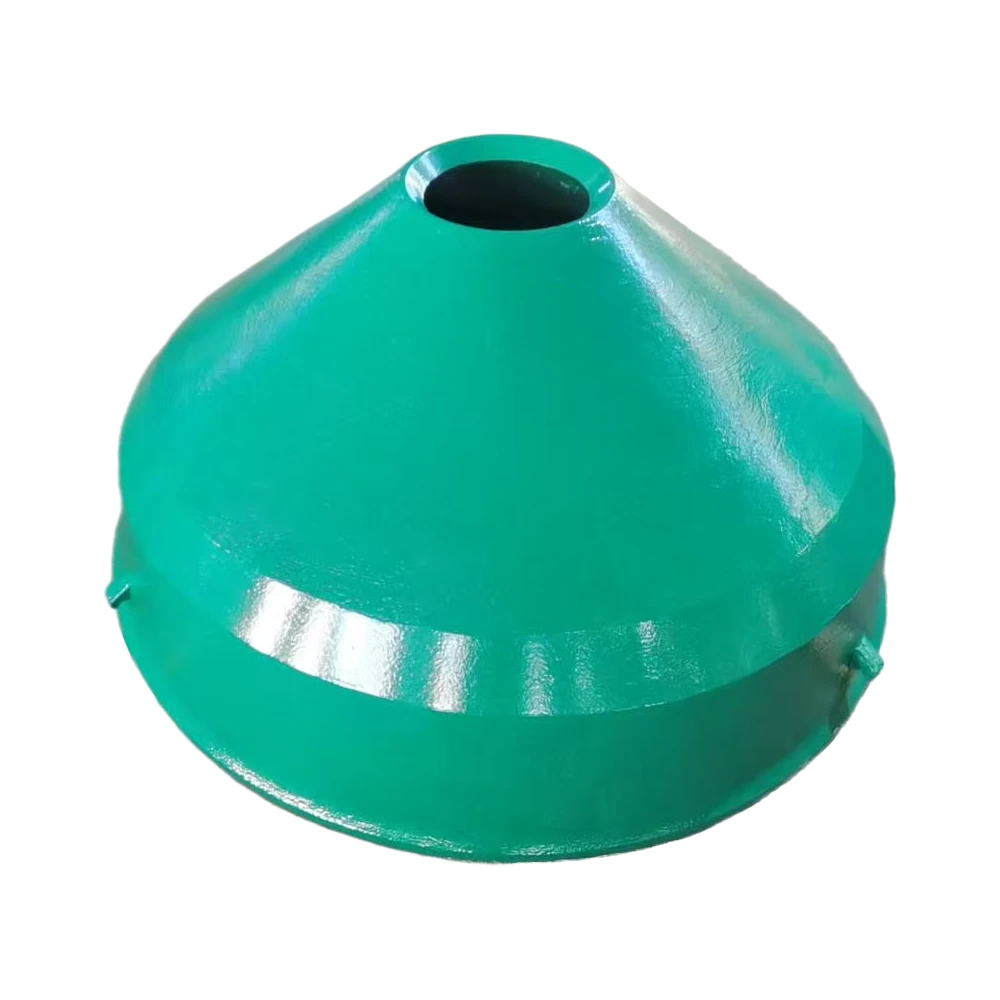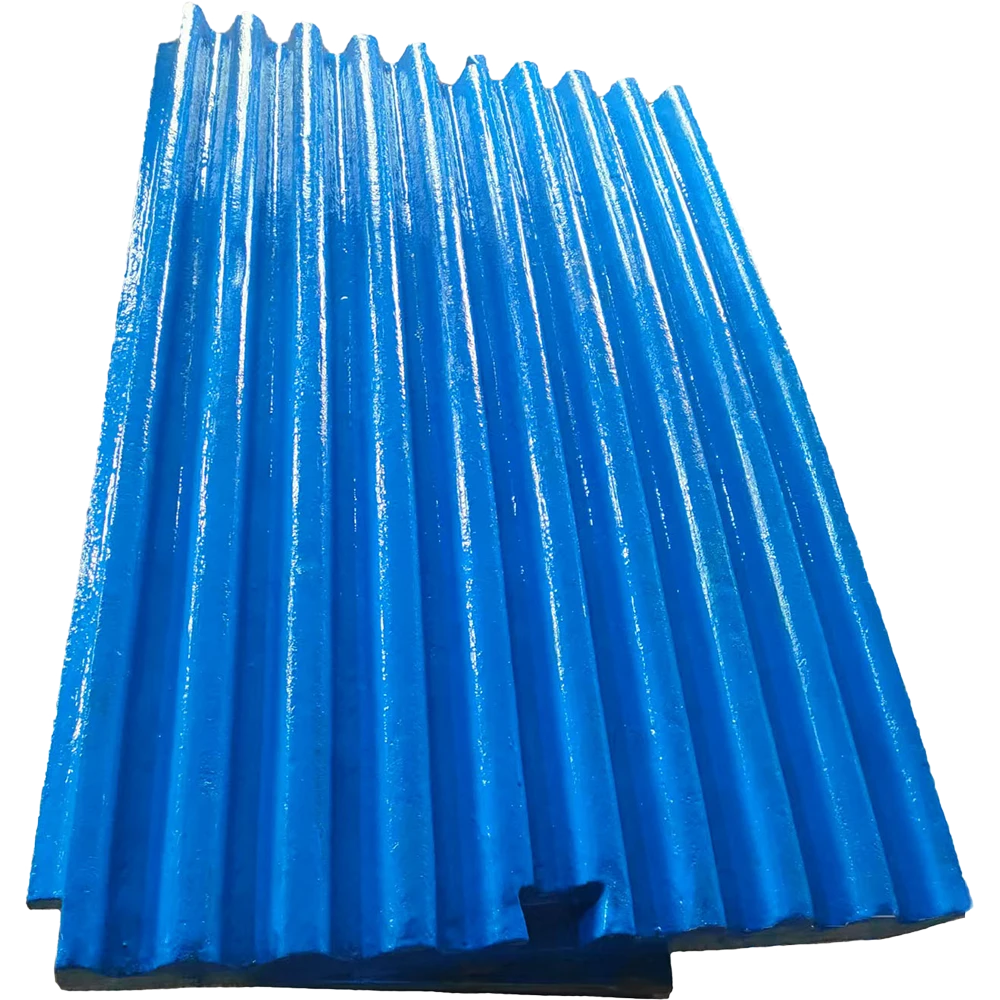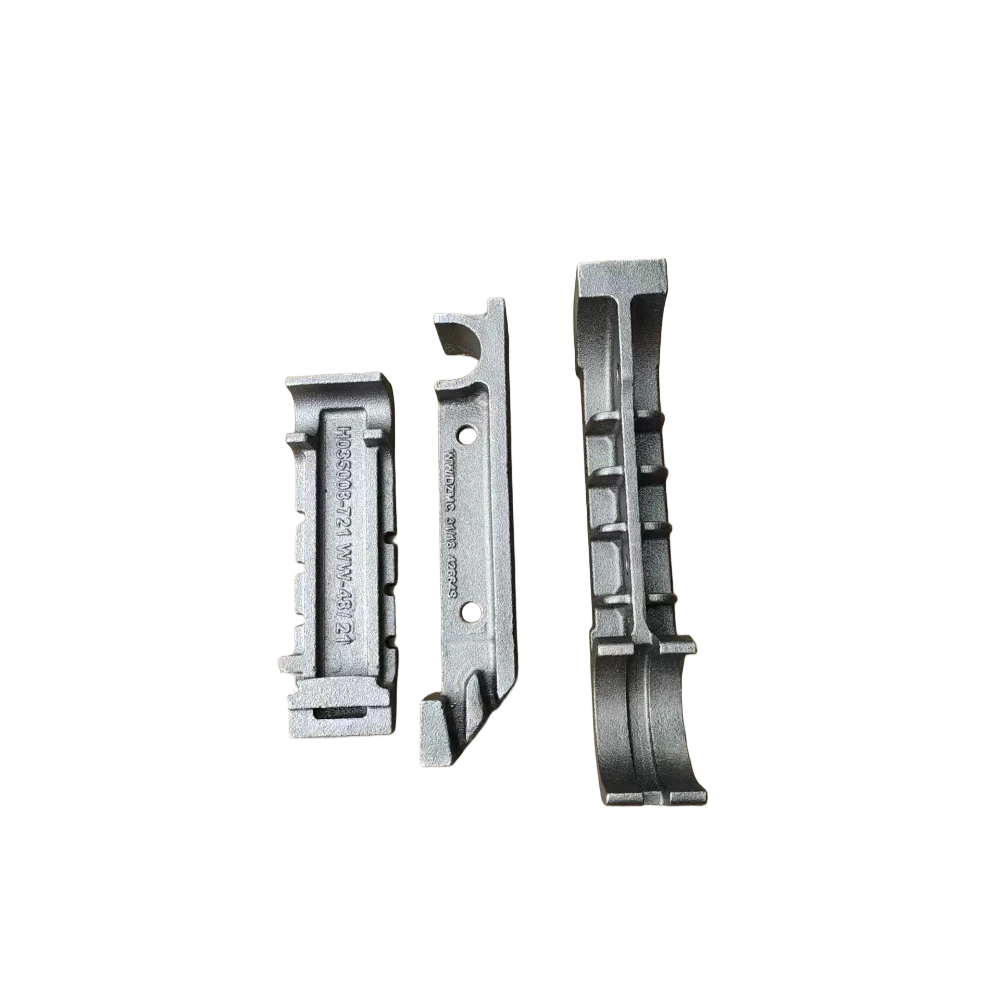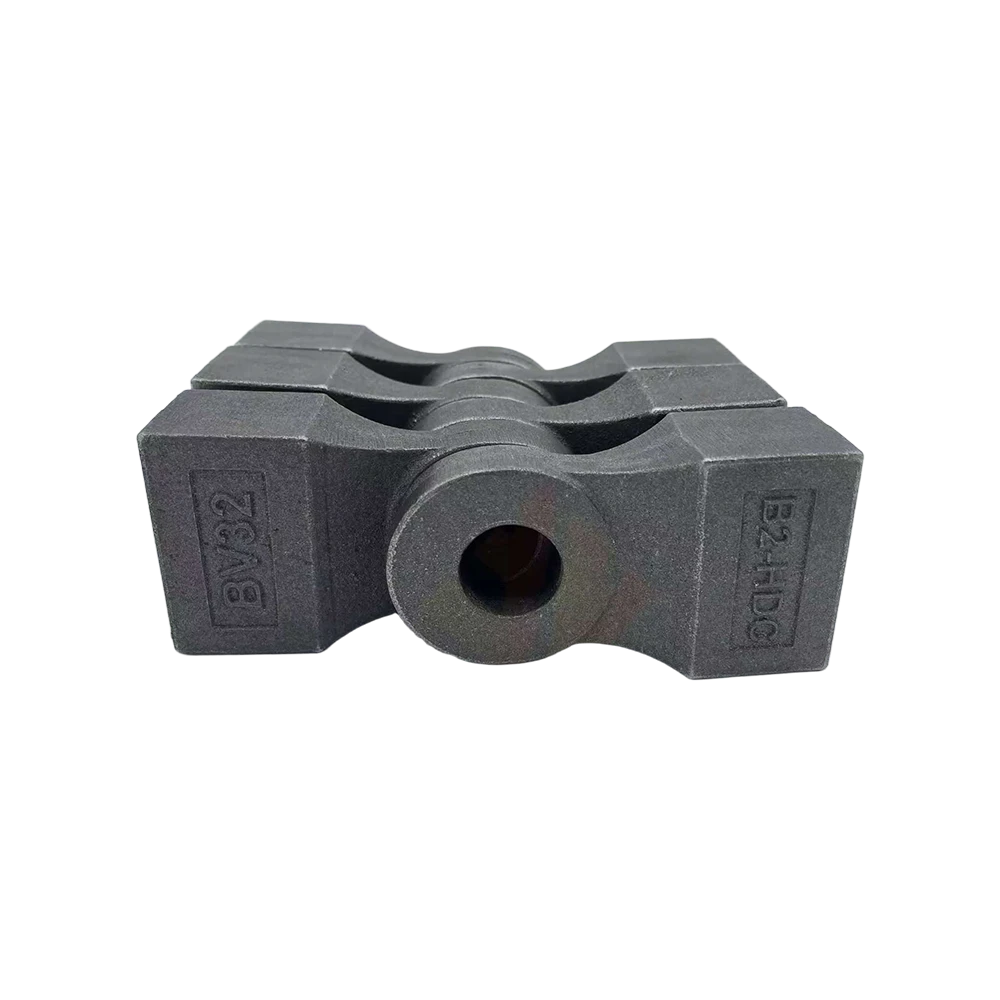
Metal Plate Jaw - Durable Industrial Clamping Solutions | DZMC Casting
Understanding the Metal Plate Jaw: A Vital Component in Industrial Clamping
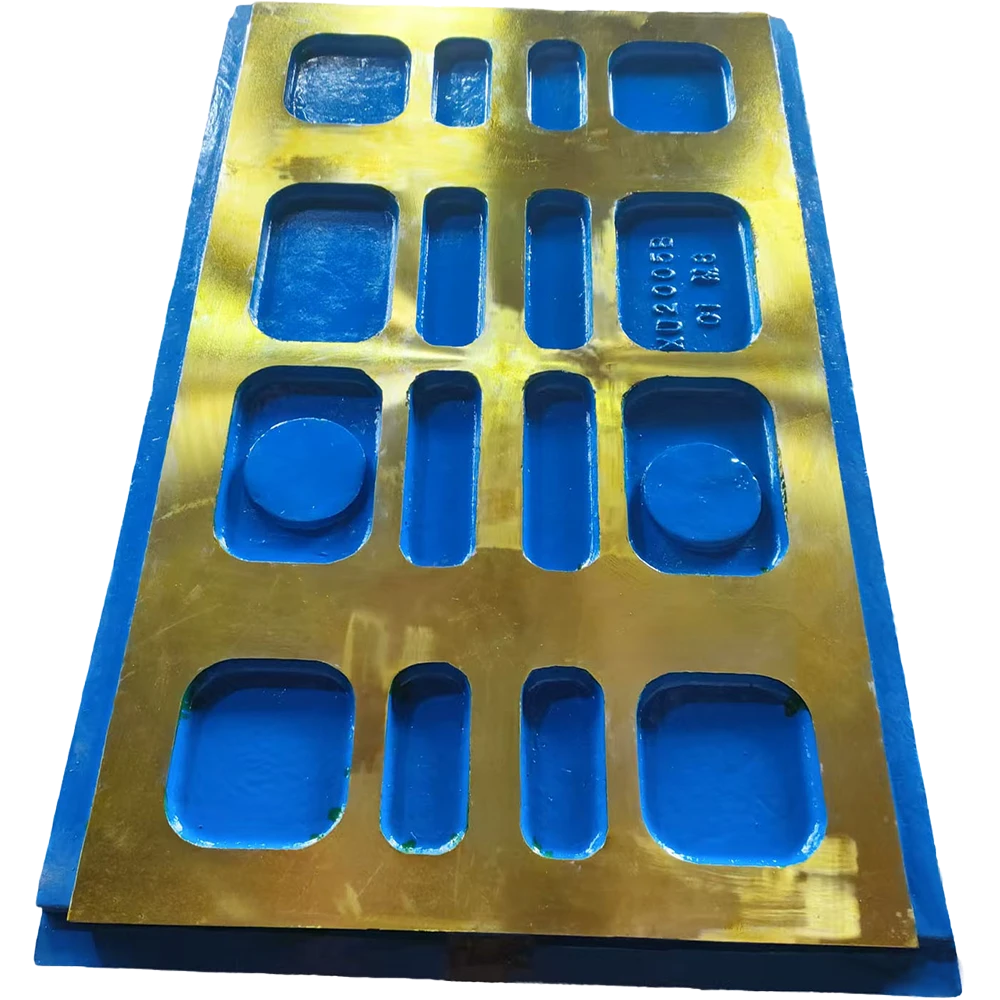
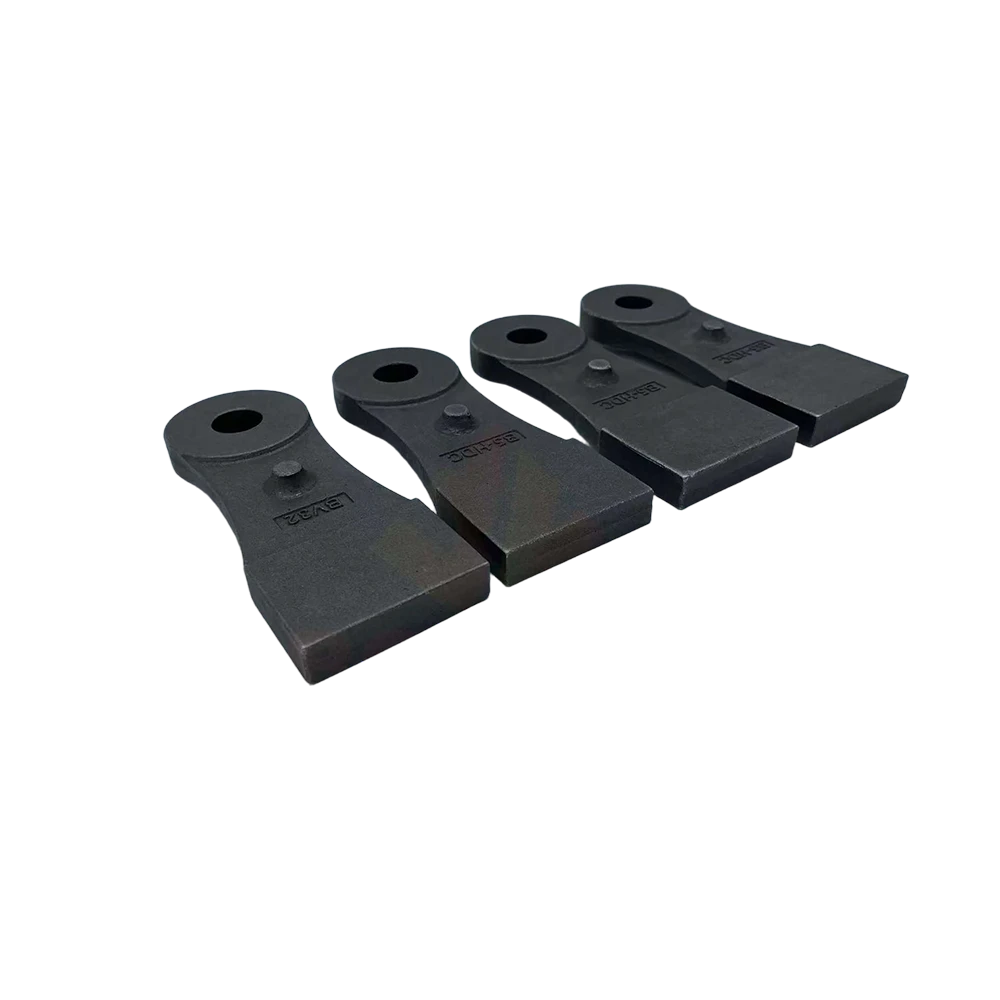
Having spent a good chunk of my career around heavy-duty industrial equipment, I can tell you one thing: not all clamp parts are created equal. When it comes to gripping and holding solid material securely, the metal plate jaw stands out as one of the unsung heroes in the clamping world. Frankly, it’s a simple-looking part with a big impact.
You might wonder, why such attention on something that looks like just a chunk of metal? Well, the truth is, the design and material quality of metal plate jaws can make or break your whole operation, especially when you’re dealing with high-torque applications or precision machining.
Over the years, I’ve noticed a trend toward specialized forging processes and high-alloy steels for these jaws. It’s not just about looking sturdy – though they do look like tanks – it’s about longevity and grip integrity under extreme pressure. Many engineers I’ve worked with swear by chromium-molybdenum alloy steel, which offers excellent toughness while reducing wear.
Key Specs for Metal Plate Jaws
| Specification | Typical Value | Notes |
|---|---|---|
| Material | Chrome-molybdenum steel (AISI 4140) | Heat treated for hardness |
| Hardness (HRC) | 45 - 55 | Ensures wear resistance |
| Max Clamping Force | Up to 100 kN | Depends on jaw size and application |
| Weight | 2.5 - 5 kg (varies by model) | Balance between strength and weight |
| Finish | Machined to precision, black oxide coating | Corrosion resistance |
One thing I’ve picked up from field experience: customization can’t be underestimated. Whether it’s adding serrations for improved grip or tailoring the jaw size to a proprietary chuck, flexibility often saves a project’s timeline. One client of mine recently needed a set for high-temp casting molds, which required both thermal resistance and strong clamping in a confined space. It was a challenge, but the right metal plate jaws made it seamless.
Vendor Comparison: Choosing the Right Supplier
| Feature | DZMC Casting | Competitor A | Competitor B |
|---|---|---|---|
| Custom Engineering Support | Yes, in-house team | Limited | No |
| Material Certification | ISO 9001 / ASTM compliant | Partial | None |
| Lead Time | 4–6 weeks typical | 6–8 weeks | 8+ weeks |
| Pricing | Competitive | Higher | Variable |
| Warranty | 12 months/extended available | 6 months | None |
Oddly enough, what draws me back to DZMC Casting on a regular basis is their blend of quality and hands-on support. They take time to understand your exact requirements, which isn’t always the case in this industry.
Lastly, a quick thought about testing: metal plate jaws undergo various mechanical testing to simulate real-world forces—including tensile, impact, and fatigue tests. This ensures the jaw won’t just hold firm today, but for hundreds of cycles thereafter. With industrial reliability on the line, those details matter more than you might initially think.
So yes, while the metal plate jaw isn’t headline equipment, it sure is a cornerstone in many manufacturing processes. And it pays off to get that part right.
In real terms, investing in quality clamps is investing in your workflow’s stability—and peace of mind.
References
- ASTM International Standards on Alloy Steel Properties
- Industrial Clamping Solutions, Journal of Manufacturing Processes, 2022
- Personal experience with multiple industrial equipment vendors, 2010–2023
-
High Performance oem cast heat resistant steel for Industrial UseNewsApr.16,2026
-
Guide to Selecting High Quality Cast Heat Resistant Steel AlloysNewsApr.09,2026
-
Custom Cast Heat Resistant Steel Solutions for High Temperature ApplicationsNewsApr.07,2026
-
Comprehensive Guide to Wholesale Cast Heat Resistant Steel for Industrial ApplicationsNewsApr.04,2026
-
Comprehensive Guide to High Performance Heat Resistant Metal Product SolutionsNewsMar.31,2026
-
Expert Guidance on Heat Resistant Metal Quotes and Alloy SelectionNewsMar.28,2026