Nov . 30, 2025 23:55
Back to list
OEM Heat Resistant Steel Products – Durable Solutions for High-Temperature Industries
Understanding OEM Heat Resistant Steel Products: Why They Matter in Today’s World
OEM heat resistant steel products — sounds a bit of a mouthful, doesn’t it? But in real terms, these specialized steel components are quietly shaping industries on a global scale. Tough, durable, and designed to withstand punishing environments, they’re critical in everything from power plants to aerospace, automotive to heavy machinery. What’s fascinating is the sheer variety and customization behind OEM (Original Equipment Manufacturer) heat resistant steel products — each tailored for unique tasks where high temperatures and performance can make or break an operation. Globally, heat resistance in steel isn't just a technical feature; it’s a business imperative — reducing downtime, enhancing safety, and extending product lifespans. As industrial demands grow and climate challenges intensify, understanding these products becomes a key advantage. ---Global Context: Why OEM Heat Resistant Steel Products are Essential Now
The numbers tell a story: according to the International Energy Agency, global energy demand is expected to rise by nearly 30% by 2040, heavily reliant on industrial capacity — where heat resistant steel parts ensure machinery keeps running reliably.[1] Meanwhile, ISO standards like ISO 9001 ensure these components meet strict quality metrics, encouraging OEMs worldwide to invest in resilient steel alloys. The challenge? As industries push machines to operate hotter and longer while maintaining efficiency, conventional materials simply won’t cut it. Steel that resists warping, oxidation, and fatigue under intense temperatures is not a luxury — it’s survival. This is even more critical in emerging markets industrializing fast but grappling with unreliable supply chains or harsh environments. ---Defining OEM Heat Resistant Steel Products
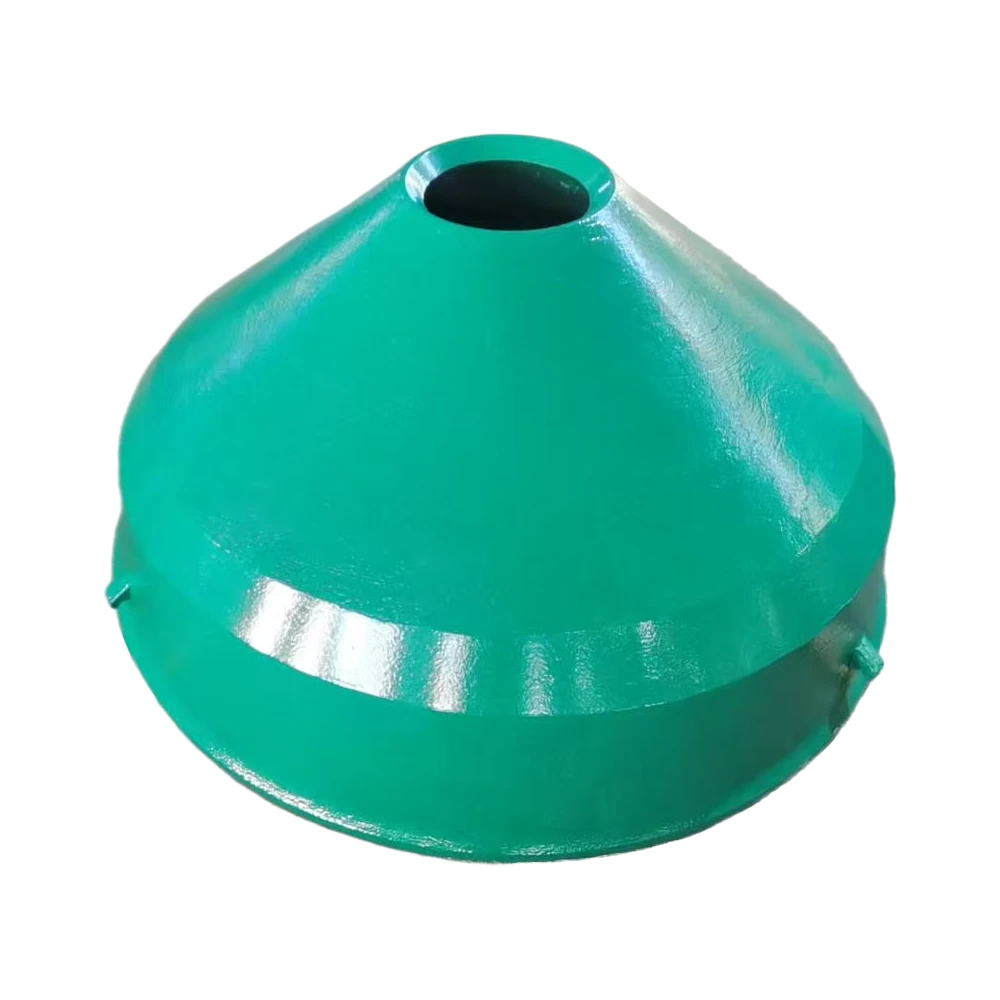
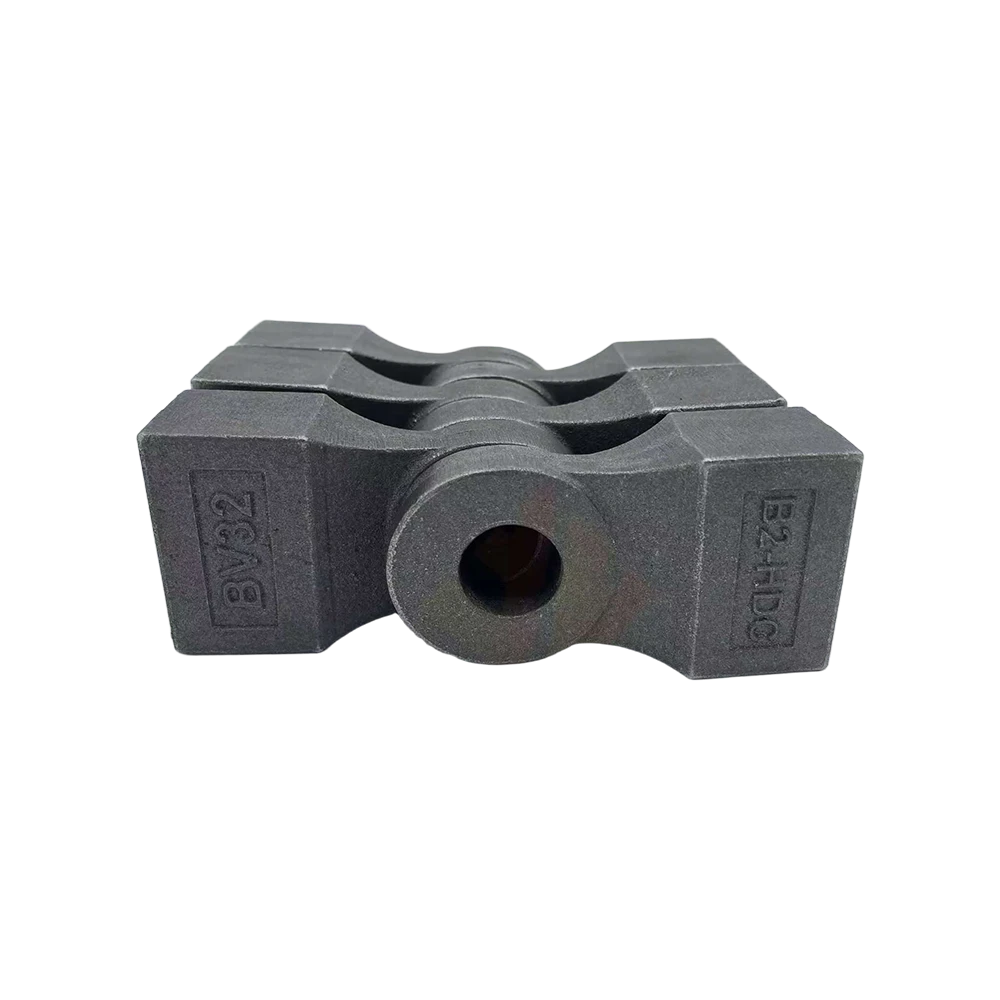
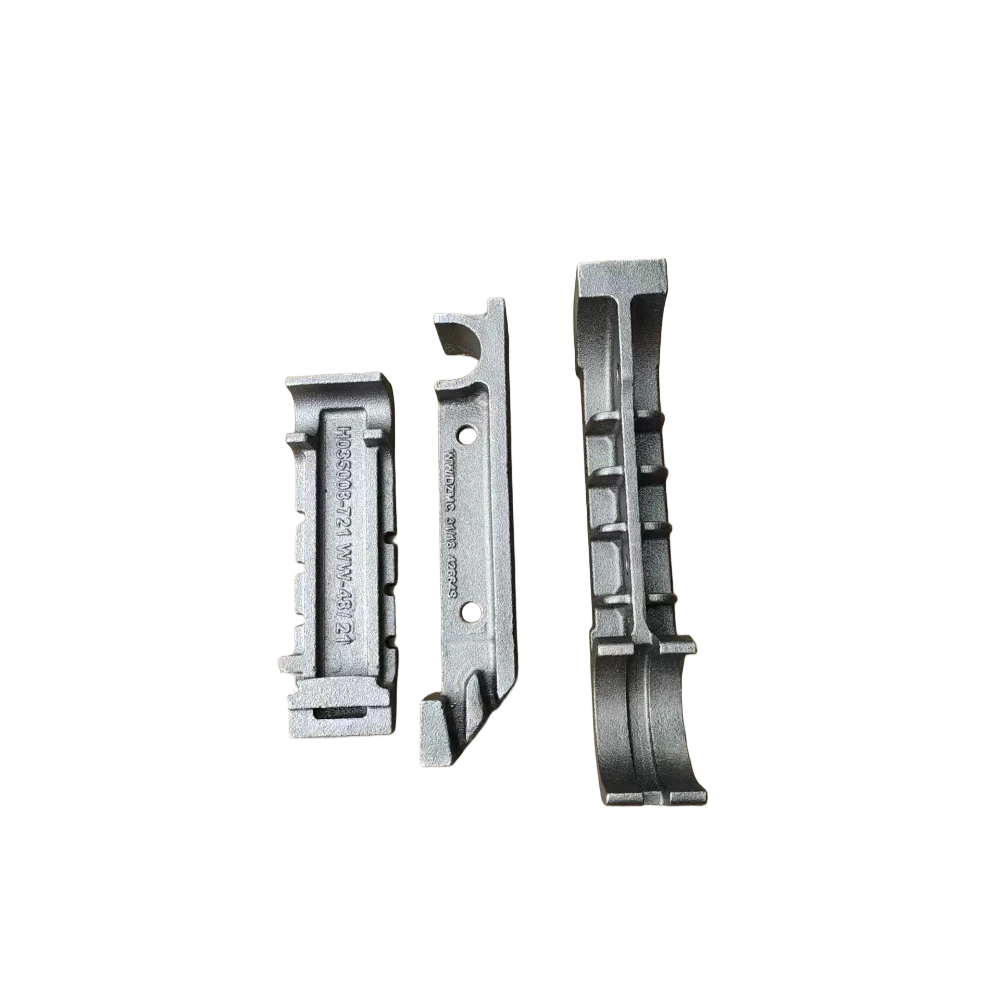
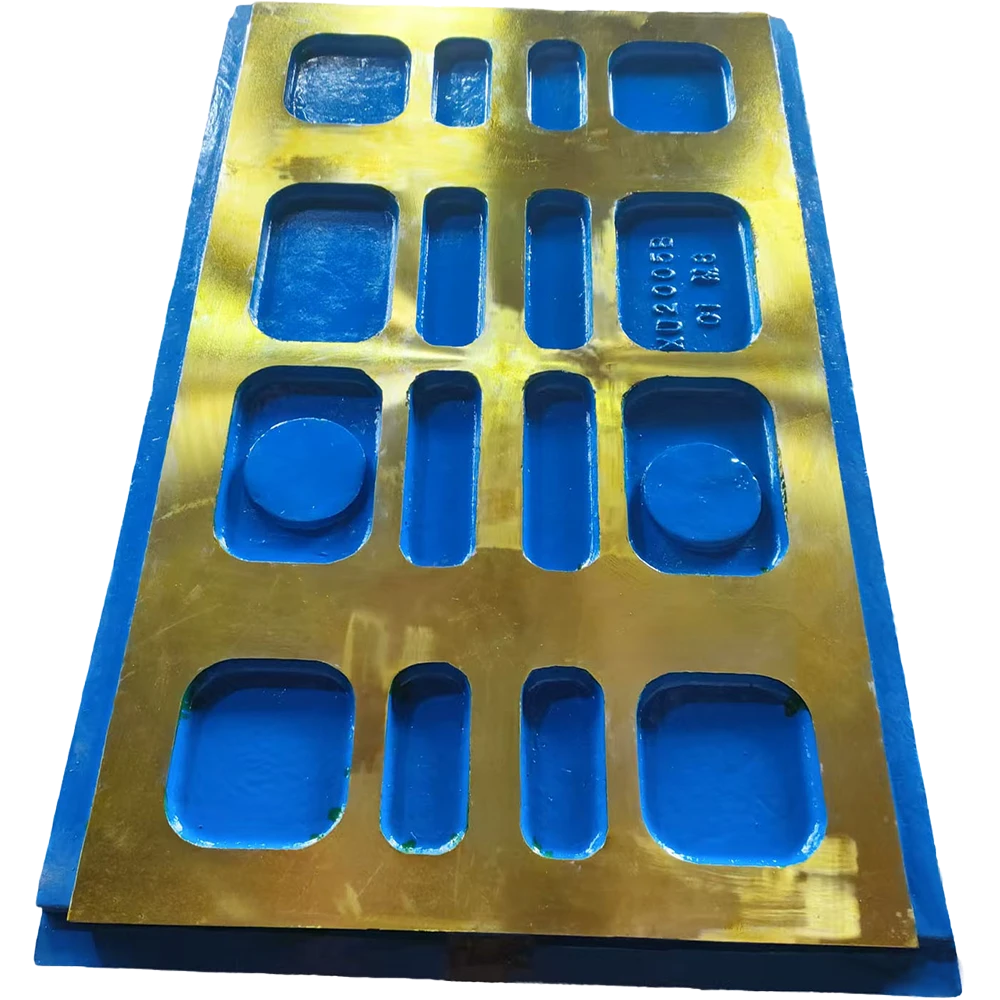
So, what exactly are we talking about? OEM heat resistant steel products include any steel-based parts or components designed and manufactured by an Original Equipment Manufacturer to tolerate elevated temperatures without compromising integrity or safety. Think turbine blades, exhaust manifolds, boiler tubes, or valve components — essentially, steel pieces engineered to perform in fiery settings. They're crafted from heat-resistant alloys, often including chromium, nickel, and molybdenum, which maintain strength and resist corrosion in conditions that regular steel melts or degrades. This specialization connects deeply to sectors like energy, automotive, aerospace, and heavy manufacturing — cornerstones of modern infrastructure and humanitarian logistics. ---Core Components & Key Factors in OEM Heat Resistant Steel Products
1. Durability
These components are meant to last, not just survive a few cycles in extreme heat. Their metallurgical properties prevent cracking or weakening, which engineers say is vital for continuous operations.2. Thermal Stability
Remaining structurally stable at temperatures often exceeding 600°C is essential. The heat resistant alloys used help maintain shape and mechanical properties, avoiding warping or fatigue that can cause expensive downtime.3. Corrosion Resistance
Heat usually intensifies oxidation and chemical degradation. OEM heat resistant steels are deliberately alloyed to fight this corrosion relentlessly, keeping parts functional in harsh environments like chemical plants or marine settings.4. Customizability
These aren’t off-the-shelf products. OEMs fine-tune steel grades and manufacturing processes responding to specific client requirements — be it thickness, tensile strength, or temperature threshold.5. Cost Efficiency
Ironically, investing upfront in heat resistant steel parts often saves money over time through reduced maintenance, fewer replacements, and improved energy efficiency. Mini takeaway: These factors combine to make OEM heat resistant steel products indispensable in high-stakes industrial applications. ---Worldwide Applications: From Industry Giants to Remote Relief Zones
You can find these products across a mind-boggling range of environments: - Energy Sector: Turbine and boiler components are classic examples. Countries like Germany, the USA, and China rely heavily on these parts to sustain power grids. - Automotive & Aerospace: Engine parts undergoing extreme heat cycles use specialized heat resistant steel for longevity and safety. - Chemical & Petrochemical Plants: Pipes and valves here often must resist not just heat but corrosive materials. - Disaster Response: Oddly enough, heat resistant steel frames sometimes play roles in emergency equipment or modular shelters designed for hot climates, ensuring material integrity when it matters most. - Emerging Markets: India and Brazil’s industrial upscaling involves increasing deployment of OEM heat resistant steel products in manufacturing and infrastructure. ---Advantages & Long-Term Value of OEM Heat Resistant Steel Products
The benefits start with reliability — these products minimize unexpected breakdowns, which frankly, in large-scale operations, can save millions. They also support sustainability goals by enabling more efficient processes and reducing waste from frequent part replacements. On a human level, they contribute to safer work environments by lowering the risk of catastrophic failures. Innovation is another angle. Engineers say working with such materials pushes new design frontiers — lighter composites, smarter alloys, and better integration with digital monitoring. ---Product Specification Table
| Specification | Typical Value | Notes |
|---|---|---|
| Alloy Composition | Cr 12-18%, Ni 8-15%, Mo 1-3% | Varies based on heat resistance grade |
| Max Operating Temp | 600–1100°C | Dependent on steel grade |
| Tensile Strength | 450–850 MPa | Varies with tempering |
| Corrosion Resistance | High (oxidation and acid resistant) | Critical for chemical exposure |
| Typical Applications | Engine parts, exhaust systems, industrial valves | Customized by OEM standards |
Comparing Vendors of OEM Heat Resistant Steel Products
| Vendor | Customization Options | Delivery Speed | Quality Certifications | Price Range |
|---|---|---|---|---|
| SteelForge Solutions | Wide (grade & shape customization) | 4-6 weeks | ISO 9001, API 6A | $$$ |
| ThermoMetals Co. | Moderate (standard grades) | 3-5 weeks | ISO 9001, ISO 14001 | $$ |
| HeatGuard Steel Pvt. | Extensive (full OEM services) | 5-7 weeks | API 6A, ISO 9001, TS16949 | $$$$ |
Emerging Trends & Innovations Shaping the Future
The future (which seems to come faster than we expect) for OEM heat resistant steel products is full of exciting possibilities. Smart alloys incorporating rare earth metals promise even greater thermal endurance. Additive manufacturing or 3D printing is slowly entering this niche, allowing for complex geometries impossible with traditional methods, enhancing part efficiency. Sustainability also factors in heavily — greener steelmaking processes, recycling heat resistant scraps, and optimizing production energy use — all tie into rising UN sustainability goals.[2] Manufacturers experimenting with digital twins and IoT-enabled monitoring can predict wear and schedule maintenance proactively, ultimately saving costs and downtime. ---Challenges and Practical Solutions
No silver bullet here. Heat resistant steels often face challenges like: - High production costs due to expensive alloying elements. - Supply chain complexities, especially for rare elements. - Manufacturing precision demands rigorous quality control. - Environmental regulations limiting certain alloy compositions. Experts advise strategic partnerships with suppliers offering vertical integration and flexible customization. Innovations in cheaper substitute alloys and improved recycling are making inroads. In real terms, companies that stay agile and invest in R&D tend to keep a competitive edge. ---Frequently Asked Questions About OEM Heat Resistant Steel Products
Q1: How do OEM heat resistant steel products differ from regular steel parts?A1: OEM heat resistant steels are specially formulated to withstand high temperatures without losing strength or corroding, unlike regular steel which may warp or degrade quickly under heat. Their precise alloy mix gives them this crucial edge.
Q2: Can these products be customized for specific industrial applications?
A2: Absolutely. OEMs tailor heat resistant steel grades, shapes, and finishes according to client needs, ensuring optimal performance in unique environments such as chemical plants or aerospace engines.
Q3: What industries benefit most from these steel products?
A3: Key industries include energy generation, automotive manufacturing, aerospace, petrochemicals, and heavy machinery sectors — anywhere high temperatures are part of daily operation.
Q4: How do these steel products impact long-term maintenance costs?
A4: Their durability means fewer replacements and less downtime, which translates directly to significant savings over a product’s lifecycle.
Q5: Is sourcing these products internationally complicated?
A5: While some technical regulations apply, most reputable vendors provide global shipping and certification support. NGOs or industries can also explore oem heat resistant steel products through trusted suppliers for smoother logistics.
---
Conclusion: Durable, Essential, and Future-Ready
OEM heat resistant steel products aren’t just components — they are the backbone of resilient, efficient, and safe industrial infrastructure worldwide. Investing in these steels’ durability and customization unlocks cost savings, operational stability, and eco-friendly advancements that industrial players increasingly demand. Curious to explore what specialized heat resistant steels could do for your operations? Visit our website: https://www.dzmccasting.com to discover tailor-made solutions designed to handle the heat, literally. In the end, like many engineers say, “It’s not just about resisting heat — it’s about mastering it, so industry keeps moving forward.” ---References
Latest news
-
High Performance oem cast heat resistant steel for Industrial UseNewsApr.16,2026
-
Guide to Selecting High Quality Cast Heat Resistant Steel AlloysNewsApr.09,2026
-
Custom Cast Heat Resistant Steel Solutions for High Temperature ApplicationsNewsApr.07,2026
-
Comprehensive Guide to Wholesale Cast Heat Resistant Steel for Industrial ApplicationsNewsApr.04,2026
-
Comprehensive Guide to High Performance Heat Resistant Metal Product SolutionsNewsMar.31,2026
-
Expert Guidance on Heat Resistant Metal Quotes and Alloy SelectionNewsMar.28,2026