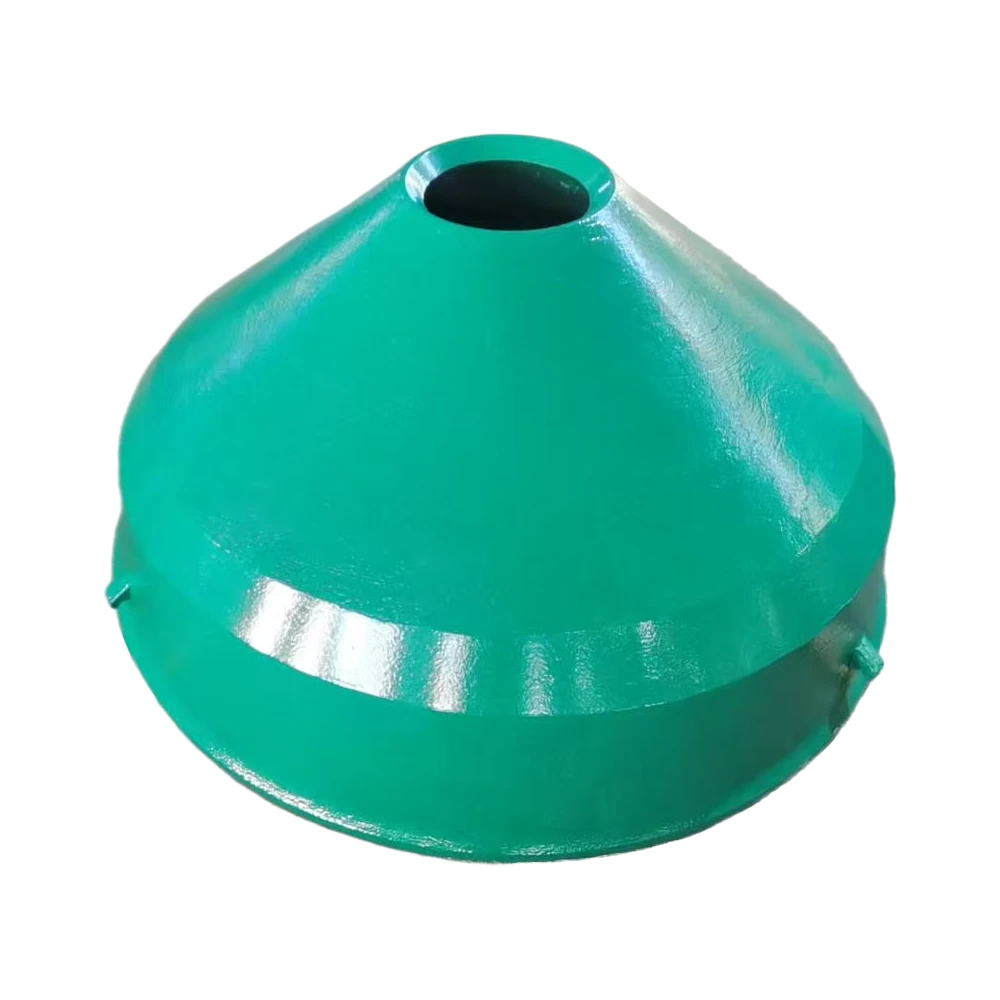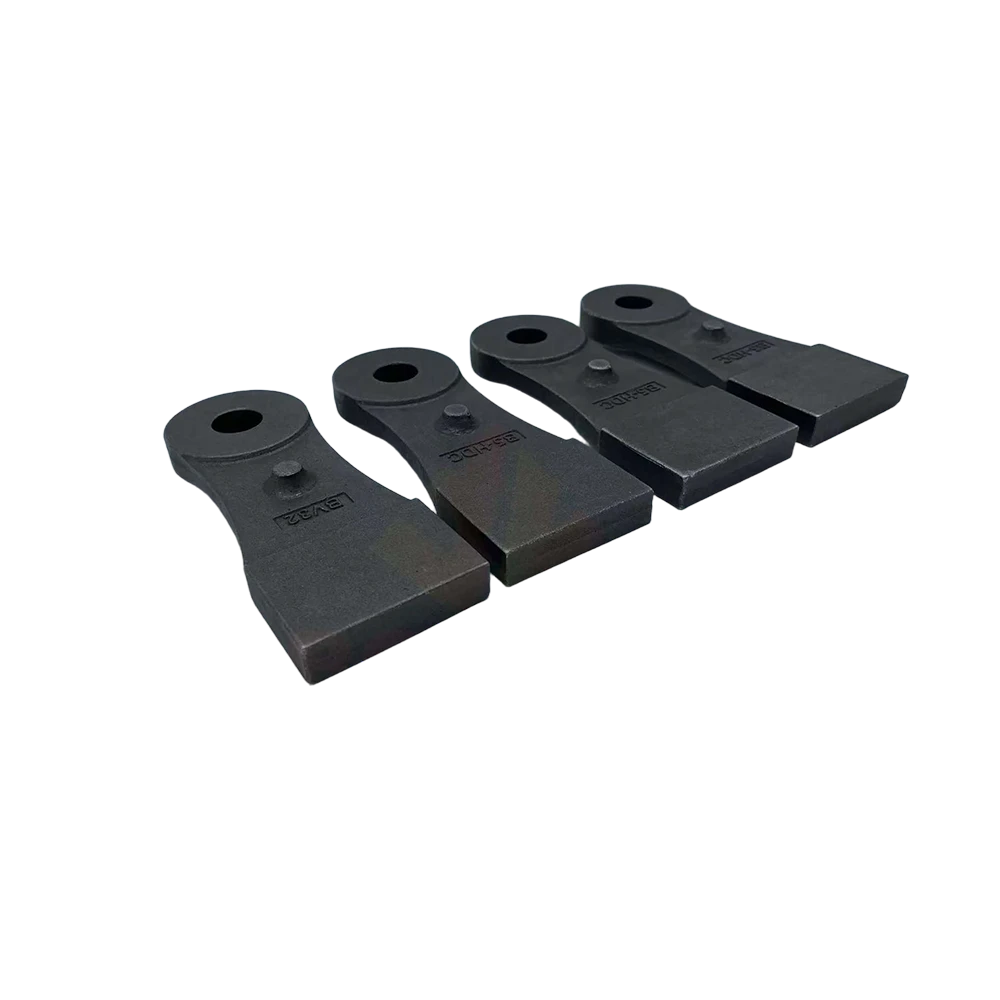
OEM High Temperature Resistant Steel: Durable Materials for Extreme Heat Applications
Understanding OEM High Temperature Resistant Steel: What It Means for Industry and Innovation
When we talk about OEM high temperature resistant steel, we're really delving into a specialized type of steel engineered to handle extreme heat without losing its integrity. This isn’t just a niche marvel — it plays a remarkable role globally, underpinning industries from aerospace to energy generation. The ability to produce and apply such steels effectively can equate to better safety, cost efficiency, and longer-lasting machinery in demanding environments.
In essence, understanding this steel could be a game-changer for manufacturers aiming to push boundaries sustainably and reliably.
Global Context: Why Does OEM High Temperature Resistant Steel Matter?
On a planet that's steadily industrializing and warming simultaneously, materials capable of withstanding high temperatures are crucial. According to the International Organization for Standardization (ISO), global industrial demand for heat-resistant materials is expected to grow by over 5% annually through 2030. This boom aligns with expansions in renewable energy sectors (like solar thermal plants) and heavy industries.
But here’s the catch: Many traditional steels start to lose strength at temperatures above 400°C, leading to failures or costly downtime. This gap creates a challenge — as machinery and tools routinely experience temperatures well over 700°C, especially in oil refineries, chemical plants, and aerospace applications.
OEM high temperature resistant steel steps in to fill this void — offering dependable resilience.
What Exactly Is OEM High Temperature Resistant Steel?
Simply put, it’s a type of steel tailored by Original Equipment Manufacturers (OEMs) to endure elevated thermal conditions without warping, cracking, or corroding quickly. Chemically, these steels often boast enriched alloying elements — chromium, molybdenum, nickel — which enhance oxidation resistance and mechanical strength at heat.
This steel supports modern industry and even humanitarian efforts. For example, in creating durable power generation turbines or fire-resistant structural components in emergency relief shelters, its properties ensure safety and performance under stress.
Core Aspects of High Temperature Resistant Steel
1. Durability
These steels maintain their structural integrity for thousands of hours at temperatures upwards of 700°C. That durability translates to longer component lifetimes and fewer replacements.
2. Thermal Stability
By resisting thermal fatigue and creep deformation, these steels prevent failures caused by repeated heating and cooling cycles — a common dilemma in manufacturing plants.
3. Corrosion and Oxidation Resistance
High-temp environments are often chemically aggressive. The right alloy composition forms protective oxide layers, reducing rust and degradation.
4. Manufacturability and Customization
OEMs often need to tailor alloys or shapes specific to their machinery designs. Advanced processing techniques like vacuum melting yield steels that fit precise requirements.
5. Cost Efficiency
Though these steels are pricier upfront, their extended lifespan and reduced maintenance costs usually ensure better ROI.
Mini takeaway: It’s this blend of ruggedness, resistance, and adaptability that makes OEM high temperature resistant steel indispensable in many industries.
Global Applications and Industry Use Cases
- Oil and Gas Industry: Critical valves, pipelines, and heat exchangers endure harsh heat and chemical exposure.
- Power Generation: Turbine blades and boiler components in thermal power plants require robust, heat-resistant steels.
- Aerospace and Defense: Jet engines and exhaust systems depend on steels that won’t deform at soaring temperatures.
- Automotive: Components like exhaust manifolds and turbochargers use these steels to improve efficiency and durability.
- Construction: Heat-resistant steel frames used in fireproof or industrial facilities.
In emerging markets — think South Asia and parts of Africa — industries are increasingly adopting such steels to push industrialization while managing operational risks. Post-disaster housing solutions sometimes incorporate heat-resistant steel for fire safety, especially in areas prone to wildfires.
Product Specifications: Typical Properties of OEM High Temperature Resistant Steel
| Property | Value | Unit |
|---|---|---|
| Maximum Operating Temp. | 900 | °C |
| Tensile Strength | 750 | MPa |
| Thermal Conductivity | 18 | W/m·K |
| Oxidation Resistance Time | 1000 | hours @ 800°C |
Vendor Comparison: Popular OEM High Temperature Resistant Steel Suppliers
| Supplier | Alloy Composition | Typical Application | Price Range (USD/kg) |
|---|---|---|---|
| SteelCo | Cr-Mo-Ni blend | Power & Energy | 4.5 – 6.0 |
| AlloyMasters | Fe-Ni-Mo-Cu | Aerospace Components | 6.0 – 8.0 |
| HeatResist Corp. | Cr-Ni-Ti stabilized | Industrial Machinery | 5.0 – 7.0 |
Advantages and Long-Term Impact
Why invest in OEM high temperature resistant steel? Well, beyond the obvious durability, there’s a story of trust and foresight:
- Cost Savings: Fewer replacements mean leaner budgets and less downtime.
- Environmental Sustainability: Longer service life reduces waste and energy consumed in manufacturing replacements.
- Safety and Reliability: In high-risk industries, steel that won’t fail unexpectedly protects lives and assets.
- Innovation Enablement: Enables designs previously impossible, opening fresh paths for industrial progress.
It feels like these steels help anchor the future—quite literally, sometimes.
Emerging Trends & Innovations
There’s a clear trend toward greener alloying practices, minimizing rare or toxic elements while maximizing heat resistance. Plus, digital manufacturing processes, such as additive manufacturing (3D printing of metal components), enable more complex shapes that traditional casting or forging couldn’t handle.
Automation in monitoring steel condition (through embedded sensors) is also creating “smart” metal components, alerting operators early to potential wear or stress.
Common Challenges and Smart Solutions
Despite its benefits, OEM high temperature resistant steel isn't without hurdles:
- Cost Pressure: Not every project can justify the upfront spend.
- Complex Manufacturing: Precise alloying and processing require sophisticated facilities.
- Supply Chain Risks: Sourcing specialty elements can be impacted by geopolitical and environmental factors.
To counter these, many OEMs adopt partnerships with trusted suppliers offering customizable batches or pursue R&D to develop alternative alloys balancing cost and performance. Additionally, adapting advanced recycling techniques helps mitigate supply risks.
FAQ: Your Questions About OEM High Temperature Resistant Steel Answered
- What industries use OEM high temperature resistant steel the most?
- The primary users include aerospace, power generation, oil & gas, automotive exhaust systems, and heavy chemical manufacturing. These sectors demand steels that hold up under extreme heat and corrosive conditions.
- How long does this steel typically last in service?
- Under proper conditions, OEM high temperature resistant steel components can operate reliably for 10–20 years or more, depending on thermal cycles and mechanical stresses.
- Is this steel environmentally friendly?
- While steel production is energy-intensive, high temperature resistant variants contribute to sustainability by extending equipment life and being recyclable. Innovations are also reducing the environmental footprint of production.
- Can small companies access OEM heat-resistant steel?
- Yes, many suppliers offer smaller quantities and technical support. Collaborating directly with manufacturers or distributors can help tailor solutions without huge minimum orders.
- How can I get OEM high temperature resistant steel shipped internationally?
- Most major suppliers have established global logistics and comply with international trade regulations. It’s advisable to verify import duties and certifications required for specific regions.
Conclusion
Ultimately, OEM high temperature resistant steel is more than just a material — it’s a cornerstone of industrial resilience and innovation worldwide. Its ability to endure, adapt, and perform paves the way for safer, smarter, and more efficient operations. If you’re looking to upgrade your equipment or explore new designs that demand uncompromising durability, dive deeper by visiting our website for tailored solutions.
There’s a certain satisfaction in knowing a piece of steel could quietly support massive power engines or enable life-saving infrastructure. After all, progress often rests on the materials we trust.
References:
-
High Performance oem cast heat resistant steel for Industrial UseNewsApr.16,2026
-
Guide to Selecting High Quality Cast Heat Resistant Steel AlloysNewsApr.09,2026
-
Custom Cast Heat Resistant Steel Solutions for High Temperature ApplicationsNewsApr.07,2026
-
Comprehensive Guide to Wholesale Cast Heat Resistant Steel for Industrial ApplicationsNewsApr.04,2026
-
Comprehensive Guide to High Performance Heat Resistant Metal Product SolutionsNewsMar.31,2026
-
Expert Guidance on Heat Resistant Metal Quotes and Alloy SelectionNewsMar.28,2026