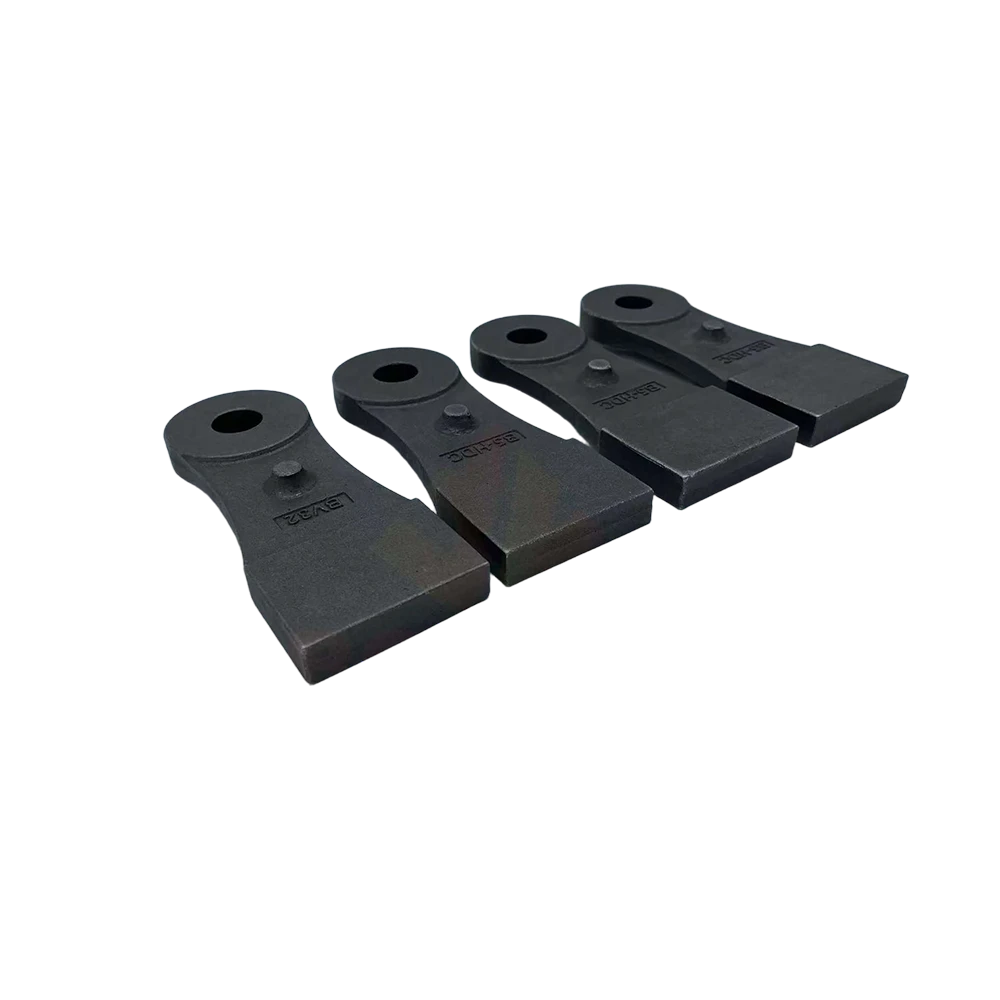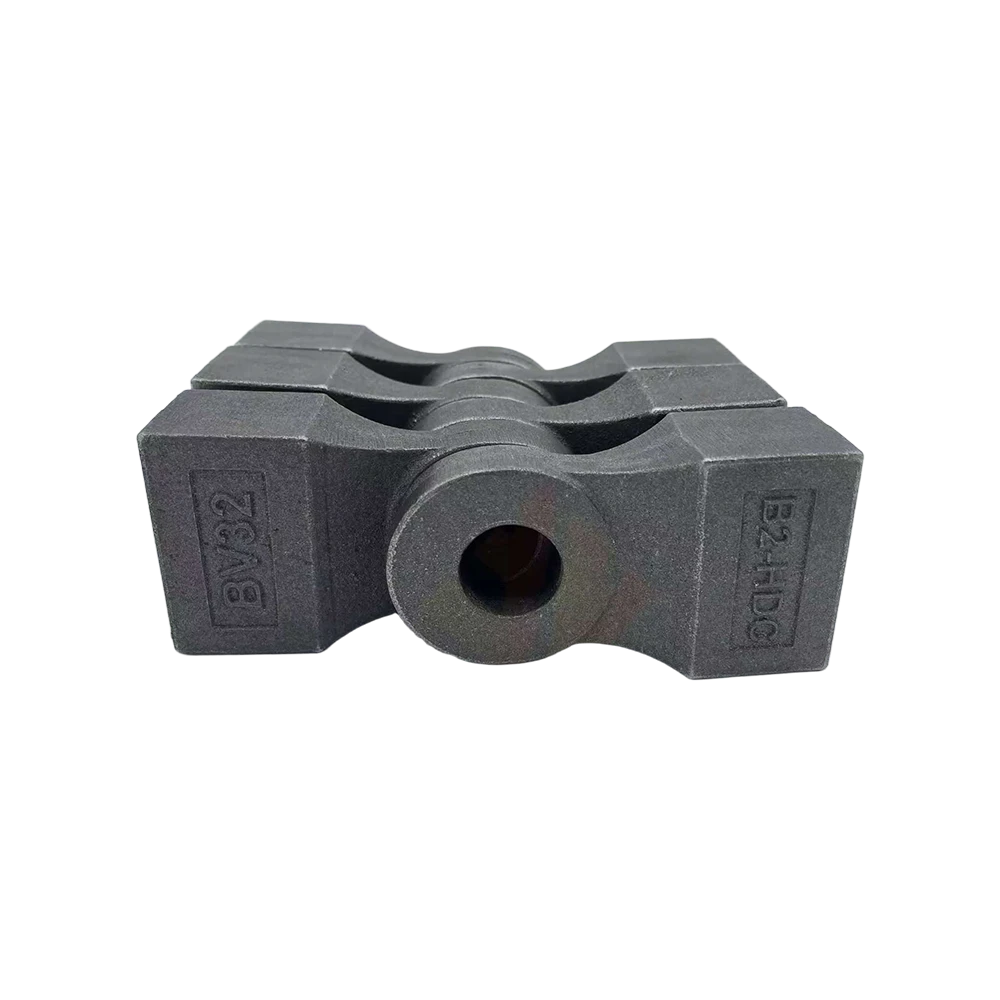
Plate Crushers – Industrial Efficiency & Sustainability Solutions
Plate Crushers: The Unsung Heroes of Industrial Efficiency
Plate crushers might not be the flashiest machines in the industrial lineup, but they’re pivotal in sectors from mining to recycling. They’re the workhorses that break down large plates of metal or other solid materials into manageable chunks—critical when you need to process raw materials efficiently. Understanding plate crushers means understanding more than just a machine; it’s about unlocking smoother workflows, cutting costs, and even helping with environmental goals worldwide.
Why Plate Crushers Matter Globally
Globally, industries face massive challenges around resource management, waste reduction, and supply chain efficiency. According to the United Nations reports on sustainable industry growth (UN SDG 9), there is mounting pressure to ramp up recycling efforts and reduce waste footprints. Crushers play a vital role here. For example, plate crushers enable efficient downsizing of metal scrap, making materials easier to transport and reuse, thus closing the loop in many circular economies.
The World Bank estimates over 10 billion tons of raw material extraction globally in 2022 alone—huge volumes to handle mechanically. Plate crushers address one facet of that challenge by refining bulky inputs into workable pieces for further processing. Industries from shipbreaking yards in South Asia to scrap metal recyclers in Europe rely heavily on these machines to keep their workflows productive yet environmentally compliant.
Mini takeaway: Plate crushers contribute to global sustainability, helping cut costs and emissions by prepping scrap and materials for reuse efficiently and safely.
What Exactly Are Plate Crushers?
If you’re picturing a giant crusher smashing plates like in a kitchen sink scene, not quite. Plate crushers are industrial machines designed to shred, crush or fragment large solid plates—typically metal or composite plates—into smaller, uniform pieces. Think of them as the industrial equivalent of a nutcracker but on an epic scale. They’re essential for prepping materials so that subsequent processes like smelting, milling, or shipping become manageable.
In mining, construction, and metal recycling sectors, plate crushers reduce raw input sizes, making downstream processing feasible. Oddly enough, the concept also finds a humanitarian angle: in disaster zones, some plate crusher tech variants are used to break down debris for quick site clearance, tying in with modern relief efforts needing fast, efficient equipment.
Mini takeaway: Plate crushers are industrial-size machines that break down large plates for easier handling and reuse, bridging manufacturing and humanitarian applications.
Key Factors of Modern Plate Crushers
Durability and Material Strength
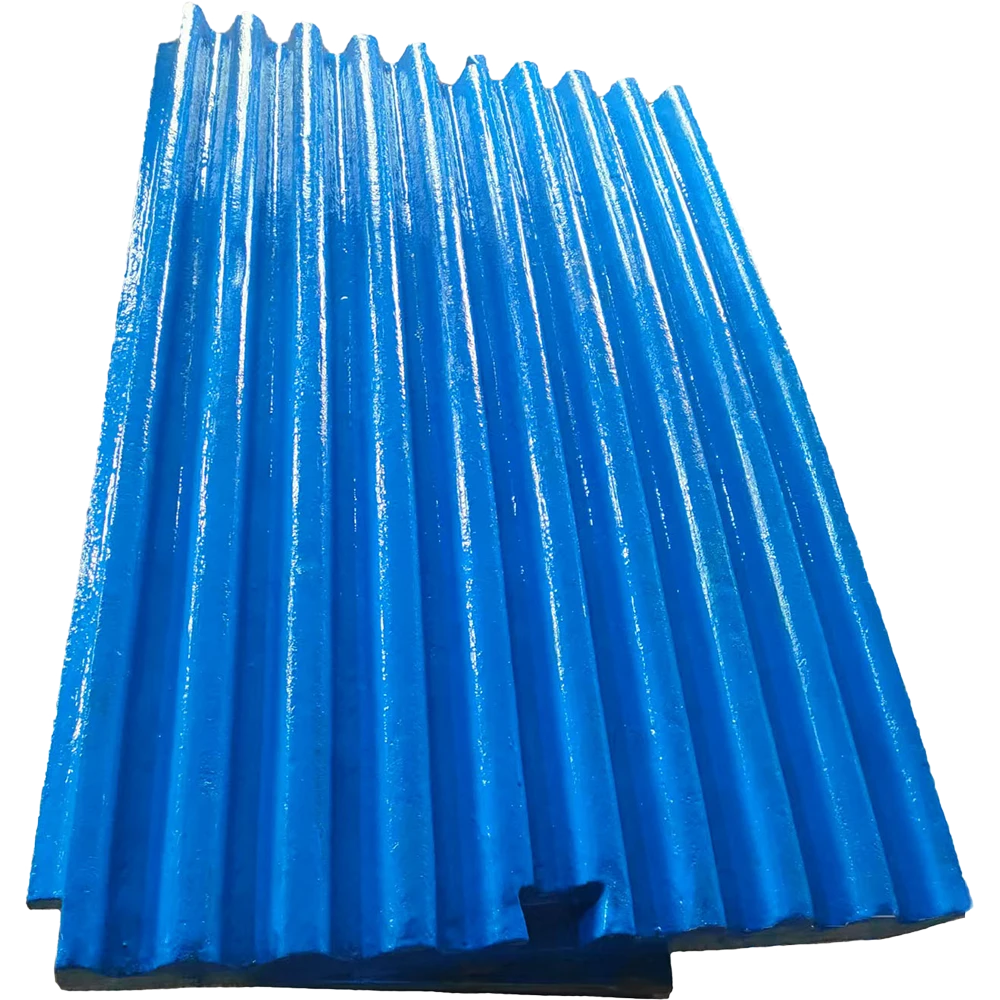
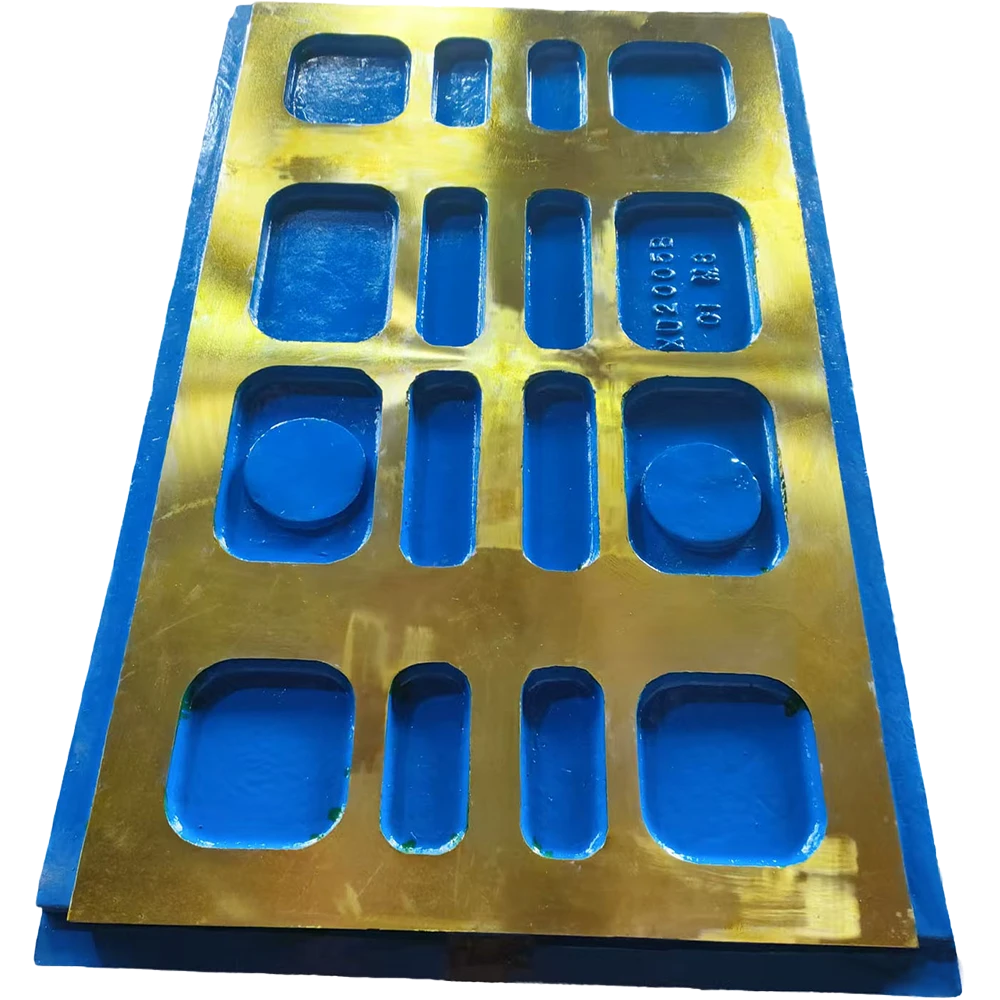
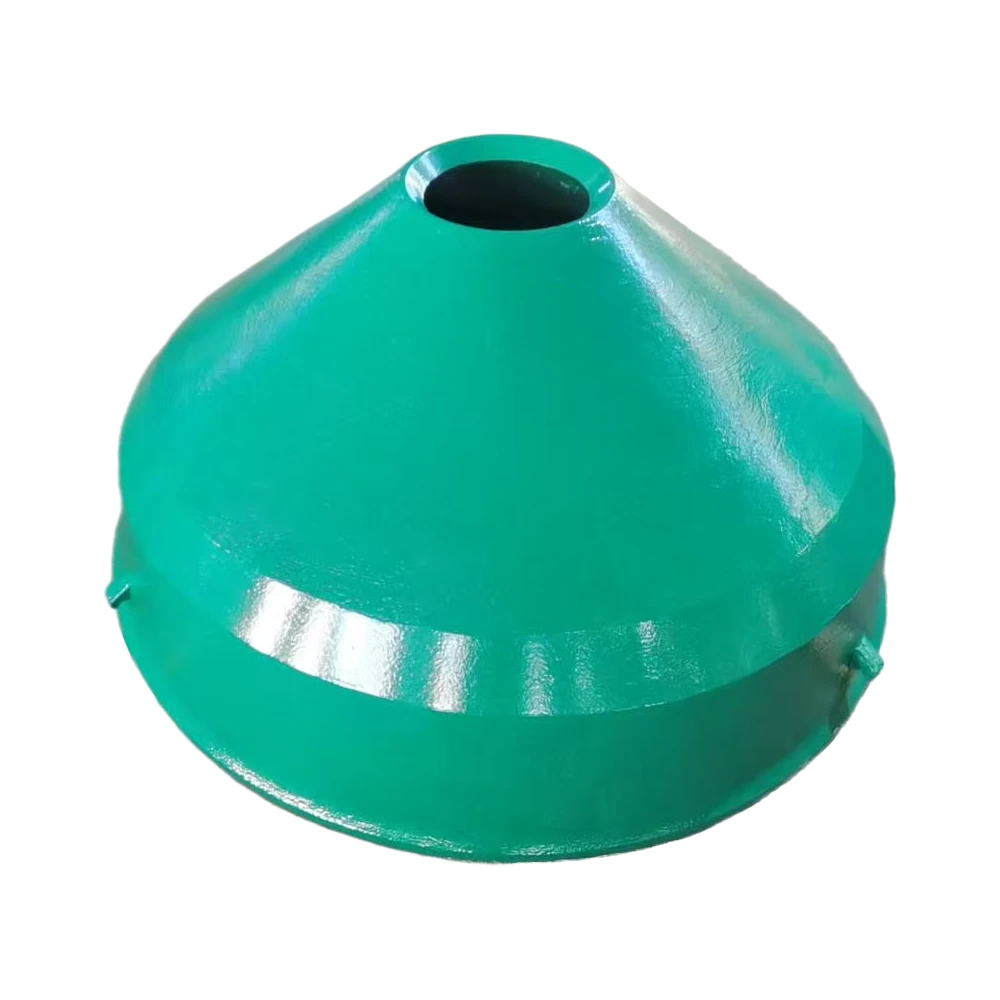
These crushers endure some serious punishment. They’re often made from hardened steel alloys tolerant to abrasive and heavy loads. If you don’t prioritize durability, expect downtime and costly repairs that can bottleneck entire operations.
Scalability and Throughput
Depending on the plant’s scale, crushers vary in throughput capacity—from a few tons per hour in localized scrapyards to hundreds of tons in massive steel recycling plants. Flexibility to adjust throughput makes plate crushers adaptable to varying operational needs.
Energy Efficiency
Energy costs are the bane of any plant manager’s existence. Efficient crushers reduce power consumption without compromising performance, especially with modern designs leveraging electric drives or hybrid tech.
Safety Features
Let’s be honest—these are heavy machines processing heavy stuff. Incorporating emergency stops, guard panels, and fail-safes reduces injury risks and ensures compliance with industrial safety standards.
Maintenance & Ease of Use
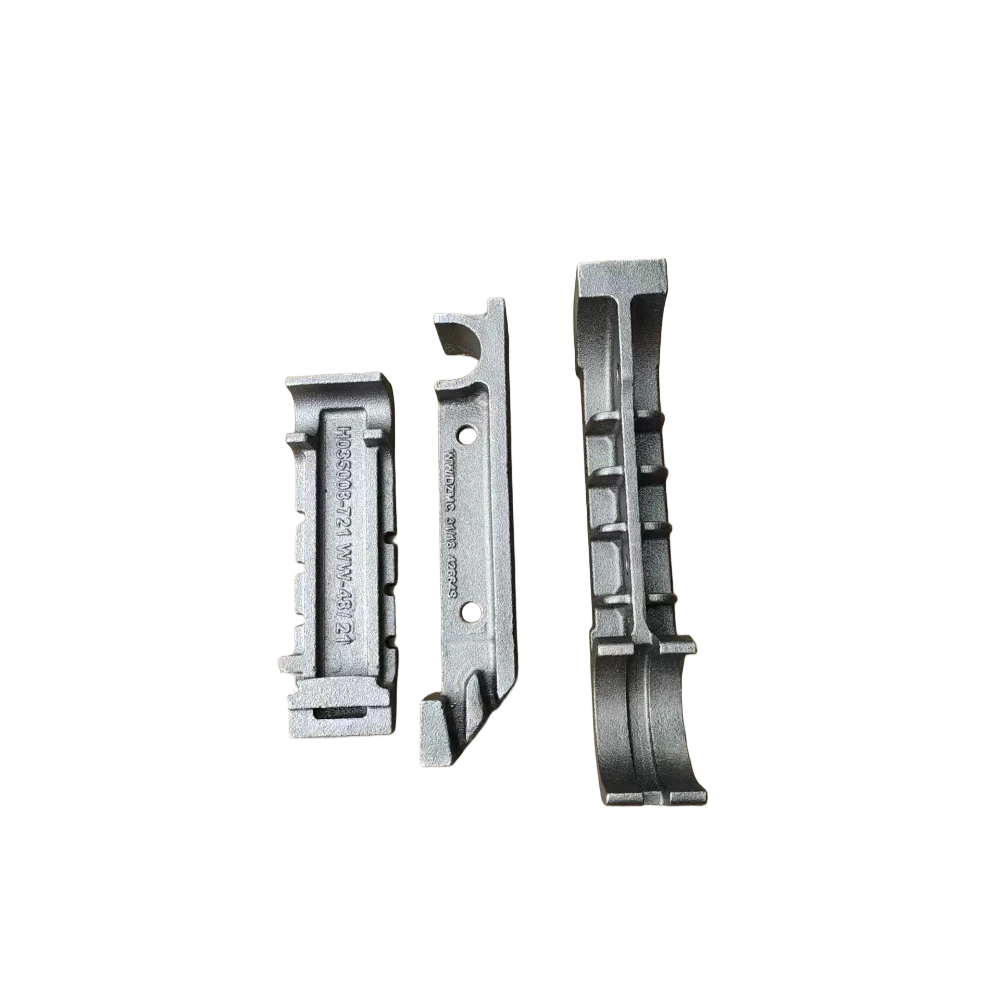
Designs with easy access points and modular components mean less downtime during routine maintenance — which many experts say is just as important as crushing power itself.
Customization Options
Different industries need different crushing profiles — some need coarse chunks, others finer granules. Adjustable plates, jaw angles, or rotor speeds help tailor output to specific demands.
Mini takeaway: The best plate crushers balance endurance, throughput flexibility, energy use, safety, and maintenance accessibility — often with built-in options for customization.
Global Applications: Where Do Plate Crushers Play a Role?
- Metal recycling centers: Plate crushers break down large scrap sheets from automotive or construction industries to feed smelters and shredders.
- Mining operations: Crushers process alloy and plate ores, prepping them for chemical refining.
- Shipyards & demolition sites: For rapid reduction of thick steel plates in shipbreaking or land clearance.
- Post-disaster recovery: Some humanitarian agencies deploy portable or modular plate crushers to help clear debris quickly.
- Manufacturing plants: Plate crushers aid waste reduction and raw material recycling within production lines.
In regions like Southeast Asia, where scrap metal industries flourish, plate crushers significantly improve logistics by making transport cheaper and safer. In Europe and North America, tighter environmental policies drive demand for crushers optimized for energy efficiency and minimal noise pollution.
Mini takeaway: Plate crushers are widespread across multiple sectors and regions, often tailored to local operational challenges and regulations.
Product Specification Table: Typical Plate Crusher Model
| Specification | Value / Range |
|---|---|
| Crushing Capacity | Up to 20 tons/hour |
| Power Consumption | 15–40 kW |
| Plate Thickness Range | 5–30 mm |
| Weight | 2,500–5,000 kg |
| Dimensions (L×W×H) | 4m × 2m × 2.5m |
| Noise Level | 85 dB (approx.) |
Major Vendors Comparison
| Vendor | Product Range | Energy Efficiency | Customization | Global Support |
|---|---|---|---|---|
| CrusherPro Inc. | Low to High Capacity | High (IE4 motors) | Full range | 24/7 global: yes |
| MetalCrush Solutions | Medium to High Capacity | Medium (standard motors) | Limited | Regional (EMEA, APAC) |
| EcoCrush Tech | Low Capacity | Very High (solar-powered options) | Moderate | Focused on green markets |
What Benefits Do Plate Crushers Bring?
At face value, a plate crusher means easier handling of large and awkward materials. But dig a little deeper and the advantages stack up:
- Cost efficiency: Smaller, uniform pieces reduce transportation and logistics expenses significantly.
- Sustainability: Enables higher rates of scrap reuse and recycling, aligning operations with circular economy principles.
- Safety: Reduces handling risks by mechanizing what would otherwise be dangerous manual work.
- Operational continuity: With less manual intervention, processes tend to be smoother and more reliable.
- Social impact: In disaster sites, faster debris clearance means communities can rebuild sooner, restoring dignity and hope.
Emotionally, it's satisfying working with equipment that literally turns waste into opportunity and lets operators go home safe every day. Frankly, not every piece of heavy machinery can make that claim.
Mini takeaway: Plate crushers reduce costs, boost sustainability, improve safety, and support humanitarian relief.
Emerging Trends & Innovations
Innovation in plate crushing isn’t static. There’s a growing emphasis on:
- Green Energy Solutions: Solar-powered crushers or hybrid engines slash carbon footprints.
- Automation & IoT Integration: Sensors and digital monitoring enable predictive maintenance, reducing downtime.
- Advanced Alloys & Coatings: Extending wear life and reducing maintenance frequency.
- Modular Designs: For rapid deployment in remote or disaster-prone areas.
Seen any plate crushers on drones or remotely operated? Not yet… but who knows? The future is fast, and the industry is listening.
Challenges and How to Overcome Them
Of course, plate crushers are not magic boxes. Some hurdles include:
- Wear and tear: Crushing thick metal repeatedly requires constant upkeep.
- Energy demands: Not all sites have reliable power.
- Noise & emissions: Difficult to eliminate entirely.
- Initial costs: High upfront investment, although ROI is usually strong.
Experts suggest adopting multi-stage crushing (using smaller secondary crushers), integrating energy recovery systems, and choosing vendors with strong after-sales service. Also, I noticed companies increasingly bundle maintenance contracts to smooth costs over time.
Frequently Asked Questions About Plate Crushers
Q1: What plate thicknesses can typical crushers handle?
Most industrial plate crushers process metal plates between 5 mm and 30 mm thick. However, some heavy-duty models can manage thicker steel plates upward of 50 mm. When choosing a crusher, match its capacity specs with your material specs for optimal performance.
Q2: How energy-intensive are plate crushers?
Energy consumption varies widely but typically ranges from 15 to 40 kW per hour for mid-sized units. Advances in motor efficiency and system design help reduce power usage, especially with variable frequency drives that adjust crusher speed based on load.
Q3: Are plate crushers suitable for portable or temporary sites?
Yes! Many manufacturers now offer modular, mobile plate crushers ideal for remote sites or disaster relief areas where quick deployment and easy transport are essential.
Q4: How often do plate crushers require maintenance?
Routine maintenance is usually necessary every few hundred operating hours. Wear parts like crushing plates wear down and need swapping to maintain efficiency. Predictive maintenance using sensors is gaining traction to avoid unexpected downtime.
Q5: Can plate crushers help with environmental compliance?
Definitely. By enabling more efficient recycling processes, plate crushers contribute to meeting environmental regulations related to waste reduction, emissions, and material reuse.
Wrapping Up: Why Plate Crushers Deserve Your Attention
In a world increasingly driven by sustainability and efficiency, plate crushers quietly offer tangible, long-term value. Whether you’re running a scrapyard, managing a mining operation, or dealing with disaster debris, these machines help you do more with less—less cost, less waste, less risk.
If you want to explore the right plate crusher for your needs, visit our trusted resource at plate crushers to see the latest models and expert guidance tailored to your industry challenges.
At the end of the day, they’re not just crushers; they’re enablers of progress, innovation, and a cleaner footprint on the planet.
References
-
High Performance oem cast heat resistant steel for Industrial UseNewsApr.16,2026
-
Guide to Selecting High Quality Cast Heat Resistant Steel AlloysNewsApr.09,2026
-
Custom Cast Heat Resistant Steel Solutions for High Temperature ApplicationsNewsApr.07,2026
-
Comprehensive Guide to Wholesale Cast Heat Resistant Steel for Industrial ApplicationsNewsApr.04,2026
-
Comprehensive Guide to High Performance Heat Resistant Metal Product SolutionsNewsMar.31,2026
-
Expert Guidance on Heat Resistant Metal Quotes and Alloy SelectionNewsMar.28,2026