Primary Gyratory Crusher Parts – Durable & High-Quality Components
Primary Gyratory Crusher Parts: Backbone of Crushing Excellence
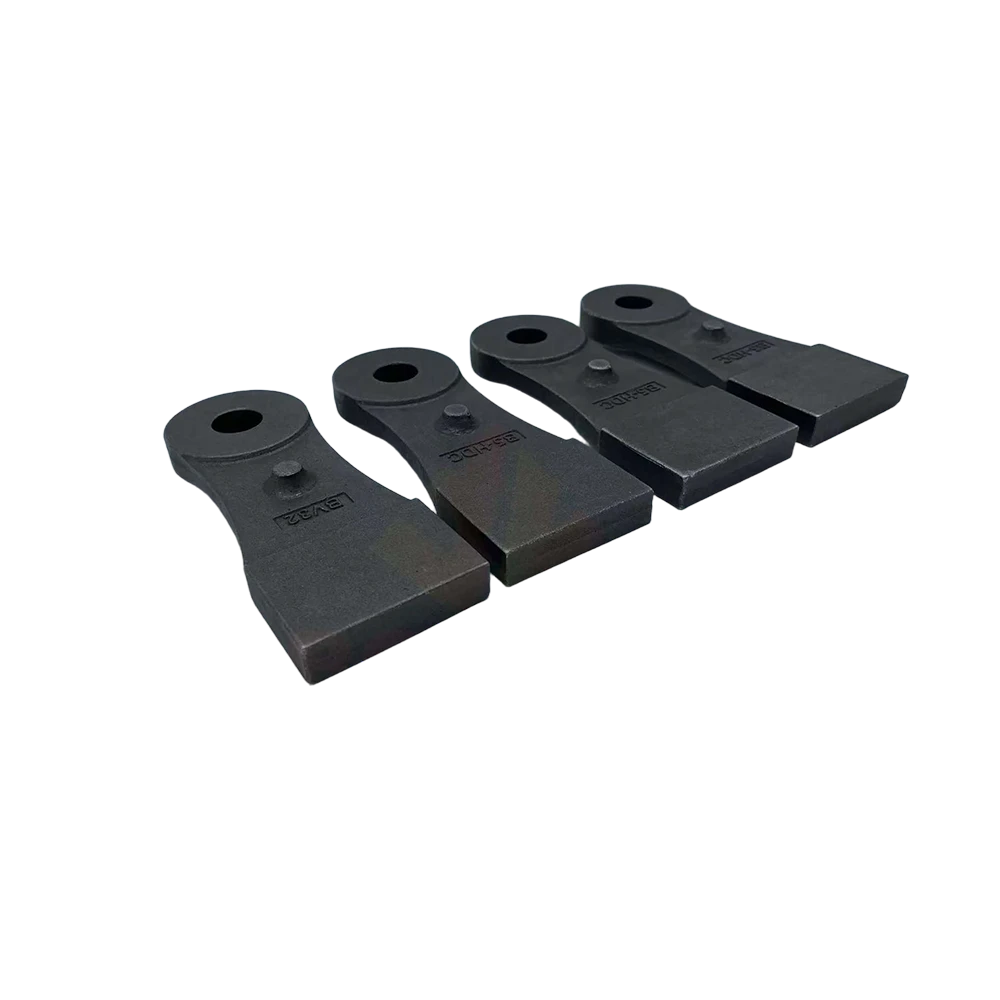
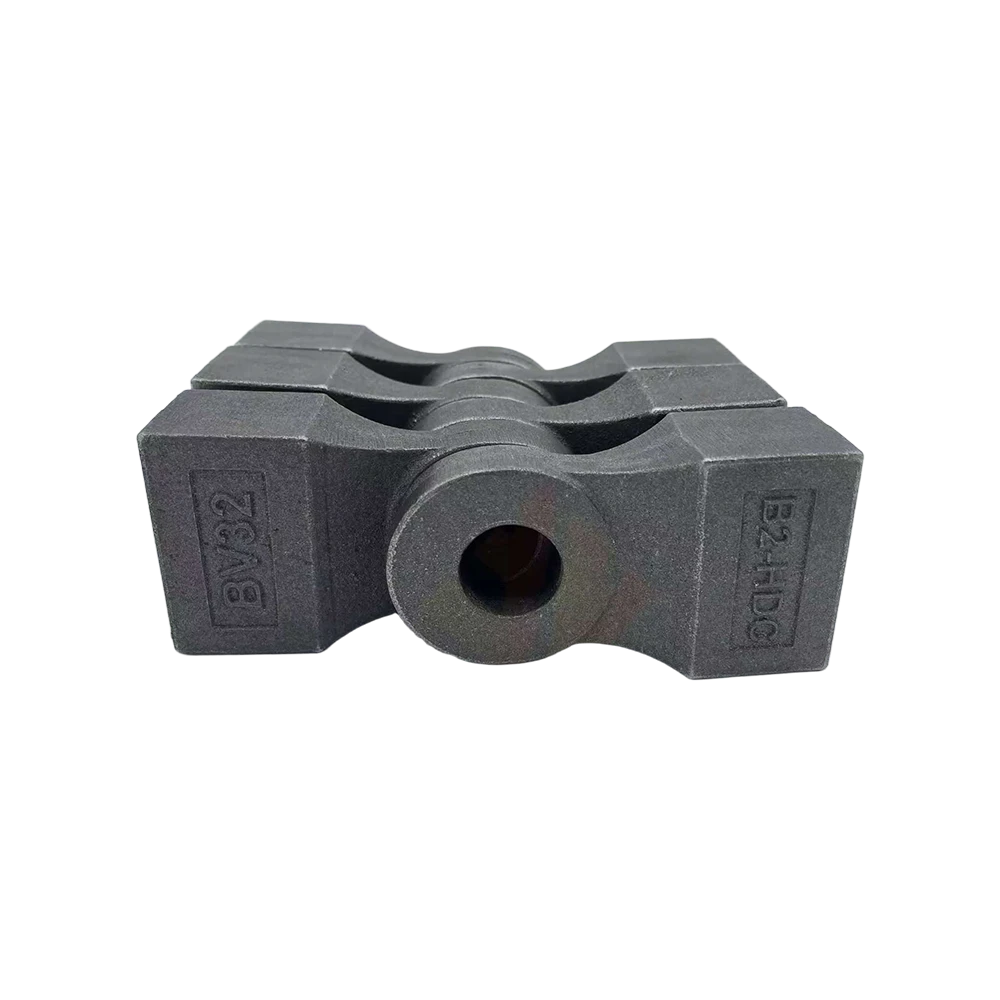
Having spent more than a decade in the industrial equipment sector, I’ve come across a fair share of machines and their components. But if you ask me what really makes or breaks a crushing operation, I’d say the primary gyratory crusher parts hold a significant place — literally and figuratively. These parts are the unsung heroes behind the heavy-duty crushing processes in mining and aggregate production.
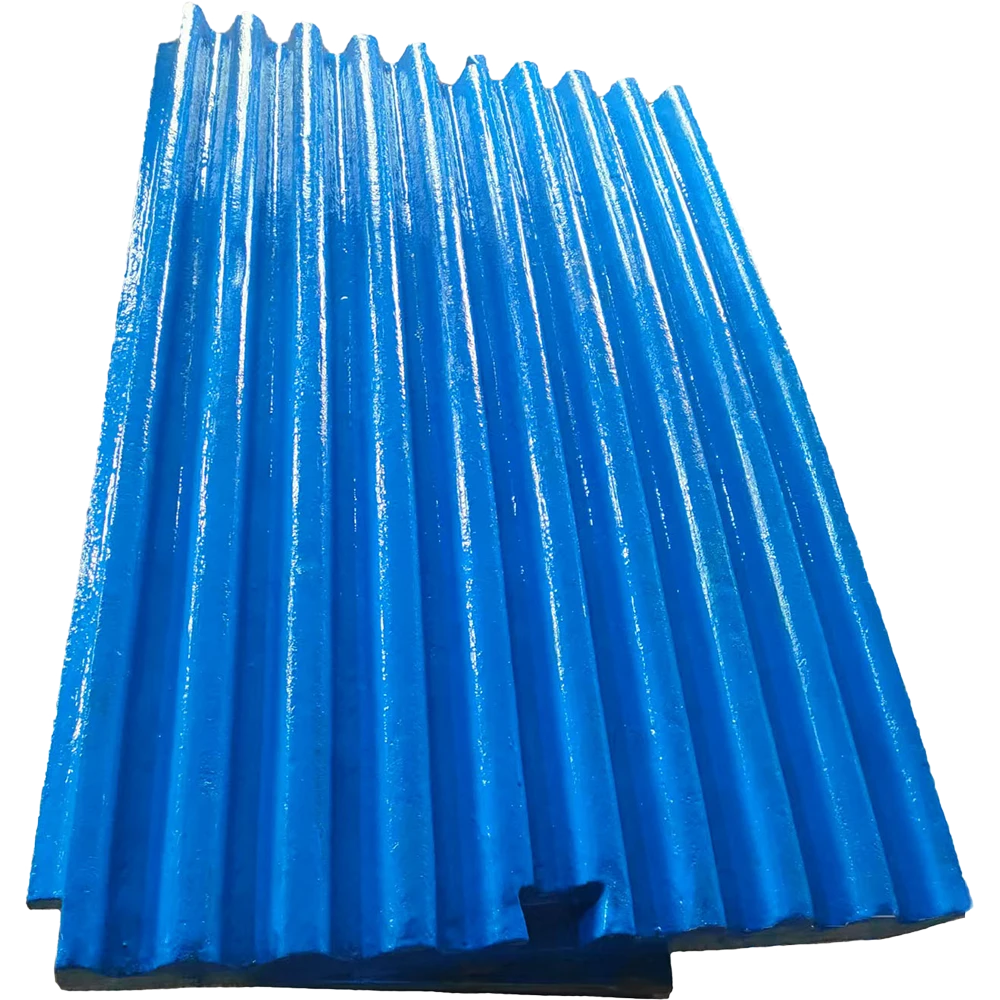
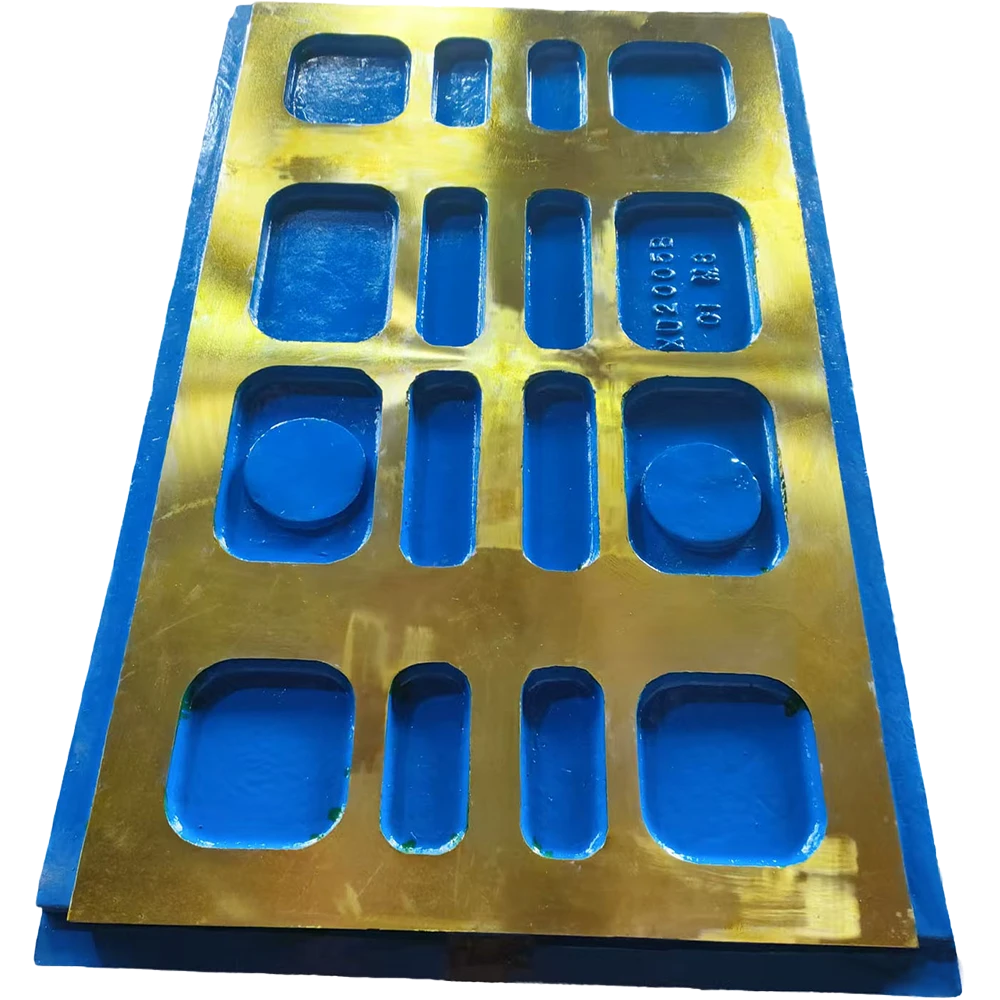
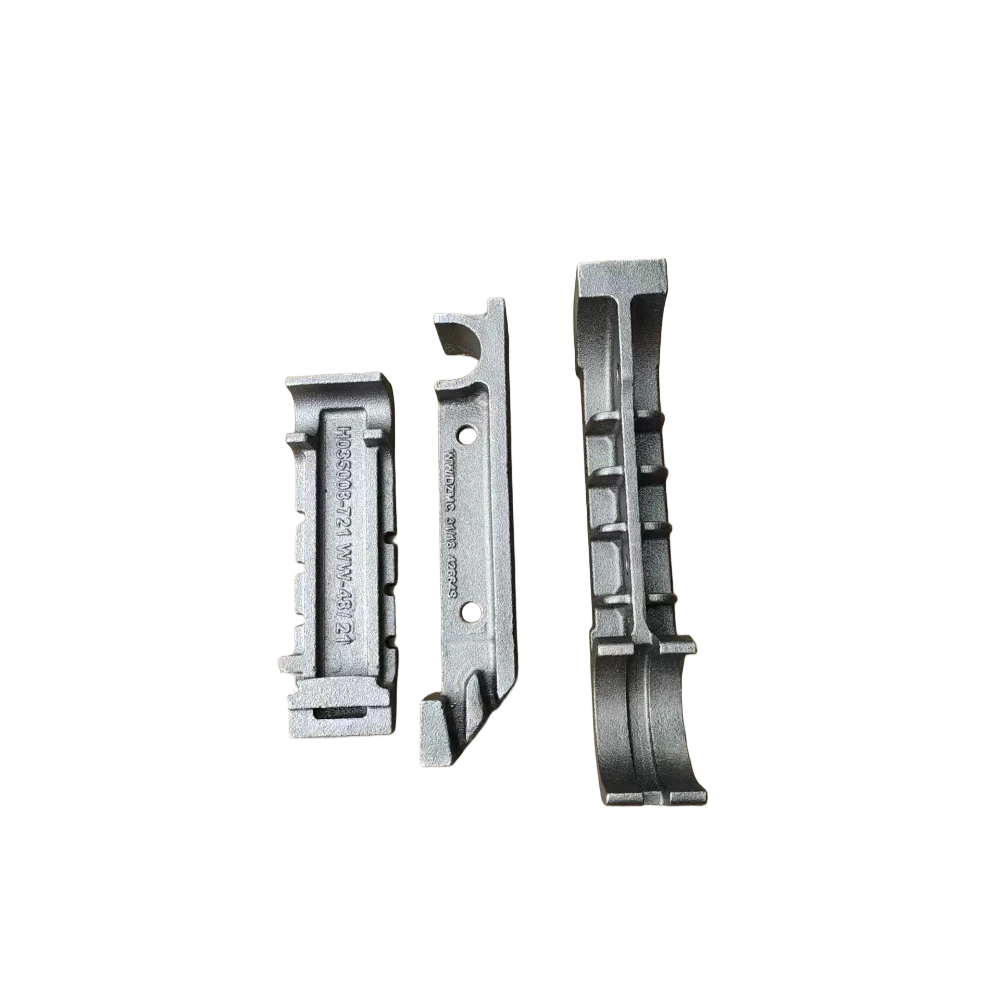
Oddly enough, while primary gyratory crushers look deceptively simple on paper, the parts inside them are finely tuned pieces of engineering that demand top-tier materials and precision casting. From the mantle to the concave liners, each piece endures tremendous forces, heat, and wear. And, in real terms, a failure here could cost a site days of downtime. Trust me; I’ve seen that happen.
What Makes Primary Gyratory Crusher Parts So Special?
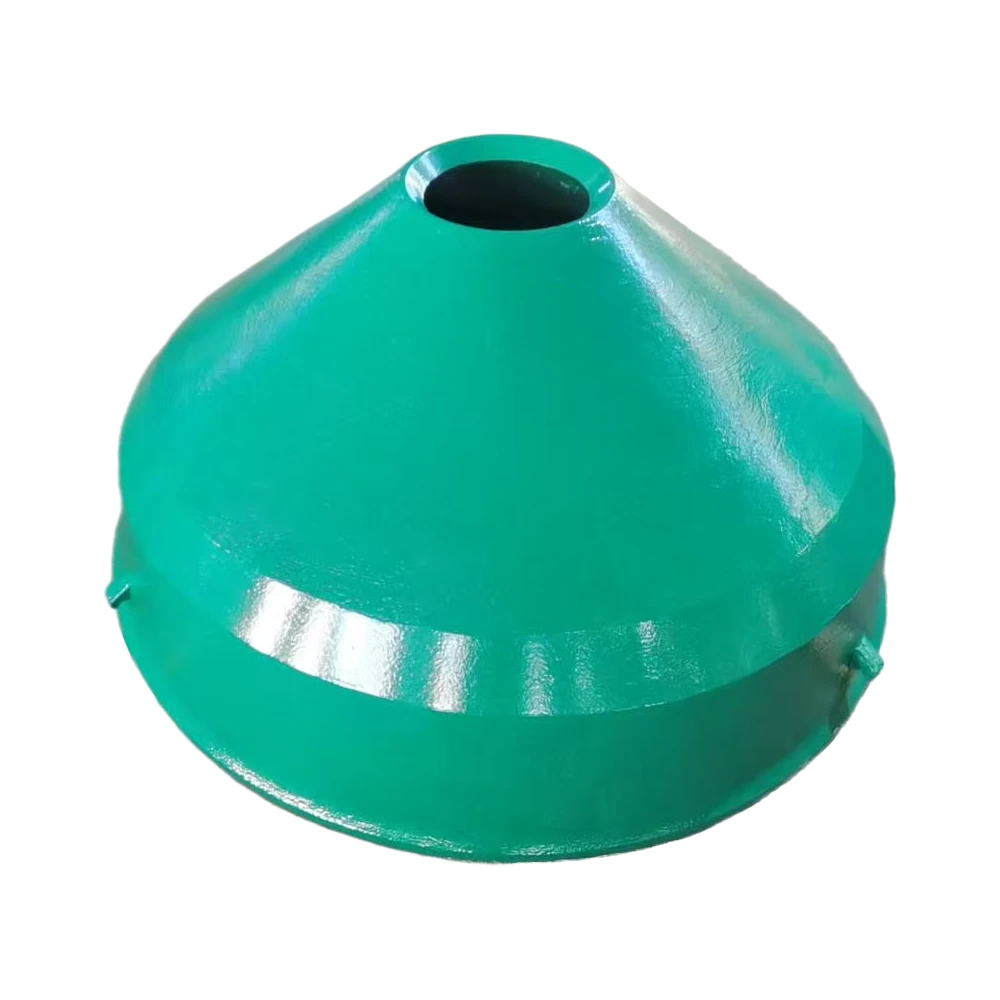
First off, these parts aren’t just off-the-shelf items slapped into place. Their design has evolved over the years to optimize crushing efficiency and durability. The mantle, which is the moving part of the crusher’s cone, must be cast with super-robust alloys because it faces constant abrasion. Similarly, concave liners, the fixed crushing surface, often use manganese steel – known for its work-hardening properties.
Many engineers I know appreciate manufacturers who commit to rigorous testing — be it ultrasonic inspection or hardness evaluation — to ensure the casting integrity before shipment. I suppose that’s why I’m a bit partial to manufacturers who blend modern metallurgy with hands-on experience. You can almost tell the difference when a part fits perfectly and lasts longer.
| Part Name | Material | Typical Hardness | Notes |
|---|---|---|---|
| Mantle | High Manganese Steel | 280-320 HB | Work-hardening surface, withstands impact |
| Concave Liners | High Chrome Alloy | 260-300 HB | Resistant to abrasion and deformation |
| Main Shaft | Forged Steel | 350 HB (approx.) | High tensile strength, precision-machined |
| Dust Seal | Rubber + Metal Composite | N/A | Protects internal components from dust ingress |
Choosing Your Supplier: A Quick Vendor Comparison
From my experience, not all vendors are created equal – you’ll want one with reliable casting tech, solid QA processes, and responsive support. Here’s a quick rundown of three well-known suppliers I've dealt with:
| Vendor | Material Quality | Customization Options | Lead Time | After-Sales Support |
|---|---|---|---|---|
| DZMCCasting | High-grade alloys, ISO certified | Highly flexible, custom casting | 4-6 weeks | Responsive, technical consulting |
| Generic Metals Co. | Good, standard grades | Limited customization | 6-8 weeks | Basic support |
| Prime Crusher Parts Ltd. | Premium materials, advanced alloys | Moderate customization | 5-7 weeks | Comprehensive service |
To be honest, I found that vendors like DZMCCasting tend to strike a good balance between quality and flexibility. A particular customer I worked with once switched to them after recurring failures with liners — they reported noticeably less downtime within months. These parts truly make a difference on the ground.
What I also appreciate, and you might have noticed, is how mining and construction industries are demanding parts that are not only tougher but also lighter — a tricky combo. Modern casting techniques, including precision pouring and heat treatments, are helping meet those requirements. Continual innovation in this space is exciting and necessary.
Ultimately, whether you’re maintaining a fleet of crushers or designing new crushing circuits, selecting the right primary gyratory crusher parts is crucial. They impact crushing performance, operational costs, and machine longevity. So, investing in higher quality, sometimes pricier parts can pay dividends in the long haul.
It feels like an often overlooked angle, but scrimping on parts quality can actually cost more. Just my two cents.
References:
1. “Wear Materials for Crushing Equipment,” Mining Journal, 2021.
2. “Advances in Casting Technology,” Foundry World, 2023.
3. Personal experience and customer feedback (2010-2023).
-
High Performance oem cast heat resistant steel for Industrial UseNewsApr.16,2026
-
Guide to Selecting High Quality Cast Heat Resistant Steel AlloysNewsApr.09,2026
-
Custom Cast Heat Resistant Steel Solutions for High Temperature ApplicationsNewsApr.07,2026
-
Comprehensive Guide to Wholesale Cast Heat Resistant Steel for Industrial ApplicationsNewsApr.04,2026
-
Comprehensive Guide to High Performance Heat Resistant Metal Product SolutionsNewsMar.31,2026
-
Expert Guidance on Heat Resistant Metal Quotes and Alloy SelectionNewsMar.28,2026