Quality Crusher Parts Factory Insights & Vendor Comparison
Crusher Parts Factory: My Take on What Makes Quality Parts
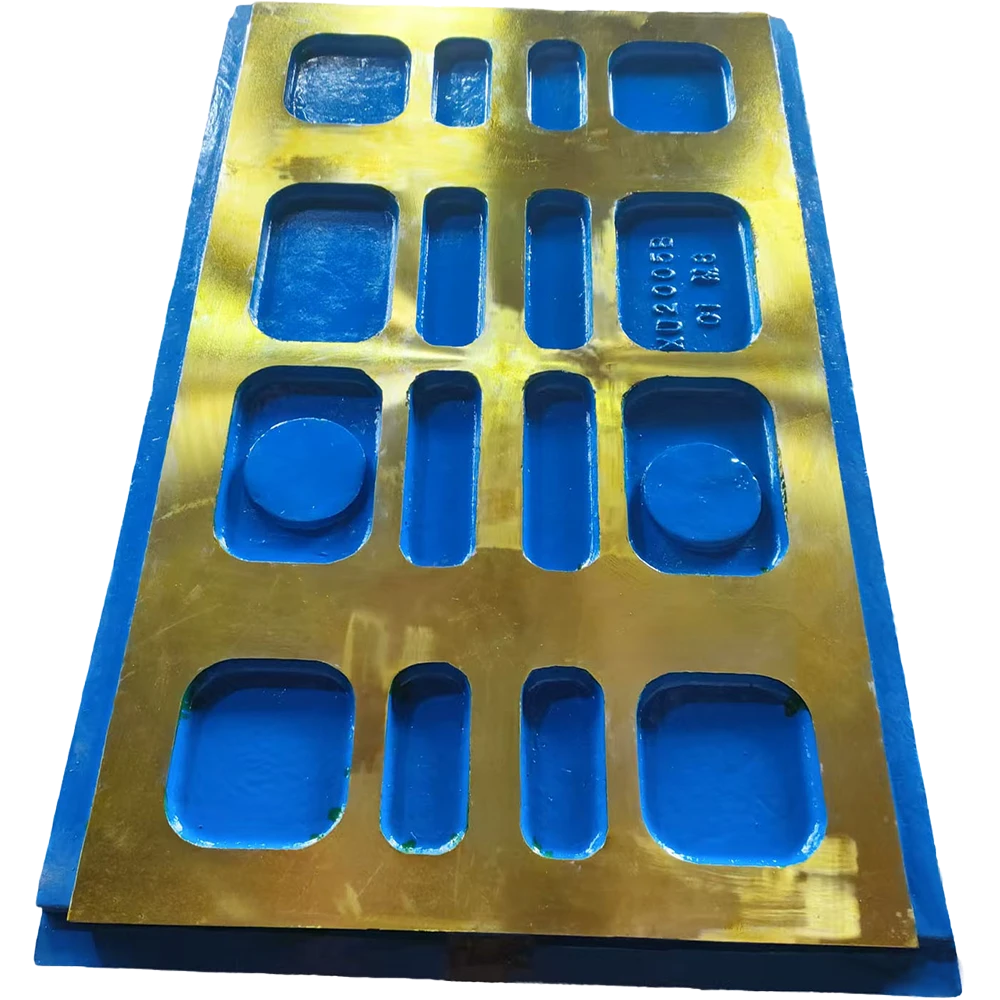
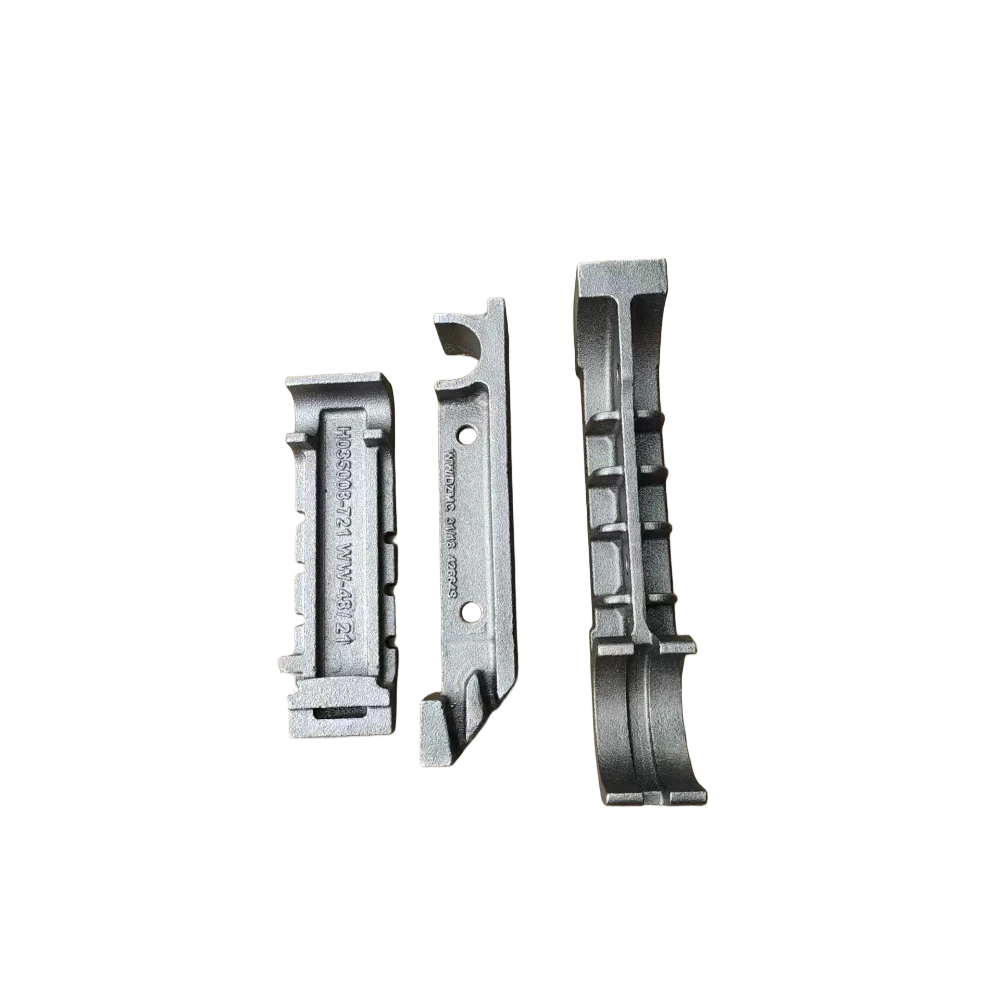
After more than a decade in the industrial equipment field, I've seen my share of crushed stones and worn-down machinery parts—it’s a world where the grind never stops, literally. And when you talk crusher parts, well, franky, not all of them are created equal. There's something special about crusher parts factory setups that get the details right, from raw materials to the precision of casting.
Oddly enough, many folks overlook the finer nuances behind those rough iron pieces that break down rock all day long. The main players in these factories typically rely on high-grade manganese steel and chromium alloys. Why? Because these materials rhythmically absorb a massive amount of impact without breaking — kind of like a heavyweight boxer who never hits the mat. I remember visiting a casting plant years ago where I noticed that the heat treatment process was so carefully controlled it almost felt like cooking a fine steak—one wrong degree and you ruin the whole batch.
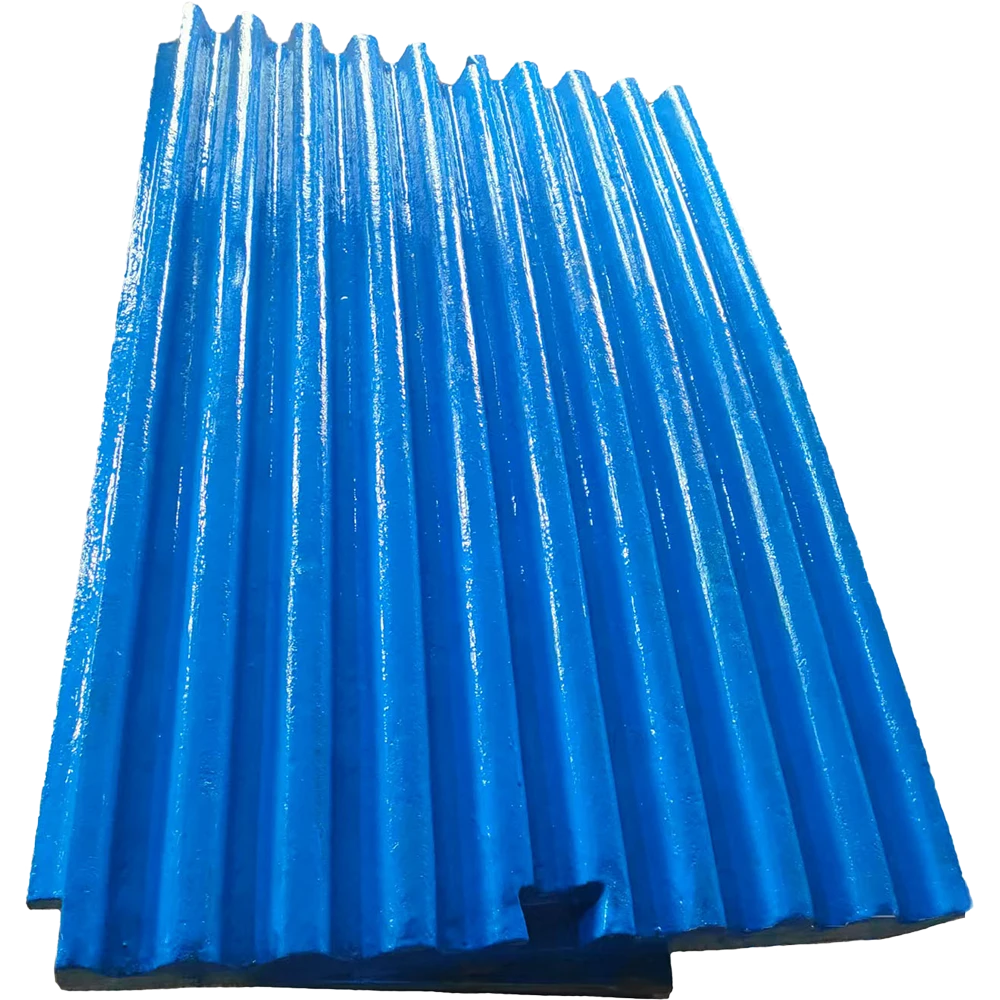
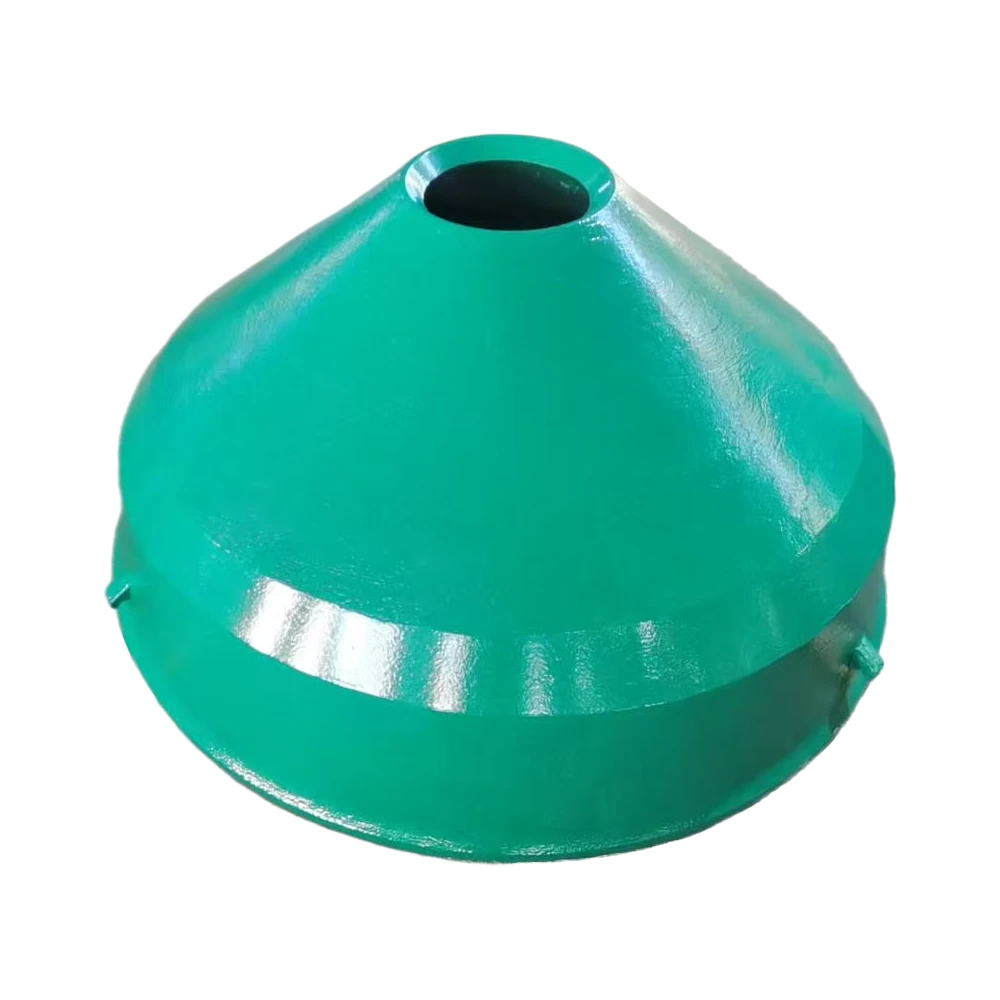
Nowadays, customization is king. Different crushers and rock types demand tailored parts — whether it's jaw plates designed to handle tough granite or cone crusher liners built to withstand sandy abrasives. The ability of a factory to adapt their processes to meet those varied needs honestly separates the top-tier producers from the rest. And customer outreach is key; I met a small quarry operator who swore by replacements from a certain supplier because they lasted nearly double what he'd expected.
| Part Name | Material | Weight Range (kg) | Wear Resistance | Typical Use |
|---|---|---|---|---|
| Jaw Plates | High Manganese Steel | 50-200 | High | Primary crushing |
| Cone Crusher Liners | Manganese-Chrome Alloy | 30-150 | Very High | Secondary & tertiary crushing |
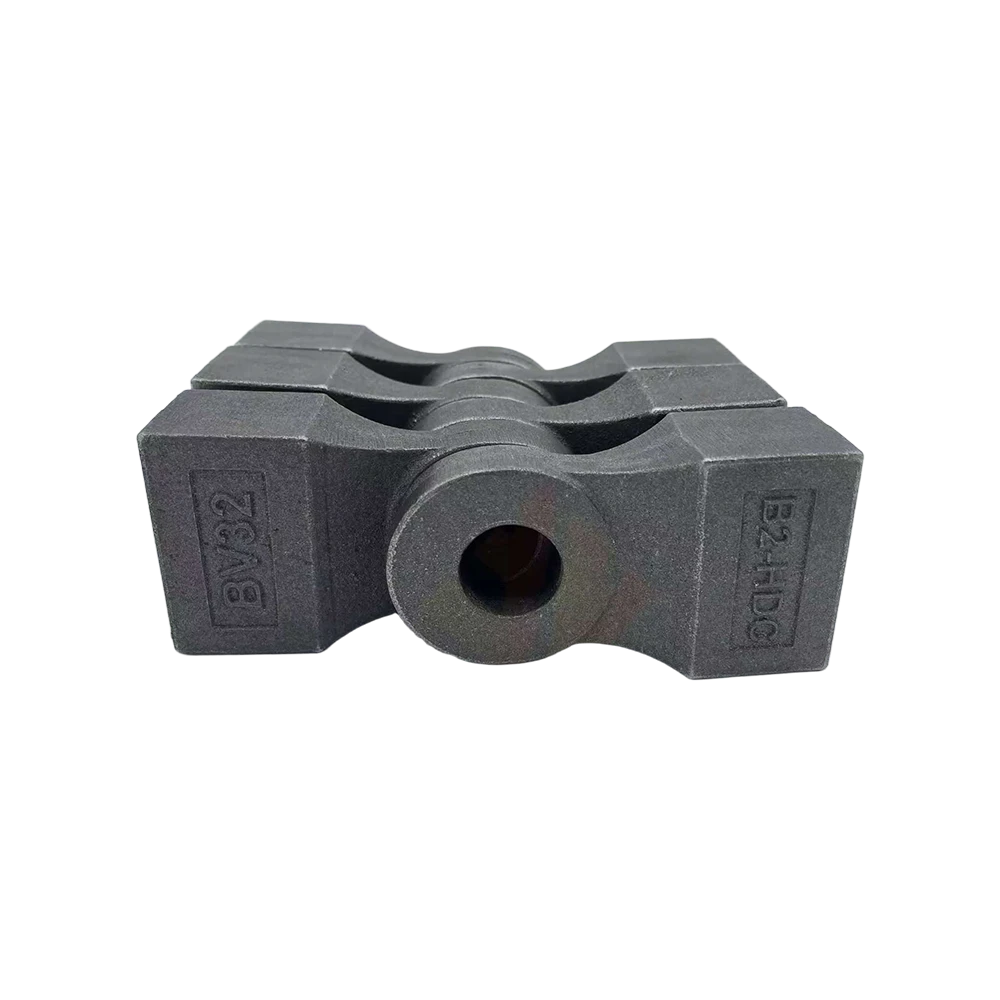
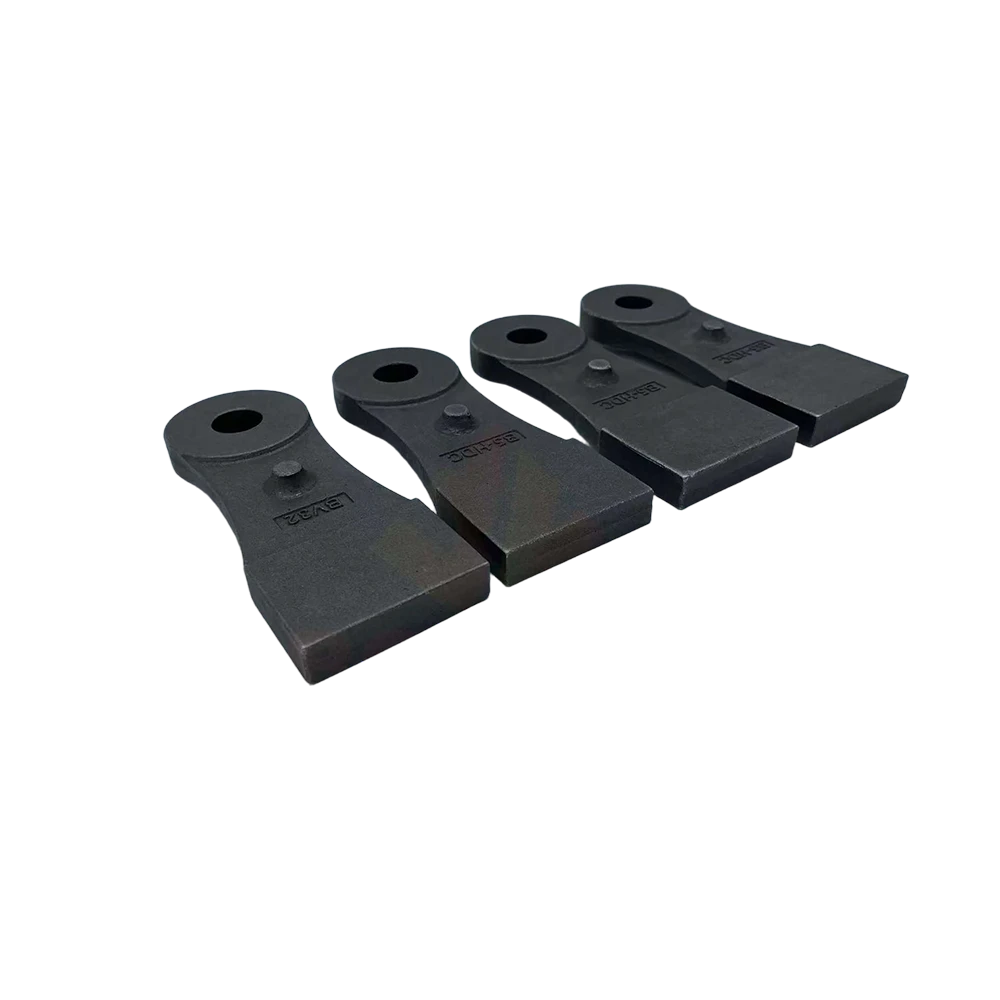
| Impact Crusher Blow Bars | Cast Steel with Hardfacing | 20-100 | Medium to High | Impact crushing |
Of course, quality parts factories also focus heavily on rigorous testing. Many engineers I’ve talked to swear by performance testing under simulated job conditions — meaning these parts get tossed and slammed around before they ever reach the client’s crusher. It sounds intense, but it’s exactly what makes the difference between downtime and uptime on the site.
| Vendor | Material Quality | Customization Options | Lead Time | Warranty |
|---|---|---|---|---|
| DZMCCasting | Premium manganese alloys | High – tailored sizes and materials | 2-4 weeks | 12 months |
| Vendor B | Standard manganese steel | Limited | 4-6 weeks | 6 months |
| Vendor C | Mixed alloy grades | Moderate | 3-5 weeks | 9 months |
To sum up, choosing a crusher parts factory isn’t just about picking the cheapest or the fastest supplier — it’s about understanding materials science, wear patterns, and those subtle manufacturing steps that you can't always see but definitely feel later. Over the years, I’ve learned to trust vendors who treat every casting like a piece of art, not just another order. And you know, that kind of dedication really shows in the field.
So next time you’re sorting through parts suppliers, keep your eye on the details and look for factories that invest just as much in R&D and testing as they do in production speed. Your crushers (and budgets) will thank you.
References:
1. "Wear Resistance of Manganese Steel in Crusher Applications," Industrial Metallurgy Journal, 2020.
2. Personal visit notes, DZMCCasting Plant, 2018.
3. “Advancements in Crusher Part Materials,” Aggregate Equipment Review, 2022.
-
High Performance oem cast heat resistant steel for Industrial UseNewsApr.16,2026
-
Guide to Selecting High Quality Cast Heat Resistant Steel AlloysNewsApr.09,2026
-
Custom Cast Heat Resistant Steel Solutions for High Temperature ApplicationsNewsApr.07,2026
-
Comprehensive Guide to Wholesale Cast Heat Resistant Steel for Industrial ApplicationsNewsApr.04,2026
-
Comprehensive Guide to High Performance Heat Resistant Metal Product SolutionsNewsMar.31,2026
-
Expert Guidance on Heat Resistant Metal Quotes and Alloy SelectionNewsMar.28,2026