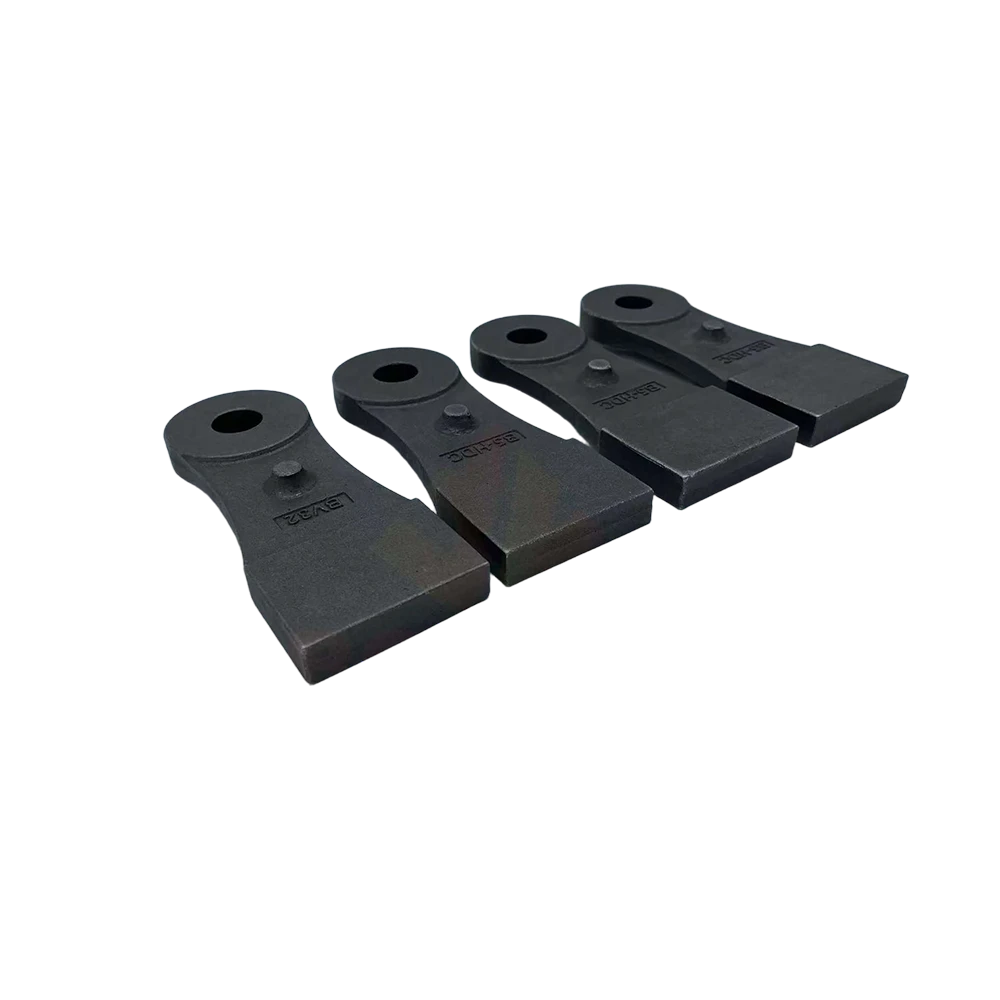
Sintering Machine Parts for High-Heat Precision Performance
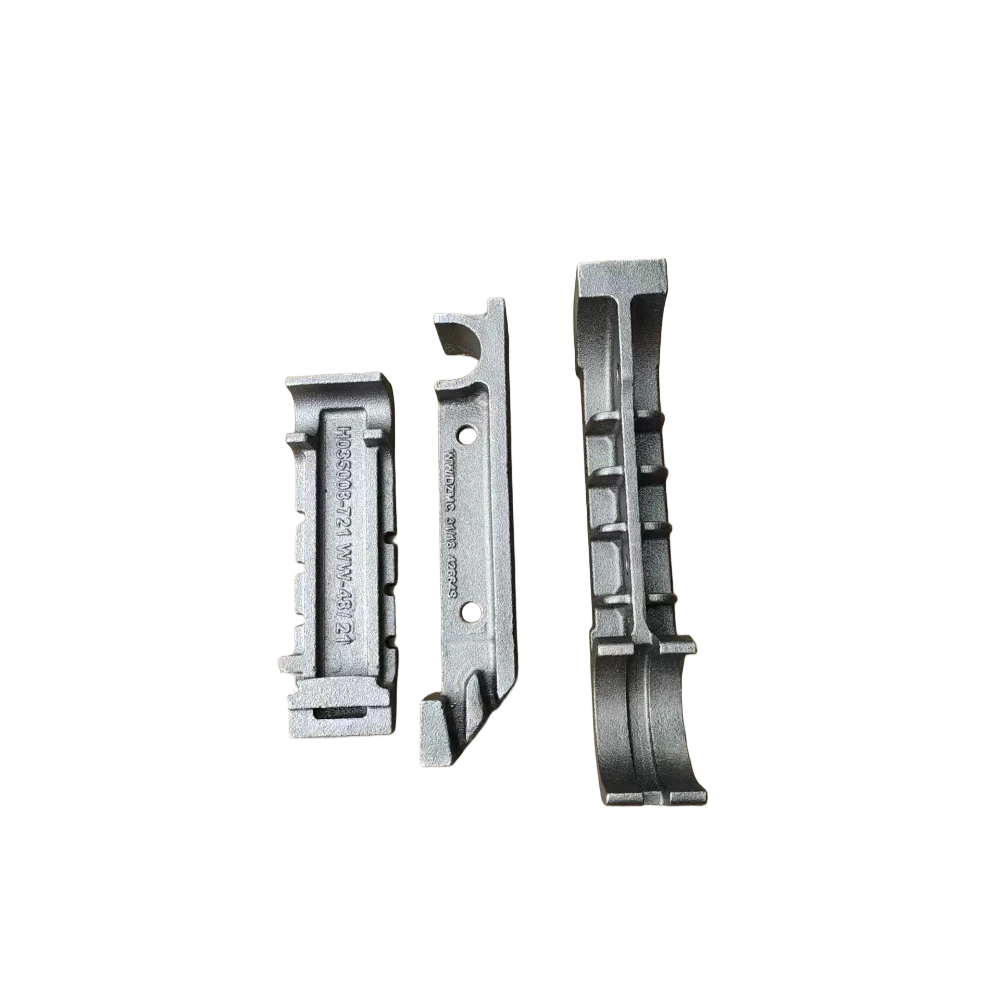
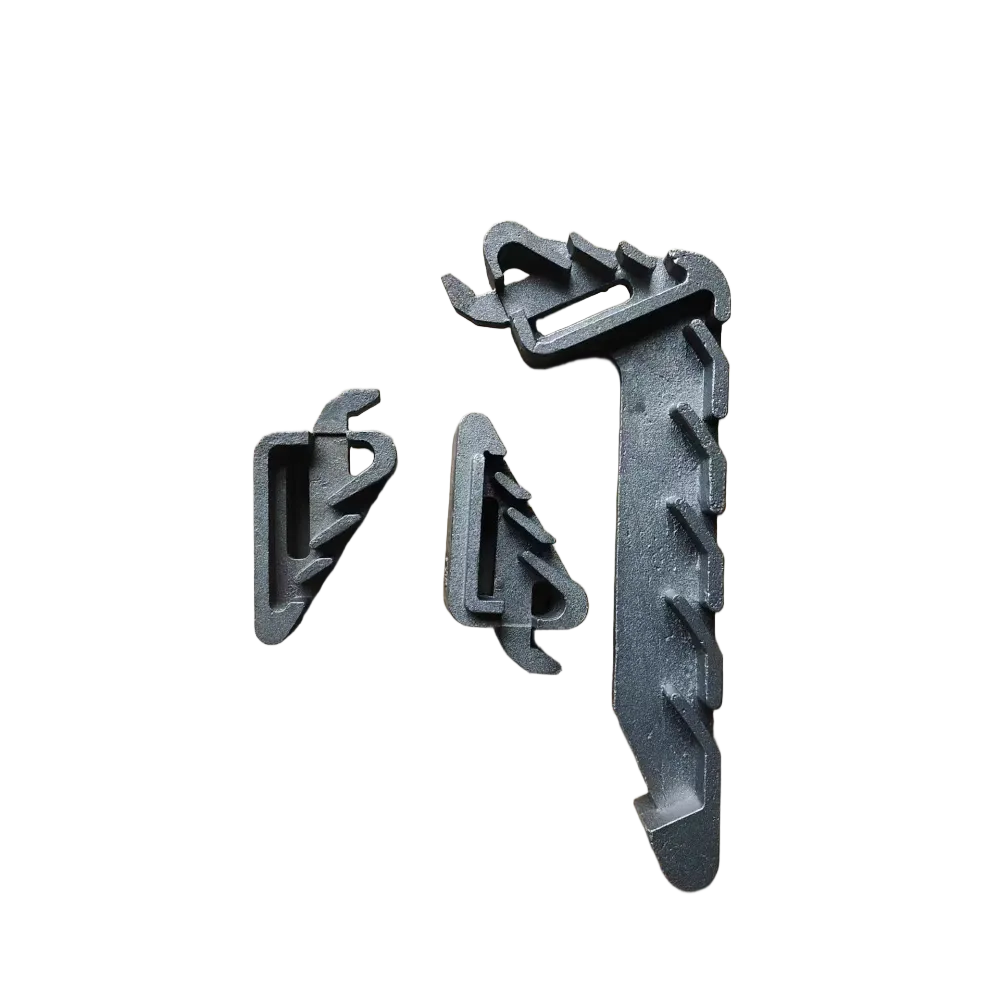
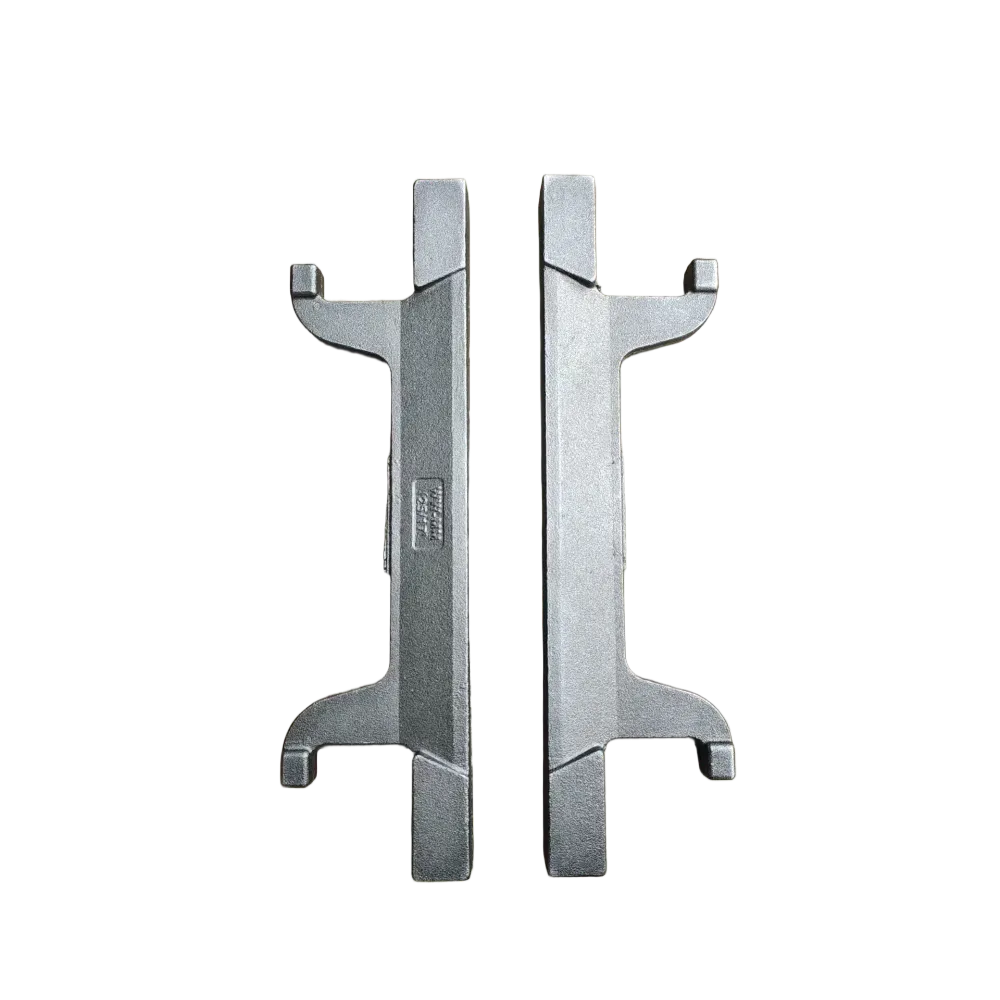
If you walk the floor of any serious sinter plant, you’ll hear the same refrain: airflow consistency is king. That’s why I keep a close eye on Sintering Machine Parts that actually move the needle—most notably the Sintering Machine Grate Bar. It’s the unsung component that carries the sinter bed, survives punishing heat, and quietly dictates plant uptime.
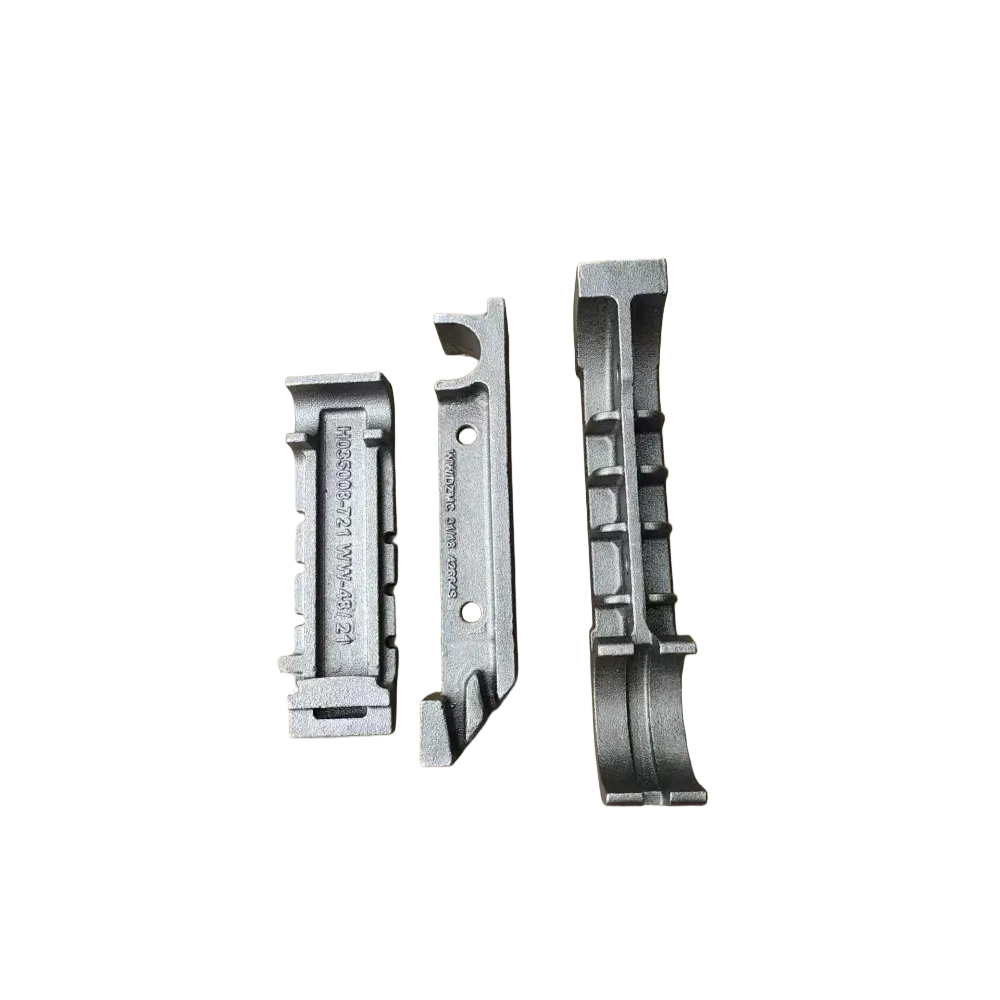
Industry snapshot (and why this matters now)
Electrification is reshaping steel, but sintering isn’t going away tomorrow. Plants are pushing for lower fuel rates and longer maintenance intervals. The trend I’m seeing: move from generic heat-resistant castings to engineered alloys with controlled porosity and smarter slot geometry. Sounds niche, but it adds up to fewer bed collapses and steadier suction. Many customers say they see 2–4% fuel savings when grate bars are properly matched to ore mix and ignition profile—real-world use may vary, of course.
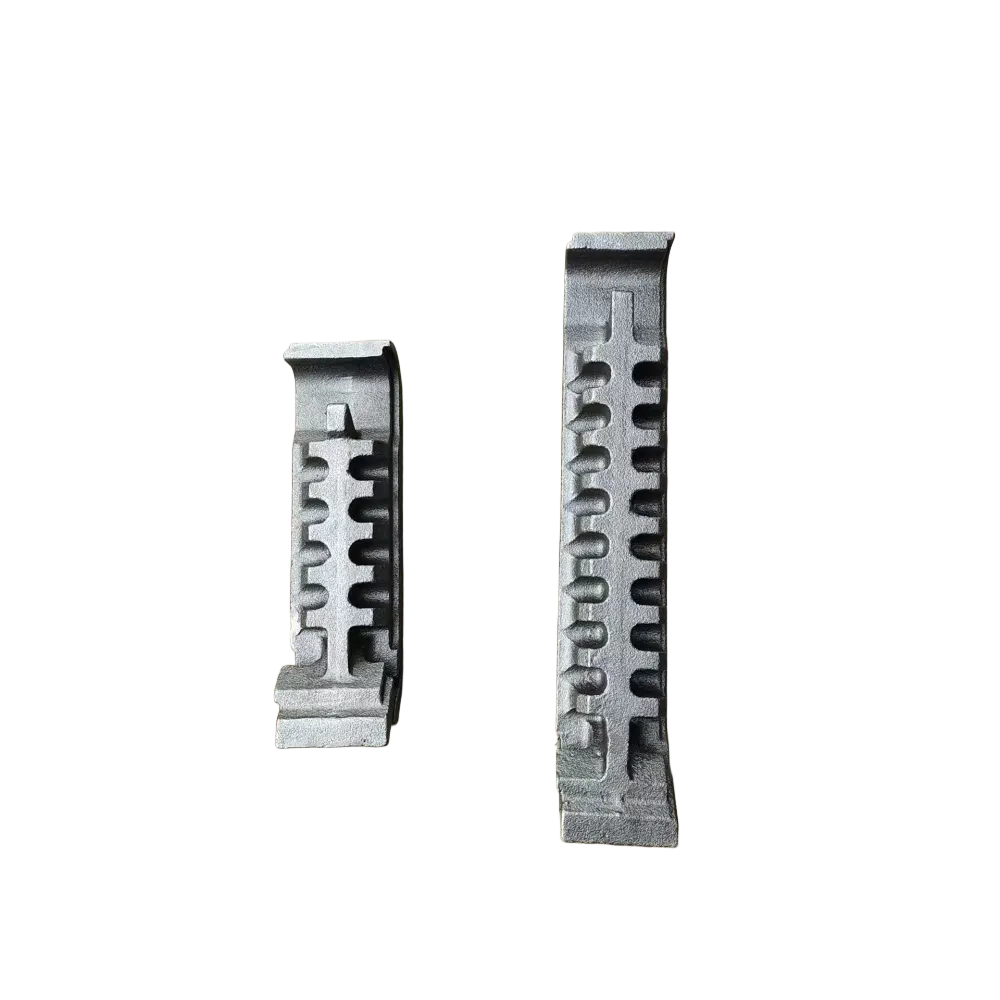
Technical specifications (typical for DZMCCasting Grate Bars)
| Material Options | ASTM A297 (HK, HU), EN 10295 GX40CrNiSi25-20; high-Cr white iron (ASTM A532) for extreme abrasion zones |
| Service Temperature | Up to ≈ 1200–1250°C (intermittent); continuous duty around 1050–1150°C |
| Hardness (as delivered) | 320–480 HB (ASTM E10), depending on alloy and heat treatment |
| Airflow Slot Ratio | ≈ 18–24% open area; tuned to plant draft and bed depth |
| Dimensional Tolerance | ±1.5 mm typical on critical faces (ISO 8062-3 CT8–CT10) |
| Expected Service Life | 12–30 months depending on ore abrasiveness, bed height, ignition temps |
| Origin | NO.1 Industrial Area of Beitian, Baixiang County, Xingtai City, Hebei Province |
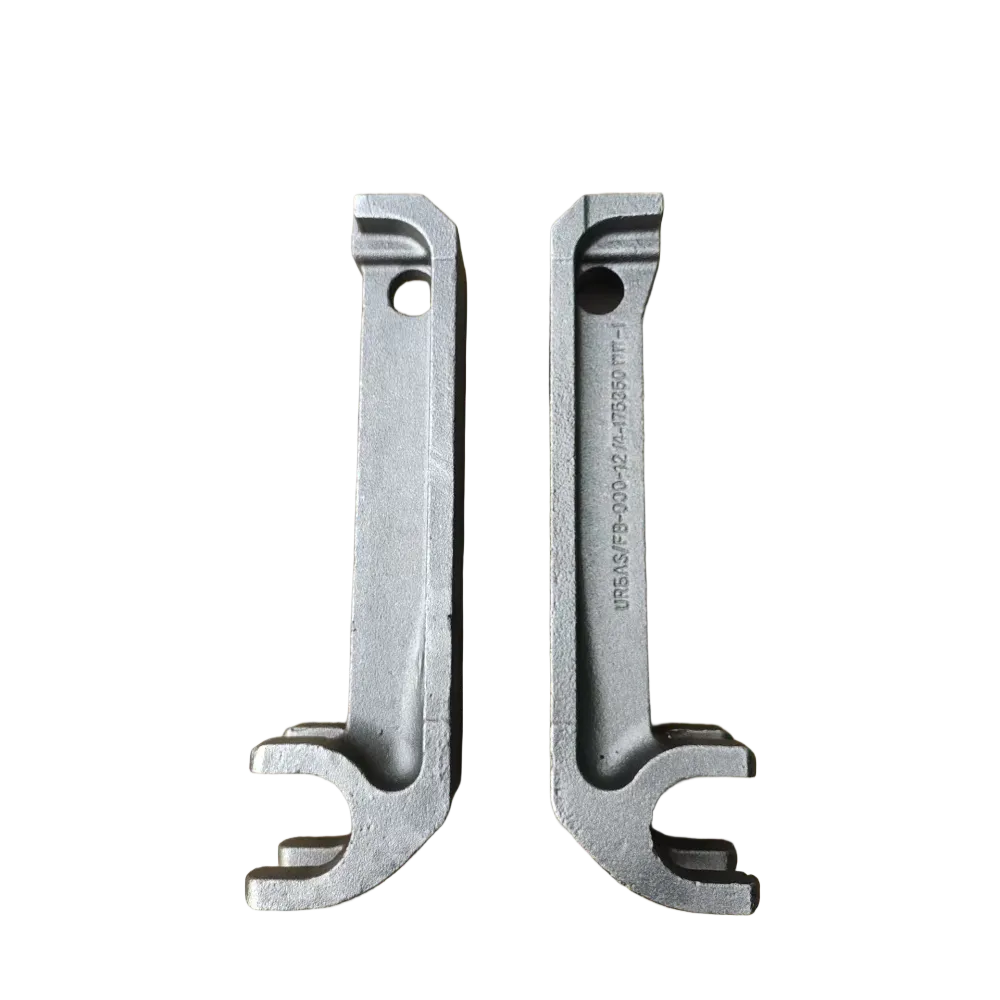
How it’s made (the practical flow)
- Material design: lab-verified charge blend; spectrometer check (ISO 4990).
- Molding: resin sand or lost-foam for complex slots; controlled risers to limit porosity.
- Casting & heat treatment: solution/ageing for HK/HU; stress relieve to reduce warp.
- Finish machining: datum faces and slot cleanup; trial-fit on a master grate frame.
- NDT & testing: dye penetrant, UT (as needed), Brinell (ASTM E10), microstructure cut-ups, thermal fatigue coupons.
- Final inspection: dimensional map vs. CAD; flatness and slot gauge verification.
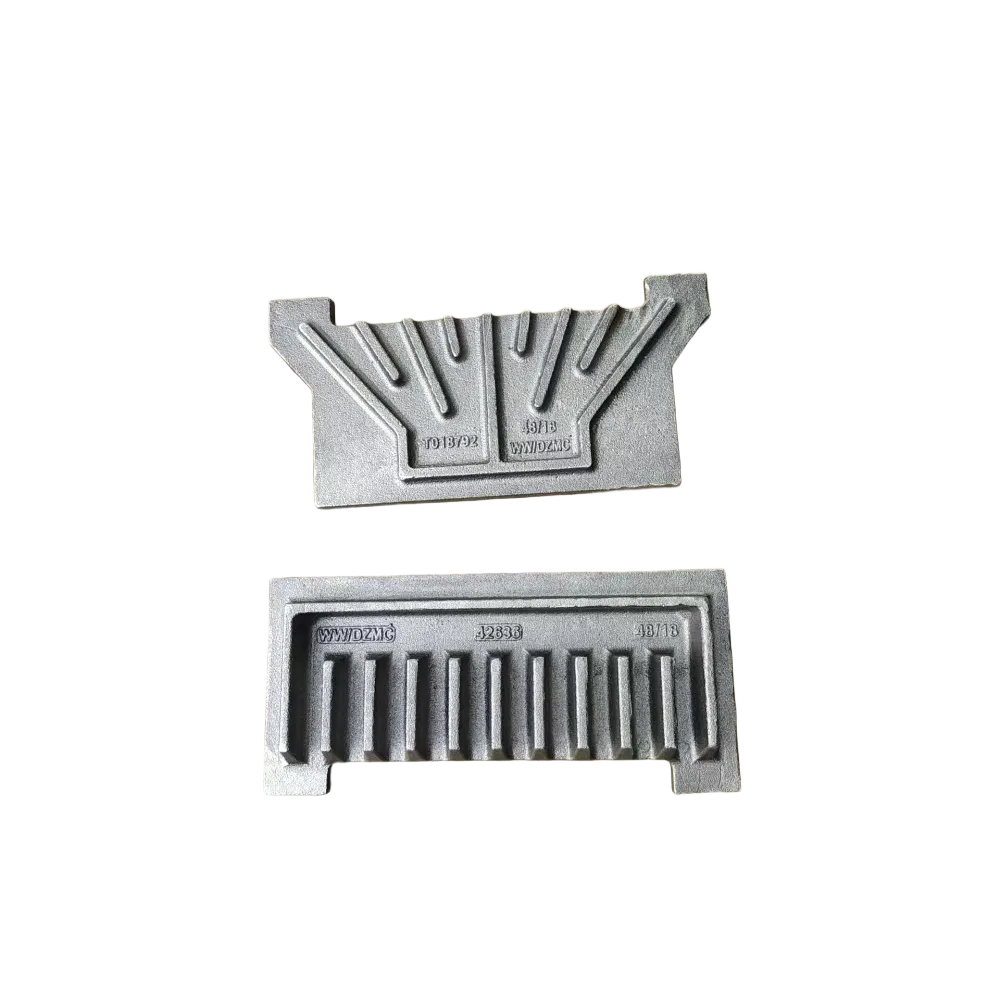
Applications and advantages
Used across steel, metallurgy, and mining sinter lines. Benefits we’ve observed: steadier draft (fewer dead zones), lower spillage, and smoother discharge. One Eastern European plant reported around 14% downtime reduction after switching slot geometry—surprisingly, the biggest gain came from fewer “hang-ups” at the discharge end.
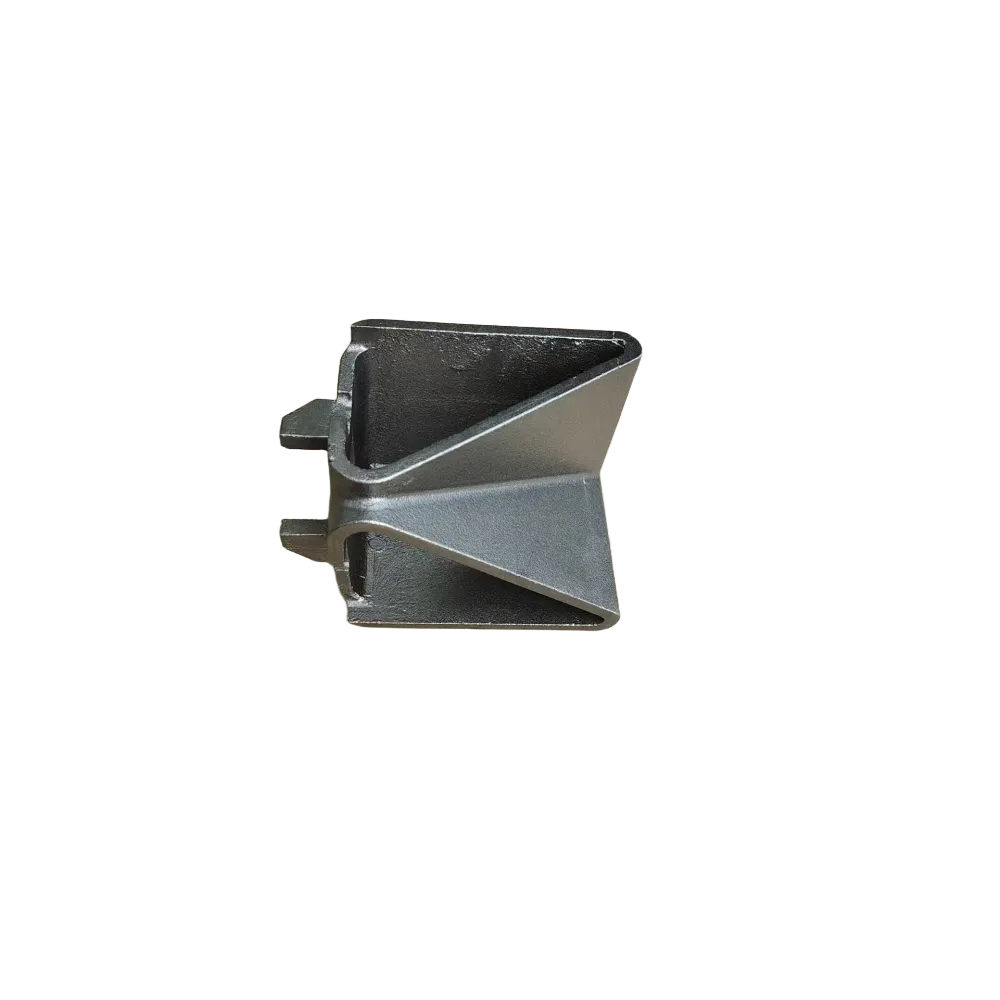
Vendor comparison (indicative)
| Vendor | Core Strength | Alloy Range | Lead Time | Notes |
|---|---|---|---|---|
| DZMCCasting | Process control + thermal fatigue testing | HK/HU, A532 options | ≈ 4–8 weeks | Customization-friendly; OEM fitment support |
| Local Foundry A | Quick spares | Limited heat-resistant grades | ≈ 2–4 weeks | Check slot precision; mixed QC reviews |
| Import Brand B | Premium alloys | Broad, with proprietary blends | ≈ 8–12 weeks | Higher price; consistent QA |
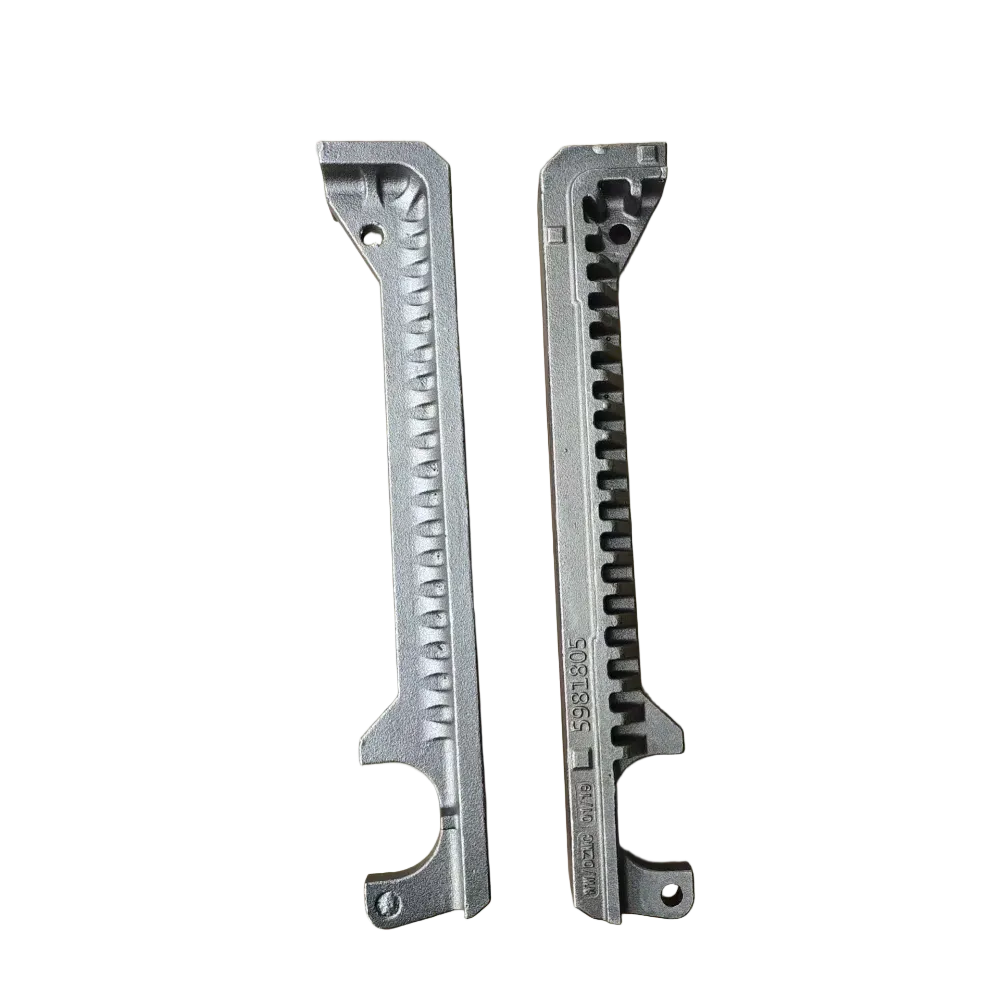
Customization, testing data, and feedback
- Customization: slot profile, throat radius, draft angle, and wear pad thickness tuned to suction profile and bed depth.
- Lab data example: HK-grade bars at 430 HB retained ≥85% hardness after 100 cycles at 1100°C (in-house thermal cycling, method aligned with ASTM A297 commentary).
- Field result: a South Asia line saw ≈ 0.7% yield gain and 3–5°C lower ignition gas setpoint after switching to tighter slot tolerances—operator feedback was “less choking, easier starts.”
Standards, QA, and certifications
Quality systems typically align with ISO 9001; environmental and safety with ISO 14001 and ISO 45001. Material delivery per ISO 4990/EN 10295. Testing references include ASTM E10 (hardness), ASTM A370 (mechanical), and NDT via ISO 9712-qualified personnel. It might sound dry, but this is where long service life starts.
If you’re sourcing Sintering Machine Parts for a retrofit or a performance lift, a quick tip: share your suction curve, typical bed height, fuel rate, and ore PSD with the vendor. It lets them tweak alloy and slot geometry—small changes, big returns.
References
- ASTM A297/A297M – Standard Specification for Steel Castings, Iron-Chromium and Iron-Chromium-Nickel, Heat-Resistant Alloys.
- ASTM A532/A532M – Standard Specification for Abrasion-Resistant Cast Irons.
- ISO 4990 – Steel castings—General technical delivery requirements.
- EN 10295 – Heat resistant steel castings.
- ASTM E10 – Standard Test Method for Brinell Hardness of Metallic Materials.
- ISO 9001 / ISO 14001 / ISO 45001 – Management system standards for quality, environment, and OH&S.
-
High Performance oem cast heat resistant steel for Industrial UseNewsApr.16,2026
-
Guide to Selecting High Quality Cast Heat Resistant Steel AlloysNewsApr.09,2026
-
Custom Cast Heat Resistant Steel Solutions for High Temperature ApplicationsNewsApr.07,2026
-
Comprehensive Guide to Wholesale Cast Heat Resistant Steel for Industrial ApplicationsNewsApr.04,2026
-
Comprehensive Guide to High Performance Heat Resistant Metal Product SolutionsNewsMar.31,2026
-
Expert Guidance on Heat Resistant Metal Quotes and Alloy SelectionNewsMar.28,2026