Sintering Machine Parts Supplier: Key to Efficient and Sustainable Manufacturing
Sintering Machine Parts Supplier: The Backbone of Modern Manufacturing
If you’ve ever wondered what underpins the efficiency of manufacturing industries ranging from automotive to aerospace, you may want to look closer at sintering machine parts suppliers. Oddly enough, these suppliers don’t often get the spotlight, but they play a crucial role in delivering the quality and precision the world depends on. Understanding this niche helps illuminate the quiet but impactful advances happening daily in global industries.
Global Context: Why the Supply Chain for Sintering Parts Matters
On a global scale, manufacturing contributes to about 16% of the world’s GDP according to data from the World Bank. Within manufacturing, powder metallurgy—where sintering sits at its core—is a fast-growing segment due to its ability to produce complex parts with minimal waste. Reliable sintering machine parts suppliers ensure that these machines operate smoothly, helping manufacturers meet huge demands while maintaining environmental standards.
The challenge? Sintering machines operate under extreme temperatures and pressures. Without durable, high-precision parts, downtime is inevitable. This affects everything from car engines to medical devices—industries where even the smallest defect can cascade into larger issues.
What Is a Sintering Machine Parts Supplier?
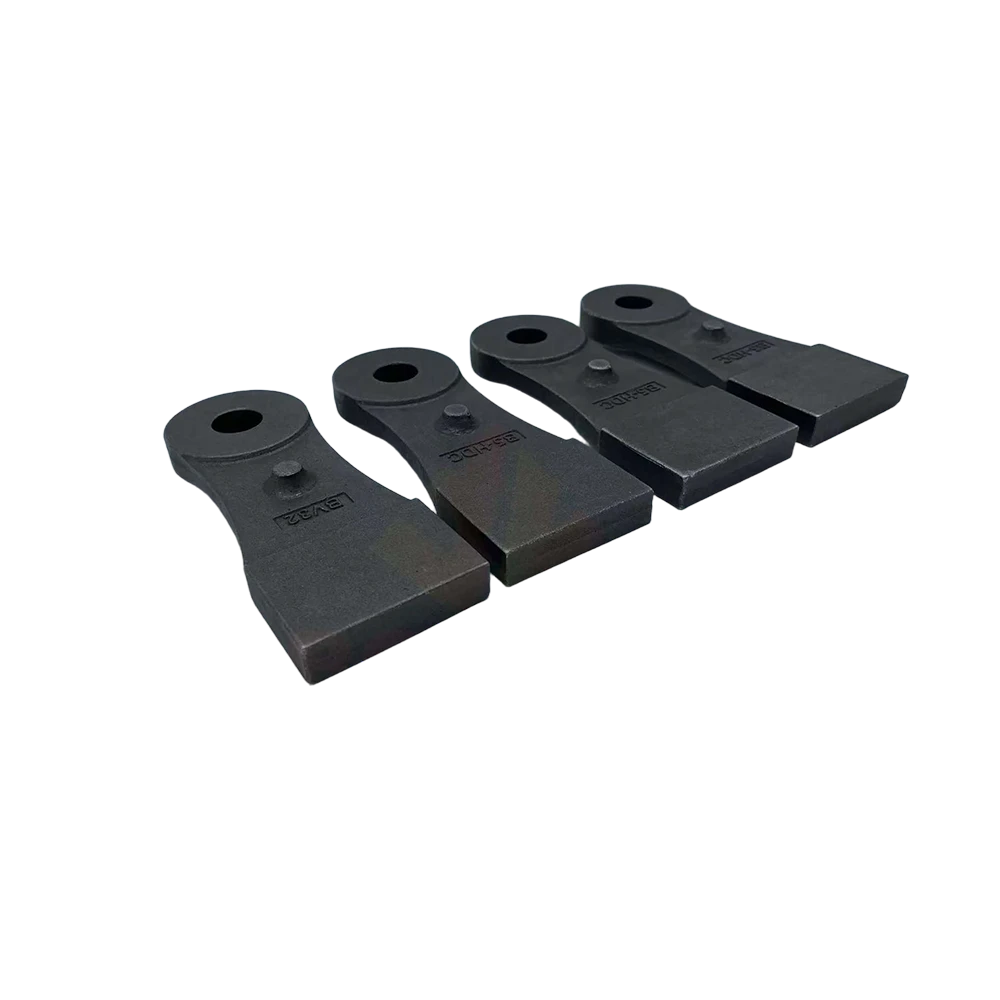
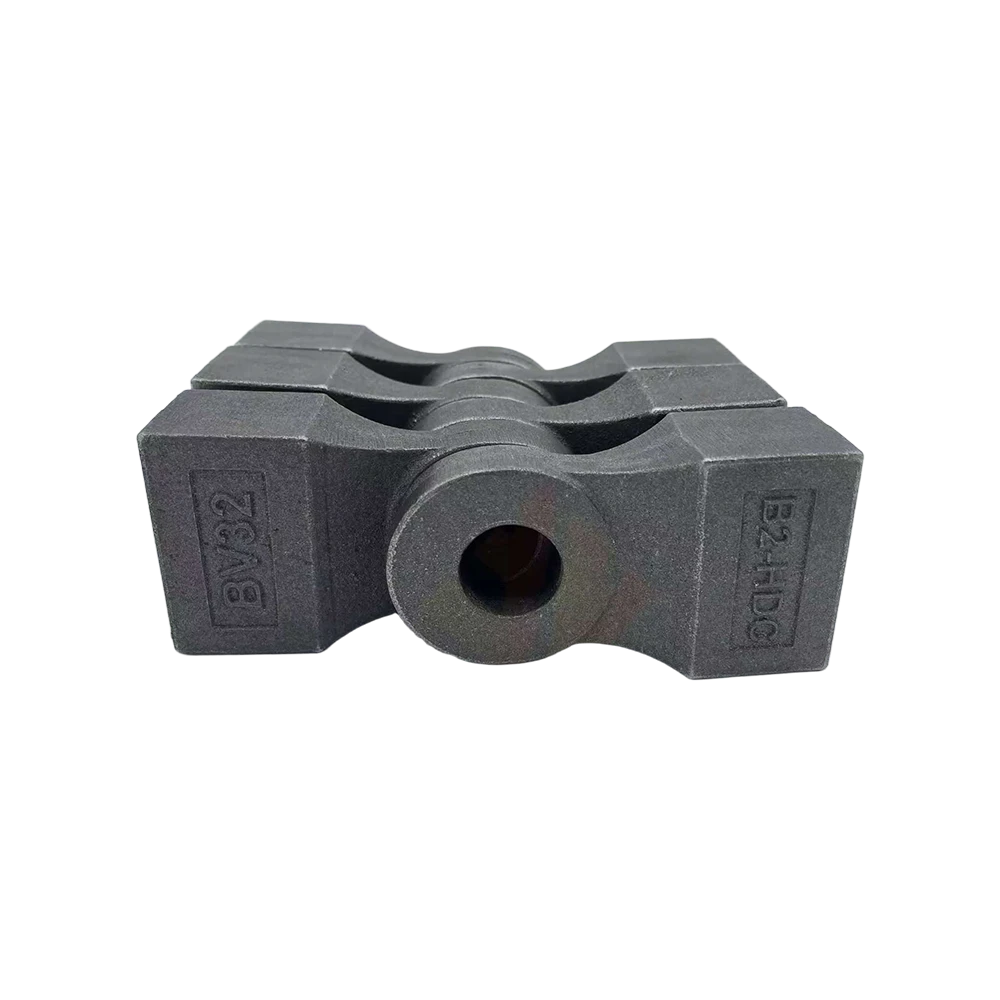
Simply put, a sintering machine parts supplier provides components essential for the operation and maintenance of sintering machines. These machines fuse powdered materials into solid forms without melting them completely—a process key in producing strong, lightweight, and complex parts efficiently. The suppliers make sure components like heating elements, trays, thermocouples, and control units meet exacting quality standards so manufacturers can deliver consistent products.
The connection to modern industry and sometimes even humanitarian needs is subtle but significant. For instance, reliable sintering parts allow the rapid manufacturing of durable, specialized tools or components necessary for disaster mitigation equipment or medical implants.
Key Features of Sintering Machine Parts
Durability
Sintering occurs in high-heat settings, so parts must resist thermal degradation and corrosion for long periods. Suppliers often use advanced alloys and ceramics to meet these demands.
Precision & Compatibility
Parts must fit perfectly to avoid mechanical failures. High precision manufacturing ensures seamless integration with a range of sintering machines, which vary by brand and model.
Cost Efficiency
Suppliers balance material quality with affordability. Good parts increase machine uptime and reduce the need for frequent replacements, saving manufacturers money in the long run.
Scalability & Customization
Volume and custom specifications matter. Suppliers who offer tailored components can better serve industries with unique requirements — automotive parts may differ significantly from aerospace components.
Availability & Lead Time
In industries with just-in-time manufacturing, supplier reliability and fast delivery can make a huge difference.
| Part | Material | Typical Lifespan | Function |
|---|---|---|---|
| Heating Element | Molybdenum Disilicide | 1,000–1,500 hours | Generates high temperatures |
| Thermocouples | Chromel-Alumel | 500–800 hours | Measures temperature accurately |
| Sintering Trays | High-purity alumina ceramic | 2+ years | Holds powdered material during sintering |
| Control Units | Electronic components, steel casing | 3–5 years | Regulates sintering parameters |
Mini takeaway: Quality sintering parts demand a delicate balance: they must withstand harsh processes, fit exactly, and arrive quickly to keep production lines humming.
Global Applications & Real-World Use Cases
The reliance on sintering machine parts suppliers spans many regions — from Asia’s booming automotive factories in Japan and South Korea, to Europe’s aerospace hubs in Germany and France, and North America’s medical device innovations in the US and Canada. Many feel this uneven geography is a challenge but also an opportunity for suppliers offering localized support.
- In post-disaster relief scenarios, quick production of specialized metal tools for construction or medical aid hinges on functional sintering equipment.
- Remote industrial zones, like mining sites in Australia or Africa, depend on durable parts to minimize downtime where logistical support is thin.
- Green technology industries are adopting sintered parts for lightweight, high-strength components in electric vehicles and renewable energy equipment.
More region-specific details and alternative suppliers can be found by visiting trusted sintering machine parts supplier directories or marketplaces.
Vendor Comparison: Selecting the Right Sintering Machine Parts Supplier
| Supplier | Product Range | Lead Time | Customization | Sustainability Practices |
|---|---|---|---|---|
| DZM Casting | Full spectrum, custom parts | 2–3 weeks | High | Eco-friendly materials & waste reduction |
| Global Sinter Parts | Standard parts only | 1–2 weeks | Low | Limited |
| TechSinter Solutions | Custom industrial focus | 3–4 weeks | Medium | Moderate with green initiatives |
Advantages & Long-Term Value
Having reliable sintering machine parts suppliers means manufacturers experience less downtime, thus improved productivity. There’s an emotional component too: trust in your supplier translates into peace of mind—knowing that when the furnace heats up, you’re ready. It also supports sustainability agendas since quality parts reduce waste from frequent replacements or rejects.
Cost savings over time, combined with social responsibility and continual innovation, make choosing the right supplier more than just a transaction—it's a partnership.
Future Trends & Innovations in Sintering Supplies
Looking ahead, digital transformation is changing everything. Smart parts embedded with sensors promise predictive maintenance, detecting wear before failures happen. Additive manufacturing (3D printing) of custom sintering components is also gaining traction, reducing lead times and material waste.
Green energy pushes for more sustainable materials in heating elements, while automation tightens quality control. Not to mention, global supply chains are becoming more agile thanks to better logistics and real-time tracking.
Challenges & Solutions
Challenges remain: supply chain disruptions, price fluctuations of raw materials like molybdenum, and balancing customization with mass production. Yet, many suppliers mitigate these by diversifying their material sources, investing in R&D for longer-lasting parts, and offering modular designs to reduce costs.
FAQ: Frequently Asked Questions About Sintering Machine Parts Supplier
- Q: How do I know if a sintering part is compatible with my machine?
A: Always refer to your machine’s model specifications and consult your supplier’s product guides. Many quality suppliers provide compatibility charts or offer custom advice to ensure parts fit perfectly. - Q: Can I order customized sintering parts for specialized applications?
A: Yes, many suppliers like sintering machine parts supplier specialists offer custom manufacturing services adapted to precise thermal, mechanical, and size requirements. - Q: What steps do suppliers take to ensure part durability?
A: Suppliers use premium materials such as specialized alloys and ceramics, plus strict quality control and testing protocols, including thermal cycling and corrosion resistance tests. - Q: How can I improve lead times when ordering parts?
A: Establishing long-term contracts, choosing suppliers with local warehouses, or working with those integrating additive manufacturing can significantly reduce lead times.
Conclusion + Call to Action
In real terms, partnering with a reliable sintering machine parts supplier isn’t just about keeping a factory running. It’s about fueling innovation, fostering sustainability, and maintaining trust throughout complex supply chains. For businesses aiming to future-proof their production, these suppliers represent foundational allies.
If you want to learn more or find suppliers that offer customized, high-quality parts, it’s worth exploring detailed inventories from a trusted sintering machine parts supplier. Take the next step toward operational excellence by visiting their site.
It’s fascinating how such specialized components quietly power so many industries, isn’t it? Even small upgrades in parts quality ripple out into significant global impact.
References
-
High Performance oem cast heat resistant steel for Industrial UseNewsApr.16,2026
-
Guide to Selecting High Quality Cast Heat Resistant Steel AlloysNewsApr.09,2026
-
Custom Cast Heat Resistant Steel Solutions for High Temperature ApplicationsNewsApr.07,2026
-
Comprehensive Guide to Wholesale Cast Heat Resistant Steel for Industrial ApplicationsNewsApr.04,2026
-
Comprehensive Guide to High Performance Heat Resistant Metal Product SolutionsNewsMar.31,2026
-
Expert Guidance on Heat Resistant Metal Quotes and Alloy SelectionNewsMar.28,2026