Trusted Heat Resistant Metal Supplier | Durable High-Temperature Alloys
The Role of a Heat Resistant Metal Supplier in Today's Industry
At first glance, the phrase heat resistant metal supplier might seem straightforward, almost too niche. But when you step back and look at its global relevance, it becomes clear why this is a crucial industry piece. Metals that can withstand high temperatures are the backbone of many manufacturing and infrastructure projects worldwide — from aerospace components to industrial boilers and, dare I say, even humanitarian efforts where durable, fireproof materials are a must. Understanding where these metals come from, and the suppliers behind them, isn't just for engineers or buyers; it’s a peek into what keeps our modern world running safely and efficiently.
Global Context: Why Heat Resistant Metals Matter
Industries reliant on heat resistant metals have seen a noticeable uptick in demand recently. According to the International Organization for Standardization (ISO), the global market for heat-resistant alloys grows roughly 5-6% annually. As you might guess, this surge ties directly to expanding sectors like aerospace, energy, and construction. With global temperatures rising and industrial processes intensifying, the need for metals that don't warp, crack, or fail under extreme conditions becomes urgent—especially in areas like the Middle East and Asia-Pacific, where heavy industry is booming.
Yet, the challenge remains: How do manufacturers balance cost, quality, and timely supply? That’s precisely where a reputable heat resistant metal supplier steps in. While you read that, consider the ripple effect of delayed materials — production halts, safety risks, and ballooning costs. So it’s not just about metal; it’s about reliability and trust.
What Exactly Is a Heat Resistant Metal Supplier?
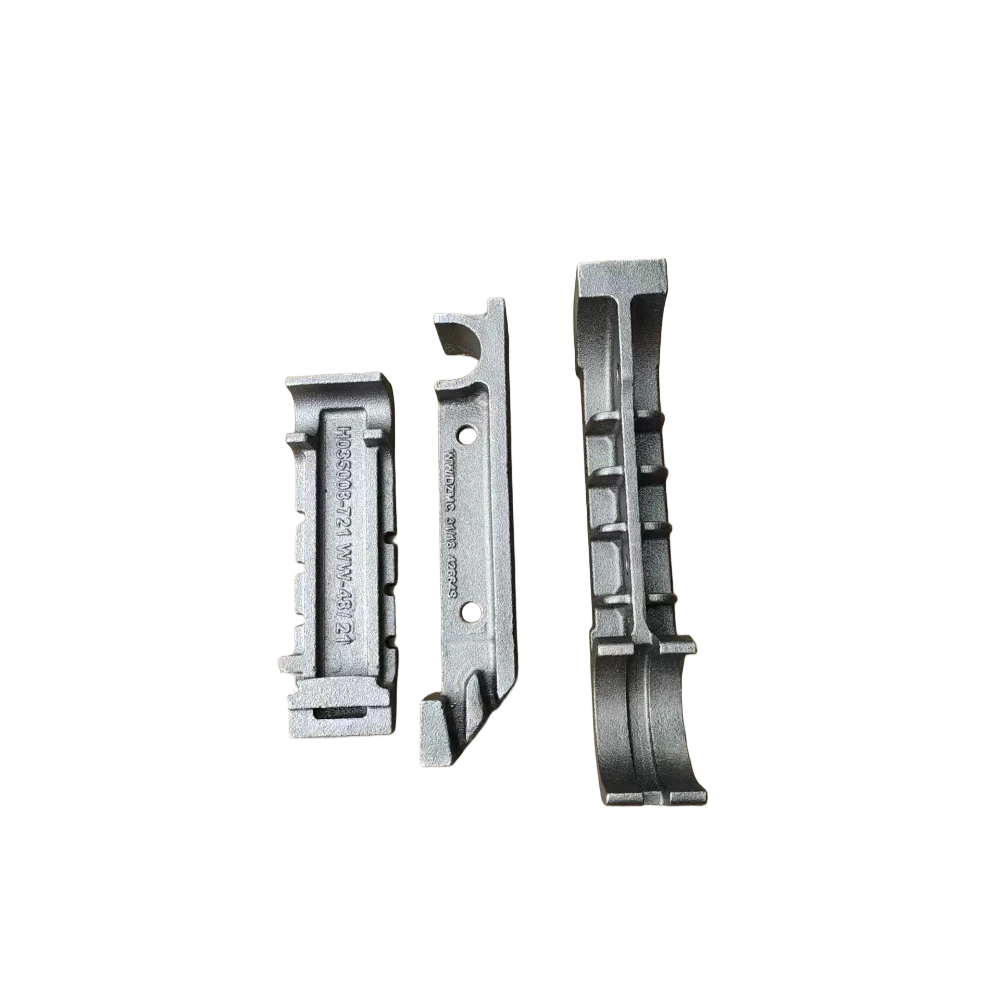
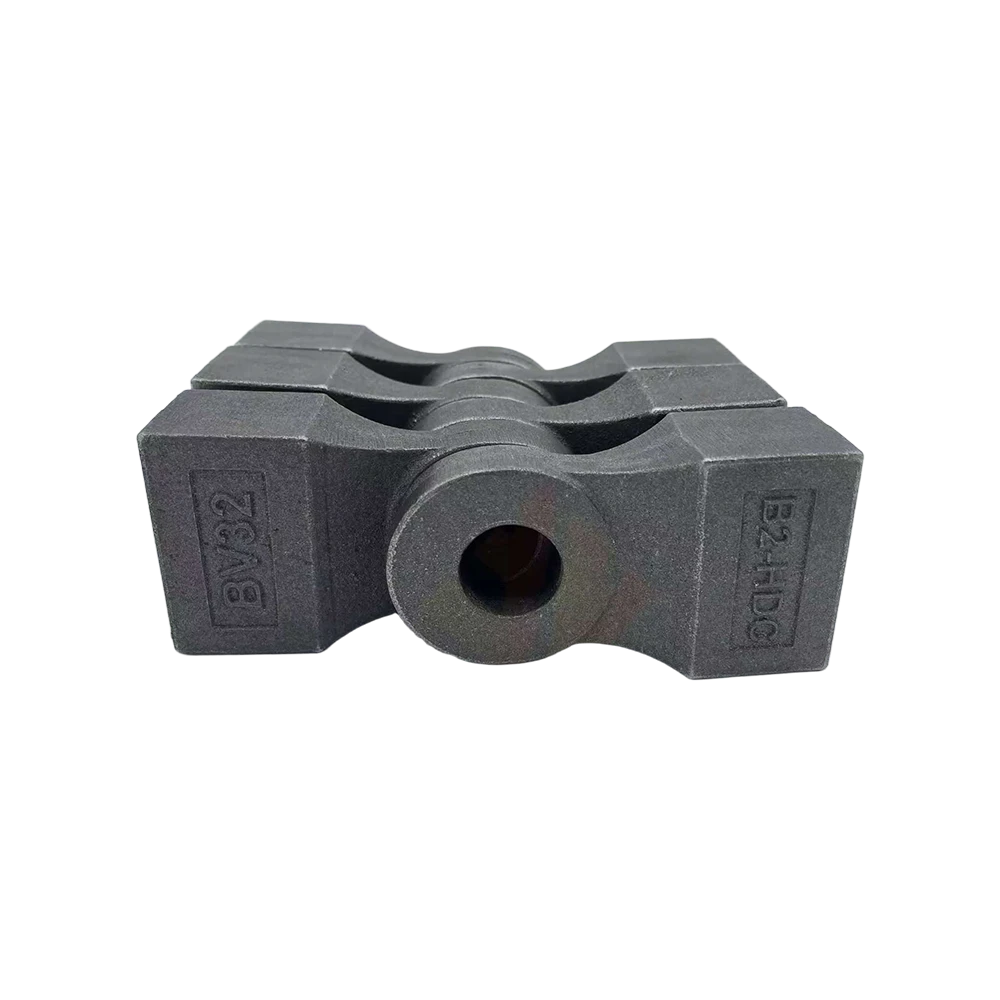
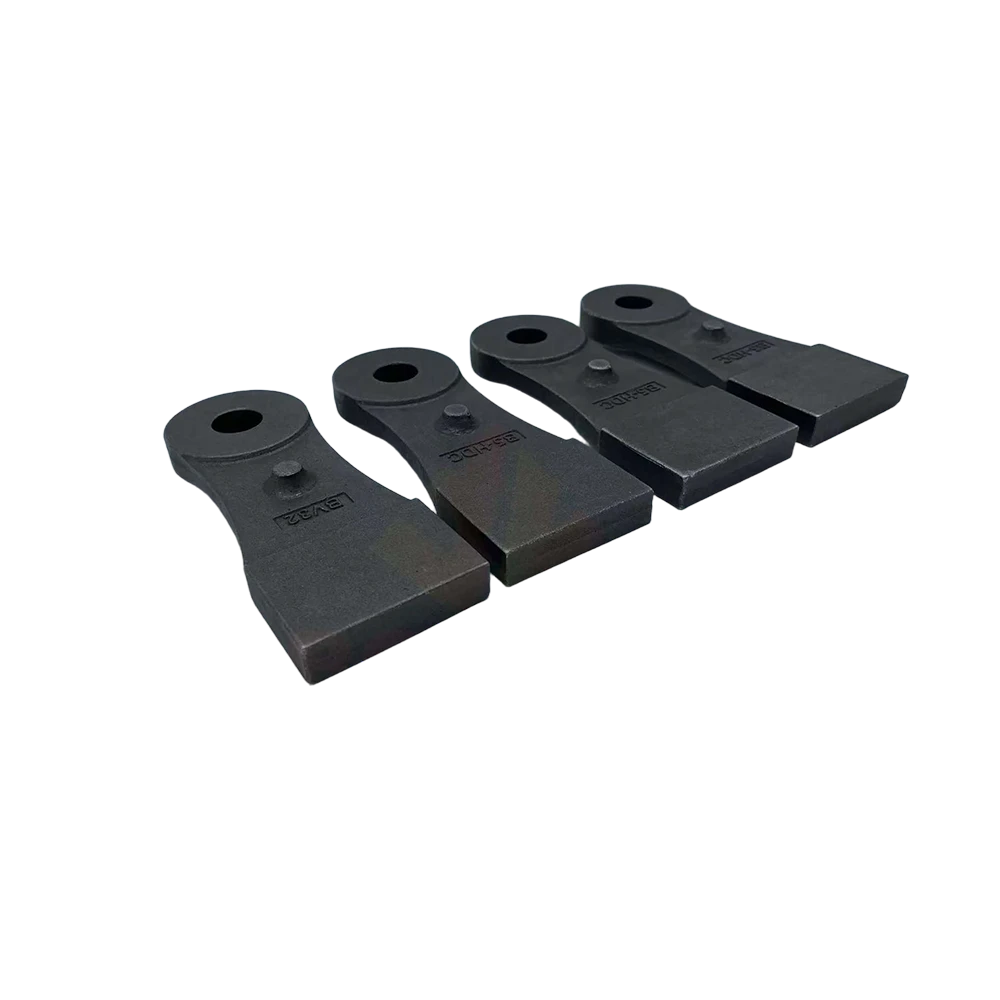
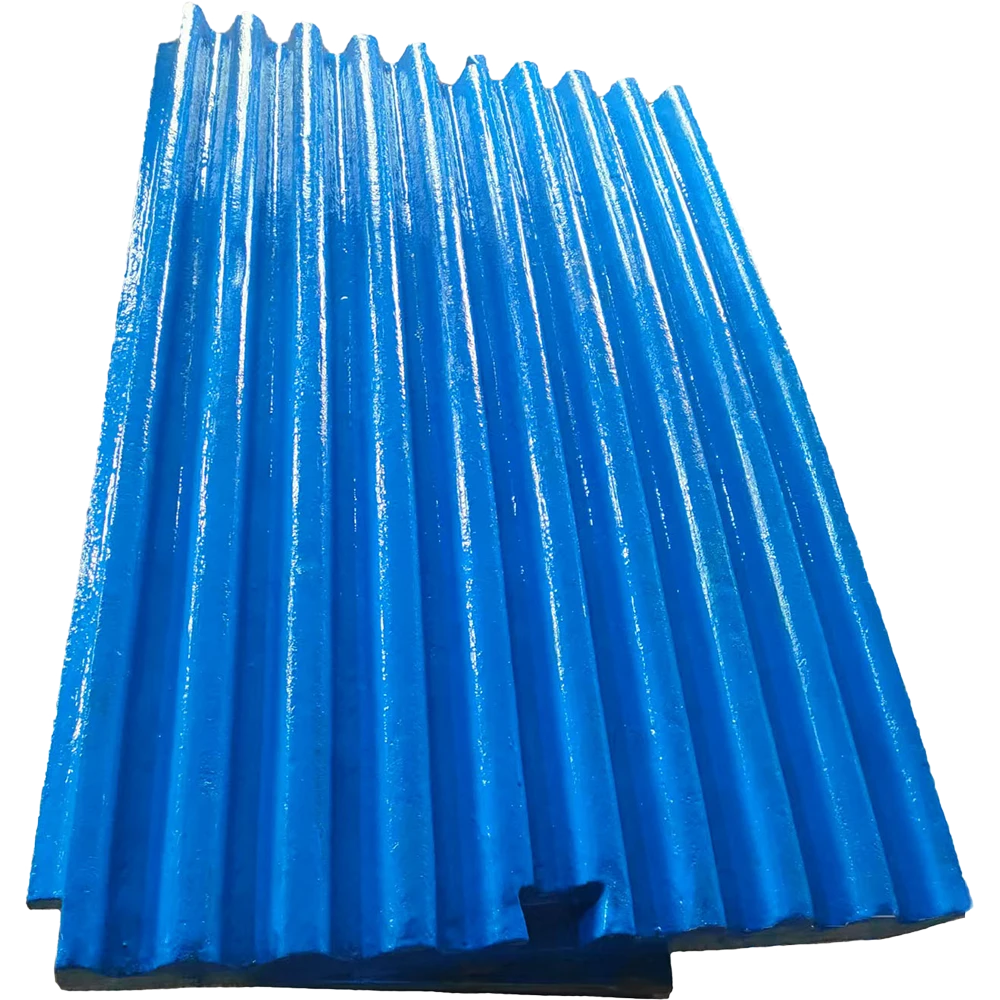
Put simply, a heat resistant metal supplier sources and provides metals that can endure high temperature environments without losing structural integrity or corrosion resistance. These metals often include alloys like stainless steels, Inconel, titanium, and specialized castings designed to handle extreme heat.
Behind this definition lies a network of foundries, testing labs, and distribution channels — all geared toward meeting the precise demands of sectors ranging from power plants that run 24/7, to emergency relief operations where fireproof shelters can save lives. So, when you think about it, a heat resistant metal supplier isn’t just selling raw materials; they’re delivering peace of mind where failure isn’t an option.
Core Components That Make Heat Resistant Metals Valuable
1. Durability
These metals are selected for their long-lasting properties under thermal stress. Durability means less frequent replacements — vital in industries where downtime costs a fortune.
2. Thermal Stability
Maintaining mechanical strength at elevated temperatures is the hallmark here. Suppliers often conduct rigorous testing to certify these metals to international standards like ASTM or ISO norms.
3. Corrosion Resistance
Heat resistance alone isn’t enough; many applications expose metals to corrosive environments alongside heat. Some alloys include elements like chromium and molybdenum that slow degradation.
4. Scalability and Availability
This speaks to the supplier’s capacity to deliver both small batches and bulk orders efficiently. Timely availability often determines project feasibility.
5. Cost Efficiency
High performance doesn’t always mean high price. Many vendors optimize manufacturing processes to balance material quality and affordability, a factor often overlooked.
Heat Resistant Metals in Action Around the World
From the oil refineries dotting the Persian Gulf to advanced nuclear reactors in Europe, the footprint of heat resistant metals is undeniable. In remote industrial zones of Siberia, these metals help power extraction machinery that literally melts snow while operating. In post-disaster relief efforts, people often overlook how critical supplier chains are for providing fire-resistant containers and shelters — they stand between disaster and recovery.
Take the aerospace sector around Seattle or Toulouse — heat resistant metal suppliers enable components like turbine blades and exhaust parts to function safely at the scorching temperatures that aircraft engines endure. Oddly enough, even culinary industries benefit by relying on such metals for industrial ovens and grills.
Product Specification Table
| Material | Max Operating Temp (°C) | Corrosion Resistance | Common Uses | Typical Suppliers |
|---|---|---|---|---|
| Inconel 718 | 700 | High | Aerospace, Power Turbines | DZMCCasting, Others |
| Stainless Steel 310S | 1150 | Medium | Industrial Furnaces, Chimneys | Multiple Vendors |
| Titanium Alloy | 600 | Excellent | Medical, Aerospace | Specialty Suppliers |
| Chromium Coated Carbon Steel | 500 | Moderate | Automotive Exhaust | Various |
The Advantages & Long-Term Value of Choosing the Right Supplier
Frankly, securing a dependable heat resistant metal supplier translates into more than just a materials order. You're investing in safety — knowing critical components won’t fail under stress. There’s also the sustainability angle; many suppliers, including the likes of heat resistant metal supplier professionals, now offer recycled and eco-certified alloys to match tightening environmental standards worldwide.
Furthermore, when your supplier offers fast delivery, flexible order volumes, and consultation support, that means you get a streamlined supply chain — less hassle, fewer delays, and a smoother project cycle. For project managers juggling budgets and deadlines, that reliability is gold.
Vendor Comparison: Key Industry Players
| Vendor | Product Range | Quality Certifications | Lead Time | Price Competitiveness |
|---|---|---|---|---|
| DZMCCasting | Wide range including Inconel, stainless, titanium alloys | ISO 9001, ASTM | 3-4 weeks | Mid-range, flexible pricing |
| Alpha Metals | Focused on stainless steel | ISO 14001 | 2-3 weeks | Higher price |
| HeatSteel Co. | Specialty alloys, limited titanium options | ASTM, ASME | 4-5 weeks | Competitive |
Emerging Trends & Innovations in Heat Resistant Metals
Looking ahead, it feels like the future of heat resistant metal suppliers is tightly intertwined with sustainability and digitalization. New alloy compositions optimize strength-to-weight ratios, crucial for green aerospace designs aiming to cut emissions. Meanwhile, powder metallurgy and 3D printing are breaking barriers, enabling complex parts with less material waste.
In addition, governments worldwide push for greener industrial policies, nudging suppliers to innovate eco-friendlier processes. The digital transformation allows for real-time quality tracking from foundries to end users, boosting transparency and reducing risks.
Challenges and Practical Solutions
Of course, no supplier landscape is without its hurdles. One common challenge is volatility in raw material prices, which can ripple through lead times and costs. Another issue is quality inconsistency — especially with bulk orders from diverse sources.
Many experts emphasize the value of strategic partnerships, where suppliers invest in better communication tools and joint R&D. Personally, I’ve noticed that suppliers with in-house testing labs and strong ISO accreditations tend to navigate these challenges better.
Frequently Asked Questions About Heat Resistant Metal Suppliers
Q1: How do I know which heat resistant metal is right for my project?
A: That depends largely on your operating temperature, environment, and mechanical requirements. Consult your supplier early; reputable providers like heat resistant metal supplier experts will help select alloys that balance performance with cost.
Q2: Can heat resistant metals withstand corrosive chemicals as well as heat?
A: Many alloys combine heat resistance with corrosion protection thanks to elements like chromium or molybdenum. But check with your supplier about specific environmental conditions, as not all alloys perform equally in chemical exposures.
Q3: What is the typical lead time for ordering heat resistant metal components?
A: It typically ranges from 2 to 5 weeks depending on metal type and order size. Suppliers with streamlined warehouses or in-house casting facilities often have shorter lead times.
Q4: Are recycled materials available in heat resistant metals?
A: Yes, many suppliers now offer eco-certified alloys that incorporate recycled content without compromising quality — a win-win for sustainability efforts.
Conclusion: Why Your Next Project Needs a Reliable Heat Resistant Metal Supplier
Considering everything—from global industrial trends to product specs and vendor comparison—it’s clear that heat resistant metal suppliers are foundational partners in modern manufacturing and infrastructure. They aren’t just providers; they are innovators and problem solvers who ensure your products perform safely where it truly counts.
If you’re looking for dependable sourcing with expert backing, I warmly recommend visiting DZMCCasting’s website and exploring their range of high-quality, heat resistant metals. It could quite literally safeguard your next big project.
References
-
High Performance oem cast heat resistant steel for Industrial UseNewsApr.16,2026
-
Guide to Selecting High Quality Cast Heat Resistant Steel AlloysNewsApr.09,2026
-
Custom Cast Heat Resistant Steel Solutions for High Temperature ApplicationsNewsApr.07,2026
-
Comprehensive Guide to Wholesale Cast Heat Resistant Steel for Industrial ApplicationsNewsApr.04,2026
-
Comprehensive Guide to High Performance Heat Resistant Metal Product SolutionsNewsMar.31,2026
-
Expert Guidance on Heat Resistant Metal Quotes and Alloy SelectionNewsMar.28,2026